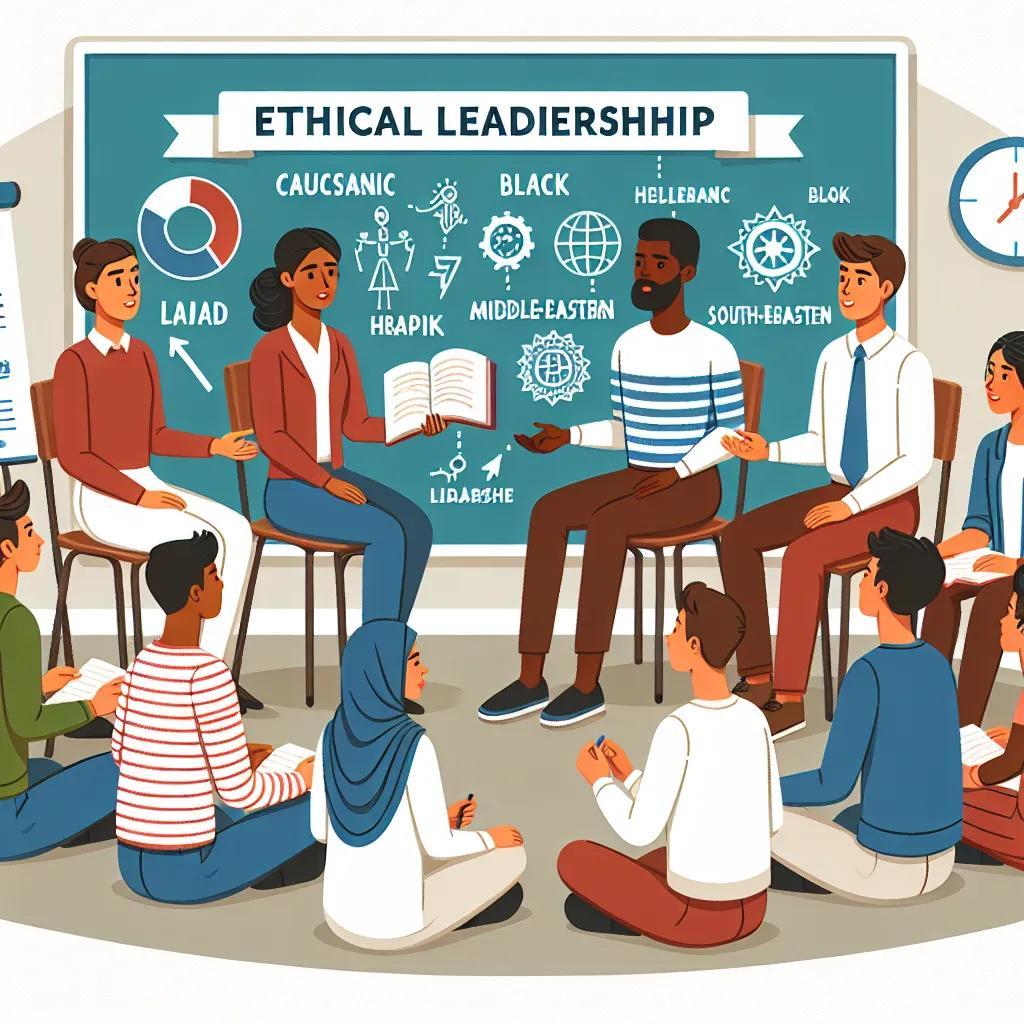
Emotional intelligence in education plays a crucial role in shaping not just academic success but the overall development of students. Recognizing the profound insights of Aristotle’s educational philosophy, it becomes clear that true learning transcends mere grades and achievements. By fostering emotional learning in the classroom, educators can encourage character development in education that emphasizes compassion and ethical leadership. This holistic approach acknowledges the importance of developing emotional awareness alongside intellectual capabilities, ultimately preparing students for life’s varied challenges. In an era where digital advancements influence traditional learning, prioritizing emotional intelligence ensures that the heart is educated alongside the mind, creating well-rounded individuals capable of informed, compassionate action.
Integrating emotional competencies into educational frameworks is essential for nurturing resilient and empathetic individuals. This approach emphasizes the significance of emotional literacy within the school environment, aligning with the necessity of fostering values such as compassion and ethical leadership. By prioritizing social-emotional skills, educators can facilitate personal and character growth alongside academic accomplishments. This focus on emotional growth, significant to Aristotle’s education philosophy, addresses the integral role of emotional health and ethical development in creating future leaders. As such, educational institutions must shift towards recognizing the profound effects of emotional awareness and ethical conduct in developing well-rounded citizens.
The Crucial Role of Character Development in Education
Character development in education is foundational, shaping how students interact with peers and respond to challenges. Schools that prioritize character education seek to instill values like honesty, respect, and responsibility in their curricula. These attributes are essential not only for academic success but also for preparing students to become conscientious citizens in a diverse society. As Aristotle posited, fostering virtues leads to well-rounded individuals who contribute positively to their communities, thereby creating a ripple effect of moral integrity and ethical leadership in future generations.
Moreover, character education transcends mere academic performance. When students learn the importance of collaboration and empathy, they adopt interpersonal skills that can greatly reduce instances of bullying and improve social harmony within schools. This approach aligns with emotional learning initiatives, which equip students with tools to understand and manage their emotions effectively. As a result, character development becomes integral to a holistic education experience that balances intellect with emotional resilience.
Emotional Intelligence in Education: A Modern Necessity
Emotional intelligence in education has gained recognition as an essential component of effective teaching and learning. As students learn to navigate their emotions and understand the feelings of others, they develop essential skills that enhance communication and collaboration. Schools that incorporate emotional intelligence training typically witness lower levels of conflict and a more supportive learning environment, which echoes Aristotle’s belief in educating both the mind and the heart. The cultivation of emotional intelligence helps students become more self-aware, fostering resilience and better decision-making under pressure.
Furthermore, this focus on emotional education underscores the importance of compassion in education. It encourages educators to create safe spaces for students to express their feelings and experiences, leading to increased engagement and motivation. Through programs that prioritize emotional learning, students are not only prepared academically but are also molded into empathetic individuals ready to face the world with a spirit of cooperation and ethical understanding. Such education builds a foundation for strong leadership and community involvement, essential qualities in today’s fast-paced and often fragmented society.
The Interconnection Between Empathy and Academic Success
Empathy is a vital component of education that goes hand in hand with both emotional intelligence and academic achievement. When students practice empathy, they develop a deeper understanding of diverse perspectives, which enhances collaborative learning experiences. This practice fosters a classroom culture rooted in mutual respect and open communication. Through this lens, empathy becomes not only a desirable trait but a crucial skill that facilitates enhanced academic performance and peer relationships. This aligns with Aristotle’s philosophy that true education must nurture the heart as well as the intellect.
In modern educational frameworks, the development of empathy is increasingly acknowledged as vital for preparing students for real-world challenges. Courses and activities that promote perspective-taking and compassionate communication equip students with the tools to navigate complex social dynamics effectively. Furthermore, educational institutions that embrace this empathetic approach often report higher levels of student satisfaction and overall mental wellbeing, reinforcing the notion that emotional growth is fundamental to personal and academic success.
The Enduring Legacy of Aristotle’s Educational Philosophy
Aristotle’s educational philosophy continues to resonate across generations, inspiring modern educators to rethink traditional success metrics. By advocating for a balance between intellectual achievement and character formation, his teachings remind us that knowledge alone is insufficient for a meaningful life. Today’s educational leaders are encouraged to integrate ethical leadership concepts into curricula, ensuring that students not only excel academically but also embody values such as integrity and compassion. This holistic approach echoes Aristotle’s views on the significance of educating the heart alongside the mind.
Moreover, this legacy is increasingly relevant in discussions about the ethical implications of technology in education. As societies leverage advances like artificial intelligence for knowledge acquisition, Aristotle’s emphasis on emotional maturity and ethical awareness serves as a crucial counterbalance. Institutions are called to reflect on how they foster not only skilled laborers but also empathetic leaders who can navigate ethical dilemmas in a rapidly changing world. Ultimately, Aristotle’s teachings serve as a guiding principle for creating a more humane and responsible educational landscape.
Why Compassion is Vital in Modern Education
Compassion plays a critical role in shaping the educational environment and strengthens the bonds within school communities. A compassionate approach fosters a culture of support, where students feel valued and understood. This emotional atmosphere not only enhances student engagement but also promotes academic success, as individuals who feel supported are more likely to take academic risks and strive for personal growth. By integrating compassion into the educational framework, schools can address students’ emotional needs alongside their academic ones, facilitating a more well-rounded developmental experience.
Furthermore, the importance of compassion in education extends beyond the classroom. It cultivates empathy and social responsibility in students, empowering them to contribute positively to society. Programs that emphasize compassionate interactions among students encourage building strong peer relationships and reduce instances of conflict and isolation. As Aristotle noted, the cultivation of virtues like compassion is essential for a thriving society. By embedding compassion within educational philosophies, we prepare students not just for exams, but for life as responsible, aware citizens who understand and empathize with the world around them.
Forming Ethical Leaders through Character Education
Character education lays the foundation for nurturing ethical leaders who prioritize integrity and social responsibility. Informed by Aristotle’s philosophy, educational frameworks that integrate character development focus on fostering virtues such as honesty, courage, and respect for others. These qualities are vital for effective leadership, equipping future leaders with the moral compass needed to navigate complex societal challenges. As students engage in character-building activities, they learn the importance of making ethical decisions and understanding the impact of their actions on others. This emphasis on character aligns with contemporary calls for ethical leadership in various fields.
Additionally, schools that promote character education create environments conducive to cooperative learning and collective accountability. By emphasizing teamwork, schools inspire students to support one another, paving the way for collective ethical growth. As future leaders learn to engage with community issues thoughtfully and compassionately, their character becomes a guiding element in their leadership journey. Through this approach, education moves beyond curriculum and grades, instilling a sense of purpose and service that resonates throughout students’ lives.
The Importance of Emotional Learning in Today’s Classrooms
Emotional learning has emerged as a crucial aspect of modern educational practices, addressing the emotional and social needs of students alongside academic content. This approach acknowledges that learning is most effective when students feel safe and supported emotionally. Schools that implement emotional learning programs can foster an environment where students feel empowered to express their emotions, leading to improved academic performance and mental health outcomes. By emphasizing emotional growth, educators can better prepare students for the interpersonal complexities of the world beyond the classroom.
Moreover, the integration of emotional learning into curricula helps to create a culture of understanding and acceptance. When students learn about emotional intelligence and its significance, they develop skills that extend beyond academics, transforming them into empathetic and resilient individuals. This approach directly supports character development, as it encourages students to reflect on their feelings, understand others, and build solid relationships based on respect and trust. In essence, emotional learning facilitates not only academic success but also personal growth and a deeper connection within school communities.
Connecting Knowledge with Compassionate Action
The concept of connecting knowledge with compassionate action is at the heart of a well-rounded education, echoing Aristotle’s call for balance between the mind and heart. Modern educational paradigms recognize that simply imparting knowledge is insufficient if it does not lead to actionable compassion and ethical behavior. Schools are increasingly designing projects and initiatives that encourage students to apply their knowledge to real-world problems, fostering a sense of responsibility and community engagement. This approach cultivates informed citizens who are aware of societal needs and motivated to contribute positively.
Incorporating service-learning initiatives into the curriculum also provides students with opportunities to practice compassion in tangible ways. By engaging with their communities, students learn firsthand the importance of empathy and social responsibility, applying their academic knowledge to effect meaningful change. This fusion of knowledge and action aligns with Aristotle’s belief in the importance of education as a means of shaping individuals who are not only intellectually competent but also morally grounded, ready to face the challenges of today’s complex world.
Redefining Educational Success: Beyond Grades and Tests
As education evolves, there is a growing recognition that success should not be measured solely by grades and standardized tests. Although academic performance is important, it is equally crucial to consider emotional growth and character development. This broader definition of educational success aligns with Aristotle’s philosophy, which emphasizes the cultivation of virtues alongside intellectual achievements. Schools are increasingly adopting holistic approaches that value emotional resilience, empathetic communication, and moral reasoning as indicators of a successful educational experience.
This paradigm shift towards redefining success invites educators to create assessment methods that reflect students’ holistic development. Offering opportunities for students to demonstrate their character and interpersonal skills can illuminate their strengths beyond academics. In doing so, we embrace a more comprehensive understanding of education, where students are encouraged to pursue excellence not just in knowledge acquisition but also in ethical leadership and compassionate action. By fostering this dual emphasis, educational institutions can nurture well-rounded individuals poised to make significant contributions to society.
Frequently Asked Questions
How does emotional intelligence in education relate to Aristotle’s philosophy?
Emotional intelligence in education aligns closely with Aristotle’s philosophy, emphasizing the need to educate the heart alongside the mind. Aristotle believed that character development is crucial for meaningful learning, which is evident in modern educational approaches that teach emotional learning and ethical leadership. By fostering emotional resilience and empathy, education cultivates well-rounded individuals who can navigate social complexities and make compassionate decisions.
| Key Points | Details |
|---|---|
| The Role of Grades and Achievements | Education is traditionally assessed through grades, degrees, and academic success. |
| Aristotle’s Quote on Education | Aristotle argued for the importance of educating the heart alongside the mind. |
| Character Development | Education should focus on moral judgment and character development, not just intellectual growth. |
| Contemporary Relevance | Many families now prioritize emotional intelligence and empathy alongside academics. |
| Emotional Intelligence in Education | Emotional intelligence enables conflict management, empathy, and thoughtful decision-making. |
| Emotional Learning Focus | Schools are increasingly prioritizing emotional learning for better student outcomes. |
| Importance of Empathy | Empathy in education fosters collaboration, respect, and responsible citizenship. |
| Impact of Technology | The rise of technology in learning requires an emotional and ethical balance. |
| Enduring Message of Aristotle | True education must integrate knowledge with emotional and ethical considerations. |
| Beyond Information | Education should mold both the intellect and the character of individuals. |
Summary
Emotional intelligence in education is essential for developing well-rounded individuals. Aristotle’s assertion that both the heart and mind must be educated rings true today as we navigate a world increasingly driven by academic metrics. Education is not just about absorbing facts; it is about fostering emotional maturity, ethical understanding, and empathetic behaviors. As contemporary educational systems evolve, they recognize that skills like kindness, resilience, and moral judgment are just as vital as traditional academic achievements. By prioritizing emotional intelligence within the curriculum, schools can cultivate an environment where students become compassionate leaders, capable of managing both personal and interpersonal challenges effectively. This holistic approach to education is imperative in shaping not only academically proficient individuals but also responsible, ethical members of society.