

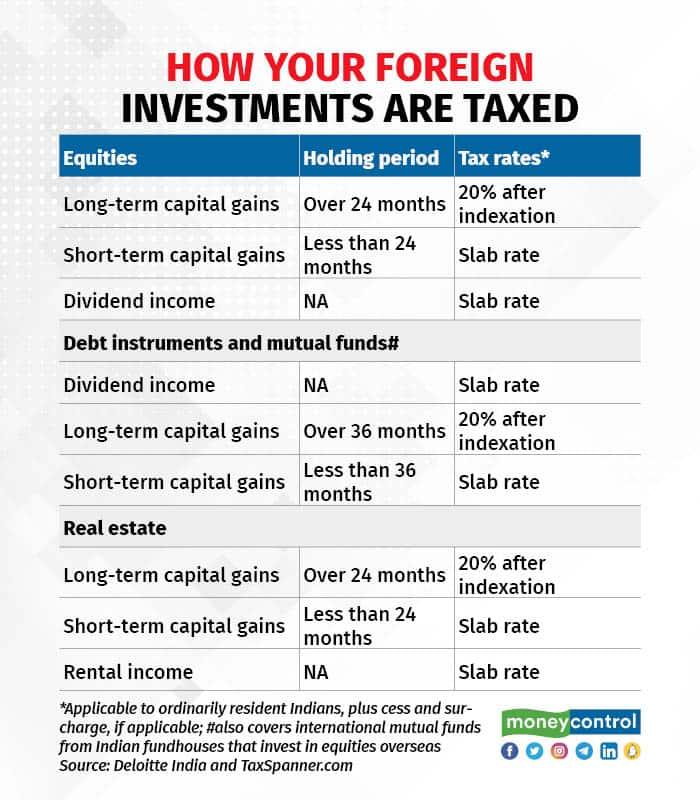
Tax regulations for foreign investors are increasingly becoming a focal point in India’s economic landscape, especially as the government considers reforms to stimulate foreign investment. Recently, the Cabinet supported an ordinance aimed at relaxing these stringent tax regulations for certain securities, providing a glimmer of hope amidst a challenging financial environment. This strategic shift is seen not only as an effort to attract foreign portfolio investors but also to counteract the depreciation of the rupee, which has fallen 6% against the US dollar in recent months. As foreign investment tax laws evolve, the implications for securities regulation will be crucial for potential investors navigating India’s complex market. The recent withdrawal of Rs 2.6 lakh crore from equities underscores the urgency for a more conducive investment climate for India foreign investors.
The evolving landscape of tax policy for overseas investors plays an essential role in shaping the investment climate in India. With recent discussions surrounding the relaxation of foreign investment tax laws, the government aims to enhance the attractiveness of its capital markets to international stakeholders. As the rupee continues to face downward pressure, strategies to entice portfolio investors become even more vital for economic stability. Clarity in securities regulation is paramount for these investors to feel secure in their ventures. Ultimately, fostering an inviting atmosphere for global capital flows will significantly impact India’s financial ecosystem.
Understanding Tax Regulations for Foreign Investors in India
Tax regulations for foreign investors have undergone significant changes in India, particularly with the recent ordinance proposed by the Cabinet. This new legislation aims to relax certain restrictions that have historically made it challenging for global investors to navigate the financial landscape of the Indian market. By streamlining these regulations, the government hopes to attract more foreign capital, which is essential for boosting economic growth and increasing the vibrancy of market activities. The focus on making tax compliance easier aligns with the need to compete with other emerging markets that are already reaping the benefits of foreign investments.
Furthermore, the relaxation of these tax regulations is particularly timely given the recent trends in rupee depreciation. As the Indian currency has lost value against the US dollar, many foreign portfolio investors have hesitated to maintain their investments in Indian equities. This ordinance is not just about simplifying tax processes; it’s also a strategic move to reassure global investors, demonstrating that India’s market remains a viable and lucrative option despite currency fluctuations. The intention is clear: to reverse the trend of withdrawal from equities and attract fresh inflows that could stabilize the currency and fortify the investment climate.
Impact of Rupee Depreciation on Foreign Portfolio Investors
The depreciation of the Indian rupee has had profound implications for foreign portfolio investors, stirring concerns around profitability and long-term investment strategies. As the currency weakens—most recently noted with a 6% fall against the US dollar—investors find their returns diminished when converting back to their home currency. This unfavorable exchange rate can deter foreign investment, leading to a significant withdrawal of capital, as evidenced by the record Rs 2.6 lakh crore that has exited the market since January. This trend surfaces a critical challenge for India, prompting the necessity for regulatory reforms that can incentivize these investors to reconsider their positions in Indian equities.
In light of these challenges, measures such as the introduction of more favorable tax regulations for foreign investors become crucial. By addressing the tax implications that arise due to the fluctuating currency, India can strengthen its appeal. For instance, offering tax incentives or rebates can help mitigate the losses faced by foreign investors during times of rupee depreciation. Such proactive measures not only aim to stabilize portfolio investments but also provide reassurance that the Indian government is committed to creating a conducive environment for foreign investors amidst volatile economic conditions.
Securities Regulation and Its Role in Attracting Global Investment
Securities regulation plays a pivotal role in shaping the investment landscape for foreign investors in India. Effective regulatory frameworks ensure transparency, fairness, and protection for all market participants, which is paramount for gaining trust from global investors. Recent reforms in securities regulation aim to enhance the ease of doing business in India’s equity markets, making it more attractive for foreign portfolio investors. Clear guidelines and streamlined processes not only facilitate compliance but also showcase India’s commitment to uphold international standards, effectively building confidence among potential investors.
Moreover, as the Indian government seeks to bolster its financial markets amid challenges such as currency depreciation, bolstering enforcement of securities regulations can help mitigate risks associated with market volatility. Investors are more likely to engage with markets where regulations are consistently applied, thereby enabling greater security in their investing journey. Consequently, reforms in securities regulation, alongside relaxed tax regulations for foreign investors, can significantly enhance the likelihood of capital inflows, contributing to a more robust financial ecosystem.
Navigating Foreign Investment Tax Laws in India
The foreign investment tax laws in India can be intricate and daunting for newcomers, yet they are essential to understanding the market’s framework. These laws dictate how foreign entities can invest in Indian securities and the tax implications that accompany these investments. With recent reforms aimed at simplifying these laws, the government has sought to diminish barriers for foreign portfolio investors, fostering a welcoming atmosphere in which international capital can flow more freely into the Indian market. This initiative is designed to enhance compliance while encouraging foreign entities to heed the potential of the Indian economy.
In addition, it is crucial to analyze how these tax laws are designed to protect both the investor and the country’s economic interests. Balancing effective tax collection while promoting foreign investment is a delicate dance that Indian tax authorities have been navigating. As sectors of the economy heat up, there is a growing consensus that refining these laws will enhance India’s attractiveness as an investment destination. Simplification and clear communication of foreign investment tax laws will not only facilitate smoother transactions but also encourage a healthier influx of global capital.
The Strategic Importance of Portfolio Investors
Portfolio investors are integral to the vibrancy of the Indian stock markets. By injecting foreign capital, these investors not only provide the necessary liquidity but they also contribute significantly to market depth. The increasing participation of portfolio investors is thus a testimony to their confidence in the growth trajectory of the Indian economy. Their investments help in broader market expansion and technological advancements, leading to greater economic development overall. With the recent push to relax tax regulations, the Indian government is taking strides to reinforce this segment’s presence, recognizing its importance for sustainable growth.
Furthermore, strategic engagement with portfolio investors can facilitate access to global best practices in corporate governance and financial management. As foreign investments grow, they bring along with them expertise and insights that can help local businesses scale and improve operational efficiencies. By creating a favorable environment through relaxed tax laws and enhanced securities regulation, India can further cement its status as a hub for portfolio investors. This approach not only attracts fresh investments but also enhances the overall stability and attractiveness of the Indian market.
Current Trends in Foreign Investments in India
The landscape of foreign investments in India is constantly evolving, particularly against the backdrop of global economic shifts and domestic policy changes. The recent relaxation of tax regulations signifies a proactive approach to attract more investments, especially during times when the rupee has faced significant depreciation. Investors are closely watching these developments as they influence their decision-making processes. Trends indicate an increasing interest in sectors such as technology and renewable energy, driven by both policy incentives and the potential for high returns, showcasing India’s evolving investment climate.
Moreover, the inflow of foreign capital has been a crucial catalyst for numerous sectors as it fosters innovation and competitiveness. However, the past year has shown a record withdrawal of investments, raising alarms among stakeholders. To reverse this trend, a concerted effort by the government is needed, focusing on enhancing the regulatory framework and making investment avenues more appealing. As tax regulations become more favorable and business environments robust, foreign investors are likely to regain confidence, thus resuming investment flows and ultimately stabilizing the Indian economy.
The Future of Foreign Investment in India
Looking ahead, the future of foreign investment in India appears promising, especially with deliberate government initiatives aimed at attracting foreign capital. The projected easing of tax regulations paves the way not just for an uptick in investments, but also for a substantial uptick in investor sentiment. By creating an ecosystem that caters to both local and international investors, India aims to solidify its standing as an emerging market powerhouse. With sustained focus on market reforms, including tax frameworks, securities regulations, and ensuring currency stability, India can harness the economic potential that foreign investors bring.
However, this journey toward becoming a favored destination for foreign investments will require consistent efforts and vigilance. Economic policies must be adaptable to both the domestic needs and global market sentiments. As the Indian government continues to introduce measures to enhance its investment climate, it is critical that efforts remain aligned with the overall objective of promoting economic stability and growth. By positioning itself as a compliant and investor-friendly nation, India holds the potential to transform its economic landscape significantly, buoyed by foreign investments.
Enhancing the Investment Climate for Foreign Investors
The investment climate in India, though promising, faces several challenges that require strategic interventions to ensure a sustainable influx of foreign investments. With recent announcements aimed at relaxing tax regulations, there is a clear intention to enhance this climate and attract more foreign portfolio investors. By implementing user-friendly tax policies that reduce bureaucratic hurdles, the government can foster a more inviting environment, making India a more attractive investment destination. These steps are crucial, particularly during times of uncertainty caused by rupee depreciation and shifting global economic conditions.
Moreover, it is essential to systematically monitor the impact of these changes on foreign investment trends. The relaxation of tax regulations should be accompanied by continuous enhancements in other areas such as political stability, infrastructure development, and technological advancements. When coupled with robust securities regulations, these efforts can solidify the perception of India as a favorable investment ground. As policymakers work to create a cohesive strategy that addresses the multifaceted needs of foreign investors, India will be better positioned to harness the benefits of increased foreign capital in the long term.
Investment Opportunities in Indian Sectors
India presents a diverse array of investment opportunities across various sectors, drawing increasing attention from foreign investors. Notably, the digital economy, pharmaceuticals, and renewable energy sectors are witnessing substantial foreign interest due to their high growth potential. The Indian government has also announced support for sectors that align with sustainable development goals, further enhancing the attractiveness for foreign portfolio investors. As relaxing the tax regulations allows for greater financial flexibility, it could pave the way for innovative technologies and business models to enter the Indian market.
In addition, sector-specific initiatives focus on strengthening infrastructure and encouraging foreign investment in traditional industries, such as agriculture and manufacturing. By recognizing the strategic importance of these sectors, the Indian government provides numerous opportunities for foreign investors to engage, ensuring they can play a pivotal role in India’s economic agenda. Furthermore, continuous dialogue between government entities and industry players is necessary to sustain interest and ensure that foreign investment remains a cornerstone of the Indian economy’s evolution. Through these efforts, the goal is to not just attract funds but also to ensure their optimal utilization for national progress.
Frequently Asked Questions
What are the recent tax regulations for foreign investors in India regarding portfolio investments?
The recent tax regulations for foreign investors in India aim to simplify compliance for portfolio investors by potentially reducing tax burdens on certain securities. This government initiative was introduced to attract foreign investment, especially as the rupee faces depreciation against the US dollar. By relaxing foreign investment tax laws, the Cabinet hopes to encourage foreign portfolio investors to reinvest in the Indian market after significant withdrawals.
| Key Point | Details |
|---|---|
| Cabinet Support | The Cabinet has backed an ordinance aimed at relaxing tax regulations for foreign investors. |
| Reason for Relaxation | The relaxation is intended to stabilize the depreciating rupee. |
| Rupee Depreciation | The rupee has fallen 6% against the US dollar since the beginning of the year. |
| Foreign Portfolio Investment | Foreign portfolio investors have pulled out a record Rs 2.6 lakh crore from Indian equities since January. |
Summary
Tax regulations for foreign investors are undergoing significant changes as the Cabinet supports an ordinance to relax these regulations for investments in certain securities. This development comes in the backdrop of a historical withdrawal of foreign portfolio investments, which amounts to a staggering Rs 2.6 lakh crore from equities this year. The central goal of these relaxed tax measures is to enhance the stability of the rupee, which has depreciated by 6% against the US dollar. By making the investment landscape more attractive for foreign investors, India aims to restore confidence and stabilize its currency in the global marketplace.



























