

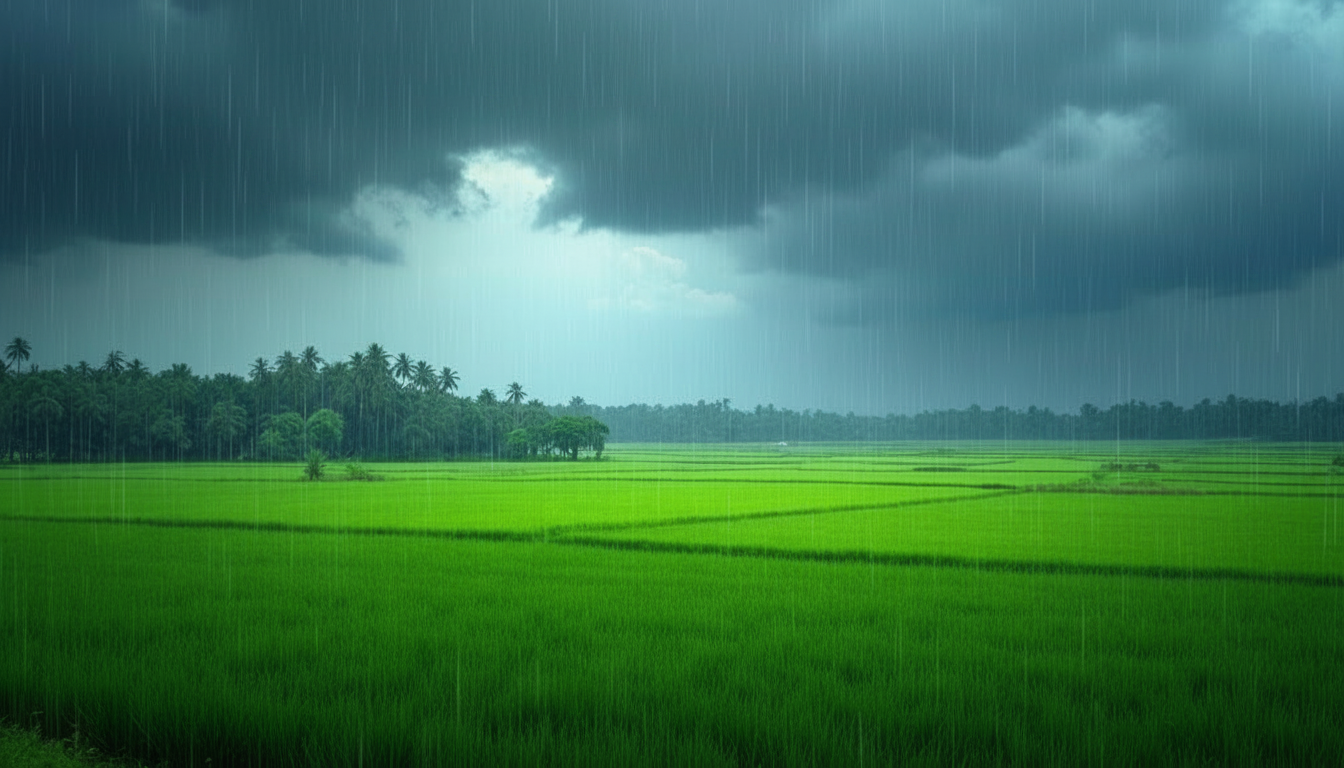
The Kerala monsoon marks a significant transition in the region, heralding the arrival of the southwest monsoon that usually begins on June 1. This year, the monsoon arrived three days later than expected, as reported by the Indian Meteorological Department. For the people of Kerala, the onset of the rainy season is not just a meteorological event; it symbolizes renewal, growth, and the beginning of agricultural activities across the state. The Kerala monsoon transforms the landscape into a lush paradise, providing much-needed rain for the crops that sustain local livelihoods. With the arrival of June monsoon, the anticipation of pouring rain brings both delight and rejuvenation to this vibrant coastal state of India.
Often referred to as the refreshing rainy season in southern India, the onset of the monsoon in Kerala invokes feelings of excitement and anticipation. This annual phenomenon, associated with the southwest winds, is crucial for the agricultural cycle and water supply of the region. As the Indian Meteorological Department tracks the patterns of rainfall, the community eagerly awaits the onset, which typically sets in around early June. The Kerala monsoon, with its powerful showers, transforms the environment, and the air becomes thick with the scent of wet earth. This season not only revitalizes the landscape but also invigorates the spirit of the people, ready to embrace the bountiful changes that come with the rainy season.
Overview of Kerala Monsoon
The arrival of the southwest monsoon in Kerala marks the beginning of a significant climatic phase that deeply influences the agriculture and ecology of the region. On Thursday, the Indian Meteorological Department (IMD) confirmed that the monsoon set foot in Kerala, albeit three days later than the expected arrival on June 1. This delay in the onset can affect several agricultural schedules and has implications for the farming community in Kerala, who eagerly await the rain to start their sowing activities.
Kerala’s monsoon is characterized by heavy rainfall and cool temperatures, providing critical water resources to the state. The southwest monsoon typically brings about various changes in both the environment and daily life in Kerala. The lush greenery that envelops the hills and valleys transforms as the rain rejuvenates the soil, essential for rice and other crops. This rainy season is not just vital for agricultural practices but also holds cultural significance for the people, with festivals and traditions closely linked to the monsoon season.
Impact of the Southwest Monsoon on Agriculture
The southwest monsoon plays a crucial role in the agricultural landscape of Kerala, dictating the sowing periods for various crops. The Indian Meteorological Department’s prediction of an expected late arrival this year has put farmers on alert, as timely rains are essential for maintaining crop health. For farmers reliant on this climatic phenomenon, every drop of rain is not only a blessing but also a determinant of their economic stability.
In Kerala, agriculture is predominantly rain-fed, making the arrival of the monsoon pivotal for ensuring sufficient water supply to the fields. It influences the planting of staple crops like rice, which thrives in the monsoon-rich environment. The farmers prepare diligently for the monsoon, often engaging in community activities to ensure their lands are ready for the incoming rains, showcasing the deep connection between the people and their land, shaped decisively by the monsoon.
Adapting to Changing Monsoon Patterns
As climatic shifts become more apparent, farmers in Kerala are increasingly faced with the need to adapt their practices to the unpredictable patterns of the monsoon. The Indian Meteorological Department has expressed concerns over the consistency of the monsoon season, which historically has been a reliable source of rain for the region. Local farmers now actively seek ways to mitigate risks related to delayed or excessive rainfall through improved irrigation techniques and the adoption of resilient crop varieties.
In response to these challenges, Kerala’s farming community is coming together to share knowledge and implement strategies that enhance productivity while safeguarding the ecosystem. Agricultural extensions, government initiatives, and local cooperatives are working to educate farmers about climate-smart practices, emphasizing the importance of sustainable agriculture to ensure that communities remain resilient against the variabilities of the southwest monsoon.
Cultural Significance of the Monsoon Season
The monsoon season in Kerala is not just about rainfall; it holds profound cultural significance for the people. Celebrations, rituals, and festivals are intertwined with the arrival of rain, reflecting a deep-seated respect for nature’s bounty. The lush landscapes, adorned with vibrant flora, evoke a sense of renewal and vitality, leading to festivities that honor the earth’s nourishment.
During this season, communities engage in diverse activities ranging from traditional music and dance to culinary delights that incorporate seasonal ingredients. The coalescence of nature and culture during the rainy season enriches the social fabric of Kerala, fostering a shared experience among its people. The monsoon thus becomes a time of gratitude and festivity as it infuses life back into the region and strengthens communal bonds.
Weather Patterns and Monsoon Forecast
Understanding weather patterns is crucial for both the agricultural sector and the daily life of residents in Kerala. The IMD provides regular updates on monsoon forecasts, which are vital for preempting the impacts of varying rainfall. This year, with the southwest monsoon arriving later than usual, the focus is on monitoring weather changes and assessing how this might affect both agriculture and water supply in the coming months.
Farmers and local governments keep a close eye on the forecasts, using them to tailor their activities accordingly. Recent advancements in meteorological technology have enabled more precise predicting of the monsoon’s behavior, allowing communities to prepare and react effectively. While the timely rains of June are crucial, understanding the broader climatic context will help mitigate potential disturbances caused by the arrival of the monsoon.
The Role of the Indian Meteorological Department
The Indian Meteorological Department (IMD) plays an indispensable role in monitoring and predicting monsoon patterns across the country. Especially for Kerala, the IMD’s timely forecasts facilitate informed decision-making among farmers who rely heavily on accurate weather predictions to plan their agricultural activities. The department’s data collection and analysis methods provide crucial insights into the onset and behavior of the southwest monsoon.
With continuous advancements in technology, the IMD has improved its forecasting capabilities, ensuring that the local farming communities receive updated information that reflects real-time weather parameters. This increases the resilience of the agricultural sector, as farmers can adapt their efforts based on the most recent and relevant monsoon predictions, thereby securing their livelihoods against the uncertainties of the rainy season.
Environmental Considerations During the Monsoon
The environmental impact of the monsoon is both profound and multifaceted. In Kerala, the rainy season replenishes groundwater levels and maintains the health of ecosystems, benefiting both terrestrial and aquatic habitats. Flooding, while often a risk associated with heavy rains, can also bring necessary nutrients to the soil, promoting biodiversity and agricultural productivity when appropriately managed.
However, the challenges posed by intense rainfall events, such as soil erosion and waterlogging, require vigilant environmental management practices. Conservation efforts that focus on sustainable land use and watershed management are essential in protecting natural resources during the monsoon months. Enhancing community awareness about environmental stewardship during this season can help mitigate adverse effects while maximizing the benefits that the monsoon brings.
Tourism During the Kerala Monsoon
Monsoon tourism in Kerala has gained popularity as travelers seek unique experiences during the rainy season. The refreshing landscapes, lush greenery, and the rhythmic sound of rain create a picturesque setting that draws visitors from all over the world. Kerala, with its backwaters and hill stations, offers a serene escape for tourists wishing to experience the beauty of nature in its most vibrant form.
Local businesses have capitalized on the appeal of the monsoon, creating packages centered around wellness and relaxation, showcasing the natural splendor of the region. Experiencing Ayurveda treatments amidst the monsoon ambiance or embarking on guided treks through verdant forests enhances the travelers’ connection to this magical season, proving that the Kerala monsoon is as much about exploration and relaxation as it is about agriculture and ecology.
Challenges in Predicting Monsoon Trends
Predicting the trends of the southwest monsoon has become increasingly complex, with numerous variables impacting its arrival and intensity. Changes in global climate patterns and local weather anomalies can lead to unexpected deviations from historical trends, affecting the planning for agriculture and water management. The IMD faces the dual challenge of refining their predictive models while ensuring that they impart this knowledge effectively to stakeholders.
As society becomes more aware of climate change, understanding the underlying factors that contribute to monsoon variability is crucial. Collaboration between meteorologists, climatologists, and local communities is essential to develop comprehensive strategies that address these challenges. These efforts can lead to better preparedness in face of unpredictability, ensuring that both agricultural and civic planning align with the evolving nature of the monsoon.
Frequently Asked Questions
What is the expected arrival date of the southwest monsoon in Kerala?
The southwest monsoon traditionally arrives in Kerala on June 1. However, this year, the Indian Meteorological Department reported that it has arrived three days late on June 4.
| Key Point | Details |
|---|---|
| Arrival Date | The southwest monsoon arrived in Kerala on Thursday, three days late. |
| Normal Start Date | Typically begins on June 1. |
| Significance | Marks the start of the rainy season and sowing activities in India. |
Summary
The Kerala monsoon has an essential role in shaping the agricultural landscape of India. Arriving a few days later than expected this season, the southwest monsoon marks the onset of the rainy season, which is crucial for farmers preparing their fields for sowing. On June 1, the monsoon typically heralds the arrival of heavy rains, significantly impacting crop growth and water supply in the region. As Kerala braces for this much-awaited seasonal change, it stands as a testament to the importance of the monsoon rains in the livelihood and economy of the state.



























