

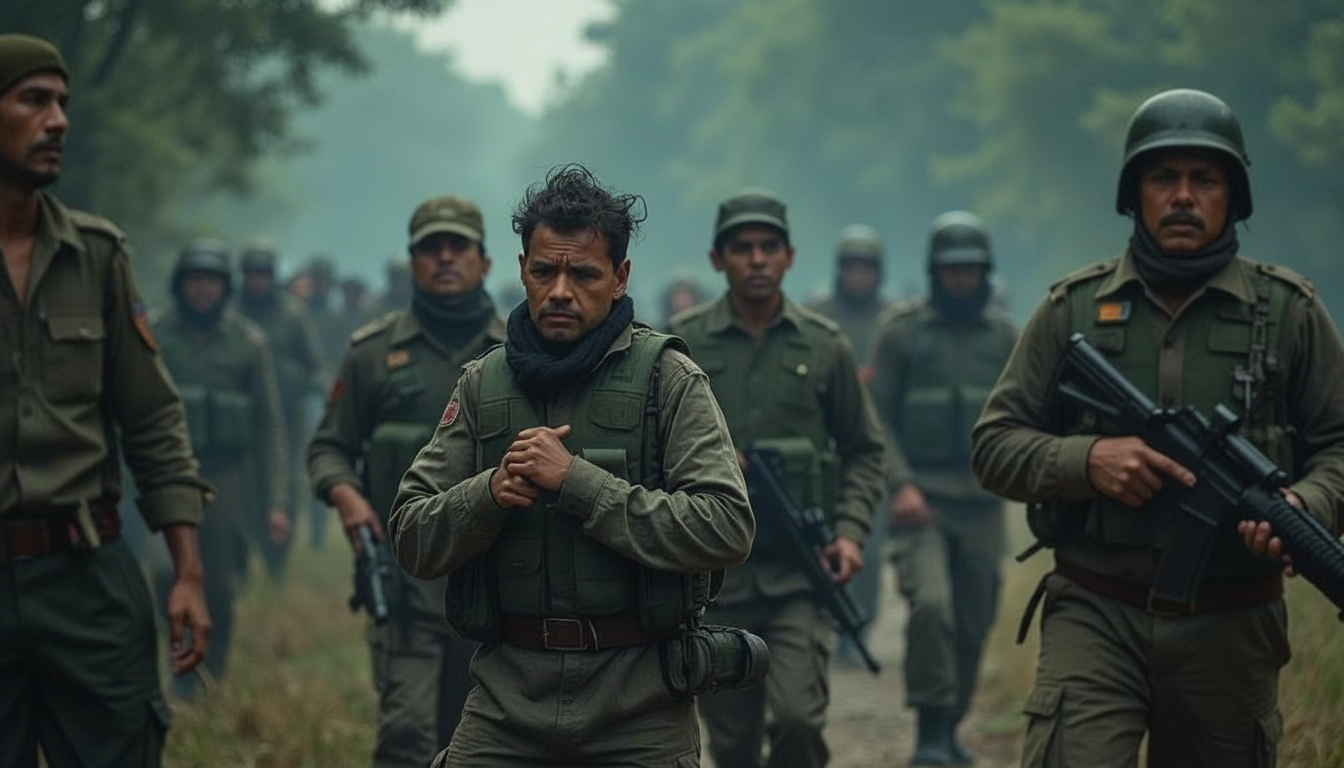
The recent Manipur insurgent attack has sent shockwaves through the Kangpokpi district, highlighting the ongoing violence that has gripped the region. On a fateful Monday, a 58-year-old villager, Chungjanglung Panmei, lost his life when suspected insurgents opened fire on individuals gathering firewood. This tragic incident underscores the rising tensions in Manipur, intertwined with the Naga Kuki conflict and growing tribal disputes. As reports of insurgent attacks in Manipur continue to emerge, the government faces mounting pressure to restore peace amidst increasing calls for justice. Meanwhile, authorities are working diligently to navigate the complexities of Manipur’s tribal dynamics and quell the violence that threatens the region’s stability.
In the midst of escalating violence in the region, the tragic loss of a villager during a suspected insurgent strike has brought the spotlight onto the delicate situation in Manipur. The deadly clash reflects ongoing struggles among various ethnic groups, particularly within the Naga-Kuki community, where tensions have sharply escalated. The government’s response to such incidents is critical, as the fear of further insurgent attacks in Manipur looms overhead. Addressing these challenges is essential for preserving the fragile peace and ensuring the safety of all communities affected by the conflict. With the stakes high, local authorities and residents alike must navigate the intricacies of tribal relations to foster understanding and reduce violence.
Understanding the Impact of the Manipur Insurgent Attack
The recent insurgent attack in Manipur, which resulted in the tragic death of Chungjanglung Panmei, has highlighted the ongoing violence and unrest in the region. This incident underscores the fragility of peace in Manipur, where increasing tensions between tribal groups have led to numerous conflicts. The effects of such violent attacks ripple through communities, fostering fear and division among the local populations. It is essential for the government and security forces to act swiftly to ensure justice and prevent further loss of life.
Moreover, incidents like these exacerbate the already existing unrest in the area, fueled by deep-rooted ethnic rivalries like the Naga-Kuki conflict. The heightened state of alert among residents reflects their fear of further assaults, escalating the urgency for resolution and reconciliation. Addressing the underlying issues that lead to these insurrections is critical, as continuing violence can derail attempts at peaceful coexistence and stability in Manipur.
Naga-Kuki Conflict: A Background to the Violence
The Naga-Kuki conflict has been a persistent issue in Manipur, with historical grievances contributing to the current state of affairs. The struggle for autonomy and recognition has pit various tribal groups against each other, complicated by different political interests and the presence of insurgent factions. The recent aerial attack that claimed the life of Chungjanglung Panmei serves as a stark reminder of how these tensions often escalate into violence, leading to tragic outcomes for innocent civilians.
Various reports indicate that the situation is precarious, with rising incidents of violence affecting daily life for the people of Manipur. Insurgent attacks like the one that took place recently not only claim lives but also perpetuate a cycle of retaliation and mistrust among different ethnic factions. Understanding this conflict’s dynamics is vital for both local and national authorities as they strategize on effective measures for peace-building and conflict resolution.
Government Response to Rising Violence in Manipur
In light of the recent insurgent attacks in Manipur, the state government, under the leadership of Chief Minister Y Khemchand Singh, has reiterated its commitment to maintaining peace and order. Following the assassination of Chungjanglung Panmei, swift responses from law enforcement and government officials are crucial. The Chief Minister’s condemnation of the attack reflects a governmental acknowledgment of the plight faced by civilians amidst ongoing tribal tensions.
Additionally, the administration is encouraging collaborative efforts between community leaders and security forces to address rising tensions effectively. Measures such as community outreach programs and dialogues among conflicting parties could foster understanding and mitigate the possibility of similar incidents. Ensuring the safety of all Manipur’s residents—regardless of their ethnic backgrounds—remains a priority for the state to prevent a further breakdown of law and order.
The Role of the Local Community in Mitigating Violence
Communities play a pivotal role in addressing the root causes of violence in Manipur. Following the recent insurgent attack, it is imperative for local leaders and citizens to engage in constructive dialogue, fostering an environment where trust can be rebuilt. Collective efforts to promote peace within and among the various ethnic groups, particularly in the context of the Naga-Kuki conflict, can lead to cooperative actions that dismantle the cycles of violence.
Furthermore, empowering local communities through awareness programs about the consequences of violence and the importance of coexistence is essential. Initiatives that promote inter-tribal solidarity and cultural exchange can greatly contribute to reducing tensions and ensuring that individuals like Chungjanglung Panmei are not casualties of conflict. By working together, communities can lay the groundwork for lasting peace and stability in Manipur.
The Need for Efficient Security Measures
The events surrounding the attack in Kangpokpi District indicate a pressing need for more efficient and responsive security measures across Manipur. Enhanced intelligence sharing among security forces, along with community involvement, is crucial to preventing insurgent activities and ensuring public safety. The government must also consider incremental changes in security protocols to adapt to the changing landscape of insurgent tactics.
Moreover, investing in peacekeeping missions and training programs for security personnel specifically tailored to address the unique challenges posed by the Naga-Kuki conflict can improve overall response times and effectiveness. Prioritizing the safety of civilians and ensuring swift justice for victims of violence should guide the state’s strategies in fostering a secure environment for all communities in Manipur.
Calls for Unity Amidst Tragedy
The aftermath of the recent insurgent attack underscores a crucial call for unity amidst the ongoing tragedy in Manipur. In light of Chungjanglung Panmei’s death, it becomes increasingly significant for all communities to come together, rising above ethnic differences in pursuit of shared peace and stability. Leaders from both the Naga and Kuki tribes must engage in meaningful discussions to promote harmony and mutual respect.
Additionally, civil society organizations could play an instrumental role in fostering collaborative peace-building efforts through outreach initiatives and community engagement programs. By emphasizing human connections over divisive narratives, it’s possible to create a more conducive environment for dialogue and understanding, which is essential for overcoming the tribal tensions that have historically plagued the region.
The Human Cost of Insurgent Attacks in Manipur
Every insurgent attack in Manipur carries devastating human costs that affect families and entire communities. The tragic event that claimed Chungjanglung Panmei’s life exemplifies the direct consequences of ongoing violence, as families are left to grieve and communities to rebuild trust following such incidents. The emotional and psychological toll on survivors can lead to long-term societal challenges, including a cycle of grief and revenge.
Moreover, the consistent threat posed by insurgent activities has a chilling effect on community cohesion. Economic activities are often hampered due to fear of violence, leaving many families struggling to meet their basic needs. It is crucial for government and non-governmental organizations to provide support not only to the bereaved families but also to those affected by such violence, ensuring that they receive proper care and assistance in navigating their grief.
The International Community’s Role in Conflict Resolution
The situation in Manipur is not only of national concern but also presents an opportunity for international engagement in conflict resolution efforts. The global community can offer valuable insight into frameworks used in other regions to promote peace and understanding among conflicting groups. Providing a platform for dialogue facilitated by third-party organizations could help break the cycle of violence seen in the region.
Moreover, the potential for international observers to monitor the situation could lead to greater accountability for all parties involved. Encouraging international aid focused on peace-building and reconciliation efforts within Manipur can provide much-needed resources while ensuring that the diverse voices of the Naga, Kuki, and other tribal groups are heard in the pursuit of lasting solutions.
Long-term Solutions to Tribal Tensions in Manipur
To address the enduring tribal tensions in Manipur, comprehensive and multi-faceted long-term solutions must be implemented. These solutions must prioritize addressing the underlying grievances and historical injustices that fuel animosity among different ethnic communities. Initiatives aimed at fostering economic development, education, and cultural exchange will contribute to reducing feelings of alienation and resentment that often lead to violence.
Furthermore, establishing governance that includes representation from all ethnic groups can enhance trust between communities and the state. Long-standing peace agreements, paired with social dialogues among tribal leaders, can ultimately pave the way for greater mutual respect and understanding. Only by prioritizing long-term engagement can Manipur hope to achieve sustainable peace and prevent the reoccurrence of tragic incidents like the recent insurgent attack.
Educating Youth on Peacebuilding Initiatives
Educating younger generations on peace-building initiatives holds great potential for breaking the cycle of violence evident in the region. Schools and community organizations can play a vital role in teaching values of tolerance, respect, and unity across tribal lines. Programs designed to engage youth in collaborative projects can help build trust among different ethnic groups and reduce the likelihood of future conflicts.
By fostering environments where young people from diverse backgrounds can interact and understand each other’s cultures, future generations may be better equipped to navigate and resolve conflicts peacefully. This investment in youth education is critical for shaping a more harmonious future for Manipur, where incidents like the recently reported insurgent attack become increasingly rare.
Frequently Asked Questions
What recent incidents highlight the ongoing Manipur insurgent attack situation?
The recent killing of Chungjanglung Panmei, a 58-year-old villager from the Rongmei Naga tribe, underscores the danger of insurgent attacks in Manipur. This incident occurred when suspected insurgents opened fire on a group collecting firewood, prompting a search and rescue operation by the Manipur Police.
How is the Manipur government responding to the insurgent attacks and violence?
In response to the recent insurgent attack that claimed a civilian life, Manipur Chief Minister Y Khemchand Singh condemned the violence, stating that security forces are actively working to bring the attackers to justice. He emphasized the need for community peace and cooperation with authorities.
What are the underlying issues contributing to the insurgent attacks in Manipur?
The insurgent attacks in Manipur are rooted in long-standing ethnic tensions, particularly the Naga-Kuki conflict. This ongoing tribal discord has recently escalated, leading to violence and significant community unrest within the region.
Who was Chungjanglung Panmei, and what happened in the recent attack?
Chungjanglung Panmei was a 58-year-old villager fatally shot during a suspected insurgent attack in Kangpokpi district, while gathering firewood. His death highlights the perils of the ongoing Manipur violence and underscores the urgent need for conflict resolution in the area.
What measures are being taken to ensure safety and security in Manipur after the insurgent attacks?
In light of the recent insurgent attacks, including the death of a villager, the Manipur Police have initiated search and rescue operations. Chief Minister Y Khemchand Singh also called for community efforts to maintain peace and harmony, aiming to prevent further escalations of violence.
What efforts are being made to address the Naga Kuki conflict in Manipur?
Efforts to address the Naga Kuki conflict in Manipur include government appeals for community cooperation and the enforcement of law and order by security forces. The state government is focused on promoting dialogue to ease tensions and prevent further insurgent attacks.
What is the impact of tribal tensions on the security situation in Manipur?
The tribal tensions in Manipur, particularly between the Naga and Kuki communities, have created a volatile security landscape. Recent incidents, such as the insurgent attacks, have destabilized the region and posed significant challenges to maintaining peace and order.
How can the public contribute to resolving the issues arising from insurgent attacks in Manipur?
The public can contribute by remaining calm, refraining from violence, and cooperating with local authorities to uphold peace. Community engagement is crucial in addressing the underlying issues of insurgent attacks and fostering a culture of peace in Manipur.
| Key Point | Details |
|---|---|
| Incident | A 58-year-old villager was killed in an attack in Manipur’s Kangpokpi district. |
| Victim | The victim, Chungjanglung Panmei, belonged to the Rongmei Naga tribe. |
| Government Response | Chief Minister Y Khemchand Singh condemned the killing and promised support for the victim’s family. |
| Ongoing Efforts | Security forces are conducting operations to apprehend the attackers. |
| Community Appeal | Khemchand urged communities to maintain peace and cooperate with authorities. |
| Ethnic Tension | The Naga-Kuki conflict has heightened tensions in the region. |
Summary
The Manipur insurgent attack has highlighted the ongoing ethnic tensions in the state, particularly between the Naga and Kuki tribes. The tragic killing of Chungjanglung Panmei underscores the urgent need for authorities to restore peace and stability in the region. As security forces work diligently to bring those responsible for the attack to justice, it is imperative that local communities unite to prevent further violence and uphold harmony.



























