

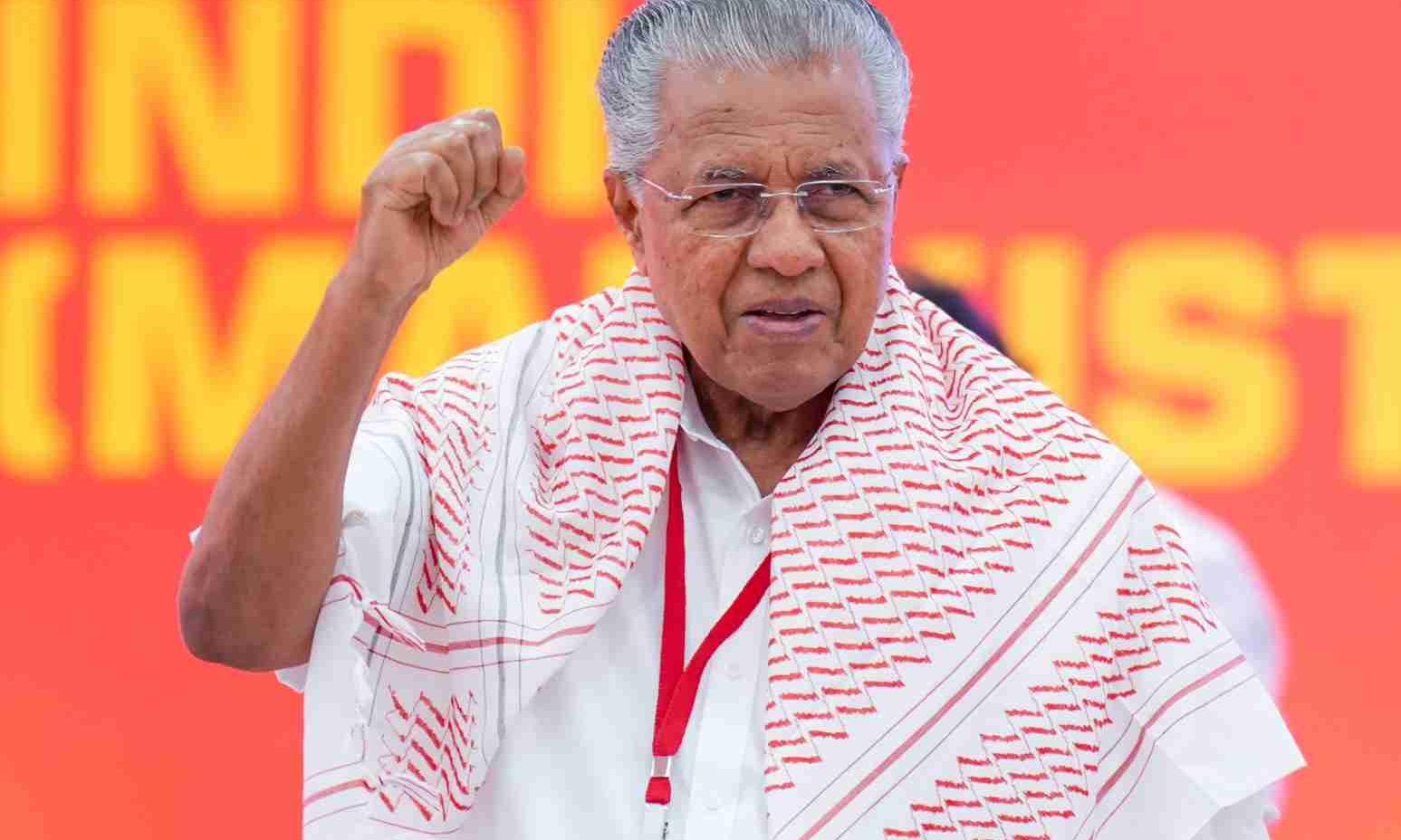
 As the political landscape in Kerala gears up for the highly anticipated Kerala Elections 2026, the stakes are particularly high with Pinarayi Vijayan seeking a remarkable third consecutive term. This election presents a vibrant tapestry of potential outcomes, with the opposition United Democratic Front (UDF) looking to stage a formidable comeback amidst growing public discontent. The dynamics also reveal an intriguing surge in BJP influence in Kerala, adding an extra layer of complexity to this electoral battle. Voter sentiment will be an essential focus, with Kerala political analysis indicating that the contest could pivot on the thinnest of margins. In-depth election SWOT analysis suggests that all parties must navigate both their strengths and vulnerabilities to capture the electorate’s attention and support.
In the upcoming Kerala Elections 2026, the region finds itself at a critical juncture, primed for a significant shift in governance and leadership. With Chief Minister Pinarayi Vijayan vying for an unprecedented third term, the political drama unfolds as the UDF and BJP intensify their campaigns to sway public sentiment. This election serves as a litmus test, where various factions strive to either maintain their hold on power or reclaim lost ground. As analysis of previous electoral trends and current voter sentiments reveal, issues surrounding governance and identity could play pivotal roles in determining the outcomes. The swirling narratives of change versus continuity will be at the forefront as Kerala navigates this crucial electoral phase.
Kerala Elections 2026: The Battle for Governance and Influence
As Kerala braces for the 2026 elections, the political landscape significantly shifts with Pinarayi Vijayan looking to secure a historic third consecutive term. This election will test the resilience of his governance model, which has relied heavily on welfare schemes and development initiatives. However, the competition is heating up with the United Democratic Front (UDF) aiming for a comeback, leveraging anti-incumbency sentiments and past electoral successes. The influence of BJP in Kerala adds another layer of complexity, potentially reshaping traditional voting patterns. Understanding the nuances of these dynamics will be crucial for voters as they navigate their choices amidst competing narratives.
The stakes could not be higher as the political parties engage in rigorous SWOT analysis to assess their positions going into the elections. For the LDF, maintaining an image of progressive governance while countering allegations of mismanagement becomes essential. Conversely, the UDF is capitalizing on any signs of dissatisfaction among voters regarding the current administration’s policies. Additionally, the increasing footprint of the BJP and its targeted outreach towards coastal communities and specific demographics could disrupt the long-standing LDF-UDF duopoly. The 2026 elections are shaping up to be not just a question of allegiance, but rather an intricate political assessment of governance, identity, and the future direction of Kerala.
Challenges and Opportunities for Kerala’s Political Parties in 2026
As the 2026 elections approach, the political parties in Kerala are grappling with their unique challenges and opportunities. For the LDF, led by Pinarayi Vijayan, the challenge lies in overcoming voter fatigue and the allegations of scandals that have emerged over the last two terms. The risk of anti-incumbency could haunt the LDF, especially if the public perceives a growing disconnect between the government’s promises and the actual ground realities. However, the LDF also has potential advantages, such as a well-established grassroots network and the perceived continuity of governance that many voters find appealing amidst the uncertainty of changing administrations.
In contrast, the UDF is banking on its anti-incumbency stance while attempting to unify its often-fractured alliances. The party faces the dilemma of internal factionalism, which could undermine its campaign efforts if not addressed effectively. Furthermore, the UDF must formulate a compelling narrative that not only critiques the existing administration but also resonates with the electorate as a viable alternative. Meanwhile, the BJP, despite historically low seat conversion rates in Kerala, is determined to harness the growing political discontent and position itself as a credible third option by focusing on localized issues such as Sabarimala and welfare schemes. Therefore, each party’s ability to navigate these challenges will significantly influence the electoral outcome.
Strategic Campaigning: The Future of Kerala Politics in 2026
In the run-up to the 2026 elections, strategic campaigning has taken center stage. For the LDF, utilizing its past governance record, particularly in welfare and development projects, could serve as a powerful tool to appeal to voters. The administration’s achievements in improving infrastructure and boosting social schemes are crucial selling points that emphasize continuous progress. However, the LDF must also address specific grievances such as governance issues and controversies surrounding significant policy changes. Failing to do so could potentially alienate voters who might otherwise support a third term for Vijayan.
On the other hand, the UDF is strategically positioning itself to capitalize on the electoral narrative of ‘ready for change.’ With leaders like Rahul Gandhi actively campaigning, the UDF hopes to reignite voter enthusiasm and harness the dissatisfaction directed towards the ruling government. This approach requires not only a robust ground game but also effective communication of their vision for governance, which should contrast sharply with the LDF’s record. Meanwhile, the BJP is focused on tapping into Kerala’s unique social dynamics and leveraging its national leadership’s popularity to gain foothold in the state. The interplay of these strategic campaigns holds the key to political success in Kerala, where public sentiment can shift rapidly based on the effectiveness of messaging and public engagement.
Evaluating the Electoral Landscape: Kerala’s Influence and Trends
The electoral landscape of Kerala is undeniably complex and multifaceted, prompting a closer examination of voter behavior and political trends as we head into the 2026 elections. Notably, Kerala’s rich history of alternating governments emphasizes the importance of electoral sentiment and how it can be swayed by emerging issues. Political analysts suggest that the previous elections were marked by fragmented mandates, making it crucial for parties to understand the constituents’ priorities—be it welfare, governance, or regional concerns. This understanding will play a pivotal role not only in shaping campaign strategies but also in forming alliances that could tip the balance in this tightly contested electoral environment.
Moreover, the increasing influence of the BJP injects an additional layer of competition that could alter established voting patterns in Kerala. As the BJP continues to build its base through targeted outreach and issue-centric campaigns, traditional vote banks may become increasingly volatile. This dynamic compels the LDF and UDF to carefully consider their positions on key issues like economic development, social welfare, and communal identity to retain their respective voter bases. To navigate these complexities effectively, each party must conduct diligent electoral SWOT analysis, enabling them to showcase their strengths while addressing vulnerabilities, ultimately determining who will emerge victorious in the 2026 Kerala elections.
Welfare Policies: A Key Factor in the 2026 Elections
Welfare policies have always been a cornerstone of electoral promises in Kerala, influencing voter preferences significantly. In the 2026 elections, both the LDF and UDF have announced ambitious welfare programs aimed at securing voter support. The LDF, under Pinarayi Vijayan, is expected to highlight its welfare achievements, such as poverty alleviation initiatives and increased social security pensions. These efforts are not just a continuation of previous strategies but are also aimed at reinforcing the party’s commitment to comprehensive social welfare and employment generation. Missteps or perceived negligence in this area could exacerbate anti-incumbency sentiments.
In contrast, the UDF is presenting a bold welfare agenda that advocates for expanded benefits, aiming to appeal to broader demographics, particularly students and women. With promises of financial assistance and gender-sensitive policies, the UDF seeks to differentiate itself by addressing the immediate needs of citizens disillusioned with the ruling party. The competition between welfare narratives from two major parties underscores the critical role that these policies will play in shaping voter decisions. As parties vie to articulate their welfare strategies convincingly, the electorate’s response will likely hinge on the perceived authenticity and effectiveness of these proposed measures.
Frequently Asked Questions
What are the key factors influencing the Kerala Elections 2026, specifically concerning Pinarayi Vijayan’s leadership?
The Kerala Elections 2026 will be influenced by several key factors, including Pinarayi Vijayan’s governance record and the LDF’s incumbency. Voters will weigh welfare initiatives, development projects like the Vizhinjam port, and recent political controversies. The opposition, particularly the UDF, is leveraging anti-incumbency sentiments to challenge Vijayan’s administration, while the BJP aims to increase its influence by focusing on specific voter demographics. This multi-layered electoral landscape will hinge on mobilizing marginal votes across competitive constituencies.
| Key Points | Details |
|---|---|
| General Overview | Kerala Elections 2026 feature a close race between the incumbent LDF, opposition UDF, and BJP, with Pinarayi Vijayan pursuing a third term. |
| Political Dynamics | The election landscape shows a split among the opposition and a rising BJP, making it crucial for all parties to mobilize voters effectively. |
| Voter Sentiment | Dissatisfaction with the ruling government is evident, with anti-incumbency working in favor of UDF, yet LDF’s governance record and welfare schemes pose a challenge to this momentum. |
| Key Issues | Key campaign issues include governance, corruption, economic concerns, and identity politics, especially surrounding the Sabarimala temple. |
| LDF’s Strengths | Incumbency, organizational strength, and a focus on welfare and development initiatives. |
| UDF’s Strengths | Leverage dissatisfaction with the LDF, strong leadership, and recent electoral gains. |
| BJP’s Strategy | BJP emphasizes growing its political presence and targeting coastal communities while forging alliances. |
| Promises & Policies | LDF focuses on welfare continuity, UDF aims for governance overhaul, and BJP pushes for infrastructure and welfare combined with cultural reforms. |
Summary
The Kerala Elections 2026 is gearing up to be a pivotal moment in the state’s political history, as Pinarayi Vijayan seeks to secure a hat-trick with the LDF amid rising pressures from the UDF and BJP. This election is marked by shifting voter sentiments, where the LDF’s governance achievements juxtapose an anti-incumbency wave that the UDF aims to harness. The BJP, while still a testament to their historical struggles in Kerala, is trying to carve out a niche space by appealing to specific voter groups and issues. Notably, critical topics such as economic performance, identity politics, and the handling of crucial governance issues like corruption will play significant roles in shaping the upcoming electoral battle. The race will be intensely contested, highlighting the potential for marginal shifts in voter preference that could change the electoral landscape dramatically. Thus, the Kerala Elections 2026 not only promises to be a fascinating contest but also a defining moment that could reshape the future political dynamics within the state.



























