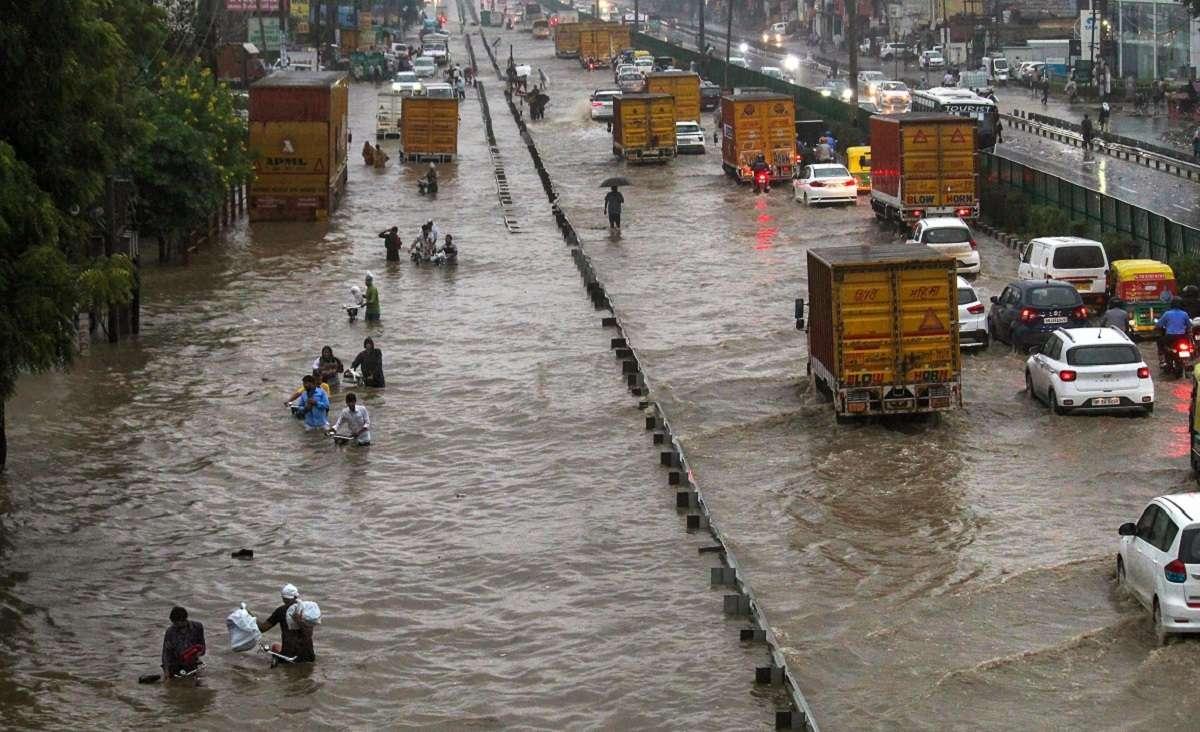
The India weather forecast indicates significant changes in weather patterns as the monsoon season progresses. The Indian Meteorological Department (IMD) has issued orange warnings for heavy rainfall across key regions, particularly Assam and Meghalaya, with expectations of severe conditions spilling over into parts of North East India. Alongside these rain alerts, thunderstorms in India are forecasted, particularly affecting the northwestern states and coastal regions. As citizens prepare for the predicted downpours and potential thunderstorms, it’s essential to stay updated with the latest monsoon updates and IMD weather warnings to ensure safety. Overall, the upcoming days promise a dynamic and active weather scenario as the rains make their presence felt across the country.
As the monsoon season unfolds, the climatic situation in India is expected to shift dramatically, with the IMD forecasting turbulent weather patterns. Heavy precipitation will impact various terrains, especially in the northeastern states and areas like Bihar and Kerala. Citizens should keep an eye on the latest developments concerning thunderstorms and weather alerts, as the atmosphere becomes charged with the potential for thunderstorms across multiple regions. This surge in rainfall and storm activity is vital for agriculture but also calls for preparedness among the public. Staying informed through weather updates can help mitigate risks associated with the season’s volatile nature.
Upcoming Weather Alerts from IMD
The India Meteorological Department (IMD) has issued a crucial orange warning for several regions, particularly targeting Assam and Meghalaya, where heavy to very heavy rainfall is expected. This weather advisory underscores the impact of the monsoon season, which has recently intensified across various parts of North East India. The IMD has also indicated that other regions such as Bihar, Kerala, and Odisha will experience significant rainfall, intensifying the necessity for residents to remain vigilant during this period.
Weather alerts play a vital role, as they allow citizens to prepare for imminent climate changes. The IMD’s warnings regarding heavy rainfall in India, especially at this time of year, are crucial for farmers, travelers, and local authorities. Utilizing these alerts helps mitigate risks associated with flooding and waterlogging, which are common in many affected areas during the monsoon. Staying informed through IMD updates ensures that communities can respond promptly to safeguard lives and property.
Monsoon Updates Across India
As the Southwest Monsoon further progresses, it has now encompassed various regions including the northwest Bay of Bengal and parts of West Bengal and Jharkhand. The IMD’s real-time monitoring is crucial in providing timely monsoon updates, helping to track patterns of rainfall and forecasting potential impacts on local ecosystems and agriculture. This continuous flow of information aids in strengthening preparedness efforts across states experiencing the brunt of the rainy season.
The significance of these monsoon updates cannot be overstated, as they not only inform the public but also guide local governments in resource allocation and emergency readiness. With heavy rainfall expected in states like Kerala and Odisha, understanding the trends and forecasts ensures effective management of potential disruptions. Enhanced communication about the weather can lead to better community responses during their annual challenges posed by rainfall and flooding.
Thunderstorms and Weather Conditions Across Northern India
In a broader context, the IMD has also forecasted thunderstorms, accompanied by lightning and strong winds, affecting areas such as Delhi, Haryana, and Punjab. These storms are characteristic of India’s monsoon behavior and can lead to sudden weather changes, calling for enhanced awareness among residents. Individuals living in these regions should remain cautious as thunderstorms pose risks like power outages and localized flooding.
The potential for thunderstorms in India is a critical aspect of the monsoon forecast. The IMD is actively monitoring conditions to provide timely updates to the public. Residents should ensure they are prepared for sudden changes in weather, which can be accompanied by strong winds and heavy rainfall. Being aware of the upcoming weather conditions not only aids individuals in planning effectively but also helps minimize disruptions to day-to-day activities.
Weather Conditions Shaping North East India
North East India is experiencing dynamic weather patterns as it braces for heavy rainfall and possible flooding as indicated by the IMD forecasts. The particular emphasis on states like Assam and Meghalaya hints at the geological vulnerabilities in these areas, making them prone to landslides and water runoff. Consequently, locals and travelers should stay informed about these conditions to prioritize safety.
The impacts of heavy rainfall in North East India extend beyond immediate weather challenges; they also influence agriculture, infrastructure, and daily life. Communities must adapt to these seasonal disturbances, implementing both short-term safety measures and long-term strategies to mitigate risks from heavy rainfall and its associated effects. Awareness of weather forecasts can help local populations plan agricultural activities and manage their resources effectively during the monsoon.
Delhi Weather Forecast for Tomorrow
Tomorrow’s weather forecast for Delhi indicates a partly cloudy sky with maximum temperatures ranging between 36 to 38 degrees Celsius. While the city prepares for these soaring temperatures, it is also mindful of possible thunderstorms predicted to sweep through various regions. Residents are advised to stay hydrated and take necessary precautions if they plan to step out during peak heat hours.
The predicted minimum temperature in Delhi of around 22 to 24 degrees Celsius provides a bit of relief in the evening. However, the unpredictability of thunderstorms suggests that individuals should make contingency plans for sudden weather changes. The IMD frequently provides updates on weather patterns, which can be helpful for scheduling outdoor activities and ensuring safety amidst fluctuating temperatures and potential storms.
IMD Weather Warnings Overview
The IMD weather warnings serve as a vital resource for citizens to anticipate and prepare for harsh weather. With the issuance of orange warnings in crucial regions across India, especially North East India, residents are encouraged to heed these alerts and understand their potential impact. The timely dissemination of information can significantly reduce risks associated with heavy rains and floods.
Tracking IMD weather warnings allows communities to mobilize necessary resources and respond effectively to emerging situations. This proactive approach can prevent loss of property and ensure the safety and well-being of residents, demonstrating the essential role of governmental agencies in climate monitoring and community protection.
Impacts of Heavy Rainfall in Monsoon Season
Heavy rainfall during the monsoon season can have profound effects on various sectors, particularly agriculture. As the IMD warns of impending downpours, farmers must stay informed to protect crops and manage their fields effectively. Understanding expected rainfall patterns enables better decision-making regarding irrigation and harvesting.
In addition to agriculture, heavy rainfall in India can lead to infrastructure challenges such as waterlogging and disruptions in transportation. City planners and local authorities must remain vigilant to rapidly respond to flood conditions to protect urban populations. The cyclical patterns of heavy rainfall underscore the need for comprehensive disaster management strategies throughout the monsoon season.
Thunderstorm Preparedness in India
As thunderstorms are currently forecasted across various regions, understanding preparedness measures becomes paramount. The IMD’s latest updates on thunderstorms in India emphasize safety protocols for individuals living in affected areas. Authorities recommend seeking shelter during storms and staying indoors, ensuring safety from strong winds and potential lightning.
Communicating awareness about thunderstorms can significantly reduce injuries and mishaps associated with sudden weather changes. Municipal and local agencies should work collaboratively to inform communities about the implications of thunderstorm warnings and provide resource tools to help people respond effectively. As rainfall increases during the monsoon, efforts to educate the public about thunderstorms can enhance overall safety and security.
Regional Variations in Weather Patterns
India’s vast geography leads to significant variations in weather patterns across regions. The IMD regularly updates forecasts that highlight these differences, from the coastal rainfalls of Kerala to the thunderstorms in North India. Understanding these regional variances is essential for local authorities to deploy resources effectively during heavy rainfall periods.
These regional variations also affect agricultural practices throughout the country. Farmers across different states rely on accurate weather predictions to plan their crop cycles strategically. By staying informed about local weather variations and forecasts, they can maximize productivity and minimize risks associated with heavy rainfall and flooding.
Frequently Asked Questions
What are the latest IMD weather warnings for heavy rainfall in India?
The India Meteorological Department (IMD) has issued an orange warning for heavy to very heavy rainfall in Assam and Meghalaya tomorrow. Other regions set to experience significant rainfall include parts of North East India, Bihar, Kerala, Mahe, Odisha, and Sub Himalayan West Bengal.
How is the southwest monsoon affecting the India weather forecast this week?
The southwest monsoon has advanced into the entire northwest Bay of Bengal and additional areas of West Bengal, Bihar, and parts of Odisha and Jharkhand, enhancing the India weather forecast with expectations of heavy rainfall in these regions.
What thunderstorms in India should I be aware of this week?
Thunderstorms accompanied by lightning and strong winds are forecasted in Delhi, Haryana, Chandigarh, Punjab, Uttarakhand, Uttar Pradesh, Konkan, and Goa. Additionally, similar patterns are expected in the Andaman and Nicobar Islands, Jammu & Kashmir, Tamil Nadu, Puducherry, Karaikal, and Chhattisgarh over the next few days.
What are the monsoon updates for North East India?
The latest monsoon updates indicate that heavy rainfall is expected in North East India, particularly in Assam and Meghalaya, with an orange warning issued by the IMD. The rainfall may also impact other nearby regions, emphasizing the need for caution.
What temperatures can I expect in Delhi according to the India weather forecast?
Tomorrow, the India weather forecast for Delhi predicts a partly cloudy sky with maximum temperatures ranging from 36 to 38 degrees Celsius and minimum temperatures between 22 to 24 degrees Celsius.
What weather conditions are anticipated in Rajasthan and Madhya Pradesh?
The IMD has identified expectations of thundersquall conditions in Rajasthan and Madhya Pradesh tomorrow, so residents should stay updated with the latest IMD weather warnings.
| Region | Weather Forecast | Temperature (°C) |
|---|---|---|
| Assam and Meghalaya | Heavy to very heavy rainfall | N/A |
| North East India, Bihar, Kerala, Mahe, Odisha, Sub Himalayan West Bengal | Heavy rainfall | N/A |
| Delhi | Partly cloudy with thunderstorms | 36-38 (max), 22-24 (min) |
| Delhi, Haryana, Chandigarh, Punjab, Uttarakhand, Uttar Pradesh, Konkan, Goa | Thunderstorms, lightning, strong winds | N/A |
| Andaman and Nicobar Islands, Jammu & Kashmir, Tamil Nadu, Puducherry, Karaikal, Chhattisgarh | Similar weather conditions anticipated | N/A |
| Rajasthan, Jharkhand, Madhya Pradesh | Thundersquall conditions | N/A |
Summary
The India weather forecast indicates significant meteorological activity across the country, particularly with heavy rainfall expected in Assam, Meghalaya, and parts of North East India. The Southwest Monsoon has made substantial progress, impacting regions such as Bihar and Odisha. Residents of Delhi should prepare for thunderstorms and fluctuating temperatures, while other regions will also experience heavy precipitation and strong winds. Regular updates should be monitored as the weather patterns develop over the coming days.