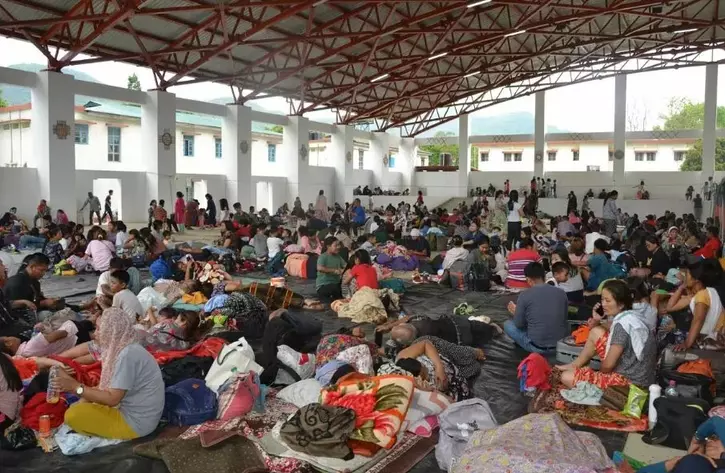
Mizoram refugee aid has become a focal point of humanitarian efforts in India as the state grapples with the influx of nearly 40,000 refugees from Myanmar and Bangladesh. To address the pressing needs of these vulnerable populations, the Centre has pledged ₹10 crore worth of rice aid for refugees, significantly easing their food security concerns. Chief Minister Lalduhoma highlighted the dire humanitarian challenges faced in accommodating these displaced individuals during his discussions with Union Home Minister Amit Shah. The importance of Mizoram humanitarian support is underscored as community ties strengthen among those displaced, including the Kuki-Zo from Manipur and the Chin people from Myanmar. These government initiatives not only aim to provide immediate relief but also to foster a sense of belonging and stability within the region.
Assistance for the refugee crisis in Mizoram emerges as a critical area of focus as the state becomes a sanctuary for thousands fleeing conflict and persecution. The recent commitment to deliver ₹10 crore in rice to support food needs underscores the urgent responsiveness of authorities addressing the plight of those affected. The ongoing crisis has ignited considerable discourse surrounding Myanmar refugees in India and the implications for local communities. Additionally, the plight of Bangladesh asylum seekers seeking safety in Mizoram amplifies the necessity for effective humanitarian strategies. Collaboration between local and national governments is essential in navigating these complex challenges while ensuring the welfare and dignity of all affected individuals.
Mizoram Refugee Aid: A Lifeline for Displaced Families
The Mizoram government plays a pivotal role in providing essential support to thousands of refugees from Myanmar and Bangladesh, particularly through initiatives like the recent ₹10 crore rice aid announced by the Centre. This substantial donation is expected to cater to the pressing food needs of nearly 40,000 refugees currently residing in the State. Many of these individuals have fled conflict and turmoil, seeking refuge in Mizoram where they find a sense of community and safety. The provision of rice aid not only addresses immediate nutritional requirements but also symbolizes the extending hand of humanitarian support amidst dire circumstances.
Local authorities and community organizations in Mizoram have been actively involved in distribution efforts, ensuring that the rice reaches the most vulnerable populations, including the elderly and families with children. This initiative reflects the State’s commitment to humanitarian values and underscores the importance of solidarity in addressing the challenges faced by refugees. Additionally, the collaboration between Mizoram’s leadership and the central government illustrates a coordinated effort to tackle humanitarian crises, demonstrating that even in times of distress, collective action can yield significant benefits.
Humanitarian Challenges Faced by Myanmar Refugees in Mizoram
The influx of over 28,000 Myanmar nationals into Mizoram since the military coup in early 2021 has sparked significant humanitarian challenges. As these individuals adjust to their new environment, they contend with issues such as inadequate housing, healthcare accessibility, and the ongoing search for livelihood opportunities. The Mizoram government, alongside local NGOs, has made strides in addressing these issues, but the scale of the refugee crisis continues to put a strain on available resources. The call for continuous support from the Central Government is crucial to meet the growing demands of these displaced populations.
Moreover, the ethnic ties that the refugees share with the native Mizo community often lead to a compassionate response from locals. However, there are still cultural and logistical hurdles to overcome to facilitate better integration and support systems. Ensuring access to education and vocational training for refugees is critical for their long-term adaptation and self-sufficiency. As Mizoram navigates these complex humanitarian challenges, it becomes imperative for national and international organizations to lend their assistance in creating sustainable solutions for both refugees and the host communities.
Mizoram Government Initiatives to Support Refugees
The Mizoram government has launched multiple initiatives aimed at supporting the substantial refugee population amid ongoing conflicts in neighboring countries. The recent announcement of ₹10 crore in rice aid is just one example of the proactive measures being taken to alleviate food insecurity among these displaced individuals. Additionally, the state has been working to enhance healthcare services for refugees, recognizing the urgent need for medical assistance for those traumatized by violence and conflict.
Beyond immediate relief, the government’s strategic plans include long-term support structures designed to help refugees stabilize their lives within the community. This encompasses partnerships with NGOs to provide psychological support, language training, and skills development programs. These efforts not only benefit the refugees but also contribute to the richer cultural tapestry of Mizoram, reinforcing communal bonds and fostering understanding between diverse groups. The dedication shown by the Mizoram government highlights the importance of comprehensive support systems in addressing the multifaceted needs of refugees.
Addressing the Needs of Bangladesh Asylum Seekers in Mizoram
With the fate of around 2,300 asylum seekers from Bangladesh’s Chittagong Hill Tracts closely intertwined with that of the Mizo community, understanding their unique circumstances is essential. Many of these individuals belong to the ethnic Bawm tribe and fled due to military offensives against ancestral groups. Their arrival has introduced further dimensions to the refugee landscape in Mizoram, necessitating tailored responses from the local government and humanitarian organizations.
Efforts are underway to create a supportive environment for Bangladeshi asylum seekers, which includes access to food, shelter, and cultural integration activities. Community-driven initiatives help facilitate dialogue and understanding between the Bawm and Mizo populations, which can ease tensions and promote coexistence. Moreover, continuous advocacy for humanitarian assistance from the government is vital to ensure adequate resources are allocated to meet the specific needs of these asylum seekers.
The Role of Community Support in Refugee Integration
Community support is vital in the integration process for refugees in Mizoram. Local organizations, volunteers, and everyday citizens play a fundamental role in providing assistance, ranging from food distribution to emotional support. This grassroots approach not only helps refugees feel welcome but also empowers the local population to actively participate in humanitarian efforts. Such communal engagement fosters a deeper understanding and appreciation of diverse cultures, contributing to social cohesion.
Furthermore, local businesses and residents often contribute to fundraising efforts to secure additional resources for refugees, enhancing their quality of life. While government initiatives, such as the ₹10 crore rice aid, lay the groundwork for humanitarian aid, it is the unwavering support from the community that truly enriches the lives of displaced individuals. Both refugees and locals benefit from shared experiences that promote resilience and collaboration in the face of adversity.
Educational Opportunities for Refugees in Mizoram
Access to education is a crucial factor in the successful integration of refugees in Mizoram. The state has been working towards providing educational opportunities for children and youth among the refugee population. Making educational resources available can significantly improve the long-term prospects for these young individuals, giving them the tools they need to build a future free from conflict. Initiatives aimed at establishing temporary schools and supplemental educational programs are essential in bridging the educational gap that many refugees face.
Moreover, educational initiatives can also serve as platforms for cultural exchange, where both refugee children and local Mizo students learn about each other’s traditions and histories. This mutual understanding fosters a sense of belonging and helps dismantle stereotypes, paving the way for more harmonious community relations. With continued support from governmental and non-governmental organizations, the journey towards inclusive education for refugees can transform lives and invigorate the host community.
Healthcare Accessibility for Refugees in Mizoram
Healthcare accessibility remains a significant challenge for many refugees residing in Mizoram. Given the trauma and physical ailments often faced by displaced individuals, it is paramount that the Mizoram government expands healthcare services to cater to their specific needs. Recent initiatives have aimed to enhance medical facilities and outreach programs, ensuring that refugees receive essential healthcare without barriers. This includes collaboration with local NGOs to provide primary healthcare, maternal health services, and mental health support.
In addition to immediate healthcare needs, ongoing initiatives emphasize preventative care through health education and immunization programs. These efforts are vital in equipping refugees with the knowledge they need to maintain their health, thereby reducing the burden on local healthcare systems. By addressing healthcare barriers, Mizoram not only supports the well-being of refugees but also fosters a healthier community overall, illustrating the interconnectedness of health and social integration.
Long-Term Solutions for Refugee Support in Mizoram
While immediate aid like the ₹10 crore rice assistance is beneficial, it is equally important to discuss long-term solutions for supporting the refugee populations in Mizoram. A holistic approach should encompass sustainable livelihood programs, legal assistance, and pathways to citizenship or residency for those wishing to permanently settle. By creating frameworks that help individuals gain skills and find job opportunities, the state can empower refugees and encourage economic independence.
Additionally, engaging in dialogue with both the Central Government and international organizations can facilitate the development of comprehensive policies that address the complexities of the refugee situation. Long-term support strategies must also involve local communities, integrating them into the planning and implementation processes. For Mizoram, this could mean creating a model for refugee support that promotes dignity, self-sufficiency, and strengthens social bonds, ultimately ensuring a cooperative coexistence among diverse populations.
Contributions of NGOs in Supporting Refugees
Non-Governmental Organizations (NGOs) have been instrumental in supporting the refugee population in Mizoram. They often fill gaps where government resources may fall short, providing services such as food distribution, healthcare, and legal assistance. The collaboration between NGOs and local authorities has proven to be vital in addressing the humanitarian needs of refugees quickly and efficiently. Such partnerships enhance the scope of support available, ensuring that as many refugees as possible receive timely assistance.
In addition to immediate aid, many NGOs focus on empowerment through skill development and vocational training programs. This type of support helps refugees to integrate into the local economy and become self-reliant. Furthermore, NGOs also advocate for the rights of refugees, ensuring that their voices are heard in discussions regarding policy changes. As Mizoram continues to navigate the complexities of hosting large numbers of refugees, the role of NGOs will remain crucial in facilitating comprehensive and sustainable support.
Frequently Asked Questions
What is the recent rice aid for refugees in Mizoram?
The Centre has announced a rice aid worth ₹10 crore to support approximately 40,000 refugees in Mizoram, including individuals from Myanmar and Bangladesh, as well as those displaced from Manipur. This initiative aims to address the growing humanitarian needs faced by these communities.
How many Myanmar refugees are currently in Mizoram?
Mizoram is currently sheltering over 28,000 Myanmar nationals, primarily from Chin state, who sought refuge following the military coup in Myanmar that began in February 2021.
What humanitarian support is being provided for displaced people in Mizoram?
The Mizoram government, alongside support from the Centre, is providing humanitarian assistance, including a recent ₹10 crore rice aid initiative, to support various refugee groups including Myanmar refugees, Bangladesh asylum seekers, and people displaced from Manipur.
How does the Mizoram government assist Myanmar refugees and asylum seekers?
The Mizoram government has been actively working to accommodate Myanmar refugees and asylum seekers by implementing various humanitarian initiatives, such as providing food assistance, medical care, and shelter to those residing in the state.
What challenges does Mizoram face concerning Myanmar refugees and asylum seekers?
Mizoram is facing significant humanitarian challenges in accommodating nearly 40,000 refugees, which includes addressing the urgent needs for food, shelter, and medical assistance for the diverse groups of Myanmar nationals and other asylum seekers.
What initiatives are in place for Bangladesh asylum seekers in Mizoram?
The Mizoram government has recognized the situation of around 2,300 Bangladesh asylum seekers from the Chittagong Hill Tracts and is working on humanitarian support, including food aid and shelter, to assist these individuals amidst ongoing regional conflicts.
How is the Central government involved in Mizoram refugee aid?
The Central government has pledged ₹10 crore in rice aid as part of its response to the humanitarian challenges identified by Mizoram’s Chief Minister, emphasizing collaborative efforts to assist the large number of refugees currently sheltered in the state.
What actions are encouraged to further support Mizoram refugee aid?
The Mizoram government is encouraged to submit comprehensive project proposals under schemes like PM-DeVINE to secure additional funding for improving security and humanitarian support for refugees, contributing to a more effective aid strategy.
What are the ethnic ties between Mizoram residents and the refugees?
The majority of the refugees in Mizoram, including those from Myanmar’s Chin state and Bangladesh’s Bawm tribe, share close ethnic ties with the local Mizo community, fostering a shared cultural understanding and support within the region.
How does the humanitarian crisis in Mizoram impact local communities?
The influx of nearly 40,000 refugees, including Myanmar nationals and others, presents both humanitarian challenges and opportunities for local communities in Mizoram to band together in support of their ethnic relatives, addressing food security and related needs.
| Key Points |
|---|
| The Centre to provide ₹10 crore worth of rice aid |
| Aid will support nearly 40,000 refugees from Myanmar, Bangladesh, and Manipur |
| Discussion initiated by Mizoram Chief Minister Lalduhoma with Union Home Minister Amit Shah |
| 28,000 Myanmar nationals seeking refuge since February 2021 |
| 2,300 Bangladeshi asylum seekers due to military operations in 2022 |
| 7,000 Kuki-Zo people displaced by ethnic violence in 2023 |
| Call for additional funding under Security Related Expenditure scheme |
| Encouragement to submit project proposals under PM-DeVINE Scheme |
Summary
Mizoram refugee aid is a critical response to the humanitarian crisis faced by thousands of refugees currently residing in the state. The recent announcement of a ₹10 crore rice aid from the Centre highlights the urgent need to support nearly 40,000 people from Myanmar and Bangladesh, as well as displaced individuals from Manipur. This assistance is a positive step towards alleviating the food shortages these vulnerable populations face and reflects the Government of India’s acknowledgment of the challenges Mizoram encounters in caring for these refugees. Continued support and funding are essential to ensure their well-being and safety.