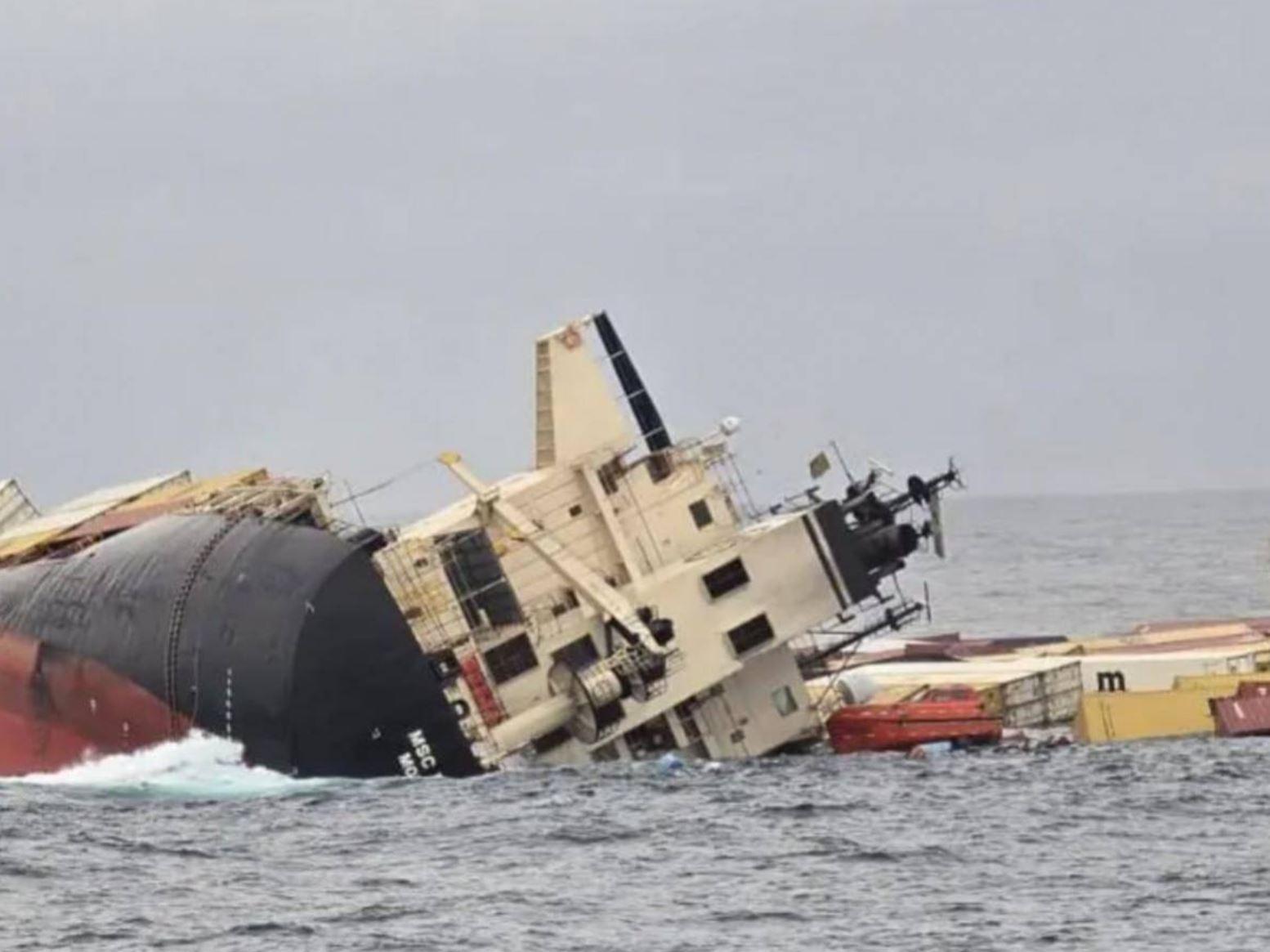
On Sunday, the tragic incident of the Virat 1 sinking struck a chord across the maritime community as the India-flagged vessel succumbed to a mechanical failure off the coast of Oman. This unforeseen disaster prompted a swift and extensive rescue operation, mobilizing Omani authorities alongside the US Navy and nearby commercial ships. News of the MSV Virat 1 incident dominated headlines, highlighting not only the vessel’s plight but also the international response to maritime emergencies. As the search efforts unfolded, the focus shifted to the causes behind the India ship sinking, raising important questions about safety protocols in the shipping industry. The Virat 1 vessel news reminds us of the risks inherent to sea travel and the collaborative efforts required for effective rescues in such situations.
The recent maritime emergency involving the Virat 1 has brought attention to the challenges associated with mechanized vessels in treacherous waters. After suffering a critical mechanical failure, the ship tragically sank, leading to a remarkable coordination of rescue efforts by various international entities, including the US Navy. Speculations about the factors contributing to the sinking of the India-flagged Virat 1 have sparked discussions about the broader implications for maritime safety. As the Oman rescue operation unfolded, the quick response from nearby commercial vessels illustrated the importance of preparedness in avoiding disasters at sea. This incident serves as a stark reminder of the unforeseen dangers that can threaten maritime journeys.
Virat 1 Sinking: An Overview of the Incident
On Sunday, the India-flagged mechanised sailing vessel (MSV) Virat 1 tragically sank off the coast of Oman following a critical mechanical failure. This incident has raised significant concerns regarding maritime safety, as the MSV Virat 1 was engaged in commercial activities when disaster struck. Many sailors and local authorities are now examining the circumstances that led to this sinking, highlighting the pressing need for stringent safety protocols and regular maintenance checks for similar vessels.
The sinking of the Virat 1 has not only had implications for the crew and their families but has also drawn attention from various maritime organizations and governments. The urgency of rescue operations was amplified as multiple agencies, including the US Navy and Omani officials, responded promptly to the distress signals. Their coordinated efforts underscored the importance of international cooperation in maritime emergencies, ensuring that operations like the Oman rescue effort are swift and effective.
The Broader Impact of the MSV Virat 1 Incident on Maritime Safety
The mechanical failure that caused the MSV Virat 1 to sink has raised alarms in the shipping industry, emphasizing the necessity for enhanced monitoring systems on vessels. Incidents similar to the sinking of the India ship highlight the vulnerabilities that many mechanised sailing vessels face due to outdated equipment or insufficient inspections. To prevent further tragedies, stakeholders in maritime safety are called to establish thorough regulatory measures that address these critical issues.
In the wake of the Virat 1 incident, discussions surrounding the reliability of mechanical systems on ships have gained momentum. Shipping companies are now urged to adopt advanced technologies for real-time monitoring of vessel performance, potentially reducing the risks of mechanical failures. The goal is to foster a safer maritime environment for those who work at sea, reinforcing the commitment to protecting both the lives of crew members and the integrity of marine operations.
Oman Rescue Operation: Responding to the Crisis of the Virat 1
The rescue operation for the MSV Virat 1 was commendably led by Omani authorities, showcasing their preparedness to handle maritime emergencies. When the call for help was made, swift action was taken, illustrating the effectiveness of the Oman rescue operation protocols. Various maritime agencies, including the U.S. Navy, participated in this critical mission, demonstrating the collaborative nature of such emergencies in international waters.
The involvement of nearby commercial vessels also played a crucial role in the rescue efforts. These ships, familiar with the waters, can provide immediate assistance during emergencies such as the sinking of the Virat 1. This incident highlights the interconnectedness of maritime operations, as minor vessels contribute significantly to large-scale rescue missions, effectively bridging the gap between authorities and urgent humanitarian responses.
Significance of Mechanical Failures in Maritime Incidents
Mechanical failures are a leading cause of maritime incidents, emphasizing the need for regular maintenance and updates of ship systems. The sinking of the Virat 1 serves as a stark reminder of the potential consequences of neglecting these crucial safety measures. Such incidents can lead to loss of life, environmental damage, and significant economic repercussions for shipping companies.
To mitigate the risks associated with mechanical failures, the maritime industry must invest in innovative technologies and training for crew members. Enhanced training programs focused on emergency procedures and technical competencies can significantly improve response times during crises, thereby reducing the chances of similar accidents in the future. The need for a cultural shift towards emphasizing safety and operational excellence in the maritime sector is more pressing than ever.
Implications for Crew Safety and Wellbeing Post Incidents
The aftermath of incidents like the Virat 1 sinking poses serious challenges for the mental and physical wellbeing of crew members. Survivors of maritime disasters often encounter psychological distress and trauma, requiring immediate support and resources to help them cope. Shipping companies must acknowledge these post-incident implications and prioritize the mental health of their crew.
Moreover, effective communication during and after crisis situations is critical. Providing clear and concise information to crew members can alleviate anxiety and promote a sense of security, even in the wake of a disaster. Additionally, establishing robust support systems—including counseling and medical assistance—can greatly enhance the resilience of maritime workers, integrating a holistic approach to crew safety and wellbeing.
Navigating Future Maritime Regulations: Lessons from the Virat 1
The sinking of the MSV Virat 1 calls for a reevaluation of maritime regulations and standards pertaining to vessel safety. It serves as a crucial case study for policymakers aiming to improve existing guidelines in response to increasing maritime incidents globally. Enhancing regulatory frameworks and adopting lessons learned can significantly contribute to safer navigation and operations at sea.
Furthermore, collaboration between nations to develop unified safety standards can enable a more cohesive approach to maritime regulations. Such efforts could ensure that vessels like the Virat 1 are equipped to handle adverse conditions and mechanical failures more effectively. This incident provides an important opportunity to foster discussions on global maritime safety practices that can ultimately save lives and protect marine environments.
Community Initiatives Supporting Maritime Safety Awareness
In the wake of the Virat 1 sinking, community initiatives aimed at raising awareness about maritime safety are increasingly important. Educational programs designed to inform both the public and those in the shipping industry about the risks and safety measures associated with maritime operations can lead to enhanced awareness and vigilance. Grassroots movements focusing on safe sailing practices and emergency preparedness can empower local communities involved in maritime activities.
Engaging local fishermen and maritime workers in safety drills is essential for fostering a culture of preparedness. By incorporating hands-on training and simulations, these initiatives can illustrate the importance of immediate response during emergencies and equip individuals with the knowledge they need to act decisively in critical situations. This collaborative effort not only aids in mitigating risks but also strengthens community ties, reinforcing a shared commitment to safety at sea.
The Role of Technology in Preventing Future Sinking Incidents
Advancements in maritime technology present innovative solutions for addressing mechanical failures, which could prevent disasters like the sinking of the Virat 1. The integration of sensors and automated systems on vessels can provide continuous monitoring of ship performance, flagging potential issues before they escalate into catastrophic failures. The growth of predictive maintenance technology allows for proactive servicing, ultimately enhancing the safety of maritime operations.
In addition to mechanical improvements, training crew members in the use of new technologies is paramount. A well-informed crew not only understands how to operate complex systems but is also better equipped to manage emergencies should they arise. Emphasizing education around emerging technologies in the shipping industry can create a more resilient workforce, contributing to overall safety improvements and fostering a proactive safety culture.
International Cooperation in Maritime Rescue Operations: The Case of MSV Virat 1
The international response to the sinking of the Virat 1 highlights the critical role of cooperation in maritime rescue operations. In this incident, various countries mobilized their naval resources and expertise, reflecting a collective effort to tackle the challenges posed by maritime emergencies. Such collaboration is essential in navigating the complexities of international waters and ensuring that help reaches those in need expeditiously.
Collaboration among navies and maritime organizations can lead to the establishment of more efficient rescue protocols, shared resources, and joint training exercises. As incidents like the Virat 1 sinking underscore the unpredictability of maritime challenges, enhanced international readiness can ultimately save lives and improve outcomes during crises at sea. This interconnected approach paves the way for future cooperation, fostering a global commitment to maritime safety.
Frequently Asked Questions
What caused the sinking of the Virat 1 vessel off the coast of Oman?
The India-flagged mechanised sailing vessel (MSV) Virat 1 sank due to a mechanical failure. This incident prompted a significant rescue operation involving Omani authorities, the US Navy, and nearby commercial vessels to assist those on board.
| Key Points |
|---|
| The India-flagged mechanised sailing vessel (MSV) Virat 1 sank offshore in Oman due to a mechanical failure. |
| The incident prompted a major rescue operation involving Omani authorities and the US Navy. |
| Nearby commercial vessels also participated in the rescue efforts. |
Summary
Virat 1 sinking marked a significant maritime incident as the India-flagged mechanised sailing vessel succumbed to a mechanical failure off the coast of Oman. The challenges faced during this event highlighted the collaboration between various maritime agencies and military forces, such as the Omani authorities and the US Navy, which undertook a major rescue operation. This incident serves as a reminder of the potential dangers presented by the sea and the importance of efficient emergency responses. The involvement of nearby commercial vessels further emphasizes the collective effort in maritime safety. As such, the sinking of Virat 1 is not only a story of tragedy but also of resilience and teamwork in the face of adversity.