

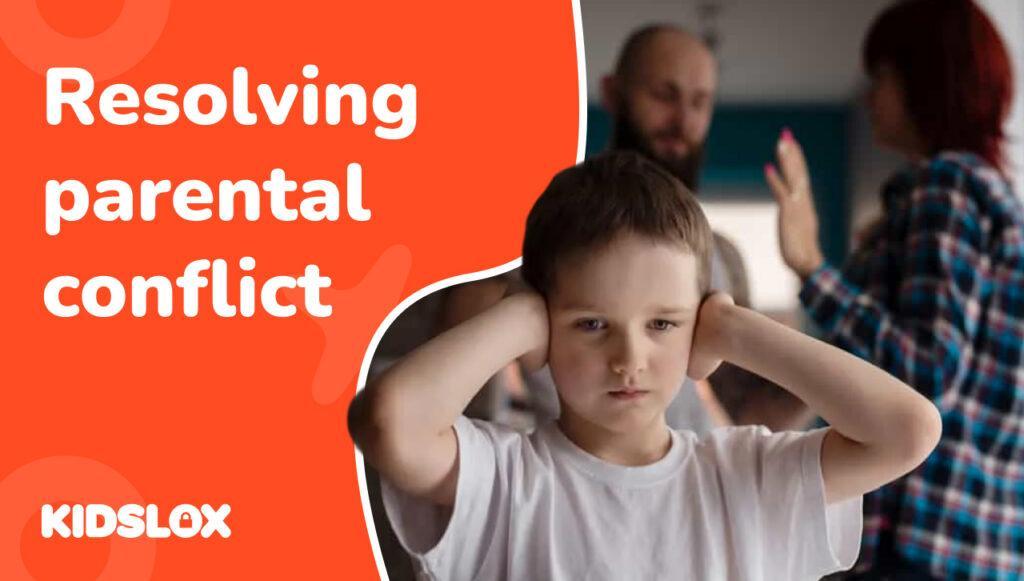
The impact of sharing marital problems on children can be profound and long-lasting. When parents confide in their kids about their conflicts, they often unintentionally place an emotional burden on them. Children are not equipped to handle adult issues, and as they overhear parental conflicts, they may begin to feel responsible for fixing problems that are beyond their control. This dynamic can lead to heightened anxiety about the future and strain their understanding of healthy relationships. Consequently, the effects on child development can manifest in various ways, shaping how they navigate their own future relationships and emotional well-being.
Exploring the effects of divulging relationship troubles to children reveals the nuanced challenges that arise in parenting during conflicts. By openly discussing marital issues, adults may unknowingly create an environment where children feel caught between their parents, leading to unnecessary emotional strain. This phenomenon not only increases the children’s emotional burden but can also skew their perception of intimacy in future partnerships. Understanding the implications of such dialogues provides insight into better parenting practices that safeguard children’s mental health after conflict. Ultimately, recognizing and minimizing the impacts on child development can foster healthier family dynamics.
The Emotional Burden of Marital Problems on Children
Marital conflicts can leave profound emotional scars on children who are often incapable of processing adult issues. When parents share their marital problems, kids unwittingly become emotional sponges absorbing distress that is beyond their understanding. This can lead to feelings of confusion and guilt, as children may believe they have a role to play in resolving their parents’ troubles. Overhearing parental conflicts often results in them feeling responsible for mending these relationships, which can create an unnecessary emotional burden that weighs heavily on their young shoulders.
Furthermore, the nature of these marital discussions may skew the children’s perception of healthy relationships. Instead of witnessing constructive conflict resolution, they might internalize patterns of blame, anger, and sadness. This can distort their understanding of what love and partnerships should be, setting a potentially devastating precedent for their future interactions in romantic relationships. The impact of sharing marital problems on children can shape their emotional frameworks and peer relationships throughout their development.
Anxiety and Uncertainty in Children’s Lives
Children exposed to marital strife often experience heightened anxiety about the stability of their home life. Even if parents attempt to shield their kids from the worst of their conflicts, children are exceptionally perceptive. They can sense tension, silences, and unspoken words, which creates a backdrop of uncertainty. This anxiety can manifest in various ways, from difficulty concentrating in school to an inability to form healthy attachments with peers. When the home environment feels unpredictable, children may also find it challenging to engage in other relationships, perpetually worrying if they could end suddenly, mirroring their parents’ dynamic.
This anxiety can follow children into adulthood, influencing how they manage stress and conflict in their own relationships. The constant fear of instability may lead them to avoid deep connections or be overly apprehensive during disagreements, fearing the worst outcome. Moreover, the emotional burden of grappling with their parents’ conflicts can hinder their personal development and self-esteem, as they continuously battle internal narratives that blame themselves for their family’s discord.
Navigating Loyalty Conflicts in Parenting
For children, being caught in the middle of parental complaints can create an intense loyalty conflict. They often feel pressured to act as a mediator or take sides between two of the most important people in their lives. When one parent frequently airs grievances about the other, it places the child in a precarious position. They may unconsciously begin to view their love for one parent as an act of betrayal against the other, a dichotomy no child should be forced to navigate. This conflicting loyalty can lead to emotional isolation, with children sometimes suppressing their feelings and opinions to avoid upsetting either parent.
As children grow older and reflect on these experiences, they may develop complex feelings towards both parents. What could begin as a childhood perception of stability can evolve into resentment or confusion as they seek to establish their identities and values. This can complicate family dynamics and spoil long-term relationships, as children who feel responsible for navigating their parents’ conflicts may struggle to forge healthy, independent relationships in their future.
Long-Term Effects on Relationship Views
The foundational views that children develop about relationships often stem from their observations of their parents. If parental conflicts are characterized by harsh words and escalating tension, children inevitably take these experiences into their own adult relationships. They may come to view love as conditional or fraught with constant conflict. The fear of vulnerabilities becomes a barrier, leading to avoidance of deep connections or a propensity to panic at minor disagreements, fearing that conflict will always escalate to the end of a relationship.
These ingrained beliefs can affect their ability to trust in future partnerships, leading to patterns that replicate the unhealthy dynamics they witnessed as children. By normalizing conflict without resolution, children may begin to see discord as an inevitable aspect of intimacy. Recognizing these patterns is crucial for personal growth and requires conscious effort to break out of maladaptive behaviors into healthier patterns that foster trust and respect.
The Risks of Parental Oversharing
Children may not always voice discomfort about their parent’s decision to overshare marital struggles, but the ramifications can be profound. Initially, such disclosures might seem to foster closeness and trust, but over time, this can translate into feelings of burden. As children mature, many often reflect on these moments and realize that carrying emotional problems was not a role they were prepared to take on, leading to resentment towards the parent who leaned on them. This complex relationship dynamic can color their perspectives on closeness and vulnerability, potentially leading to withdrawal from emotional intimacy.
As adults, these individuals might find it difficult to share their own emotions with partners, fearing that they will inadvertently create burdens similar to those they once endured. This cycle perpetuates emotional isolation, as they may continuously choose to handle conflict internally rather than leaning on their partners, thereby missing out on healthy emotional exchange. Breaking this cycle of oversharing and emotional burden is crucial for fostering a healthy family environment where children learn balanced approaches to communication and relationship management.
Finding Healthy Outlets for Emotional Support
While parents need support during times of marital distress, children are not equipped to provide this emotional outlet. Seeking healthy alternatives such as discussing issues with trusted friends, family members, or mental health professionals can alleviate the pressure placed on children while still allowing parents to vent and process their feelings. By establishing boundaries on what they share with their children, parents can create a more nurturing environment where children feel safe to express themselves without the burden of adult troubles.
Engaging in open discussions about feelings can also encourage healthier emotional practices within the family. This might involve creating safe spaces where family members can discuss their emotions without blaming or criticizing one another. By modeling healthier communication strategies, parents can teach their children that it’s not only acceptable to express emotions but also crucial for maintaining balanced relationships. This investment in open communication can lead to healthier children who find it easier to establish their own identities free from the emotional burdens of their parents.
Establishing Boundaries in Family Communication
Setting clear boundaries in family communication can drastically minimize the negative impacts of marriage problems on children. Parents need to be mindful of what they share with their kids, maintaining a balance between transparency and emotional protection. By openly discussing the importance of respecting emotional boundaries, parents can help their children feel safe and secure, empowering them to express their own thoughts and emotions without fear of complicating adult issues.
Moreover, establishing boundaries can encourage a dynamic in which children learn to express their own emotional needs, allowing them to develop healthier coping strategies. This can ultimately foster a more supportive home environment where discussions are constructive and oriented towards understanding rather than blame. By prioritizing boundary-setting in communication, families can learn to navigate conflict in ways that promote connection rather than division.
Rebuilding Relationships After Conflict
After experiencing marital strife, rebuilding the relationships within a family is essential for healing. Parents must first recognize their responsibilities in creating a nurturing environment that fosters healthy communication and emotional expression in their children. This includes not just acknowledging the impact of their conflicts but actively working toward resolving these issues for the benefit of their family as a whole. By reaffirming their love and support for their children, parents can help alleviate some of the emotional burdens that children may have absorbed.
Furthermore, engaging in family therapy can provide an avenue for collective healing. Joint sessions with a trained professional can help each family member express their feelings in a safe space while also learning how to cope with and address underlying issues within the family. This process can ultimately lead to stronger bonds and better understanding among family members, paving the way for healthier, happier relationships in the future. Through intentional efforts, families can emerge stronger from conflicts, capable of building a more resilient and loving unit.
Frequently Asked Questions
What are the impacts of sharing marital problems on children?
Sharing marital problems with children can lead to significant emotional burdens. Kids may feel responsible for fixing parental conflicts, which can foster anxiety and a sense of helplessness. They often become trapped between their parents, causing them to struggle with loyalty and emotional distress. Furthermore, this exposure can negatively shape their perception of relationships in the future, leading to trust issues and unhealthy attachment styles. It’s important to recognize that children are not equipped to handle adult emotional conflicts, and parents should seek appropriate outlets for their frustrations.
| Key Point | Impact on Children |
|---|---|
| Emotional Responsibility | Children may feel they need to fix their parents’ problems, leading to stress and guilt. |
| Anxiety About Family | Hearing about marital issues can cause children to worry about family stability and future. |
| Parental Conflict | Children may feel caught in the middle of parental disagreements, leading to emotional strain. |
| Distorted Views on Relationships | Children often model their future relationships based on their parents’ interactions. |
| Resentment Towards Oversharing Parent | As children mature, they may feel burdened by the emotional load shared by a parent. |
Summary
The impact of sharing marital problems on children is profound and multifaceted. Children exposed to their parents’ conflicts often take on emotional burdens they are ill-equipped to handle, which can lead to a host of challenges in their emotional development. They may feel responsible for resolving issues that they cannot solve, leading to significant anxiety about future family stability. Additionally, they may find themselves caught between their parents, fostering feelings of conflict loyalty and confusion. Over time, these experiences shape their perception of relationships, often instilling fear and distrust in their future partnerships. Furthermore, children may develop resentment towards the parent who overshared, realizing, as adults, that they were unfairly burdened with adult issues. Parents must seek support through appropriate channels instead of involving their children in adult matters, ensuring a healthier emotional environment for their children.



























