

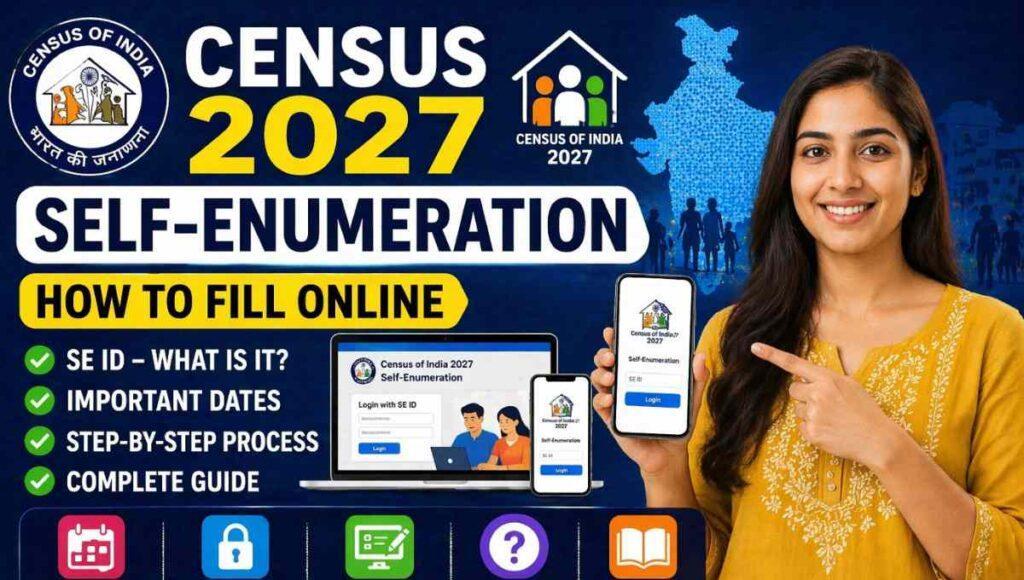
Census 2027 Nagaland is poised to become a landmark event as the state embarks on a transformative journey towards self-enumeration and digital innovation. Launched by the governor of Nagaland, this census under the banner “My Census My Development” empowers residents to actively participate in the enumeration process from June 16 to June 30, 2026. With a focus on inclusivity, the digital census Nagaland enhances the experience for citizens, allowing them to enumerate their households online for the very first time. This initiative not only aims for an accurate count but also aligns with India’s vision of Viksit Bharat 2047, where quality data fuels sustainable development. As Nagaland steps into this new era, the significance of Census 2027 cannot be overstated—it’s not just about numbers, but about shaping the future of the community.
The 2027 Census initiative in Nagaland marks a significant shift in how the state engages with its population, embracing technology and community-driven approaches. This census symbolizes a commitment to self-enumeration, allowing for greater ownership and accuracy in data collection. Through the digital platform, residents will experience a modernized way of participating in the census, which previously relied on traditional methods. The theme “My Census My Development” encapsulates the essence of this exercise—collective participation leading to meaningful progress and enhanced policy formulation. As the state moves towards its developmental goals envisioned for the year 2047, the role of detailed and accessible demographic data becomes increasingly vital.
Understanding the Significance of Census 2027 in Nagaland
The Census 2027 initiative in Nagaland marks a pivotal moment for the state and its residents. This nationwide effort is not merely about tallying the population; it’s a vital mechanism for guiding government policies and developmental priorities over the coming years. As the theme ‘My Census, My Development’ resonates throughout the state, citizens are encouraged to view this census as an opportunity to shape their community’s future by ensuring their households are accurately represented.
By actively participating in Census 2027, the people of Nagaland are engaging in an essential process that feeds into broader national goals like Viksit Bharat 2047. This long-term vision for India emphasizes sustainable development and improved living standards for all citizens, making the data collected during the census crucial for informed decision-making at both state and national levels.
The Benefits of Self-Enumeration for Residents of Nagaland
Self-enumeration in Census 2027 introduces a transformative approach that empowers residents of Nagaland. For the first time, individuals can enumerate their households online between June 16 and June 30, 2026, simplifying the data collection process. This digital format increases accessibility and allows individuals to provide accurate information directly, thus enhancing the reliability of the data collected.
Moreover, self-enumeration aligns with modern practices in governance, emphasizing transparency and citizen involvement. It motivates residents to ensure their voices are heard in the developmental narrative of Nagaland, contributing to informed policy-making that responds to the unique needs of the state’s populace.
Transitioning to a Digital Census: A New Era for Nagaland
With the launch of the Census 2027, Nagaland is ushering in a new era of data collection through digital means. Governor Nand Kishore Yadav has highlighted that this process will not only enhance efficiency but also ensure inclusivity. The transition to a digital census reflects a commitment to using technology to improve governance and service delivery, enabling the state to collect comprehensive data that is vital for planning.
Implementing a digital approach reduces the potential for errors and enhances the accuracy of the census data. This level of precision is vital for crafting targeted initiatives in sectors such as healthcare, education, and infrastructure, thus paving the way for effective social welfare programs tailored to the state’s demographic and socio-economic landscape.
Collective Participation: The Key to a Successful Census
The governor of Nagaland has encouraged collective participation among various community stakeholders, including tribal hohos, village councils, and local organizations. This collaborative approach is essential for the successful execution of Census 2027. By engaging these groups, the government aims to foster a sense of shared responsibility among citizens, promoting an inclusive environment where everyone understands the importance of their participation.
Such community involvement is crucial not only for ensuring accurate self-enumeration but also for nurturing a broader understanding of the census’s role in national development. The more individuals and organizations collaborate, the more effective the census process will be, ultimately benefiting the entire state as it strives towards comprehensive progress.
Census Data: Essential for Evidence-Based Policy Making
Census data plays an integral role in formulating evidence-based policies that address the needs of the population effectively. Governor Yadav has reinforced that the insights gathered during Census 2027 will equip governments with the tools necessary to improve service delivery across various sectors, from education to healthcare. Accurate and comprehensive data enables the state to identify gaps in services and prioritize initiatives that foster development.
Furthermore, this foundational data is pivotal as India moves toward achieving its vision of Viksit Bharat 2047. By understanding demographic trends and community needs, policymakers can implement strategies that promote growth and enhance the quality of life for all citizens in Nagaland.
The Role of Local Leaders in Promoting Census Participation
Local leaders and community figures play a crucial role in mobilizing residents for Census 2027. Their influence can encourage citizens to view the census not just as a governmental obligation but as a significant opportunity for self-advocacy and representation. By rallying support and raising awareness about the census initiative, these leaders can significantly enhance participation rates.
Additionally, when community leaders actively endorse the census, it helps build trust and encourages skepticism-free participation among citizens. Their involvement ensures that the message of the importance of accurate self-enumeration resonates well across different demographics, ultimately leading to a more inclusive census experience.
My Census, My Development: A Community-Focused Theme
The theme ‘My Census, My Development’ is not merely a slogan; it’s a rallying cry aimed at inspiring communal participation in the census process. This theme emphasizes that the census is about every individual and household contributing to the collective development of the state. Citizens in Nagaland are urged to embrace this theme by taking charge of their household enumeration, reflecting their commitment to community progress.
By adopting this mindset, residents can appreciate how their accurate representation in the census directly translates to better resource allocation and social infrastructure improvements. The focus on self-enumeration empowers community members, highlighting that their involvement is crucial in shaping their society’s future.
Digital Transformation and Its Impact on Census 2027
The shift to a fully digital Census 2027 represents a significant milestone in the evolution of data collection practices in Nagaland. This transformation not only aims to streamline the enumeration process but also enhance the overall accuracy and efficiency of data gathering. With this digital approach, Nagaland sets a contemporary precedent, aligning itself with global best practices in census activities.
This embrace of technology is likely to foster greater engagement among younger populations, who are more inclined to favor digital solutions over traditional methods. As citizens become more comfortable with online platforms, the potential for accurate data collection increases, which significantly benefits future planning and governance.
Preparing for the Census: What You Need to Know
As residents prepare for the Census 2027, it is essential to understand the significance of the self-enumeration period from June 16 to June 30, 2026. During this timeframe, citizens have the unique opportunity to provide their household information digitally, ensuring accuracy and completeness. Awareness campaigns led by local bodies will be crucial in informing individuals about the process and benefits of participating in the census.
Equipping citizens with knowledge about the importance of accurate data will undoubtedly enhance the overall effectiveness of the census. Residents should be informed about how their responses contribute to government policies that affect their daily lives, fostering greater transparency and accountability in governance.
Challenges and Solutions in Conducting Census 2027 in Nagaland
While the Census 2027 presents a host of opportunities, it also comes with its own set of challenges. Issues such as digital literacy and access to technology could hinder some communities from fully participating in the self-enumeration process. Identifying and addressing these barriers will be crucial for ensuring inclusive participation and making certain that no group is left behind.
To combat these challenges, it is vital to implement outreach programs that educate and assist citizens in navigating the digital census tools. By providing support, such as workshops or helplines, the government can enhance technology adoption and confidence among citizens, ensuring that every individual has the chance to be counted in this significant nationwide effort.
Frequently Asked Questions
What is Census 2027 Nagaland and why is it important?
Census 2027 Nagaland is a national initiative aimed at conducting a comprehensive enumeration of the population in Nagaland. Launched under the theme “My Census, My Development,” this census is crucial as it provides essential data for evidence-based planning and policy-making. The collected data will aid in improving services in education, healthcare, and infrastructure, aligning with the goal of achieving Viksit Bharat 2047.
How can I participate in the Census 2027 self-enumeration process in Nagaland?
Participation in the Census 2027 self-enumeration process is simple and can be done online from June 16 to June 30, 2026. Citizens in Nagaland are encouraged to enumerate their households through the designated online platform, enhancing the efficiency and accuracy of the data collected.
What is the significance of the theme ‘My Census, My Development’ for Census 2027 in Nagaland?
The theme ‘My Census, My Development’ emphasizes the role of citizens in the census process. It encourages active participation from individuals in Nagaland to ensure accurate enumeration, which directly contributes to effective development planning and the betterment of community services.
In what ways will Census 2027 Nagaland be conducted digitally?
Census 2027 Nagaland will be conducted entirely in digital mode, allowing citizens to engage in self-enumeration online. This digital approach enhances inclusivity and accessibility, making it easier for residents to participate and ensuring accurate data collection for future development.
How will the data collected from Census 2027 Nagaland impact future policies?
The data gathered from Census 2027 Nagaland will be instrumental in formulating evidence-based policies which will enhance service delivery in critical sectors like education, healthcare, and social welfare. It will enable the government to better plan for the needs of the population as part of the vision for Viksit Bharat 2047.
Who are the stakeholders supporting Census 2027 in Nagaland?
Various stakeholders, including tribal hohos, community organizations, village councils, and colony authorities, are vital to the successful execution of Census 2027 in Nagaland. Their support ensures broader community engagement and encourages residents to participate actively in this important national initiative.
What is the role of census officials in Census 2027 Nagaland?
Census officials, over 6,100 of whom are deployed across Nagaland, play a crucial role in facilitating the census process. They are responsible for assisting citizens in self-enumeration, ensuring data accuracy, and upholding the integrity of the census exercise for effective future planning.
Why is collective participation emphasized in Census 2027 Nagaland?
Collective participation in Census 2027 Nagaland is emphasized as it enhances the quality of data collected. The governor and other officials highlight that the census isn’t just a count; it is foundational for planning and developing a more robust future for the state. Engaging communities fosters a sense of responsibility and commitment towards accurate enumeration.
| Key Point | Details |
|---|---|
| Launch of Census 2027 Self-Enumeration | Governor Nand Kishore Yadav initiated the self-enumeration process in Nagaland. |
| Self-Enumeration Dates | The self-enumeration period is from June 16 to June 30, 2026. |
| Census Theme | The theme is ‘My Census, My Development’. |
| Digital Process | The census will be conducted entirely in digital mode, allowing online enumeration. |
| Importance of Data | Census data will assist in formulating policies for sectors like education, healthcare, and infrastructure. |
| Encouragement for Participation | Yadav appealed to communities and organizations to support the census. |
| Foundation for Future Planning | The governor emphasized that the census is crucial for developmental planning. |
Summary
Census 2027 Nagaland marks a significant step towards building a more developed state through collective citizen involvement. Launched by Governor Nand Kishore Yadav, the self-enumeration process invites residents to participate from June 16 to June 30, 2026, under the theme “My Census, My Development.” By transitioning to a digital and citizen-centric approach, the census aims to enhance data accessibility and efficiency, ultimately aiding in policy formulation across critical sectors. The governor has called on all citizens, community organizations, and local leaders to contribute to this essential national initiative, underscoring its importance as a foundation for future planning and development in Nagaland.



























