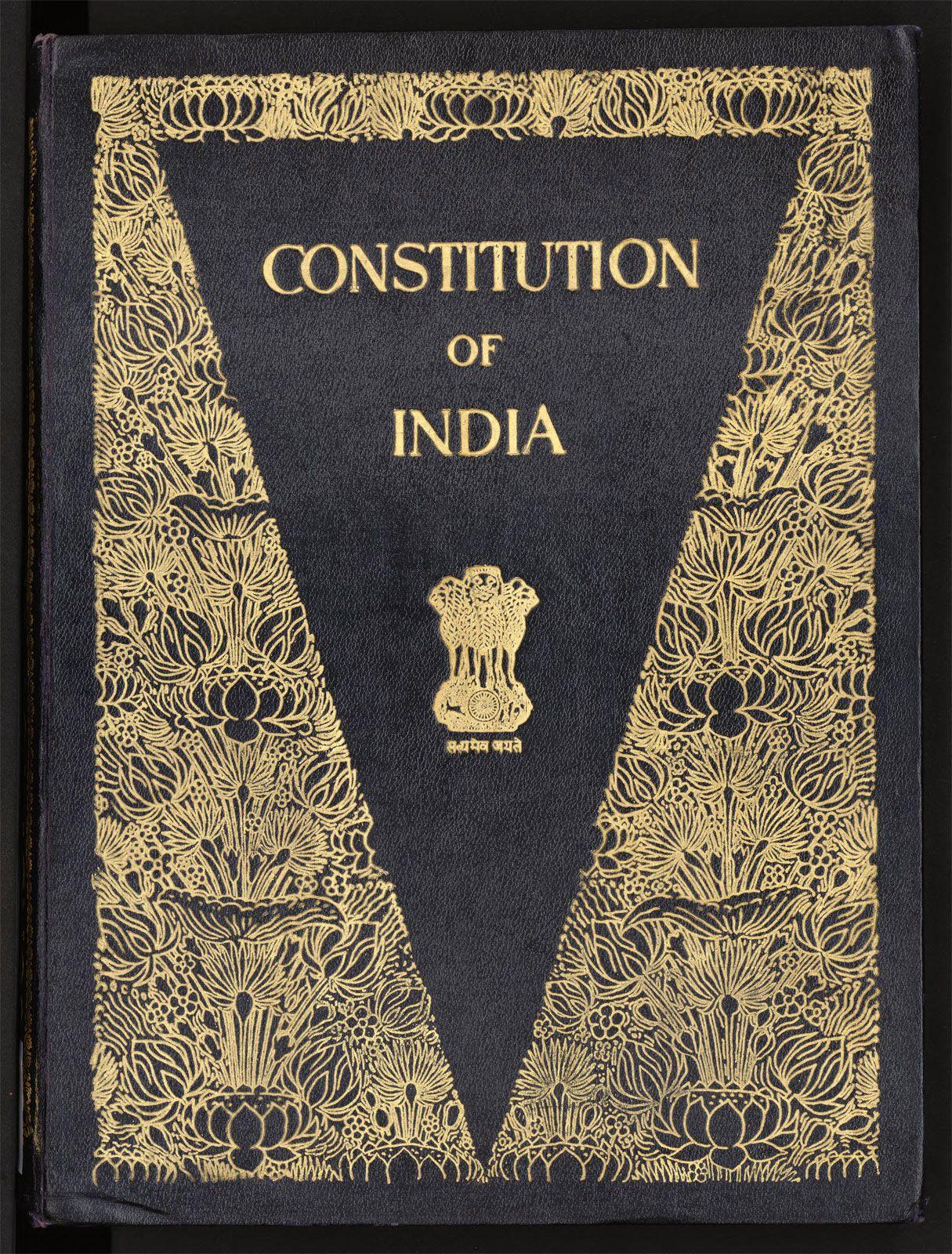
The First Amendment to the Indian Constitution, enacted on June 18, 1951, marked a pivotal shift in the nation’s judicial and civil landscape. Less than a year and a half after the Constitution’s inception, this amendment transformed the interplay between the government, judiciary, and its citizens, imposing necessary checks while aiming to uphold social justice in India. With the introduction of special provisions for backward classes, and the establishment of the Ninth Schedule, the First Amendment ensured that vital reforms, especially land reforms, would not be undermined by fundamental rights claims. This amendment not only redefined the Right to Speech in India but also initiated a complex dialogue around the balance of freedom and regulation, radically shaping the framework for constitutional amendments in India. As we explore how the First Amendment affected judicial review and social rights, we unveil the enduring impact it has had on India’s democratic ethos.
The initial modification of the Indian Constitution, known as the First Amendment, stands as a cornerstone in the evolution of India’s legal and democratic framework. This crucial revision, introduced shortly after the foundational Constitution, established essential mechanisms that prioritized both individual rights and state interests, setting a tone for future legislative changes. By addressing the needs of socially disadvantaged groups and placing regulations on freedom of expression, the amendment generated significant discourse on social justice in India. Not only did it shape mechanisms for legislative amendments, but it also laid the groundwork for understanding how judicial reviews would operate within the newly democratic landscape. As debates about civil liberties and state authority continue, the repercussions of this landmark amendment remain relevant in discussions about the rights of citizens in the modern context.
The Impact of the First Amendment to the Indian Constitution
On June 18, 1951, the First Amendment to the Indian Constitution was enacted to address the urgent need for social justice and to refine the relationship between citizens and the state. This amendment marked a pivotal moment in India’s constitutional framework, enhancing the protection of the rights of socially and educationally backward classes through special provisions under Article 15(4). Moreover, by introducing Articles 31A and 31B and creating the Ninth Schedule, the amendment ensured that critical land reform laws remained immune to judicial scrutiny based on fundamental rights, significantly shaping the socio-political landscape of the nation.
The implications of the First Amendment continue to resonate in the discourse surrounding the Right to Speech in India. It set a precedent for evaluating the balance between individual freedoms and the state’s authority, promoting a careful examination of what constitutes reasonable restrictions under Article 19(2). As India evolved, the necessity for this amendment became apparent; it allowed the government to impose certain limitations in the interest of public order without entirely disregarding the rights guaranteed by the Constitution, thus fostering an environment where social justice could be pursued alongside civil liberties.
Balancing Speech and Order in India
The Supreme Court’s ruling in Romesh Thappar v State of Madras highlighted the delicate interplay between freedom of speech and public order. The decision emphasized the notion that restrictions on speech must not only serve a legitimate purpose but also pass the test of proportionality under existing constitutional frameworks. This case established a precedent for future judicial scrutiny of state actions that sought to limit the rights enshrined in the Constitution, ensuring that the Right to Speech was afforded robust protection against arbitrary state intervention.
As articulated in the context of the First Amendment, the legal landscape regarding speech freedoms underwent significant transformation, demanding a nuanced understanding of public interest. Legal experts, such as advocate Abhinav Chandrachud, argue that the phrase “reasonable restrictions” introduced by the amendment offers courts a narrative tool to assess the validity of governmental limitations on speech. In today’s digital age, where communication is instantaneous, this framework faces new challenges as the state seeks to regulate speech while maintaining the constitutional balance necessary to protect social justice.
Judicial Review and Land Reforms under the Constitutional Amendments
The First Amendment to the Indian Constitution played a crucial role in delineating the parameters of judicial review concerning legislative actions, particularly those related to land reforms. By introducing the Ninth Schedule, the amendment aimed to protect specific laws from being struck down by the courts, reflecting a broader strategy to facilitate urgent social change in a newly independent nation grappling with post-Partition realities. Nehru’s correspondence with chief ministers underscores the prevailing sentiment that reforms designed to promote social justice should not be impeded by the rigid structures of constitutional rights.
However, the inclusion of the Ninth Schedule sparked an ongoing debate about the extent of judicial oversight in the context of constitutional amendments. Critics argue that while promoting social reform is crucial, it should not come at the cost of circumventing judicial review altogether. The Supreme Court eventually clarified that the Ninth Schedule could not provide a blanket immunity for all laws, thereby ensuring that the principles of justice and equity remained paramount in the interpretation of constitutional amendments. This balance underscores the importance of maintaining a robust judicial review mechanism within the framework of the Indian Constitution.
The Evolution of Social Justice through Constitutional Amendments
The First Amendment serves not only as a response to immediate socio-political pressures but also as a foundational element in the ongoing evolution of social justice in India. It highlights the constitution’s capacity to adapt in the face of emerging societal challenges while emphasizing the need for legal provisions that promote equality and inclusivity. The amendment’s focus on improving the status of disadvantaged groups through affirmative action reveals a deliberate attempt by the Constitution to foster an equitable society as envisaged by the founders.
Moreover, the amendment sparked a significant dialogue about the relationship between individual rights and collective welfare. The ongoing interpretation of these provisions has led to a more dynamic conception of social justice, where the courts have increasingly engaged in nuanced discussions around the rights of marginalized communities. As subsequent amendments have built upon this foundation, the First Amendment remains a cornerstone in the narrative of constitutional amendments in India, illustrating the delicate balance between upholding civil liberties and promoting social justice.
Constitutional Framework for Freedom of Speech
The constitutional framework governing freedom of speech in India, particularly in light of the First Amendment, calls for a comprehensive understanding of what constitutes acceptable limitations on this fundamental right. The amendment has influenced various judicial interpretations, setting a benchmark for identifying the boundaries of free speech against the backdrop of societal needs. With the addition of parameters for reasonable restrictions, this framework emphasizes a careful evaluation of how freedom of speech can coexist with other significant interests such as national security, public order, and morality.
Furthermore, this constitutional evolution reveals the adaptability of the Indian polity in navigating complex societal changes. The nuanced approaches taken by the judiciary to balance free speech with the state’s duty to maintain order underscore the dynamic interplay between rights and regulations. As India moves forward, the continued evaluation of standards for free speech in the context of emerging technologies and social media platforms will pose new challenges, necessitating an ongoing commitment to uphold the tenets of the Constitution while safeguarding democratic values.
The Role of the State in Regulating Speech
The First Amendment not only recalibrated individual rights but also redefined the role of the state in regulating speech and expression. The Indian state, under the provisions of the Constitution, has been charged with the responsibility of ensuring that rights do not infringe upon public order and social harmony. This necessary intervention acknowledges the state’s obligation to protect citizens, while simultaneously respecting their freedoms. By establishing clear criteria for when speech may be limited, the amendment recognizes that regulation can sometimes be essential for the greater good of society.
However, the debate continues as to whether the state’s role should be expansive or restricted. Advocates for free expression caution against excessive regulation that could hinder dissent and critical discourse, while proponents of regulation argue for the necessity of maintaining order in a diverse society. The complexities around this issue demonstrate the ongoing tension between freedom and governance in India, highlighting the importance of fostering a democratic dialogue about the limits and protections afforded to speech within the constitutional framework.
Constitutional Amendments: A Shield for Reform
The introduction of constitutional amendments, starting with the First Amendment, has served as a vital tool for safeguarding legislative reforms in India, particularly in the domains of land and social justice. By protecting certain laws from judicial review, the amendments allowed the government to implement necessary changes to address historical injustices and promote socio-economic equity. This legislative insulation reflects an understanding that timely reforms are essential for realizing the constitutional promise of justice for all citizens.
Yet, this approach has not been without controversy, as it raises questions about the limits of legislative power and the accountability of the government. The necessity to strike a balance between empowering the state to initiate reforms and preserving the judiciary’s role as a guardian of constitutional rights has led to ongoing legal and societal debates. Therefore, while the First Amendment laid the groundwork for shielding vital reforms, it also prompted a critical examination of how to maintain the integrity of the constitutional framework while promoting social justice.
The Continual Debate on Social Justice in Constitutional Law
The First Amendment catalyzed a broader examination of social justice in the context of constitutional law in India, positioning it at the forefront of legal discourse. By facilitating provisions aimed at uplifting marginalized groups, it highlighted the necessity of legal frameworks that champion equality and inclusive governance. This has opened up avenues for ongoing debate regarding the role of the Constitution in addressing persistent inequalities and ensuring that social justice remains a lived reality for all citizens.
As the nation progresses, the interplay between constitutional amendments and social justice will require constant scrutiny and dialogue among legal scholars, activists, and citizens alike. The amendment’s legacy encourages consideration of how future reforms can further establish justice, particularly in contexts where systemic discrimination and disenfranchisement remain prevalent. This continual debate will shape how principles of social justice are operationalized within the Indian Constitution, ensuring it adapts to the needs of an evolving society.
Looking Ahead: Constitutional Amendments and India’s Future
The legacy of the First Amendment and subsequent constitutional amendments holds substantial implications for India’s journey towards a more just society. As the landscape of social justice continues to evolve, the amendments serve as critical reminders of the need for a responsive and adaptable constitutional framework. Future amendments will likely reflect the shifting dynamics of society, responding to pressing issues such as economic inequality, caste discrimination, and the rights of marginalized communities.
Looking ahead, there is a collective responsibility to ensure that the themes of social justice and the right to speech remain at the forefront of India’s constitutional discourse. As the nation faces new challenges, it is essential to remain vigilant in protecting the hard-earned rights enshrined in the Constitution. The ongoing examination of these amendments—and how they interact with contemporary social realities—will define the quality of democracy and justice in India for generations to come.
Frequently Asked Questions
What was the significance of the First Amendment to the Indian Constitution?
The First Amendment to the Indian Constitution, enacted on June 18, 1951, holds great significance as it reshaped the framework of rights and restrictions within India’s legal landscape. It introduced special provisions for socially and educationally backward classes under Article 15(4), aimed to ensure social justice in India, and amended Articles 31A and 31B to include the Ninth Schedule, protecting land reform laws from judicial review. This amendment meant to establish a balance between the Right to Speech in India and social order, reflecting the country’s post-independence challenges.
| Key Point | Description |
|---|---|
| Date and Significance | Enacted on June 18, 1951, it was a significant constitutional change that influenced India’s democracy. |
| Special Provisions | Introduced provisions under Article 15(4) for the socially and educationally backward classes. |
| Articles Added | Inserted Articles 31A, 31B, and the Ninth Schedule to protect certain laws from judicial review. |
| Public Order and Speech | The amendment recalibrated the balance between freedom of speech and state regulation, as seen in the Supreme Court’s rulings. |
| Land Reform Issues | Nehru emphasized the need for urgent social reforms, illustrating the tension between rights and necessary reforms. |
| Judicial Balance | The Ninth Schedule was not a total shield against judicial review, balancing reform with individual rights. |
| Ongoing Discussion | The First Amendment opened a space for ongoing debate about equality, rights, and social justice in India. |
Summary
The First Amendment to the Indian Constitution, enacted on June 18, 1951, marked a pivotal moment in India’s democratic development. This change not only addressed the immediate needs for social reform but also recalibrated the balance between individual liberties and public order. With the introduction of provisions for socially disadvantaged groups and the protection of essential land reform laws, it demonstrated the flexibility of the Constitution in responding to the challenges faced by a newly independent nation. As a critical instrument shaping the relationship between the state and its citizens, the First Amendment continues to influence discussions surrounding civil rights and social justice, highlighting its enduring relevance in contemporary India.