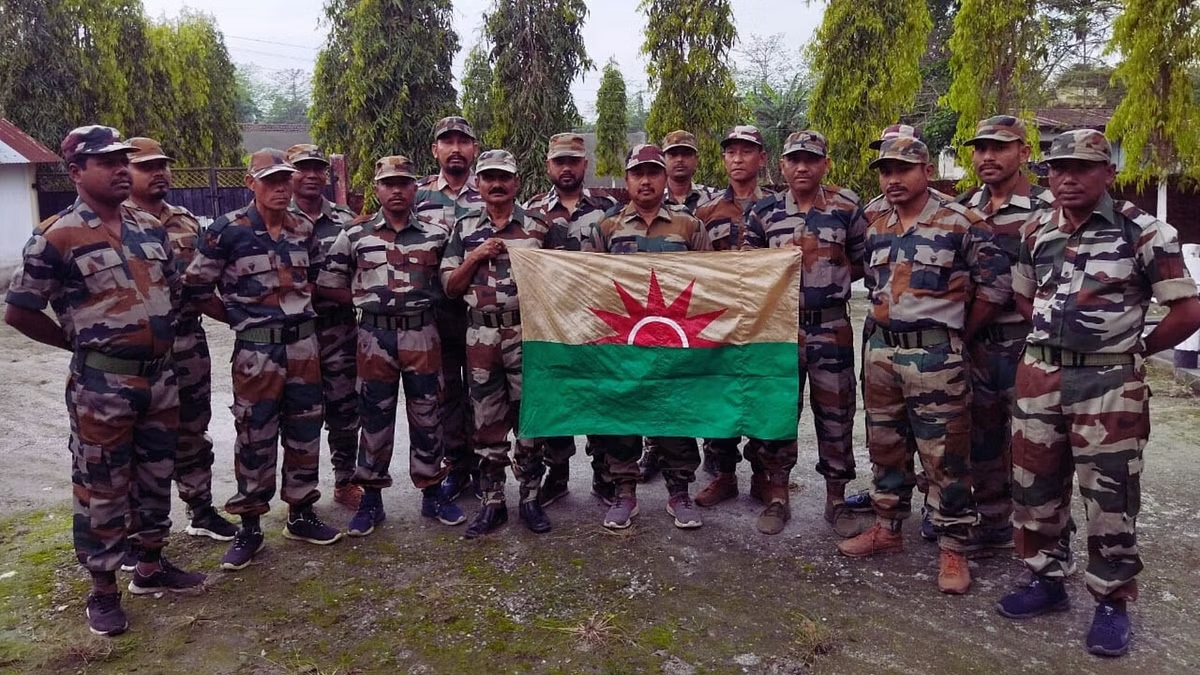
In a significant development in the ongoing peace efforts in Arunachal Pradesh, ULFA(I) cadre surrenders have taken center stage as a hardcore insurgent recently laid down his arms in Khonsa, a pivotal region in the Tirap district. The Assam Rifles, known for their stringent operations against insurgency, played a crucial role in this surrender, underscoring their effectiveness in implementing intelligence-led strategies. This incident highlights the growing trend of insurgent surrender, which not only showcases the diminishing influence of groups like ULFA(I) but also reflects broader changes in the security landscape of the region. The recent ULFA(I) news focuses on the successful negotiations that prompted Jintu Gogoi, a self-styled member of the insurgent faction, to abandon his violent path and reintegrate into society. As the Assam Rifles continue their operations, Khonsa district security remains a top priority, illustrating the commitment to restoring stability and peace in Arunachal Pradesh.
The recent surrender of ULFA(I) insurgents marks a pivotal moment in the ongoing struggle against extremism in the northeastern region of India. This development showcases the effectiveness of military strategies deployed by the Assam Rifles, which utilize intelligence-driven operations to combat insurgency. By encouraging individuals to abandon violence, security forces are not only dismantling militant activities but are also fostering an environment conducive to peace and reconciliation. The ongoing efforts encapsulate a commitment to transforming the socio-political landscape of Arunachal Pradesh, where the aim is to persuade misguided youth to realign with societal norms. This movement towards stability highlights the overarching goals of regional security initiatives and the importance of community reintegration.
ULFA(I) Cadre Surrenders to Assam Rifles: A Turning Point in Insurgency
The recent surrender of a ULFA(I) cadre to the Assam Rifles in Khonsa, Arunachal Pradesh, marks a significant event in the ongoing struggle against insurgency in the northeastern states of India. Jintu Gogoi, a 23-year-old self-styled private of ULFA(I), chose to renounce violence after a focused operation by the Khonsa Battalion. This development is not just a personal victory for Gogoi but also a hopeful sign for many misguided youth in the region who consider following a similar path of violence. The Assam Rifles, backed by credible intelligence, demonstrated their ability to negotiate and persuade insurgents to join the mainstream, which is crucial for lasting peace in Arunachal Pradesh.
Such surrenders are a testament to the relentless efforts of the Assam Rifles in combating insurgency through humane approaches. With effective intelligence-based operations, security forces have been able to create favorable conditions for insurgents to reconsider their choices. The weaponry recovered during the surrender, including a 7.65 mm pistol and ammunition, highlights the potential threat that has been neutralized. By successfully motivating individuals to abandon their armed struggle, the Assam Rifles continue to contribute significantly to the overall security dynamics within Khonsa district.
Moreover, this incident reflects the effective measures taken by the Assam Rifles to restore peace and foster a sense of security in the region, which has been plagued by insurgency for decades. As Arunachal Pradesh news reports often indicate, the state has been under pressure due to both local and external insurgent threats. The situation demands a near-continuous effort from security forces to maintain stability and ensure safety for its citizens. The Khonsa Battalion’s persistent negotiations with Jintu Gogoi underscore their commitment to diminish the insurgency problem through means that promote rehabilitation over conflict.
In the broader context, the effective operations carried out in the Khonsa area have had a positive impact on community relations. The Assam Rifles’ approach is increasingly viewed as a model for handling insurgency issues that prioritizes security while simultaneously addressing the root causes of militancy through outreach programs aimed at youth. The narrative surrounding ULFA(I) and similar insurgent groups is gradually shifting towards reconciliation, creating a more favorable environment for development and peace in Arunachal Pradesh.
Assam Rifles Operations: A Strategic Approach to Insurgent Surrender
The recent success of the Assam Rifles in persuading ULFA(I) cadre to surrender reflects a strategic shift in combating insurgency in northeastern India. Conducting operations that rely heavily on accurate intelligence and fostering conversations with insurgents has proven effective in cases such as that of Jintu Gogoi. The strategy not only helps in disarming operatives but also starts a dialogue that may encourage other insurgents to reconsider their life choices. This approach emphasizes the importance of understanding the motivations of insurgents, which often stem from socio-economic conditions and lack of opportunities that lead youth like Gogoi to extremism.
Operations in the Khonsa district, including the ones recently reported in Arunachal Pradesh news, indicate that Assam Rifles provides a crucial soft approach in their hard-line strategy against insurgents. The capacity to negotiate and engage directly with insurgents is key in changing the narrative surrounding militancy in the region. Furthermore, this operational paradigm allows the armed forces to recover weapons and reduce the potential threat to civilian lives, enhancing the overall safety of communities affected by insurgency.
Moreover, the strategic operations of the Assam Rifles have wider implications for security in the northeastern region. By successfully orchestrating surrenders and creating a safe space for returning to civilian life, the Assam Rifles contribute to regional stability. The effectiveness of such operations has brought attention to the role of militarized humanitarian efforts in conflict zones, underscoring the need for a balanced approach that combines action with dialogue. As communities in Arunachal Pradesh become more resilient against insurgency, reports suggest a growing trend of youth stepping away from violence, thus paving the path toward greater development and peace.
In conclusion, the surrender of ULFA(I) cadre demonstrates the changing dynamics within Assam Rifles operations, resulting in a qualitative improvement in security and community trust. Such developments not only challenge the existing insurgent frameworks but also inspire new narratives that prioritize peace and social cohesion. The continuous support and commitment from security forces are crucial as they strive to transform the present landscape of insurgency into a hopeful future.
Frequently Asked Questions
What are the latest developments in ULFA(I) cadre surrenders in Arunachal Pradesh?
Recent operations by the Assam Rifles have led to the successful surrender of a ULFA(I) cadre in Khonsa, Arunachal Pradesh. On April 4, 2026, Jintu Gogoi, a self-styled private of ULFA(I), returned to the mainstream after negotiations and intelligence-based operations by the Khonsa Battalion. This incident highlights the ongoing efforts of security forces to persuade insurgents to abandon violence and contribute to peace in the region.
| Key Points |
|---|
| ULFA(I) Cadre Surrendered |
| Jintu Gogoi, 23, alias Arun Asom, identified as the surrendered insurgent. |
| Operation Launched by Assam Rifles |
| Surrender motivated by sustained pressure and negotiations. |
| Items Recovered: 1 pistol and ammunition. |
| Highlight on the effectiveness of intelligence-based operations. |
| Focus on peace, security, and motivating youth. |
Summary
ULFA(I) cadre surrenders mark a significant turning point in the ongoing battle against insurgency in Arunachal Pradesh. The recent surrender of Jintu Gogoi, an important member of the ULFA(I) faction, illustrates the proactive measures undertaken by the Assam Rifles in redirecting the course of troubled youth towards peace and stability. Through patient negotiations and strategic intelligence operations, security forces have not only secured a surrender but have also recovered critical weapons, reinforcing their commitment to maintaining order in the region. The efforts of the Assam Rifles signify a hopeful approach towards resolving the challenges posed by insurgent activities, steering individuals away from violence and towards a peaceful existence.