

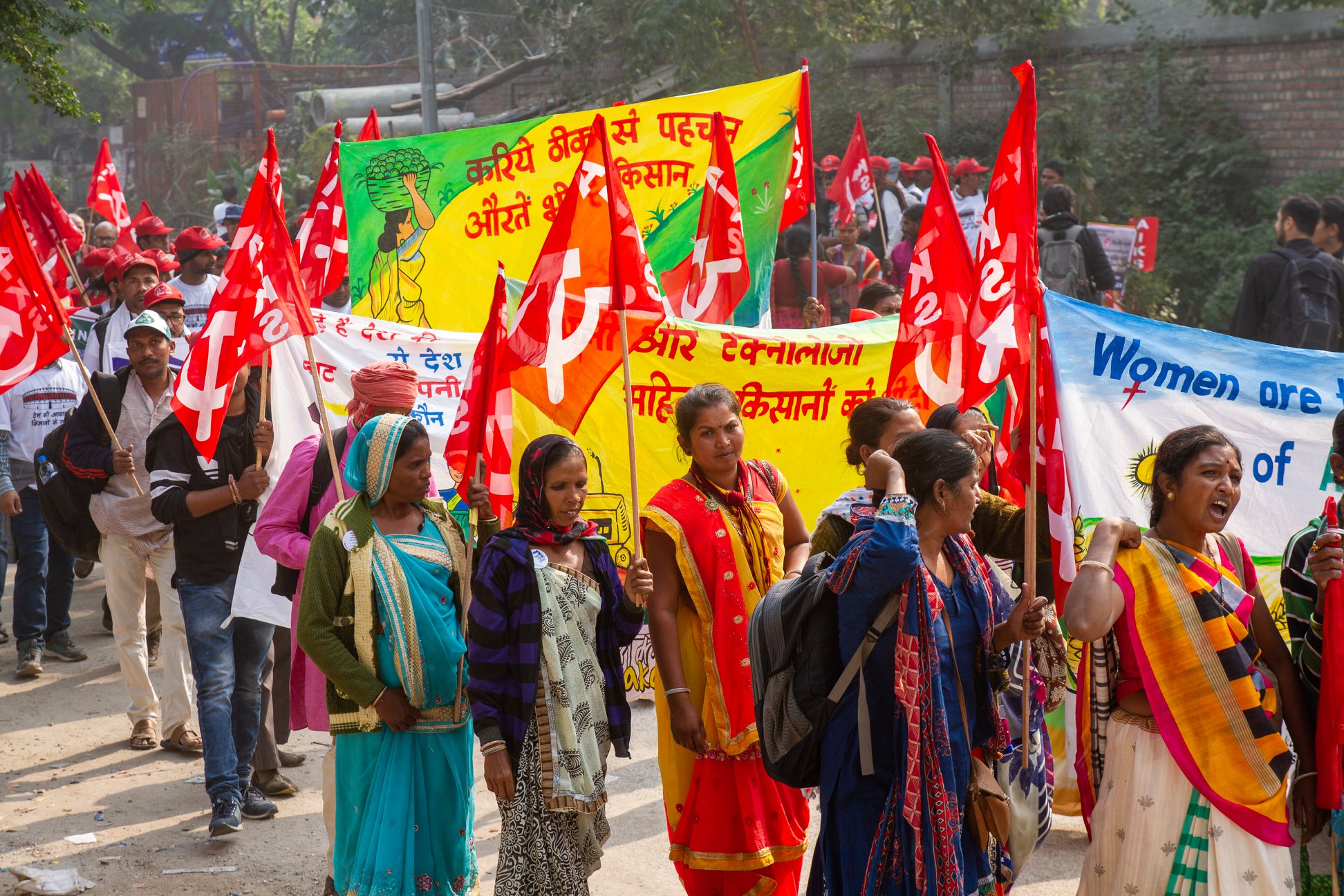
The CJP protest has taken center stage in Delhi as supporters rally at Jantar Mantar, demanding the resignation of Union Education Minister Dharmendra Pradhan in light of the NEET-UG paper leak scandal. Led by party founder Abhijeet Dipke, the fervent demonstrators have committed to an overnight sit-in, illustrating their determination and frustration over the handling of the issue. They argue that the ongoing crisis has severely disrupted the lives and futures of countless NEET candidates, rallying together to voice these concerns. Despite police warnings, the CJP members have amplified their call for accountability, declaring they won’t back down until their demands are met. This significant protest not only highlights the urgency of the situation but also echoes the growing unrest among students and parents in the face of educational mismanagement.
In the heart of Delhi, a significant outpouring of public dissent is underway as the Cockroach Janta Party (CJP) mobilizes supporters at the iconic Jantar Mantar. This demonstration, sparked by serious allegations regarding the NEET-UG examination’s integrity, aims to hold Union minister Dharmendra Pradhan accountable for his role amidst calls for his resignation. Under the leadership of Abhijeet Dipke, the protest embodies the collective frustrations of students and families affected by the recent paper leak controversy. Participants have pledged their commitment to this cause, signifying a pivotal moment in the ongoing struggle for transparency and fairness in educational governance. The Jantar Mantar protests not only symbolize a fight against corruption but also serve as a platform for amplifying the voices of disenfranchised candidates vying for a fair chance at their futures.
CJP Protest: An Urgent Call for Accountability
The Cockroach Janta Party (CJP) has positioned itself as a formidable force, particularly through its recent protests demanding accountability from Union Minister Dharmendra Pradhan. The ongoing demonstrations center on the NEET-UG paper leak scandal, which has deeply affected countless aspiring medical students. CJP leader Abhijeet Dipke, leading the charge, emphasizes the need for systemic change in the education sector, claiming that Pradhan’s resignation is crucial to restoring faith in the integrity of educational assessments.
At Jantar Mantar, the atmosphere is charged as protesters voice their frustrations and demands. Their resolve is unwavering, as they chant slogans and hold banners urging immediate action from government officials. The CJP has articulated a clear stance: they will not relent until tangible changes occur, highlighting the importance of transparency and accountability in public office. This protest is not just about one resignation; it symbolizes a larger demand for reform and a commitment to preserving the rights of students.
The Impact of the NEET-UG Paper Leak on Students
The NEET-UG paper leak has created a ripple effect across the nation, leaving students in turmoil as they navigate the uncertainty of their futures. Many candidates, who have invested years of preparation and emotional effort, feel betrayed by an education system they trusted. As the protests unfold at Jantar Mantar, the CJP aims to amplify the voices of these young aspirants, highlighting the psychological and academic ramifications of the leaked examination and the perceived negligence of educational authorities.
In the wake of this controversy, students are not merely passive observers; they are actively participating in the protests, energized by their collective plight. The CJP is calling on NEET aspirants to join their movement, creating a coalition of solidarity among those who have been directly impacted. This growing alliance of students and activists underscores the urgency of the situation and the demand for reform within India’s educational policies, highlighting how deeply interconnected these issues are with the future of education in the country.
The Role of Communication in the Protest Movement
Communication emerges as a pivotal element in the ongoing protest by the CJP, where leaders like Abhijeet Dipke are urging the government to engage in dialogue upon Pradhan’s resignation. The CJP’s strategy hinges on establishing clear communication channels with educational authorities, reflecting an understanding that discourse is essential for finding resolutions. The protest at Jantar Mantar serves as a platform not only for grievances but also for proposing solutions and fostering a constructive conversation about the grievances related to the NEET-UG scandal.
As the CJP articulates its demands, they encourage an open exchange of ideas and a reassessment of current policies related to examinations and student safety. By emphasizing the importance of transparent communication, they aim to create a more inclusive environment that prioritizes student welfare. This approach highlights their commitment not only to oppose but to seek meaningful dialogue that could lead to substantial reform in India’s education system.
Political Repercussions Surrounding Dharmendra Pradhan’s Leadership
The political landscape continues to shift as the CJP and its supporters hold firm to their demands regarding Dharmendra Pradhan’s leadership amidst the NEET-UG paper leak scandal. Calls for his resignation are not merely reactionary; they are indicative of a broader dissatisfaction with current policies and leadership styles that many perceive as inadequate. As protests grow, the CJP’s movement underscores the urgent need for accountability in political office, particularly when it involves the future of countless students.
Pradhan’s role in this crisis has come under intense scrutiny, and the CJP has framed his resignation as a necessary step towards restoring credibility to the education system. This public sentiment has not gone unnoticed, and political analysts are closely watching the developments, as they could have far-reaching implications for the future direction of India’s education policies and the ruling party’s stance on youth engagement.
A Night at Jantar Mantar: The Spirit of Protest
The overnight protest at Jantar Mantar symbolizes a passionate response to systemic failures within the educational framework, particularly regarding the integrity of the NEET-UG exam. Participants, led by the CJP, have demonstrated resilience and determination, setting up a vibrant community atmosphere where slogans and songs punctuate the air, reiterating their commitment to change. Their presence serves as a stark reminder to the government of the populace’s expectations surrounding educational standards and accountability.
This gathering shines a spotlight on the dedication of young activists who refuse to be silent in the face of injustice. Each participant embodies the collective hope and fears of countless students affected by the examination’s fallout. The spirit of protest at Jantar Mantar is not simply about the present moment; it represents a continued push for recognition of student rights and a demand for sincere reform in the handling of educational assessments.
Legitimizing Student Voices in Political Discourse
The CJP’s efforts at Jantar Mantar serve a dual purpose: demanding resignations while also legitimizing the voices of students within political discourse. As Abhijeet Dipke and supporters rally amidst growing tensions, they are forging a path for student advocacy within the political realm, emphasizing the need for their concerns to be treated with the utmost seriousness. In this protest, students are not merely viewed as casualties of a flawed system but as active agents capable of demanding and driving change.
The integration of student perspectives into discussions about educational policies reflects a crucial shift in how political leaders respond to youth issues. This empowerment creates an environment where students feel their opinions matter, fostering a foundation for future engagement and activism. The CJP’s bold stance highlights the potential for a deeper, ongoing dialogue about educational integrity and reform in India.
Call to Action for Medical Aspirants
Recognizing the urgency of the situation, the CJP has extended a heartfelt call to action for medical aspirants across the nation. They are urging current and prospective NEET candidates to join the protests at Jantar Mantar, framing this as not just a fight for accountability but as a fight for their future. The CJP emphasizes that student voices are essential in shaping the narrative surrounding educational reforms, particularly in light of the recent NEET-UG paper leak.
In unity, there lies strength. The movement invites students to stand together, ensuring their collective concerns resonate through the halls of power. By joining the protests, aspirants signal their determination to pursue not only justice for the current situation but also a commitment to safeguarding the integrity of the educational system for generations to come.
Navigating Political Dynamics: The Future of the CJP
The unfolding protests at Jantar Mantar represent a critical juncture for the Cockroach Janta Party (CJP), as they navigate complex political dynamics in their quest for accountability. With Abhijeet Dipke at the helm, the CJP is positioning itself not only as an opposition force but as a legitimate advocate for student rights in India. This strategic approach may well shape the party’s future trajectory as they capitalize on the current sentiment around educational reforms.
As their movement gains traction, the CJP is poised to influence larger discussions within political circles regarding the management of education and student well-being. Their calls for resignation from prominent figures like Dharmendra Pradhan could catalyze a greater movement towards reform, making way for new leadership that prioritizes transparency and accountability in educational policies. The path ahead remains uncertain, but the determination of the protesters suggests that significant change may be on the horizon.
Broader Implications of the CJP Movement
The ongoing protests led by the CJP have significant implications that extend beyond immediate demands. While the primary focus is on the resignation of Dharmendra Pradhan and addressing the NEET-UG paper leak scandal, this movement reflects a growing awareness among students about their rights and the power of organized activism. Many observers are noting that this could signal a crucial shift in how students engage with political processes and advocate for their needs.
In addition to addressing the specific grievances related to the NEET examination, the CJP’s protests may propagate a wider discourse on educational integrity and access to quality education. As more students rally together at Jantar Mantar, the potential for creating a unified student front emerges, laying the groundwork for sustained activism that demands accountability from those in power and a commitment to reform within the educational sector.
Frequently Asked Questions
What are the main demands of the CJP protest at Delhi’s Jantar Mantar related to the NEET-UG paper leak?
The central demand of the CJP (Cockroach Janta Party) protest at Delhi’s Jantar Mantar is the resignation of Union Education Minister Dharmendra Pradhan. The protest, led by founder Abhijeet Dipke, focuses on allegations surrounding the NEET-UG paper leak scandal. Protesters are demanding accountability and urge NEET candidates to join their cause, highlighting the disruption of basic educational facilities due to this incident.
| Key Point | Details |
|---|---|
| Protest Details | CJP staged an overnight sit-in at Delhi’s Jantar Mantar demanding the resignation of Union education minister Dharmendra Pradhan due to the NEET-UG paper leak scandal. |
| Reason for Protest | The protest is a direct response to allegations surrounding the NEET-UG paper leak, with critics focusing on the failure of the education minister to address the ensuing concerns. |
| Police Warnings | Despite warnings from the police, the protesters remained resolute, indicating their commitment to the cause and their distrust in current leadership. |
| Central Government Communication | CJP leader Abhijeet Dipke mentioned the possibility of communication with the Central Government if the minister resigns, showing a willingness to negotiate the situation further. |
| Support for NEET Candidates | CJP has called upon NEET candidates to join their protest, aiming to amplify their voice against the perceived injustice surrounding the exam and its administration. |
Summary
The CJP protest is a crucial demonstration of the public’s frustration over the handling of the NEET-UG paper leak scandal. With a determination to hold the relevant authorities accountable, the Cockroach Janta Party, led by Abhijeet Dipke, has taken to the streets of Delhi for an overnight sit-in at Jantar Mantar, vowing not to back down until Union education minister Dharmendra Pradhan resigns. This protest not only highlights the urgency of education accountability but also unites candidates and supporters under a shared cause, emphasizing the profound impact that educational integrity has on students and their futures.



























