

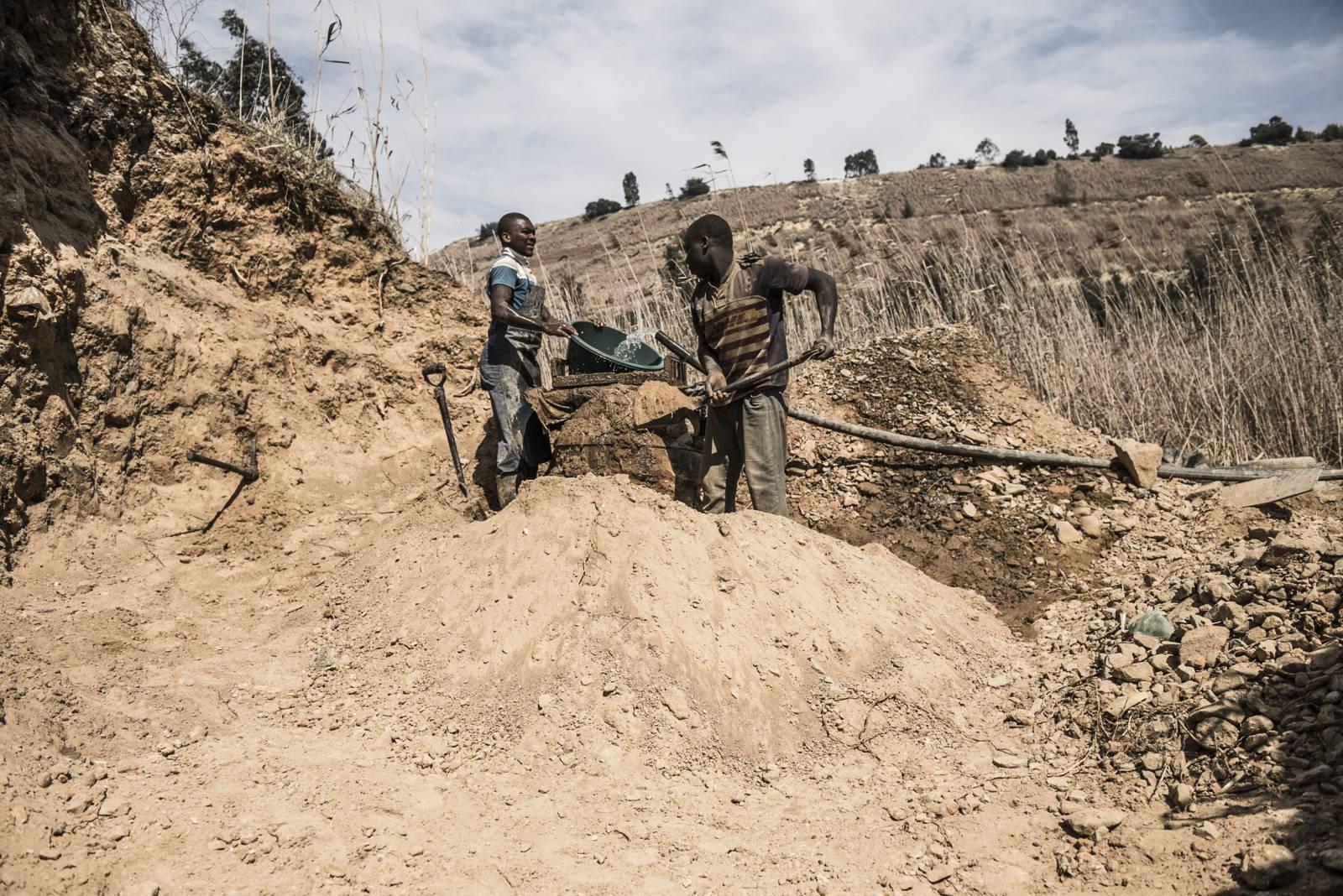
The illegal coal trade in Meghalaya has emerged as a pressing issue, grabbing the attention of both local authorities and national bodies. The state, known for its rich coal deposits, has faced numerous challenges in curbing illegal coal mining and transportation, largely due to the practices surrounding faceless illegal mining operations. Following the Supreme Court’s coal ban and the directives issued by the Justice B.P. Katakey committee, the urgency to combat these unlawful activities has intensified. The committee’s call for a comprehensive action plan highlights the need for accountability among officials who have historically permitted these activities to persist. As the situation unfolds, the fate of Meghalaya’s environment and the rule of law hangs in the balance, necessitating immediate and decisive action against the illegal coal trade.
The underhanded coal commerce in Meghalaya, often referred to as illicit mining, poses significant challenges to governance and environmental integrity in the region. This clandestine activity not only undermines legal mining operations but also bypasses necessary regulations put forth by both the Supreme Court and the National Green Tribunal. Despite previous efforts by the Justice B.P. Katakey committee to monitor and mitigate these activities, the state continues to grapple with the ramifications of unchecked coal extraction and transport. As the government faces a deadline to implement a robust enforcement strategy, the focus shifts towards creating an accountable framework that can effectively tackle these hidden mining networks. The community anxiously awaits a sustainable solution that prioritizes ecological preservation while addressing the rampant illegal coal trade.
The Urgency of Addressing the Illegal Coal Trade in Meghalaya
The High Court of Meghalaya has mandated immediate action to combat the rampant illegal coal trade in the state, particularly under the framework of the Justice B.P. Katakey committee’s interim report. With the committee’s directive for the Meghalaya government to develop a comprehensive plan within 15 days, the urgency to address the situation cannot be overstated. This includes not only the cessation of illegal coal mining but also the rigorous enforcement of existing laws prohibiting hazardous ‘rat-hole’ mining techniques, which have devastating environmental and social impacts.
Moreover, the ‘faceless’ nature of these illegal activities complicates enforcement efforts, as operators often evade detection. The state must tackle the underlying issues fueling this trade, such as corruption and lack of accountability within governmental bodies overseeing coal mining operations. A well-structured action plan must not only focus on immediate cessation of these activities but also implement long-term solutions to prevent their recurrence.
Justice B.P. Katakey Committee’s Role and Findings
The Justice B.P. Katakey committee plays a pivotal role in monitoring and regulating coal mining activities in Meghalaya. Established by the High Court, the committee has closely examined the practices surrounding illegal coal mining and transportation. Its findings indicate that despite efforts to establish accountability, many officials have continued to turn a blind eye to illegal operations, contributing to a continuous cycle of environmental degradation and exploitation of local communities.
In its 38th interim report, the committee also pointed out that the combination of large-scale seizures of illegal coal and the existence of unmonitored open pits are symptoms of a larger problem. Authorities have struggled to identify key players in the illegal coal trade, highlighting the need for a more coordinated enforcement strategy. This includes the establishment of dedicated task forces equipped with the necessary resources to effectively monitor and regulate coal mining.
Impact of the Supreme Court Coal Ban on Meghalaya’s Mining Practices
The Supreme Court’s ban on rat-hole mining in April 2014 has had significant implications for Meghalaya’s coal sector. This ruling, upheld by the National Green Tribunal, aimed to protect the environment and prevent further exploitation of labor, particularly children, who were often forced to work in hazardous mining conditions. As the state grapples with the fallout from this ban, illegal coal mining has surged, exacerbating issues of unregulated operations and pushing local miners into precarious circumstances.
Despite the ban, local demand for coal remains high, leading to an increase in illegal extraction activities. The Supreme Court’s decision has prompted authorities to enforce regulations more vigorously; however, the challenge lies in transforming compliance into action. Continuous monitoring and stricter penalties for violations are necessary to not only curb illegal coal mining but also ensure adherence to sustainable practices that consider both human rights and environmental safety.
The Role of Local Task Forces in Combating Illegal Mining
Local task forces in Meghalaya have been initiated to address the challenges posed by illegal coal mining and transportation. These teams aim to conduct joint operations in high-risk areas, striving to enforce the Supreme Court and National Green Tribunal’s bans on hazardous mining. However, while the establishment of these teams represents a significant step toward improved regulation, their effectiveness is often hampered by a lack of resources and insufficient training.
The recent review of action plans by the Justice B.P. Katakey committee revealed that although task forces had mobilized, there were critical gaps in official accountability and strategic enforcement. To enhance the efficacy of these local units, a more coordinated effort is essential, involving better funding, training for personnel, and comprehensive strategies to pin down those responsible for illegal coal operations. This approach can help restore integrity to Meghalaya’s coal sector.
Proposed Enforcement Strategies for Sustainable Coal Mining
In light of the findings from the Justice B.P. Katakey committee, a comprehensive enforcement strategy is required to regulate coal mining effectively in Meghalaya. This includes identifying vulnerable areas prone to illegal mining and establishing enforcement units headed by responsible officers dedicated to monitoring these sectors. Through the creation of check-gates and police outposts along major transit routes, authorities can better manage the flow of coal and crack down on illegal transportation.
Additionally, the committee has recommended leveraging technology in monitoring activities. By using drones and satellite surveillance, authorities can gain a clearer picture of illegal mining operations. These strategies contribute to creating a transparent system that holds operators accountable, making it increasingly difficult for illegitimate mining activities to thrive in secrecy.
Local Community Engagement in Coal Regulation
Community engagement is vital in the struggle against illegal coal mining in Meghalaya. Local residents often possess valuable insights and observations regarding the illegal activities occurring in their areas. By involving communities in regulatory efforts, the government can strengthen its enforcement actions and cultivate a sense of ownership among residents regarding the protection of their environment.
Grassroots movements have the potential to serve as watchdogs, reporting illegal activities and advocating for sustainable practices. By fostering a collaborative relationship between local communities and the authorities, a more comprehensive and effective approach to regulating the coal trade can be developed, ultimately enhancing policy compliance and mitigating the adverse effects of illegal mining practices.
Challenges in Implementation of Coal Mining Regulations
Despite the clear directives set forth by the Justice B.P. Katakey committee, the implementation of coal mining regulations in Meghalaya poses numerous challenges. These include entrenched corruption within local governance structures and a lack of political will to enforce laws effectively. Illegal coal mining has often been protected by networks of local influence, making it difficult for enforcement agencies to operate independently.
Moreover, the geographical features of Meghalaya, characterized by rugged terrain and dense forests, create significant hurdles for law enforcement. Environmental protections and regulations must not only be robust but also incorporate practical solutions that align with the region’s unique challenges. The commitment to overcoming these barriers will hinge on sustained cooperation between various levels of government and civil society.
Environmental Concerns Surrounding Illegal Coal Mining
The environmental repercussions of illegal coal mining in Meghalaya are profound and alarming. Activities such as rat-hole mining contribute to severe land degradation, deforestation, and contamination of nearby water sources. This not only threatens local ecosystems but also poses health risks to communities that depend on these environments for their livelihoods.
Furthermore, the unchecked extraction exacerbates climate change by releasing significant amounts of carbon dioxide into the atmosphere. Addressing these environmental concerns must be a priority in any regulatory framework developed to tackle illegal coal mining. Sustainable practices must be emphasized to ensure a balance between local economic needs and environmental protection, a challenge the Justice B.P. Katakey committee aims to navigate.
The Future of Coal Mining in Meghalaya: Path Forward
Looking ahead, a transformative approach to coal mining is essential for Meghalaya’s socio-economic stability and environmental conservation. This requires a multi-faceted strategy combining regulatory enforcement, community engagement, and long-term planning. The Justice B.P. Katakey committee’s recommendations provide a critical framework for this transformation, but they must be actualized through diligent action and cooperation among all stakeholders.
As the state works towards a regulated coal industry, exploring alternative energy sources and sustainable economic practices will also be important. By promoting an energy transition away from coal dependency, Meghalaya can pave the way for a greener and more sustainable future, while simultaneously safeguarding the rights and well-being of its communities against illegal coal mining practices.
Frequently Asked Questions
What is the current status of illegal coal trade in Meghalaya as per the Justice B.P. Katakey committee?
The Justice B.P. Katakey committee has reported that illegal coal trade in Meghalaya remains a pressing issue, with the State government given a deadline to formulate a comprehensive action plan aimed at curbing ‘faceless’ illegal mining and transportation. This committee was appointed to ensure adherence to the Supreme Court and National Green Tribunal’s bans on illegal coal mining activities.
How does the Supreme Court’s coal ban impact illegal coal mining in Meghalaya?
The Supreme Court’s coal ban, which upholds the prohibition of hazardous ‘rat-hole’ mining in Meghalaya, significantly affects the illegal coal mining landscape by mandating legal compliance. However, despite the ban, illegal coal transportation continues, leading to ongoing enforcement challenges as highlighted by the Justice B.P. Katakey committee.
What measures are being proposed to tackle illegal coal transportation in Meghalaya?
In response to the rampant illegal coal transportation in Meghalaya, the Justice B.P. Katakey committee has proposed a state-wide enforcement plan. This plan includes establishing dedicated enforcement units, creating check-gates, and assessing manpower needs to enhance monitoring and accountability across the coal mining sector.
Why is the illegal coal trade in Meghalaya described as ‘faceless’?
The illegal coal trade in Meghalaya is described as ‘faceless’ due to the difficulty authorities face in identifying the key players involved in illegal coal mining and transportation. This lack of transparency has hindered effective enforcement despite significant coal seizures and the presence of unmonitored mining operations.
What actions are being taken by the Meghalaya government in response to the Justice B.P. Katakey committee’s recommendations?
The Meghalaya government is required to formulate a comprehensive action plan within 15 days to address the issues highlighted by the Justice B.P. Katakey committee. This includes holding officials accountable for illegal coal mining and transportation activities in line with the Supreme Court and National Green Tribunal regulations.
How has the National Green Tribunal’s ruling affected coal mining practices in Meghalaya?
The National Green Tribunal’s ruling in April 2014, which banned dangerous ‘rat-hole’ coal mining practices in Meghalaya, has sparked efforts to regulate and reduce illegal coal extraction. However, enforcement remains a challenge, as noted by the Justice B.P. Katakey committee, due to ongoing illegal transportation and mining activities.
What are the consequences of illegal coal mining in Meghalaya for the environment?
Illegal coal mining in Meghalaya has serious environmental consequences, such as deforestation, land degradation, and pollution of waterways. The National Green Tribunal and the Supreme Court have mandated compliance to protect the environment, emphasizing the need to curb these harmful practices within the state’s coal mining operations.
How does illegal coal mining affect local communities in Meghalaya?
Illegal coal mining impacts local communities in Meghalaya by posing health risks due to pollution and unsafe mining practices. Additionally, it undermines local governance and fuels conflict over resources, necessitating regulatory action as recommended by the Justice B.P. Katakey committee to ensure community safety and environmental protection.
| Key Aspect | Details |
|---|---|
| Judicial Committee | A one-member committee appointed by the High Court of Meghalaya to monitor coal mining activities. |
| Deadline for Action | The committee has given the Meghalaya government 15 days to address the issues of illegal coal mining and transportation. |
| Purpose of the Committee | To enforce compliance with bans on hazardous ‘rat-hole’ coal mining and prevent illegal coal transportation. |
| Need for Accountability | Current plans lack measures to hold officials accountable for illegal activities. |
| Challenges Identified | Authorities struggle to identify key operators behind illegal mining despite seizures and open pits. |
| Proposed Solutions | Establish dedicated enforcement units, assess manpower, and set up check-gates on high-risk routes. |
| Historical Context | Rat-hole coal mining was banned by the National Green Tribunal in April 2014 for child labor concerns. |
Summary
The illegal coal trade in Meghalaya has prompted significant regulatory action, as highlighted by the recent directive from the High Court of Meghalaya. This ongoing issue not only threatens the environment but also exposes the failures of law enforcement to tackle the operations behind this clandestine industry. With a 15-day ultimatum for the state government to formulate a comprehensive action plan, there is an urgent need for accountability and effective enforcement measures against illegal coal mining and transportation in Meghalaya.



























