

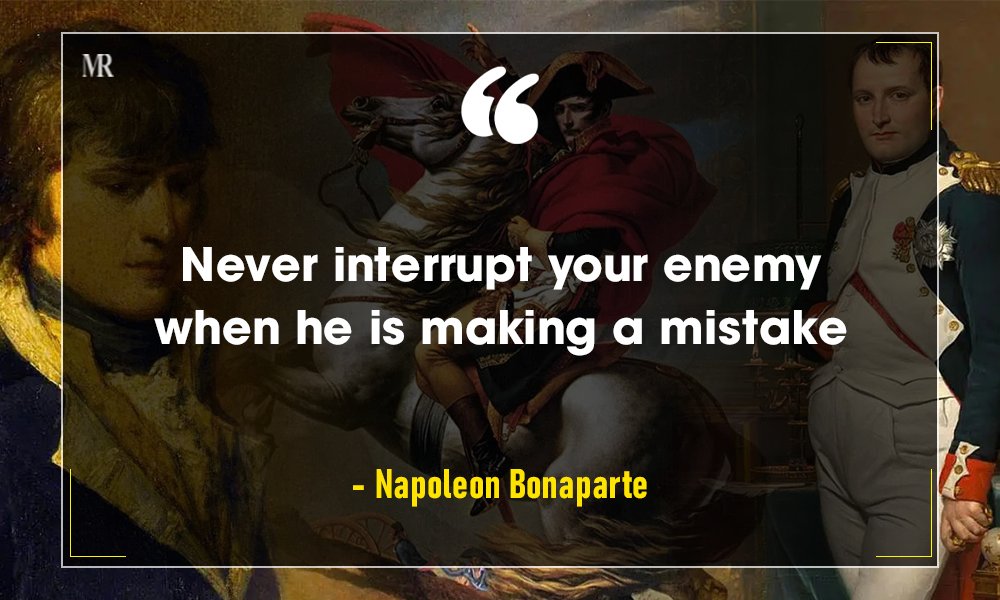
Victories over ignorance come not only from educating oneself but also from striving for personal growth in a world filled with misinformation. As Napoleon Bonaparte famously stated, “The only victories which leave no regret are those which are gained over ignorance.” This profound insight emphasizes the importance of education, highlighting how conquering our own ignorance can lead to personal development and lifelong learning. Such victories are invaluable; they enrich our lives and help foster a more informed society. By understanding the significance of these triumphs, we can take meaningful steps towards overcoming ignorance and embracing a mindset of continuous learning.
When discussing triumphs that elevate our understanding, we often encounter the essential theme of enlightenment through education. The journey towards knowledge, often illustrated by various leaders, including Napoleon, demonstrates that true success lies in dispelling misunderstandings rather than merely defeating others. Embracing the learning process reflects a commitment to cultivating awareness and insight, thereby emphasizing the critical nature of educational pursuits. By adopting this perspective, we empower ourselves to engage in a lifelong quest for information that transforms our interactions and experiences.
The Importance of Education in Overcoming Ignorance
Education serves as the cornerstone of personal and societal development. As emphasized by Napoleon Bonaparte, true victories are found not in the conquest of others but in conquering ignorance. This notion underscores the need for a robust educational framework that empowers individuals to pursue knowledge relentlessly. In this digital age, access to information is at our fingertips, making it imperative to embrace continuous learning to foster personal growth and development. Moreover, education not only enhances one’s capabilities but also enriches one’s perspective, allowing for a more informed and constructive approach to life’s challenges.
This pursuit of knowledge is a pathway to empowerment. For instance, understanding historical contexts, such as the implications of Napoleon’s reforms, provides insights into effective governance and leadership. His reforms were not merely actions taken for political gain; they represented a commitment to establishing a more enlightened society. By prioritizing education, individuals can make informed decisions, engage in meaningful discourse, and contribute positively to their communities, thus achieving a broader victory over ignorance.
Napoleon’s Philosophy on Lifelong Learning
Napoleon Bonaparte’s approach to lifelong learning exemplifies a mindset that champions curiosity and personal development. His recognition that there is always more to learn reminds us of the limitless potential for growth at any stage of life. Adopting a lifelong learning philosophy not only keeps the mind sharp but also enhances adaptability in an ever-evolving world. This proactive approach encourages individuals to seek out new experiences and insights, ensuring that one’s knowledge base continually expands. Ignoring this principle can lead to stagnation, making it crucial for individuals to invest in their education continuously.
Furthermore, lifelong learning fosters resilience in the face of uncertainty. It equips individuals with the tools to navigate complex situations by fostering critical thinking and problem-solving skills. By embracing the belief that learning should never end, individuals can cultivate a richer life experience, transforming every challenge into a learning opportunity. Napoleon’s victories in life were not just military conquests but also included his quest for knowledge, reinforcing the idea that enriching one’s intellect is the most satisfying victory of all.
How to Identify Knowledge Gaps for Personal Development
Identifying knowledge gaps is a crucial step toward personal development and fulfilling Napoleon’s vision of overcoming ignorance. This process begins with self-reflection and honesty about what is not known. Individuals must assess areas of weakness in their knowledge and skills, which can often be done through feedback from peers or self-assessment tools. Recognizing these gaps is not a sign of failure but rather an opportunity for growth; it allows individuals to set meaningful learning objectives that align with their career or personal aspirations, thereby directing their education efforts effectively.
Once identified, individuals can pursue targeted learning experiences to bridge these gaps. This might include enrolling in courses, attending workshops, or actively seeking mentorship from those who possess the knowledge desired. By approaching learning as a strategic endeavor, akin to how Napoleon planned and executed his military strategies, individuals stand to not only defeat ignorance but also to thrive and contribute positively to their environments. The journey toward knowledge is lifelong and enriching, promoting not just personal success but also shaping one’s influence on society at large.
Winning Over Ignorance Through Understanding
The path to overcoming ignorance lies in cultivating a mindset focused on understanding rather than merely winning arguments. True learning emerges from the recognition that everyone has unique perspectives shaped by their experiences. By engaging with differing viewpoints, individuals enrich their understanding and invite deeper insights that promote tolerance and empathy. This approach fosters a sense of community and connection, allowing for discussions that uplift rather than alienate. In line with Napoleon’s idea of victories over ignorance, focusing on understanding others can be one of the most significant achievements in fostering a more harmonious society.
Moreover, the willingness to learn from others showcases a commitment to personal development that can substantially enhance one’s character. This intrinsic motivation leads individuals to become not just better thinkers, but also better communicators, capable of navigating complex interpersonal dynamics with grace and respect. The ripple effect of this understanding extends beyond personal growth, inspiring others in a collective pursuit of knowledge that addresses miscommunication and ignorance. Such victories, devoid of regret, create a more enlightened and equitable world.
The Role of Education in Personal and Societal Transformation
Education is a transformative force that extends beyond individual space into the fabric of society. Just as Napoleon Bonaparte’s reforms aimed to reshape the legal and educational landscape of France, contemporary education continues to be pivotal in driving social change and shaping future generations. By emphasizing critical thinking, creativity, and emotional intelligence within educational systems, societies can cultivate individuals who are not only knowledgeable but also socially responsible. These educated citizens can contribute to overcoming ignorance on various social issues, thus fostering an environment ripe for progress.
Moreover, education serves as the vehicle for bridging divides among differing social groups. When communities prioritize education, they empower individuals from various backgrounds to engage meaningfully in dialogue and collaborative problem-solving. The collective effort in promoting learning and understanding creates a unified front against ignorance, reinforcing the idea that together, victories can be achieved that uplift rather than diminish. This embodies the spirit of Napoleon’s quote, where victories gained over ignorance spark change and growth both personally and collectively.
Strategizing for Lifelong Learning and Personal Growth
To successfully embark on a journey of lifelong learning and personal growth, individuals must develop a robust strategy that aligns with their personal and professional goals. Just as military strategies are meticulously planned, so should one approach their education. Setting clear, attainable goals allows individuals to track their progress and adjust their learning paths as needed. Incorporating various methods of learning, including reading, attending workshops, or engaging in discussions, ensures a well-rounded approach that caters to different learning styles, thereby maximizing the potential for personal development.
Additionally, embracing a growth mindset is essential to this strategy. This mindset, popularized by psychologists like Carol Dweck, emphasizes that abilities and intelligence can be developed through dedication and hard work. Recognizing the importance of effort and perseverance not only bolsters self-esteem but also enables individuals to approach challenges with optimism. By adopting Napoleon’s philosophy, one can view every educational endeavor as a victory over ignorance, enriching personal life and professional endeavors with newfound knowledge that facilitates ongoing growth and success.
Creating a Culture of Learning in Society
In order to overcome ignorance on a societal level, creating a culture that values and prioritizes learning is essential. This involves not only institutions of education but also workplaces and communities proactively encouraging curiosity and exploration. Policies that support continuous education, availability of resources for learning, and creating environments where individuals feel safe to express their ideas and ask questions contribute to cultivating a culture of knowledge. As exemplified by Napoleon’s reforms, societal transformation begins at the grassroots level, where education is championed as a means for empowerment.
Moreover, a collective commitment to fostering lifelong learning among all age groups helps to mitigate issues stemming from ignorance and misinformation. By promoting intergenerational learning opportunities, communities can foster connections that share wisdom and experiences, ensuring that all members of society are engaged in the pursuit of knowledge. Such initiatives not only strengthen community bonds but create a resilient societal fabric that is adaptive and informed, ultimately leading to victories over ignorance that benefit all.
Embracing Curiosity as a Pathway to Knowledge
Curiosity acts as the driving force behind effective learning and personal development. When individuals embrace curiosity, they naturally seek out new information and experiences that can expand their understanding of the world. This proactive approach to learning minimizes the grip of ignorance while fostering a desire for exploration. Napoleon Bonaparte’s meticulous attention to detail and his relentless inquiry into various subjects highlight the value of curiosity in achieving mastery, whether in military tactics or governance. By cultivating curiosity in daily life, individuals can transform every moment into an opportunity for growth.
Furthermore, curiosity leads to deeper connections with others and the world. As individuals pursue questions driven by genuine interests, they become more engaged in discussions and experiences that enhance their insights. This interconnectedness fosters a richer understanding of diverse perspectives, ultimately contributing to a well-rounded world view. Adopting curiosity as a guiding principle not only enriches personal knowledge but also empowers individuals to contribute more meaningfully to society, resulting in victories over ignorance that ripple through communities.
The Lasting Impact of Overcoming Ignorance Through Education
The impact of overcoming ignorance through education is profound and long-lasting. As individuals educate themselves, they are equipped not only with knowledge but with the skills to think critically and engage thoughtfully with the world around them. This empowerment can shift personal trajectories, opening doors to new opportunities while fostering self-awareness and integrity. Napoleon Bonaparte understood the significance of education as a transformative tool, capable of redefining futures and influencing societal change. The consequences of investing in education extend beyond individual achievement—they can reshape communities and nations.
As knowledge spreads, it cultivates a more informed citizenry dedicated to addressing challenges and promoting social justice. Such outcomes highlight the importance of education as not merely a personal pursuit but a vital societal need. By prioritizing educational initiatives and opportunities for learning, societies can collectively counteract ignorance and create environments that foster cooperation, understanding, and peace. The legacy of overcoming ignorance through education is one of strength and resilience, paving the way for future generations to thrive.
Frequently Asked Questions
How can victories over ignorance lead to personal development according to Napoleon Bonaparte?
Victories over ignorance are essential for personal development, a concept championed by Napoleon Bonaparte who stated, “The only victories which leave no regret are those which are gained over ignorance.” This highlights that prioritizing education and lifelong learning can lead to profound personal growth and understanding. By treating learning as a continuous journey, individuals can enrich their lives without the regret often associated with competitive victories.
| Key Points | |
|---|---|
| Quote by Napoleon Bonaparte about victories over ignorance. | “The only victories which leave no regret are those which are gained over ignorance.” |
| Napoleon’s historical significance as a military leader and reformer. | Established an empire and transformed European borders with notable legal reforms. |
| The dual nature of victories: over others versus over ignorance. | Victories of knowledge enrich individuals without detracting from others. |
| Key strategies to combat ignorance in personal development. | |
| 1. Treat learning as a win that never backfires. | |
| 2. Stay a lifelong student. | |
| 3. Identify knowledge gaps. | |
| 4. Aim to understand rather than to win. | |
Summary
Victories over ignorance represent transformative moments in individual lives, where the pursuit of knowledge reshapes understanding and enriches personal growth. Napoleon Bonaparte, through his reflections on knowledge, emphasized that true triumphs are not marked by conquest over others but by the continuous battle against our own limitations. This quest for learning cultivates a profound connection to the world and to the self, fostering an environment where individuals thrive and evolve. By embracing the strategies to defeat ignorance, we honor the idea that every insight gained is a victory that leaves no regret, paving the way for a future steeped in wisdom and enlightenment.



























