

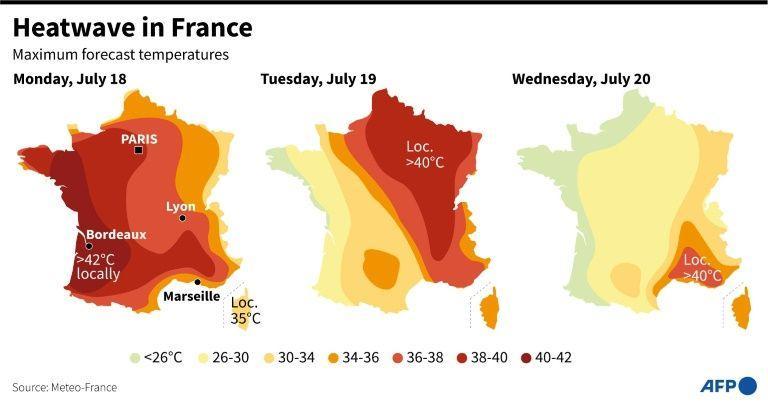
France is currently facing a severe heat wave that has seen record-breaking temperatures soaring above 40 degrees Celsius (104 degrees Fahrenheit), prompting widespread concern for public health and safety. As residents cope with these extreme conditions, it’s crucial to recognize the heat exhaustion symptoms that can manifest during such sweltering episodes. In the midst of this unrelenting heat, summer heat safety tips are more important than ever to help individuals stay hydrated and protect themselves from the sun’s harmful rays. Iconic sites like the Palace of Versailles become a focal point for sun protection strategies, as visitors seek refuge from the punishing sun while enjoying the beauty of the gardens. With temperatures set to remain elevated for the foreseeable future, understanding the heat wave effects on both health and daily life is vital for navigating this challenging season.
The ongoing climate crisis has led to increasingly frequent and intense weather phenomena, and the current situation in France exemplifies this alarming trend. The recent surge in temperatures has left many seeking refuge from the sweltering heat, which not only disrupts daily routines but also heightens the risk of heat-related illnesses. This high summer heat draws attention to crucial safety precautions that everyone should adopt, especially when engaging in outdoor activities. Historical landmarks, such as the famed gardens at Versailles, serve as both a tourist attraction and a reminder of the need for effective sun protection. As this heat wave persists, cultivating awareness about the impacts of such extreme heat becomes essential to ensure the well-being of the populace.
Impact of the France Heat Wave on Daily Life
As the France heat wave grips the nation with record-breaking temperatures, daily life is significantly affected. With daytime highs exceeding 40 degrees Celsius (104 degrees Fahrenheit), residents find themselves adjusting to a relentless wave of heat. The soaring temperatures create discomfort, making it challenging to manage routine activities like commuting, shopping, or even simply enjoying an evening out. Families must find ways to keep cool, often resorting to indoor air conditioning or visiting public facilities that remain air-conditioned. The heat wave dramatically alters social gatherings, with many opting to stay indoors to avoid the heat exhaustion symptoms that can arise from prolonged exposure to such extreme temperatures.
In addition to personal discomfort, the France heat wave has broader implications for productivity. Workers in sectors such as construction and agriculture face heightened risks during these sweltering days. Employers are urged to implement summer heat safety tips to protect their employees, such as allowing for frequent breaks in shaded areas and staying hydrated. The heat can hinder outdoor activities and even lead to reduced output, as stamina decreases in extreme heat. Consequently, businesses may adapt their hours of operation or the way they manage outdoor work to mitigate the adverse effects of the soaring temperatures.
Health Risks Associated with Extreme Heat
The rising temperatures during the France heat wave pose serious health risks, particularly for vulnerable populations such as the elderly or those with pre-existing health conditions. Heat exhaustion symptoms can occur when the body loses an excessive amount of water and salt through sweating, leading to fatigue, dizziness, and headaches. In extreme cases, this can escalate to heat stroke, a life-threatening condition that requires immediate medical attention. It is crucial for individuals to recognize these symptoms early and take preventive measures, such as staying hydrated and wearing loose, light-colored clothing to combat the oppressive heat.
Additionally, public health officials stress the importance of community awareness during such heat events. Local authorities may launch awareness campaigns emphasizing the risks of heat-related illnesses, showcasing summer heat safety tips tailored for families and individuals alike. It’s vital to check in on neighbors, especially those who may not have access to adequate cooling resources. By fostering a culture of vigilance and care, communities can navigate the challenges posed by the France heat wave and work together to ensure everyone’s health and safety.
Preventative Measures for Coping with Extreme Temperatures
As the France heat wave continues to challenge everyday life, adopting effective preventative measures is essential. To mitigate the impact of record-breaking temperatures, individuals should prioritize strategies that promote health and comfort. One key recommendation is to stay indoors during peak sunlight hours, particularly between noon and 4 PM when the sun’s rays are at their strongest. If outdoor plans are unavoidable, utilizing sun protection such as umbrellas or hats, especially when visiting sites like the Palace of Versailles, can help shield vulnerable skin from harmful UV rays.
Moreover, maintaining hydration is critical during extreme heat conditions. Drinking plenty of fluids, particularly water, helps the body regulate temperature and prevent dehydration. It’s advisable to also avoid alcoholic and caffeinated beverages, which may contribute to fluid loss. Meal choices can also influence how our bodies cope with heat; opting for light, nutrient-dense meals that require less energy to digest can also be beneficial. Overall, proactive planning and behavior adjustments can effectively reduce the adverse effects of the France heat wave on health and daily life.
Sun Protection Strategies in the France Heat Wave
As temperatures soar during the France heat wave, sun protection becomes a key concern for citizens and tourists alike. When spending time outdoors, strong sun protection strategies are crucial, especially to prevent heat exhaustion symptoms and sunburn. Wearing broad-spectrum sunscreen with a high SPF, along with protective clothing such as long sleeves and hats, provides a first line of defense against harmful UV rays. Additionally, seeking shade in places like gardens or under trees can help minimize direct sun exposure, enhancing comfort and reducing the risk of heat-related illnesses.
At iconic locations such as the Palace of Versailles, where visitors flock to enjoy the beauty of the gardens, it is important to practice sun safety. Tour operators and local governments are encouraged to provide sun protection information, including reminders about staying hydrated and applying sunscreen regularly. Establishing shaded areas for rest and relaxation can also aid in creating a safe environment for tourists exploring popular landmarks. By prioritizing sun safety and awareness, the adverse effects of the heat wave can be significantly lessened, thereby enhancing the overall experience during these hot months.
Historical Context of Heat Waves in France
The occurrence of heat waves in France is not unprecedented, with historical data revealing patterns of rising temperatures over the decades. Notable events have included the extreme heat of 2003 and the summer of 2019, both of which brought record-breaking temperatures that had significant impacts on public health and environmental conditions. As climate change continues to escalate, these intense heat events are expected to become more frequent, necessitating a concerted response from both government and community levels. Recognizing this trend is vital for developing policies that can effectively address the challenges posed by heat waves.
With each passing summer, the need to adapt to these changing climate conditions and implement preventative strategies becomes increasingly pressing. Local governments are tasked with creating awareness campaigns and heat action plans aimed at educating the public about the risks of extreme temperatures and the importance of health and well-being. Engaging in research to understand the outcomes of previous heat waves can inform best practices moving forward. By learning from the past, France can better equip itself to face the future challenges posed by climate-related heat events.
Coping Mechanisms during France’s Scorching Summers
As residents of France face increasingly hotter summers, developing effective coping mechanisms becomes paramount for maintaining well-being. People are advised to establish daily routines that accommodate extreme heat, such as exercising during cooler hours of the morning or evening, engaging in light physical activity indoors, and planning outings around cooler parts of the day. Furthermore, creating a comfortable home environment through the use of fans, air conditioning, and heat-reducing window treatments can significantly alleviate the discomfort associated with sweltering temperatures.
Moreover, community support plays a crucial role in aiding individuals during times of excessive heat. Establishing neighborhood watch groups for those at higher risk—such as the elderly or those with medical conditions—can foster a sense of security and ensure that everyone has access to necessary resources, such as hydration and cooling spaces. By sharing strategies and looking out for one another, communities can build resilience against the harsh realities of heat waves while ensuring every member is safely navigating the challenges these record highs present.
The Role of Local Authorities in Heat Wave Management
Local authorities play a vital role in managing the effects of heat waves on their communities. During extreme heat events, municipalities are often tasked with coordinating public health responses and providing clear, timely information to residents. Establishing cooling centers and distributing resources like water can alleviate the stress of heat waves. Authorities may also conduct outreach campaigns to educate the community about heat exhaustion symptoms and encourage individuals to check on vulnerable neighbors, thereby fostering a culture of care within communities.
Additionally, local governments are increasingly incorporating climate resilience planning into their policies. This includes implementing urban greening projects, which can mitigate the urban heat island effect, and enhancing public spaces to provide shade and relief from the heat. By taking proactive measures, local authorities can help protect public health and safety during France’s heat waves while promoting adaptive strategies within communities. Such initiatives ensure that citizens are better prepared to cope with the challenges presented by extreme heat.
Environmental Changes and their Influence on Heat Patterns
The increasing frequency and intensity of heat waves in France can largely be attributed to broader environmental changes, particularly climate change. As global temperatures rise, regions experience noticeable shifts in weather patterns, leading to prolonged periods of extreme heat. Research indicates that climate change has accelerated the likelihood of record-breaking temperatures, manifesting in more severe summer heat waves, which pose direct threats to health and agriculture alike. Understanding these environmental changes is crucial for implementing effective adaptation and mitigation strategies.
Moreover, the interplay between urbanization and heat wave dynamics cannot be overlooked. Cities tend to absorb and retain heat more than rural areas due to dense construction materials and a lack of green spaces. This phenomenon, known as the urban heat island effect, can exacerbate the effects of heat waves, increasing temperatures further in urban centers. To combat this, urban planners are increasingly focusing on integrating green infrastructure and sustainable designs, which can help cool cities naturally while improving overall livability. Addressing environmental changes not only aids in managing heat waves but also enhances quality of life in urban areas.
Frequently Asked Questions
What are the heat exhaustion symptoms to look out for during the France heat wave?
During the France heat wave, particularly with record-breaking temperatures exceeding 40 degrees Celsius (104 degrees Fahrenheit), it is crucial to recognize common heat exhaustion symptoms. These include heavy sweating, weakness, dizziness, fainting, and nausea. If you or someone else experiences these symptoms, it is essential to move to a cooler place, hydrate, and seek medical assistance if necessary.
| Key Points |
|---|
| France is experiencing a heat wave with temperatures exceeding 40°C (104°F). |
| The heat is expected to persist for a week, bringing discomfort due to high daytime temperatures and restless nights. |
| Risks associated with the heat include heat exhaustion and heat strokes, which can be fatal. |
| A woman was seen walking in the garden of the Palace of Versailles while shielding herself from the intense sun. |
Summary
The France heat wave gripping the nation this week has seen unprecedented temperatures that not only challenge daily life but also pose serious health risks. With highs soaring past 40 degrees Celsius, individuals are finding it difficult to cope with the oppressive conditions. The combination of sweltering days and uncomfortable nights raises concerns about heat-related illnesses, including heat exhaustion and strokes, which can be life-threatening. Residents are encouraged to take precautions, such as staying hydrated and seeking shade, to mitigate these dangerous effects of the extreme temperatures.



























