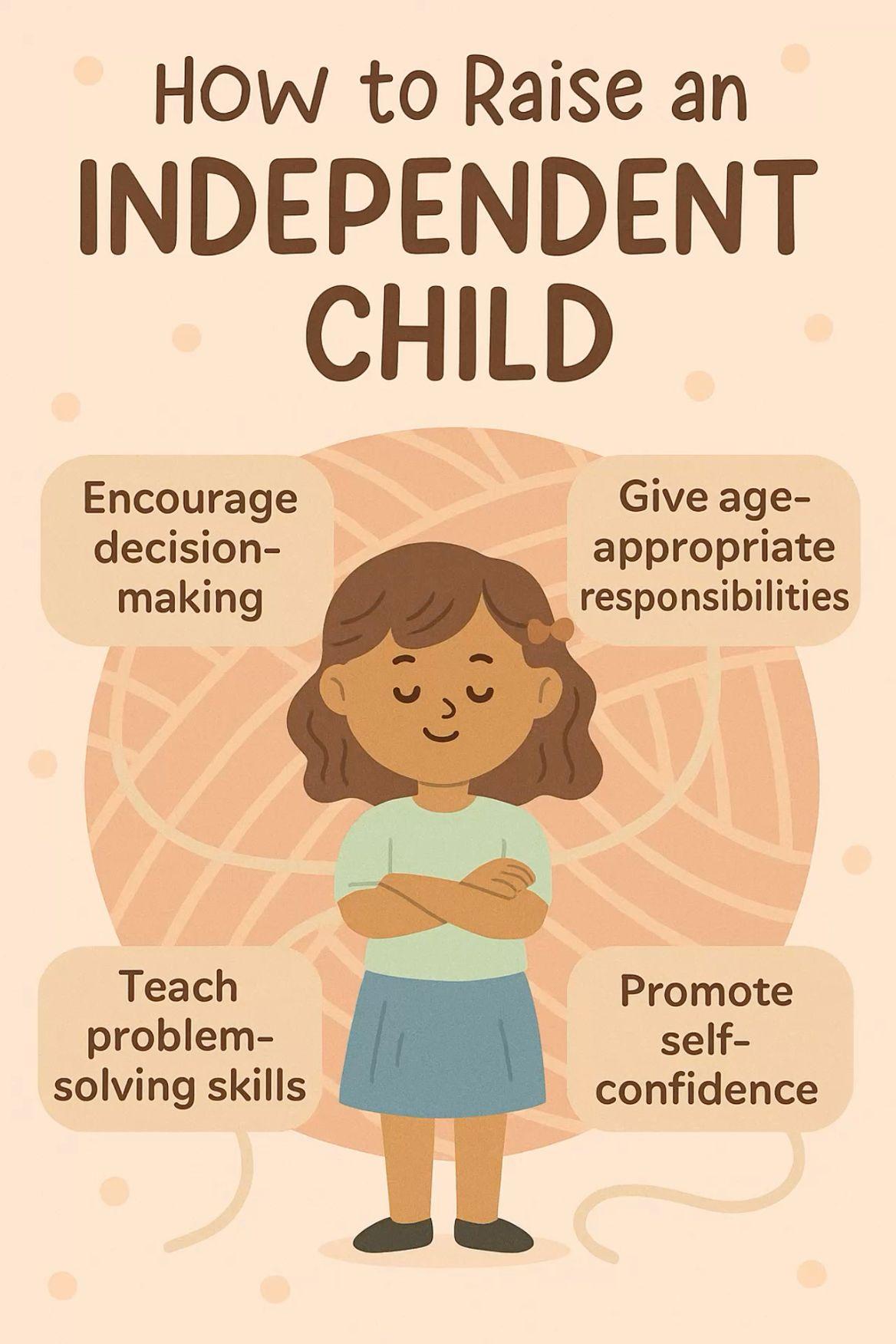
Independent kids are becoming a focal point in discussions about effective parenting, especially as families navigate the complexities of raising resilient individuals today. Across different cultures, the emphasis on childhood independence varies significantly, shaping how children interact with their environment and develop life skills. For instance, in societies where raising independent children is prioritized, young ones are often encouraged to take on responsibilities early, promoting a sense of self-reliance and confidence. This approach not only influences their personal growth but also reflects broader global parenting styles that advocate for freedom and autonomy in childhood. As we explore the fascinating practices from various countries, it becomes evident that independence in childhood is not merely a trend but a vital component of nurturing well-adjusted adults.
When we talk about self-sufficient youth, it’s important to recognize the diverse global perspectives on nurturing autonomy in children. Parenting practices around the world often reveal how different cultures value self-direction and accountability, leading to the emergence of confident young individuals. From allowing children to navigate their surroundings independently to fostering decision-making skills, these methods are part of a larger conversation about childhood freedom. Observing how various nations prioritize children’s independence can offer insight into effective strategies for fostering resilience. Ultimately, understanding these global parenting styles helps to enrich our approach to child-rearing, enriching the lives of both parents and their children.
Embracing Independence: A Global Perspective on Parenting
The concept of raising independent children has gained traction in recent years, yet it looks different across cultures. In Japan, for example, parents instill independence by allowing their children to navigate public transportation as early as age six. This early exposure to responsibility teaches children crucial life skills, such as decision-making and risk assessment, which are vital for their development. By emphasizing independence in childhood, Japanese parents prepare their children for future challenges, fostering resilience in them as they grow.
Similarly, Finnish cultural practices prioritize childhood independence through freedom and self-directed learning. Children are encouraged to walk or bike to school by the age of seven, a practice that cultivates self-confidence and autonomy. Finnish parents understand that allowing children to explore their environment without constant supervision not only fosters independence but also encourages critical thinking and problem-solving skills. This parenting approach reflects a broader trend in global parenting styles that value autonomy and self-sufficiency.
The Role of Cultural Context in Childhood Independence
Cultural factors significantly influence how independence is fostered in children. In Denmark, it’s common for parents to allow their babies to nap outside in prams, an approach that may shock parents from more protective cultures. Danish parents view this practice as a way to promote healthy independence from infancy. The juxtaposition of this hands-off approach with the protective instincts prevalent in other cultures highlights the diverse philosophies of parenting across the globe, emphasizing that independence in childhood is often contingent upon societal norms and values.
In Germany, children are encouraged to play unsupervised by the age of five, reflecting a societal commitment to fostering independence. This cultural norm allows children to learn and navigate their environments safely, preparing them for adult responsibilities while developing their autonomy. Parents strategically maintain a distance, fostering a sense of independence as children gain confidence in their capabilities. The German experience illustrates how childhood independence can thrive through cultural acceptance of responsible risk-taking.
Lessons for Parents: Promoting Independence at Home
To nurture independent kids, parents can adopt strategies inspired by global parenting styles. For instance, giving children age-appropriate responsibilities and choices can empower them and encourage autonomy. Simple tasks, such as letting a child choose their own outfit or make a small decision about lunch, can promote independence and help them understand the consequences of their choices. This practice not only boosts their confidence but also fosters critical thinking skills fundamental to their development.
Another lesson from these cultures is the importance of letting children experience failure and learn from it. For example, watching a child navigate a challenge, whether it’s climbing a tree or tackling a problem, may initially feel uncomfortable for parents. However, allowing them to struggle and eventually succeed builds resilience. By adopting a mindset that values independence and problem-solving, parents can cultivate a supportive environment where children learn to navigate life’s complexities with confidence, preparing them for the paths ahead.
Safety and Independence: Balancing Parenting Styles
While fostering childhood independence is important, safety must remain a priority. Factors such as local crime rates and the safety of the environment play a critical role in determining how much freedom parents can safely grant their children. Cultivating independence doesn’t mean recklessness; rather, it involves making informed decisions about what is appropriate based on specific cultural and situational contexts. Parents must strike a balance to ensure that while they encourage independence, they also protect their children from real risks in their environment.
Ultimately, parents can take cues from various cultures to create a personalized approach to independence that suits their family dynamics. Implementing gradual freedom and encouraging independent problem-solving, while remaining mindful of safety, will allow children to explore their environments confidently. Engaging with this adaptability ensures that the nurturing of independence aligns with the child’s unique circumstances and helps them grow into capable, resilient individuals.
Understanding Childhood Independence: A Path to Resilient Adults
Encouraging independence in childhood serves as a vital foundation for developing resilient adults. Children who experience a sense of autonomy learn to make decisions, face challenges, and navigate both success and failure. This ability to handle life’s ups and downs prepares them for the realities of adulthood, where uncertainty often prevails. Global parenting styles that emphasize independence underscore the significance of letting children pave their own paths, making mistakes, and learning from them.
Moreover, fostering independence instills essential life skills, such as determination and self-sufficiency. For instance, in the Netherlands, children are encouraged to push their boundaries during play, which supports their ability to assess risks and bounce back from setbacks. This parenting strategy highlights how independence is intertwined with emotional resilience—an important trait necessary for thriving not only during childhood but throughout their lives.
Global Parenting Styles: Learning from Each Other
While parenting practices differ widely across cultures, there is much to learn from each country’s approach to raising independent children. For instance, the Scandinavian model of parenting emphasizes balance—offering children both independence and support. As parents observe various global parenting styles, they may find strategies that resonate with their values and can positively influence the upbringing of their children. Sharing knowledge and understanding diverse perspectives can pave the way for more innovative and informed parenting practices.
Parents across continents can draw inspiration from one another by incorporating elements of different methodologies of raising independent kids into their own practices. Learning about how cultures prioritize independence can encourage parents to step back and reconsider their approaches. This cultural exchange not only enriches parenting styles but also fosters a collective commitment to nurturing capable and resilient individuals who are prepared to contribute to society.
Fostering Independence: Lessons from Japan, Finland, and Beyond
As evidenced in Japan, Finland, and other nations, fostering independence from a young age can lead to well-adjusted, resilient adults. In Japan, children navigate public transport alone, instilling a sense of responsibility and trust in their abilities. Similarly, Finnish children learn to make independent choices while being entrusted with responsibilities, which significantly enhances their self-esteem and social skills. These practices serve as powerful testimonials to the potential benefits of independence in childhood.
Practices from these nations offer insight into how parents can effectively encourage independence at home. By progressively introducing responsibilities tailored to their child’s developmental stage, parents can cultivate confidence and problem-solving skills. Such gradual exposure to independence can reinforce a child’s understanding of their capabilities, ultimately preparing them to navigate the complexities of life more effectively, inspired by best global practices.
Cultural Variations and Attitudes Toward Independence
The varying attitudes towards childhood independence globally highlight how societal values shape parenting practices. In countries like Denmark, the freedom given to children reflects a collective trust in their community and environment, allowing for more hands-off parenting. Conversely, in many cultures, parental instincts may lean towards protection, sometimes at the expense of independence. This dichotomy beautifully showcases that parenting is not simply about safety or freedom; it’s a blend of cultural perceptions, beliefs, and values.
Understanding these cultural differences can aid parents in evaluating their own beliefs about independence. By recognizing the merits of diverse practices, parents can adapt their approaches to suit their values while also considering the benefits of fostering independence. Such awareness opens doors to creating enriched environments where children can thrive, adapt, and learn across various contexts and challenges.
The Long-term Benefits of Childhood Independence
Encouraging independence in childhood reaps long-term benefits that extend into adulthood. Children who grow up with a strong sense of autonomy are more likely to become self-reliant and capable adults, equipped to handle life’s adversities. They develop a stronger sense of self-worth and confidence, allowing them to approach challenges with resilience. These lifelong skills, nurtured during formative years, prepare children not just for personal success, but also for meaningful contributions to their communities and society at large.
Moreover, independence fosters innovation and creativity. As children learn to think for themselves, they explore ideas and solutions outside conventional boundaries. This creative independence can lead to breakthroughs in various fields, showcasing how a culture of fostering independence can have ripple effects beyond the immediate family unit. Thus, nurturing independent kids not only shapes their individual futures but can also impact broader societal advancements.
Frequently Asked Questions
How can parents promote independence in children while raising independent kids?
Promoting independence in children starts at an early age. Parents can allow kids to take on small responsibilities, make decisions about their daily tasks, and encourage them to solve problems on their own. Integrating cultural practices of childhood independence, like those seen in countries such as Finland and Denmark, can also help; for example, encouraging outdoor play and letting children walk to school alone, which builds self-reliance and confidence.
| Country | Key Independence Practice | Age of Independence |
|---|---|---|
| Japan | Taking public transport to school alone, carrying their own bags | 6 years old |
| Finland | Walking or biking to school alone | 7 years old |
| Denmark | Children left outside in prams as parents visit cafes | Varies, encouraged from a young age |
| Germany | Playing outside unsupervised, walking to school alone | 5 years old |
| Netherlands | Exploring physical limits at playgrounds without immediate adult intervention | Toddler years |
Summary
Independent kids thrive in environments where they can learn, make decisions, and explore the world around them. In countries like Japan, Finland, Denmark, Germany, and the Netherlands, children are encouraged to take on responsibilities and gain independence from an early age. This hands-off approach helps build resilience and self-sufficiency, allowing kids to navigate life’s challenges more effectively. By observing how different cultures approach parenting, we can understand the importance of fostering independence in our children, promoting a strong foundation for their future.