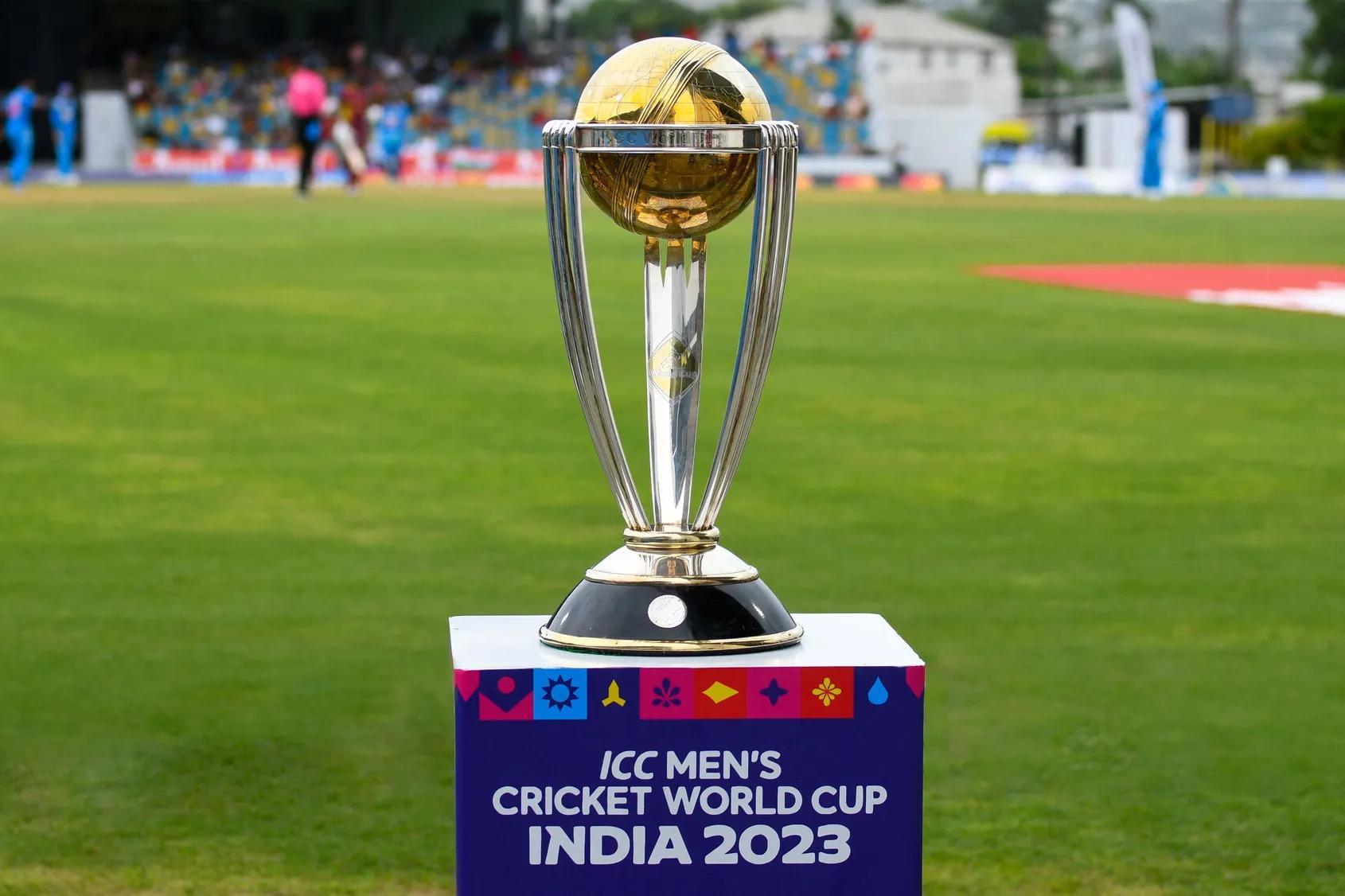
Cricket vs Football is a rivalry steeped in rich traditions and diverse audiences, making it a compelling subject for global sports comparison. While the FIFA World Cup captivates millions every four years, the Cricket World Cup showcases the sport’s immense popularity, particularly in countries like India and Pakistan. The debate surrounding the two sports often revolves around their demographics, as football enjoys a more widespread global participation while cricket holds a monumental following in specific regions. Understanding the popularity of cricket and how it contrasts with football’s outreach helps illustrate the complex dynamics of these beloved games. Ultimately, this discussion sheds light on the hearts of fans from different continents, revealing how sports can transcend cultural barriers.
The contention of cricket and football extends beyond mere statistics; it reflects a cultural phenomenon that resonates with diverse populations worldwide. Often referred to as the beautiful game, football brings together athletes and fans from all corners of the globe, while cricket, portrayed as a gentleman’s sport, captivates audiences with its thrilling narratives and historical significance, especially during tournaments like the T20 World Cup. Both sports carry their unique allure—football’s speed and agility starkly contrast with cricket’s strategic depth and tension. As we delve into this exhilarating comparison between the epochs of each game, we uncover how these sports have shaped identities and built communities worldwide. This exploration not only enhances our understanding of their appeal but also encapsulates the essence of global sports culture.
Understanding Global Sports from Cricket vs Football Perspectives
When exploring the global landscape of sports, the debate surrounding Cricket versus Football offers insightful contrasts that reflect participation and engagement. Football, also known as soccer in some regions, enjoys widespread recognition, with the FIFA World Cup standing as a monumental event celebrated worldwide. Its outreach exceeds all other sports, pulling crowds from Europe, Africa, and the Americas, and emphasizing its demographic diversity. Conversely, Cricket’s popularity is heavily concentrated in certain regions, predominantly in the Indian subcontinent, Australia, and England. This localized fervor juxtaposes against Football’s more universal appeal, posing the question: does more engagement mean greater global presence?
As fans passionately debate the Cricket and Football rivalry, the disparity in global sports comparison becomes clearer. While Cricket captivates a significant portion of the population primarily in its heartlands, such as India and Pakistan, Football’s universal allure spans numerous nations. The FIFA World Cup creates a thrilling sense of unity among countries, demonstrated by its diverse participating teams, while events like the Cricket World Cup showcase strong national sentiments but often lack the extensive global representation found in football. Therefore, analyzing the reach and demographics of both sports helps to demystify their global standing and the cultural connections that tie fans to these games.
The Demographics Dynamics in Cricket and Football
When dissecting the demographics of Cricket and Football, a notable contrast emerges. Cricket has made significant strides in global reach, yet its stronghold predominantly lies within the Indian subcontinent, representing about 59 percent of its engagement during events like the Cricket World Cup. Countries in this region reflect an overwhelming cricket culture, where social gatherings and local tournaments define not just the sport but the community’s identity. However, the lack of overwhelming representation from other regions indicates a more concentrated demographic, limiting Cricket’s perceived global status compared to Football.
On the other hand, Football benefits from a broader global participation base. Unlike Cricket, which thrives with high resonance in certain populous territories, Football’s demographics display a healthy distribution across continents. The FIFA World Cup, for instance, features teams from diverse backgrounds including Africa, Europe, and South America, creating a more inclusive representation of global sports demographics. This vast outreach evolves into a dynamic celebration, soliciting interest and engagement from fans around the world, further solidifying Football’s claim as a truly global sport.
The Headcount Influence in Cricket and Football
The headcount argument in sports, particularly in the context of Cricket and Football, sheds light on the population aspect driving each sport’s popularity. India, home to 1.45 billion people, plays a crucial role in the Cricketing landscape, significantly affecting tournaments like the Cricket World Cup, where Indian fans constitute a large demographic chunk. This concentration highlights how a substantial population can enhance a sport’s visibility and engagement, fostering a culture where Cricket isn’t just a game but a way of life for millions. However, this centralized focus also raises questions about the inclusivity of sports representation.
In contrast, Football defies population dynamics with its widespread appeal, which is embodied in global tournaments like the FIFA World Cup. Participating nations bring together diverse demographics that enrich the tournament’s atmosphere. This global inclusivity showcases players and fans from varied backgrounds and nations, making it a true celebration of sport on an international level. By examining headcounts and demographics, we can see how Football, despite sometimes having less concentrated fan bases than Cricket, remains remarkably influential across the globe.
Cultural Significance in Cricket and Football
The cultural significance of sports plays a massive role in determining their global status. Cricket, often interwoven with national pride in countries like India and Pakistan, serves as a cultural barometer, reflecting societal values and struggles. This intertwining of sport and culture helps Cricket thrive in regions where it is celebrated as more than just a game; it acts as a unifying force. Major events, such as the Cricket T20 World Cup, reflect national aspirations and community bonds, although the fallout can sometimes lead to heated rivalries that overshadow its unifying potential.
Football, conversely, has embraced a diverse cultural significance across the globe. With the FIFA World Cup acting as a melting pot for various cultures, it showcases an array of traditions, celebrating unity despite competitiveness. Fans across continents connect through Football, creating vibrant narratives of support that are critical to its identity. This cultural integration engenders a sense of belonging among fans, transcending geographical barriers and showcasing the importance of Football as a central cultural fixture in many countries.
Economic Impact of Cricket vs Football
The economic impact of Cricket and Football cannot be overstated, especially when considering their influence on local and global economies. In nations where Cricket prevails, such as India, the sport generates immense revenue through sponsorships, media rights, and ticket sales during major tournaments. The Cricket T20 World Cup is a prime example of this economic engine, drawing in substantial investments while also boosting ancillary sectors like hospitality and tourism. Additionally, the sport promotes grassroots initiatives, fostering local talent and stimulating growth in communities heavily engaged in cricket.
On the other hand, Football holds a colossal economic footprint worldwide. The FIFA World Cup represents one of the most lucrative sporting events, with global sponsorship deals and extensive media coverage. Beyond the extreme profitability associated with the tournament, Football clubs and leagues globally attract investments contributing to massive economic ecosystems. As fans flock to matches and merchandise sales soar, the financial implications stretch through multiple layers of the economy, making Football not only a sport but a significant economic driver on a vast scale.
Fan Engagement and Community in Cricket and Football
Fan engagement plays a pivotal role in the success and popularity of both Cricket and Football. In Cricket-loving nations like India, the fervor displayed by fans during tournaments such as the Cricket World Cup creates unprecedented engagement, leading to collective celebrations or heartaches that unify the nation. Communities rally around their teams, promoting inclusivity that transcends socioeconomic barriers. This passionate involvement elevates fan culture, as cricket matches transform into grand festivities viewed either on large screens or at packed stadiums, fostering deep-rooted connections.
Football manifests fan engagement similarly but on a broader scale, with international tournaments capturing the attention of millions across different continents. The FIFA World Cup mobilizes a diverse array of supporters, creating vibrant fan cultures in every host country, where each match becomes an event of national pride. This versatility in engagement allows clubs to cultivate strong communities whose support dynamics vary from inter-country rivalries to local club loyalties, indicating a widespread connection that is essential to Football’s global narrative.
Comparative Analysis of Major World Cups
When comparing major world events like the Cricket T20 World Cup and the FIFA World Cup, the differences in competitive structure and participation become apparent. The FIFA World Cup attracts 32 teams from various countries, representing an impressive global scope that emphasizes the universal love for football. This competitive variety fosters a thrilling atmosphere that draws millions of fans worldwide, making it a mesmerizing spectacle every four years. The inclusive nature of Football, where countries worldwide vie for glory, strengthens its position as a leading global sport.
In contrast, while the Cricket World Cup garners significant viewership, its participant list is comparatively shorter, often dominated by a handful of teams from cricketing strongholds. The structure focuses on the elite nations, which somewhat restricts its global reach. However, the recent inclusion of more teams in formats like T20 cricket has helped diversify the competition and introduce the sport to new demographics. While both World Cups highlight their respective sports, the factors affecting global participation display the critical distinctions between Cricket and Football.
Transition Towards Globalized Sports Strategy
Both Cricket and Football are witnessing a transition towards a more globalized approach as they seek to expand their reach. Cricket, traditionally concentrated in the Indian subcontinent, is showing potential for growth in regions like North America and parts of Africa. With initiatives focusing on introducing formats such as T20 matches in new markets, there is a clear strategy aimed at fostering interest and building fan bases in previously untapped areas. This global outreach is vital for Cricket to increase its footprint and achieve a balance with the already well-established Football.
Football, on the other hand, continues to thrive globally but faces challenges from emerging sports. Adopting new technologies, enhancing fan experiences, and expanding women’s leagues are some strategies employed to maintain its leadership in global sports. Engagement through digital platforms also plays a crucial role in retaining its fan base, thereby sustaining its position. Both sports, despite their current standings, exhibit a proactive response to globalizing their appeal, ensuring they resonate with future generations of fans.
Frequently Asked Questions
How does the popularity of cricket compare to football on a global scale?
The popularity of cricket versus football highlights significant differences in demographics and reach. While football, represented by events like the FIFA World Cup, garners a broader global audience across numerous countries, cricket has a concentrated following, particularly in the Indian subcontinent. India alone contributes to about 59% of the audience in cricket tournaments such as the Cricket World Cup. Therefore, while football enjoys more widespread participation, cricket boasts a significant depth of engagement in nations where it is most popular.
| Key Points | Cricket | Football |
|---|---|---|
| Population participation | Accounts for 59% of the demographic in its tournaments, primarily driven by India and Pakistan. | Has a more balanced demographic spread across many participating countries. |
| Global reach | Predominantly popular in the Indian subcontinent, limiting its audience. | Massive global following with a focus in Europe, Latin America, Africa, and Asia. |
| Participation of countries | Played actively in a limited number of countries, primarily those in the Commonwealth. | Widely played across over 200 countries and regions worldwide. |
| Event frequency | T20 World Cup occurs every two years, creating high engagement within a smaller fan base. | FIFA World Cup every four years, generating significant global excitement and viewership. |
Summary
Cricket vs Football has been a subject of ongoing debate, often hinging on the parameters of global reach and participation. While cricket boasts a massive following anchored mainly in the Indian subcontinent, particularly among its populous nations like India and Pakistan, football shines with a far-reaching demographic appeal spread across numerous countries. The paradox lies in the sheer number of participants versus the countries that embrace the sports; cricket’s popularity is concentrated, whereas football thrives in diversity, engaging fans from various cultural backgrounds. Ultimately, while cricket resonates deeply within specific communities, football’s ability to unite people globally marks its significant advantage, ensuring the debate around Cricket vs Football continues to evolve.