The recent cancellation of the Guwahati summit, initially set to host Japanese Prime Minister Sanae Takaichi, raises significant questions about Assam’s readiness for high-profile diplomatic events. As traffic disruptions caused by local activist Marshall Baruah’s mural painting highlighted the city’s infrastructural challenges, concerns over the preparedness for international engagement lingered. This setback not only reflects on the logistical issues but also connects to broader political tensions, including ongoing protests surrounding the Citizenship Amendment Act (CAA) in Guwahati. The hype surrounding the proposed summit, which was seen as a watershed moment for investment and development in the region, has been overshadowed by events that many say were avoidable. As the city reflects on this lost opportunity, all eyes will remain on how Assam responds to both the internal and external implications of this diplomatic disappointment.
The abrupt decision to cancel the anticipated summit in Guwahati marks yet another chapter in Assam’s recent political narrative, intertwining local activism with international diplomacy. The events leading to this cancellation demonstrate a recurring theme of disruption in the region, especially amid the backdrop of ongoing CAA protests and Marshall Baruah’s continuous defiance of state authority. Meanwhile, the noises surrounding the potential Japanese PM visit and investment prospects have faded, leaving citizens to ponder what could have been. Amid the cultural and political landscape painted by local artists like Baruah, the significance of such diplomatic gatherings often collides with grassroots movements and their aspirations for the future. This intersection of local sentiment and global attention encapsulates the complex dynamics at play in Assam’s quest for stability and growth.
Guwahati Summit Cancellation: A Diplomatic Dilemma
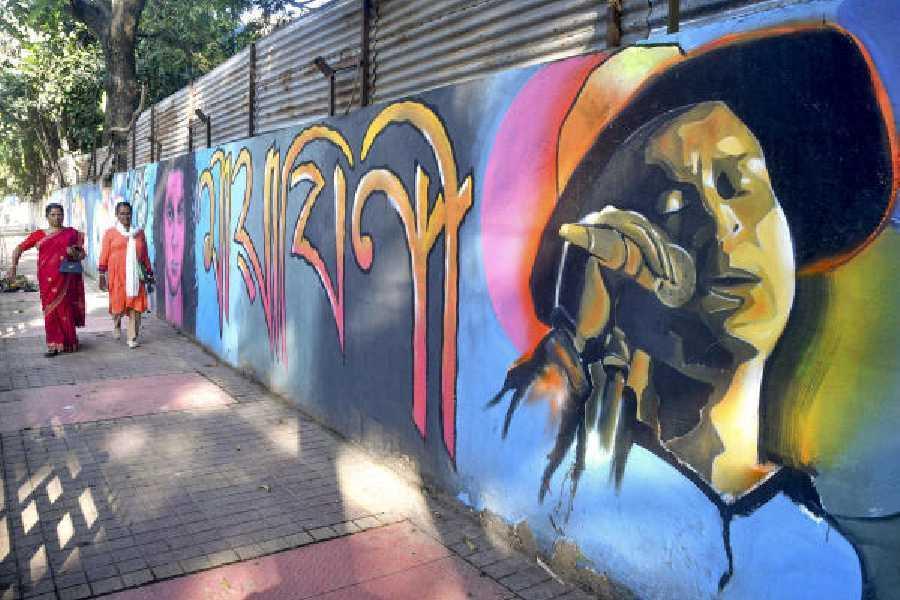
The unexpected cancellation of the Guwahati summit, which was set to be graced by Japanese Prime Minister Sanae Takaichi, has raised eyebrows across diplomatic circles. Initially perceived as a momentous occasion for Assam, the summit’s relocation to New Delhi signifies more than just logistical challenges; it highlights deeper issues within the state, particularly concerning social stability and infrastructure readiness. This disarray was epitomized in the traffic chaos caused by local artist Marshall Baruah’s mural painting, which inadvertently became a focal point of dissent amid summit preparations.
The ramifications of the summit cancellation reach beyond mere inconvenience; it undermines years of promotional efforts by Assam to enhance its international stature. The Japanese delegation’s experience in Guwahati—being stalled for hours due to traffic disruptions linked to political protests—served as a glaring indication of the state’s inability to provide a conducive environment for high-profile diplomatic events. This incident not only jeopardizes future engagements but also reflects poorly on Assam’s readiness to host international delegations, raising questions on the efficacy of its development initiatives.
Marshall Baruah: A Controversial Figure in Assam’s Political Landscape
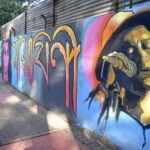
Marshall Baruah, an emblematic figure in Assam’s socio-political narrative, embodies the turbulent intersection of art and activism. His recent actions, particularly during the CAA protests, have painted a vivid portrait of resistance against the state government, led by Chief Minister Himanta Biswa Sarma. By transforming public spaces with politically charged murals, such as his latest homage to Zubeen Garg, Baruah has used his artistry as a platform for dissent, resisting authority at every turn. His defiance represents a broader generational yearning for change, echoing the frustrations of many youths in Assam.
Despite facing legal repercussions and warnings from authorities, Baruah’s persistent activism showcases the growing tensions between creative expressions of dissent and state control. His higher-profile art actions seem to strike at the heart of Assam’s political challenges and societal aspirations. As the region grapples with the implications of the CAA and subsequent protests, figures like Baruah emerge as both provocateurs and potential catalysts for meaningful dialogue in a landscape rife with division.
Frequently Asked Questions
What caused the Guwahati summit cancellation related to the Japan PM’s visit?
The Guwahati summit cancellation stemmed from various logistical issues exacerbated by traffic disruptions caused by activist Marshall Baruah’s mural painting. This traffic chaos occurred during critical moments when a Japanese delegation was in the city, leading to concerns about Assam’s preparedness to host such a high-profile event.
How did Marshall Baruah’s activities influence the Japan PM’s visit to Guwahati?
Marshall Baruah’s painting of a mural dedicated to Zubeen Garg created significant traffic disruptions in Guwahati, which directly impacted the Japanese delegation’s assessment of the city’s suitability for hosting the summit and ultimately contributed to the cancellation of the Japan PM’s visit.
What role did Assam traffic disruptions play in the cancellation of the Guwahati summit?
The traffic disruptions in Guwahati, particularly those linked to Marshall Baruah’s mural, played a crucial role in the cancellation of the summit. They were seen as indicative of Assam’s inability to manage major diplomatic events, leading to the decision to move the Japan PM’s visit to New Delhi instead.
What previous events are linked to the Guwahati summit cancellation involving Japanese dignitaries?
The Guwahati summit cancellation follows a pattern of disruptions linked to activism, notably the CAA protests, which also affected then Japanese Prime Minister Shinzo Abe’s visit to Assam in 2019. These repeated incidents highlight ongoing tensions and challenges in hosting high-profile diplomatic events in the region.
How did the public’s reaction to Marshall Baruah’s mural painting relate to the summit’s cancellation?
The public’s enthusiastic reaction to Marshall Baruah’s mural painting, which evolved into a demonstration, highlighted the tension between cultural expressions and governmental authority. This dynamic raised concerns about civil unrest during the Japan PM’s planned visit, contributing to the summit’s eventual cancellation.
What impact does Japan’s involvement in northeastern India have, particularly regarding the Guwahati summit?
Japan’s involvement in northeastern India is crucial for regional development, with significant investments through initiatives like the Japan International Cooperation Agency (JICA). The cancellation of the Guwahati summit due to local disruptions detracts from ongoing efforts to strengthen this partnership and attract Japanese investments, crucial for Assam’s economic growth.
Why was the Guwahati summit seen as a significant opportunity for Assam before its cancellation?
The Guwahati summit was viewed as a pivotal opportunity for Assam to showcase its readiness for international investment, particularly from Japan. With expectations of enhanced business dealings and a focus on infrastructural development, the cancellation highlights the ongoing struggles of Assam to position itself favorably for foreign investment.
How does the cancellation of the Japan PM’s visit affect Assam’s aspirations for growth?
The cancellation of the Japan PM’s visit represents a setback for Assam’s aspirations, as a high-profile event could have facilitated significant economic growth, investment opportunities, and strengthened diplomatic ties. The uncertainty surrounding such cancellations poses challenges for Assam’s developmental trajectory.
| Key Point | Details |
|---|---|
| Cancellation of Guwahati Summit | Japanese PM Sanae Takaichi’s visit to Guwahati was canceled due to traffic jams caused by cultural activities, leading to concerns over preparedness. |
| Marshall Baruah’s Mural Protest | Baruah painted a mural of Zubeen Garg, which was seen as a demonstration during a critical time for the Japanese delegation. |
| Historical Context | This marks the second time within seven years that a Japanese PM’s visit to Guwahati has been canceled due to local protests. |
| Impact of Japanese Investment | Japan has played a crucial role in Assam’s regional development through JICA, impacting infrastructure and economic opportunities. |
| Political Tensions | Baruah’s actions are seen as defiance against the Assam government, linking local activism to broader diplomatic relations. |
Summary
The cancellation of the Guwahati summit has significant repercussions for diplomatic relations and local activism in Assam. Traffic disruptions during the Japanese Prime Minister’s planned visit highlighted both infrastructural issues and political tensions, culminating in the relocation of the summit to New Delhi. This event underscores the intricate relationship between local protests and international diplomacy, especially as Assam strives for international attention and investment in its development.