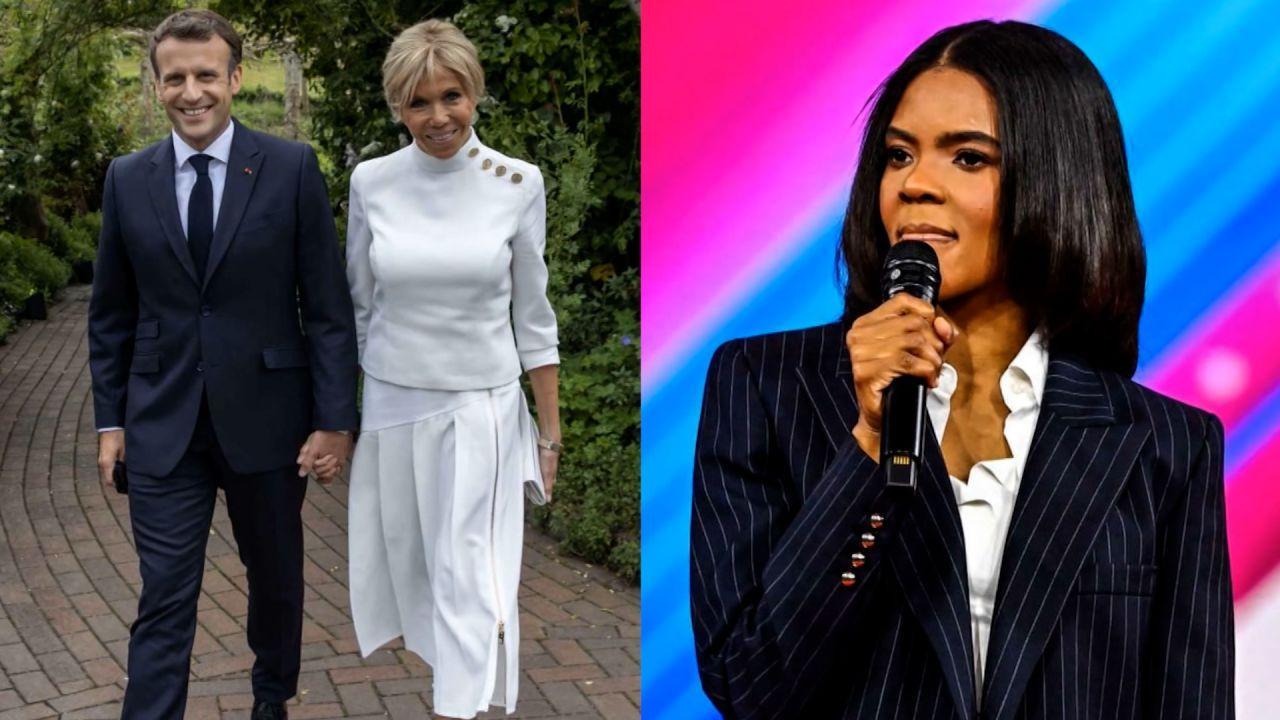
In the wake of Charlie Kirk’s untimely demise, the controversy surrounding his alleged final text message has ignited a heated debate among conservative commentators. Candace Owens has openly challenged Andrew Kolvet, the spokesperson for Turning Point USA, regarding differing accounts of Kirk’s last message. According to Owens, Kolvet initially expressed uncertainty about who Kirk referred to in his final hours, only to later assert that the message was directed at leftists. This reversal has drawn sharp scrutiny, as it raises questions about the authenticity of Kolvet’s public statements amidst the turmoil surrounding Kirk’s death. As opinions diverge on this pivotal moment, the discourse highlights the complexities of the Turning Point USA controversy and its implications for both personal narratives and broader conservative movements.
The recent developments regarding Charlie Kirk’s alleged last communication have sparked renewed interest and debate among political circles. With Candace Owens disputing Andrew Kolvet’s claims about what Kirk supposedly said in his final moments, questions linger about the accuracy and interpretation of such significant messages. This discussion has opened the floodgates to conversations about Kirk’s ideological stance leading up to his death, particularly in relation to perceived threats from the left. Advocates and critics alike have taken to social media to express their views, emphasizing the dichotomy of perspectives in the conservative sphere. As the narrative evolves, it underscores how the discourse surrounding a prominent figure’s last hours can shape future dialogues within right-leaning platforms.
Candace Owens Challenges Andrew Kolvet’s Interpretation of Charlie Kirk’s Final Text Message
In a recent public clash, Candace Owens has put Turning Point USA spokesman Andrew Kolvet under scrutiny regarding his interpretation of Charlie Kirk’s alleged final text message. Owens asserts that Kolvet’s statements have varied significantly from what he communicated to her shortly after Kirk’s tragic death. She points out that during their conversation, Kolvet expressed uncertainty about whom Kirk was referring to when he purportedly texted, ‘they are going to kill me.’ This discrepancy has opened a Pandora’s box of debates on social media, with spectators questioning the veracity of both individuals’ claims and how they shape the narrative around Charlie Kirk’s untimely demise.
The revelation that Andrew Kolvet might have altered his account in light of public perception has led many to explore deeper implications regarding the circumstances of Kirk’s death. The broader ramifications go beyond just personal disagreements, delving into the ethics of how the final statements of public figures are portrayed following their passing, especially within the politically charged environment of conservative media. As Owens continues to challenge Kolvet’s version, the discourse reflects the ongoing controversy surrounding Charlie Kirk’s legacy and the roles both Owens and Kolvet play in it.
Owens’ intervention has gathered mixed responses, with some supporters praising her for demanding accountability in a narrative that many believe has been manipulated for political gain. Others have questioned her motivations, suggesting that this could be an opportunistic move to elevate her profile within the conservative circles. Furthermore, she has raised critical questions regarding the accuracy of the event’s reporting and how those in the public eye should handle sensitive information pertaining to personal tragedy. The resulting debate not only highlights the nuances of their interaction but also reveals the intense scrutiny surrounding Turning Point USA and its leaders in the wake of Kirk’s death, which has always been a contentious topic among conservatives.
The Ongoing Debate Over the Circumstances of Charlie Kirk’s Death
The controversy surrounding Charlie Kirk’s death continues to resonate within conservative circles, especially as conflicting narratives emerge from prominent figures like Candace Owens and Andrew Kolvet. The debate has led many key conservatives to weigh in on the implications of their claims about Kirk’s final hours, with discussions ranging from speculations on the motives behind his alleged statements to broader reflections on media ethics and the responsibilities of spokespeople in the wake of personal tragedy. As each day passes, the debate only intensifies, drawing in supporters and critics alike, each fervently defending their perspectives and seeks to establish the ‘truth’ surrounding Kirk’s last days.
As the Turning Point USA controversy unfolds, it also raises urgent questions about the fragility of narratives in today’s media landscape. The public’s reaction to the differing accounts regarding Kirk’s last text message underscores a deep-seated desire for clarity and truth in political discourse, especially when dealing with the legacies of influential figures. The potential shifts in narratives reveal an increasingly polarized environment where individuals are quick to select sides based on allegiance, further fracturing the understanding of Kirk’s intended messages. Ultimately, the lack of clear evidence backing either Owens or Kolvet’s claims leaves the discussion open-ended, a reflection of the broader divisions within the conservative movement.
Exploring the Impact of Charlie Kirk’s Alleged Last Text Message
The alleged final text message from Charlie Kirk has catalyzed a series of debates, transforming a personal tragedy into a broader conversation about the beliefs and concerns that defined his time as a conservative commentator. Controversies typically surrounding turning points within political movements are often fraught with emotion and speculation. In this instance, Kirk’s supposed assertion that ‘they are going to kill me’ reveals a deep-seated paranoia often expressed within far-right circles regarding threats from perceived leftist adversaries, creating a narrative that some believe serves political agendas rather than genuine reflection on personal experiences.
As discussions elevate around the implications of such a text, experts highlight that this represents a critical moment for conservative outlets and figures such as Owens and Kolvet. The urgency with which they grapple with Kirk’s final hours illustrates how the memory of public personas can be significantly influenced by the interpretations of their close associates, resulting in a narrative that not only frames their legacies but also shapes future dialogues in American conservative politics. As Owens and Kolvet maintain contrasting positions on the interpretation of Kirk’s last message, the ongoing conversation epitomizes the struggles within political discourse where facts, feelings, and beliefs collide.
The Role of Social Media in the Turning Point USA Controversy
Amidst the ongoing debate surrounding Charlie Kirk’s death and interpretations of his final moments, social media has carved out a pivotal role in amplifying expressions from both sides. Platforms like Twitter have transformed into battlegrounds where supporters of Candace Owens and Andrew Kolvet engage in heated discussions, often driven by personal convictions and allegiances. These interactions serve not just as a means for individuals to voice their opinions, but as a reflection of the polarized climate that defines contemporary political conversations. The rapid exchange of perspectives on social media has made it easier for misinformation and conjecture to flourish, muddling the waters of an already complex situation.
In the age of instant communication, the narratives surrounding Charlie Kirk’s alleged last text message and the subsequent interpretations become more than just a matter of personal accounts—they morph into larger symbols of factional alignments within the conservative movement. Supporters rally behind their preferred spokesperson, while critics seize on alleged contradictions to argue for a more nuanced understanding of the situation. The speed at which these conversations evolve underscores a significant shift in how political controversies are dissected and discussed, suggesting that the role of social media may prove to be a double-edged sword in shaping political discourse moving forward.
Analyzing the Back-and-Forth Between Owens and Kolvet
The heated exchanges between Candace Owens and Andrew Kolvet have brought to light not only their differing points of view regarding Charlie Kirk’s last text message but also the broader dynamics of trust and credibility within the conservative movement. This public feud exemplifies how individuals in power can have their narratives discreetly amplified or diminished, depending on the allegiance of those discussing them. Owens’s challenge to Kolvet’s claims acts as a microcosm of larger disputes within conservative circles regarding who authentically conveys the messages of influential figures like Kirk and how these messages should be interpreted following their deaths.
Each public declaration or social media rebuttal contributes to the ongoing saga, as both figures have their champions and detractors. Owens’ persistent questioning of Kolvet’s integrity in recounting Kirk’s final hours marks a significant point in these exchanges where the rivalry between personal experience and public presentation is starkly highlighted. This dynamic could lead to further questioning of how the conservative narrative is constructed and disseminated, particularly in moments of crisis or tragedy, ultimately raising the stakes for all involved.
Media Ethics Surrounding Reporting on Charlie Kirk’s Death
The circumstances surrounding Charlie Kirk’s death invoke critical conversations regarding media ethics, especially in how narratives are built and deconstructed in the aftermath of personal tragedies. With much of the discourse being shaped by public figures like Candace Owens and Andrew Kolvet, the responsibilities inherent in conveying accurate information have come to the forefront. In the age of sensationalism, where narratives can be easily skewed to fit political goals, the dichotomy between responsible reporting and opportunistic speculation can be a fine line. This is particularly relevant when discussions involve sensitive topics such as alleged final words or concerns expressed by the deceased.
The ongoing dispute regarding Kolvet’s and Owens’ claims emphasizes a need for ethical standards in media reporting, especially when dealing with the complexities of personal narratives in public discourse. Both figures have essential roles in shaping how Kirk’s legacy is viewed, raising questions not only about their interpretations but also about the integrity of the information they provide. This ethical quagmire not only complicates public perception but also underscores the pressing need for corroborated evidence in order to navigate the emotional landscape that follows a public figure’s death, particularly one as polarizing as Kirk.
Public Reactions to the Dispute Over Charlie Kirk’s Alleged Last Words
The public response to the unfolding debate over Charlie Kirk’s supposed last words has illustrated the passionate divides within the conservative community. Social media platforms have witnessed a flurry of activity, with users expressing both support for Candace Owens’ challenges to Andrew Kolvet and condemnation of what some view as opportunism. The varying degrees of confidence displayed by each figure in their assertions have led to intense scrutiny, with many questioning not only the motivations behind their claims but also the implications of using Kirk’s death as a backdrop for political allegiances. The ongoing dialogue plays out in real time, with reactions often shaped by the audience’s existing biases and perceptions of both the participants involved.
As the narrative has developed, it has become apparent that many supporters see Kirk’s death as a rallying point for broader concerns regarding safety and freedom of speech among conservatives. Conversely, others are wary of how the narrative is being shaped and the potentially detrimental effects of politicizing a personal tragedy. This nuanced landscape serves as a reminder of how an individual’s last words can transcend personal circumstance to spark widespread discussion in the political arena, raising vital questions about the values and beliefs that drive such reactions.
The Future of Turning Point USA After Kirk’s Death
In the wake of Charlie Kirk’s passing, the implications for Turning Point USA unfold as a complex narrative of leadership and legacy. Kirk was not merely a spokesperson; he was a figurehead who galvanized numerous individuals to embrace conservative ideals. As the organization continues to navigate through the controversies tied to his death and the subsequent debates over his final words, the task of securing its future direction becomes paramount. Key stakeholders within the organization are now faced with maintaining the mission that Kirk championed while also addressing the internal and external pressures stemming from the public discourse surrounding his passing.
Looking ahead, Turning Point USA must consider how it presents itself in the wake of Kirk’s legacy and the controversies that have arisen since his death. Balancing the respect for Kirk’s influence with the need for clarity and consistency in messaging will be crucial. The organization’s ability to effectively address disputes like those involving Owens and Kolvet may ultimately define its credibility and longevity within the conservative movement, determining whether it can adapt to an ever-evolving political landscape marked by frequent strife and division.
Frequently Asked Questions
What controversy surrounds Charlie Kirk’s final text message between Candace Owens and Andrew Kolvet?
The controversy regarding Charlie Kirk’s final text message involves Candace Owens disputing Andrew Kolvet’s account. After Kirk’s death, Kolvet claimed that Kirk was concerned about threats from leftists. However, Owens alleged that Kolvet told her privately that Kirk’s message was cryptic and didn’t specify who he was fearing, stating that he had texted, ‘they are going to kill me’ the night before. This discrepancy has intensified discussions about the circumstances surrounding Kirk’s last hours and has highlighted divisions within conservative circles.
| Key Point | Description |
|---|---|
| Charlie Kirk’s Alleged Final Text | Owens claims Kolvet initially told her Kirk texted about a threat to his life the night before his death. |
| Discrepancy in Accounts | Kolvet later claimed the text referred to leftists, igniting debate over the accuracy of his statements. |
| Public Reaction | Owens’ comments sparked discussions online, with supporters and critics of both parties voicing their opinions. |
| Kolvet’s Defense | Kolvet stood by his claims on social media, asserting that Kirk was worried about leftist threats. |
| Ongoing Controversy | The dispute highlights divisions in conservative media and continues to generate public interest. |
Summary
Charlie Kirk’s final text message continues to be a subject of intense debate, especially after Candace Owens publicly disputed Andrew Kolvet’s account. This controversy accentuates the conflicting narratives among conservative circles regarding the meaning and implications of Kirk’s last communications. The diverging accounts between Owens and Kolvet raise critical questions about accountability and transparency in discussions surrounding Kirk’s tragic death. As the dialogue unfolds, it keeps Charlie Kirk’s legacy at the forefront, revealing underlying tensions that persist in the conservative community.