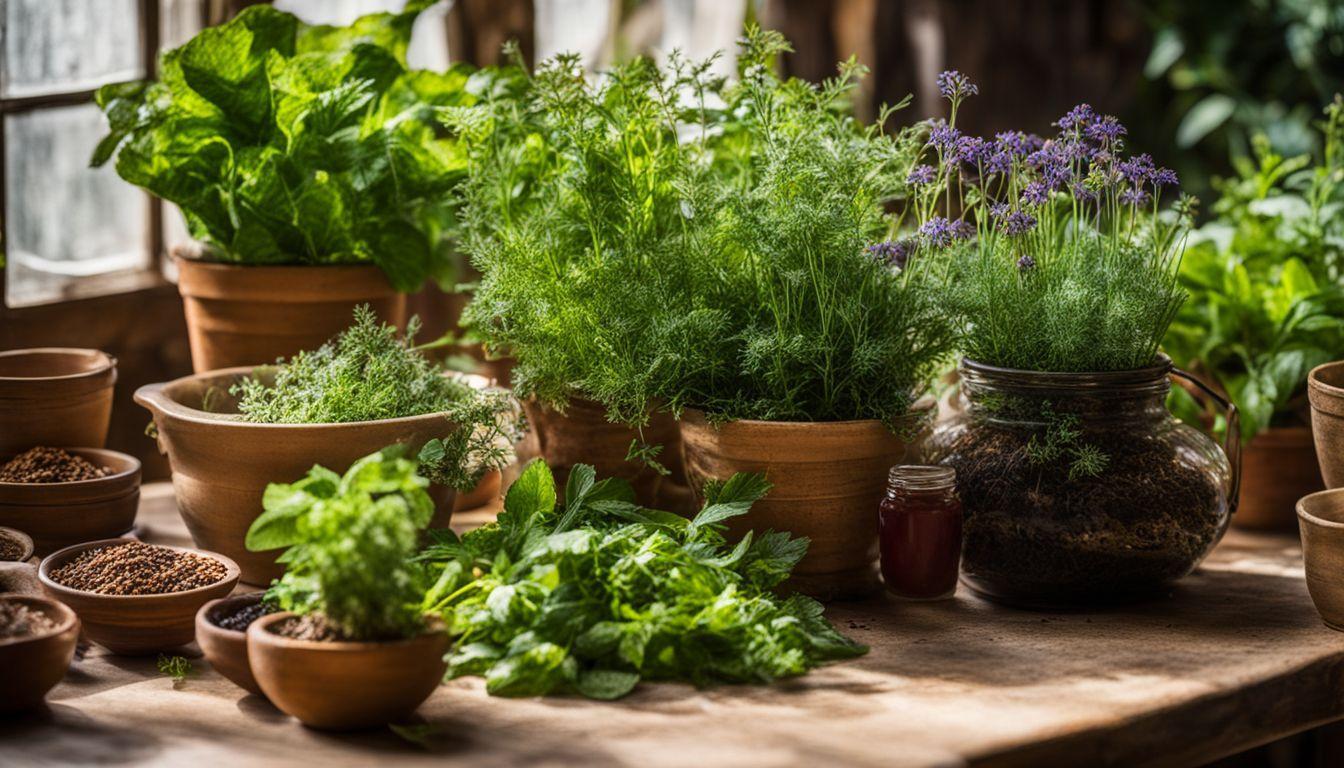
Growing coriander from roots is not only an economical way to ensure a fresh supply of this popular herb, but it also transforms kitchen scraps into a bountiful garden. As many home cooks know, coriander is a staple in various cuisines, lending its vibrant flavor and aroma to countless dishes. By learning the simple steps for how to grow coriander from discarded roots, enthusiasts can cultivate this essential ingredient at home while enjoying the satisfaction of sustainable gardening. This method of growing herbs at home is perfect for beginners looking for easy coriander growing techniques. With just a little effort and a few coriander gardening tips, you can have a continuous supply of aromatic leaves right in your kitchen.
When it comes to cultivating fresh cilantro, the process of sprouting it from leftover roots has emerged as a delightful and resourceful gardening practice. Known for its versatility in culinary applications and vibrant green leaves, cilantro can be effortlessly nurtured from kitchen scraps, making it a fantastic choice for those who wish to garden without waste. This article explores the exciting journey of fostering these aromatic herbs at home by utilizing coriander stems, offering practical insights into the world of herb cultivation. From choosing the right potting mix to ensuring optimal sunlight and moisture, we will delve into effective strategies that empower anyone to enjoy their very own homegrown cilantro. Join us as we unlock the secrets to growing this beloved herb right from its roots!
Growing Coriander from Roots: A Beginner’s Guide
Growing coriander from roots is a simple and sustainable method that can transform your kitchen scraps into a thriving herb garden. Many individuals may not realize that the discarded roots from store-bought coriander can be effectively propagated to produce new leaves. This method is particularly appealing for beginners who want to start their gardening journey without the need for complicated procedures or extensive space. The process of replanting roots is not only easy but also provides immediate gratification as you can start seeing new shoots within days.
To successfully grow coriander from roots, it’s essential to choose fresh, healthy roots directly from a market bunch. Once you’ve acquired the roots, simply plant them in a small pot that has well-draining soil. Ensure that a portion of the stems remains above the soil line to facilitate new growth. With the right amount of sunlight and care, including watering techniques that prevent over-soaking, your coriander roots will soon flourish into a lush plant, enabling you to enjoy fresh, fragrant coriander leaves at your fingertips.
Easy Coriander Growing Tips for Home Gardening
When it comes to growing herbs at home, coriander is one of the most accessible choices. Not only is it a popular ingredient in various cuisines, but it’s also quite forgiving when it comes to the care it requires. Starting your coriander gardening can be as easy as saving the roots of the bunch you purchased for cooking. By following simple home gardening tips, you can have fresh coriander ready for your dishes without needing to make constant trips to the grocery store.
To ensure successful growth, keep your coriander in a location that receives ample sunlight. Ideally, aim for about four to six hours of sunlight per day; the morning sun is particularly beneficial, especially during hotter months. Remember to water your plants regularly, but allow the surface of the soil to dry out slightly in between. Incorporating compost into your soil mixture can also promote healthy growth. With these easy coriander growing strategies, you’ll not only save money but also enjoy the satisfaction of home-grown herbs in your cooking.
The Benefits of Growing Coriander at Home
Growing coriander at home offers numerous benefits, extending far beyond just having fresh herbs at your disposal. One of the primary advantages is cost-saving. By cultivating your own coriander, you can reduce grocery expenses associated with purchasing fresh herbs that often spoil before they can be fully utilized. Additionally, home gardening allows for greater control over the growing process, including being able to ensure that no harmful pesticides are used. Freshly harvested coriander also retains more nutrients, enhancing the flavor and quality of your dishes.
Moreover, growing herbs at home can be a therapeutic activity that allows individuals to reconnect with nature. Tending to plants can provide a sense of accomplishment and a reprieve from the daily hustle and bustle. For many enthusiasts, the joy of watching the plant flourish and harvesting leaves for their meals can be immensely rewarding. As you incorporate fresh coriander into your recipes, you’ll find not only an enhancement in flavor but also a deepened appreciation for the food you prepare.
Essential Care for Your Coriander Plants
Providing the right care for your coriander plants is crucial for ensuring robust growth and a steady supply of fresh leaves. This involves being mindful of the growing environment, particularly in terms of sunlight and water. As coriander requires a balance of moisture and air in the soil, it’s important to provide well-draining potting mix and to water adequately without causing sogginess. Many successful home gardeners recommend checking the soil moisture level daily, especially in warmer seasons when evaporation is rapid.
In addition to proper watering and sunlight, routine harvesting can significantly enhance your coriander plant’s productivity. By regularly snipping off the outer leaves, you promote new growth from the center of the plant, allowing it to remain lush and productive for a more extended period. Frequent harvesting also encourages the plant to branch out, leading to a bushier, healthier structure. In conjunction with occasional feeding of diluted compost, your coriander will thrive and provide culinary delights straight from your garden.
Sustainability in Herb Gardening: Coriander Cultivation
Sustainability has become an essential principle in gardening, and growing coriander can exemplify this perfectly. By choosing to cultivate herbs from discarded kitchen scraps like coriander roots, you engage in eco-friendly gardening practices that contribute to reducing waste. This method not only helps in resource preservation but also encourages a circular economy within your kitchen — turning what would likely be thrown out into a potentially endless supply of fragrant herbs.
Moreover, this sustainable approach can easily be adapted to small urban gardening setups. Whether you have a balcony or just a windowsill, you can optimize space while utilizing efficient gardening techniques. As you learn about sustaining your coriander plants, you can also expand into other herbs, making your home a green oasis and continually adding to your culinary options. Gardening sustainably by growing your own coriander is a rewarding and environmentally-friendly hobby that can inspire many others to follow suit.
The Role of Soil Quality in Coriander Growth
The quality of soil is a fundamental aspect of successful coriander growing. For optimal growth, the soil should be rich, well-draining, and nutrient-filled, as coriander thrives in fertile conditions. When preparing your pot or garden bed, consider mixing regular potting soil with organic compost or vermicompost. This mixture will give your coriander not just the nutrients it needs but also enhance its flavor and aroma, making your home-grown herbs more enjoyable in your culinary creations.
Additionally, soil composition influences the water retention capabilities, which is vital for coriander since it prefers evenly moist conditions. Avoid pasting your soil with too much water, as excessive moisture can lead to root rot and hinder growth. By ensuring that your soil is well-aerated and nutritious, you will foster a healthy environment for your coriander plants to thrive and bear aromatic leaves throughout growing seasons.
Coriander Gardening: A Culinary Adventure
Embarking on coriander gardening can open up new culinary adventures, introducing you to a variety of dishes and flavors enriched by your fresh harvest. This vibrant herb is not only easy to grow but also versatile in use, adding a fresh kick to salsas, salads, and many Asian dishes. With the liberty to snip off leaves as needed, you can enjoy their peak flavor, transforming everyday meals into extraordinary culinary experiences.
Beyond the practical aspect of having fresh herbs available, cultivating coriander allows you to experiment with your creative cooking skills. The process of growing, maintaining, and harvesting coriander can inspire you to try out new recipes or modify classic dishes by incorporating home-grown ingredients. This interaction with your herbs helps deepen your appreciation of cooking and solidify cooking as a joyful and sustainable practice that enhances your lifestyle.
Transforming Kitchen Scraps into Culinary Delights
One of the most rewarding aspects of growing herbs at home is the potential to transform kitchen scraps into thriving plants. By utilizing coriander roots, often thrown away as waste, you can start a miniature garden that not only beautifies your kitchen but also contributes to your meals. This sustainable practice emphasizes the importance of waste reduction and allows you to make the most of each ingredient.
Implementing this method encourages a mindset shift, caring for plants that come directly from your everyday cooking activities. For instance, after enjoying a coriander garnish, you can plant the remaining roots, witness them sprouting into new life, and ultimately enjoy the fruits of your labor. This cycle of growth enhances both your cooking experience and your conscience about food waste, promoting an eco-friendly approach to meal preparation.
Harvesting and Enjoying Your Coriander
Harvesting your coriander is perhaps the most exciting part of the growing process. As the plants mature and begin to produce lush green leaves, you’ll be eager to include them in your cooking. Regular harvesting not only enhances the flavor intensity of your dishes but also promotes additional growth in your coriander plant. Begin by snipping the outer leaves, allowing the center to keep producing fresh shoots, which ensures a continuous supply of this delicious herb.
To ensure that you are getting the most out of your harvest, it’s best to enjoy the leaves young and tender. Whether you’re adding them to a refreshing salad, crafting a zesty salsa, or simply using them as a garnish, fresh coriander straight from your home garden provides unparalleled flavor and nutrition. This engagement with your food, from seed or root to plate, creates a deeper connection to your meals, making home cooking an even more fulfilling experience.
Frequently Asked Questions
How can I effectively start growing coriander from roots at home?
Growing coriander from roots is a simple process that can yield fresh leaves for your kitchen. Start by choosing fresh coriander roots from the market, ensuring they are intact. Plant them in a small pot filled with rich, well-draining soil, leaving about 3-5 cm of the stem above the soil. Place the pot in a location that receives 4-6 hours of sunlight daily. With regular watering and care, you can enjoy fresh coriander leaves without needing to purchase them repeatedly.
| Step | Description |
|---|---|
| 1. Choose Between Seeds and Fresh Roots | Coriander can be grown from seeds or the roots of fresh market bunches. Root propagation is quicker and yields shoots within days. |
| 2. Use a Small Pot with Rich Soil | Select a small pot with good drainage, filled with loose, well-draining soil mixed with compost for optimal growth. |
| 3. Sow Seeds or Roots Correctly | Lightly crush seeds before sowing, or plant healthy roots just above the soil line to encourage new growth. |
| 4. Give It Sunlight and Steady Water | Coriander needs 4-6 hours of sunlight daily and should be watered when the top layer of soil feels dry. |
| 5. Harvest Often and Feed Lightly | Regularly snip outer leaves to encourage growth, and feed with a little compost every few weeks. |
Summary
Growing coriander from roots not only transforms discarded kitchen scraps into fresh herbs but also enriches your culinary experience effortlessly. With the right technique, including proper soil and sunlight, even beginners can cultivate this aromatic herb successfully at home. By following the five easy steps—choosing the right medium, maintaining ideal growing conditions, and harvesting wisely—you can enjoy a continuous supply of fresh coriander leaves right from your balcony or kitchen, thereby enhancing your cooking without the hassle of frequent grocery runs. Say goodbye to store-bought options and embrace the simplicity and satisfaction of growing coriander from roots today!