

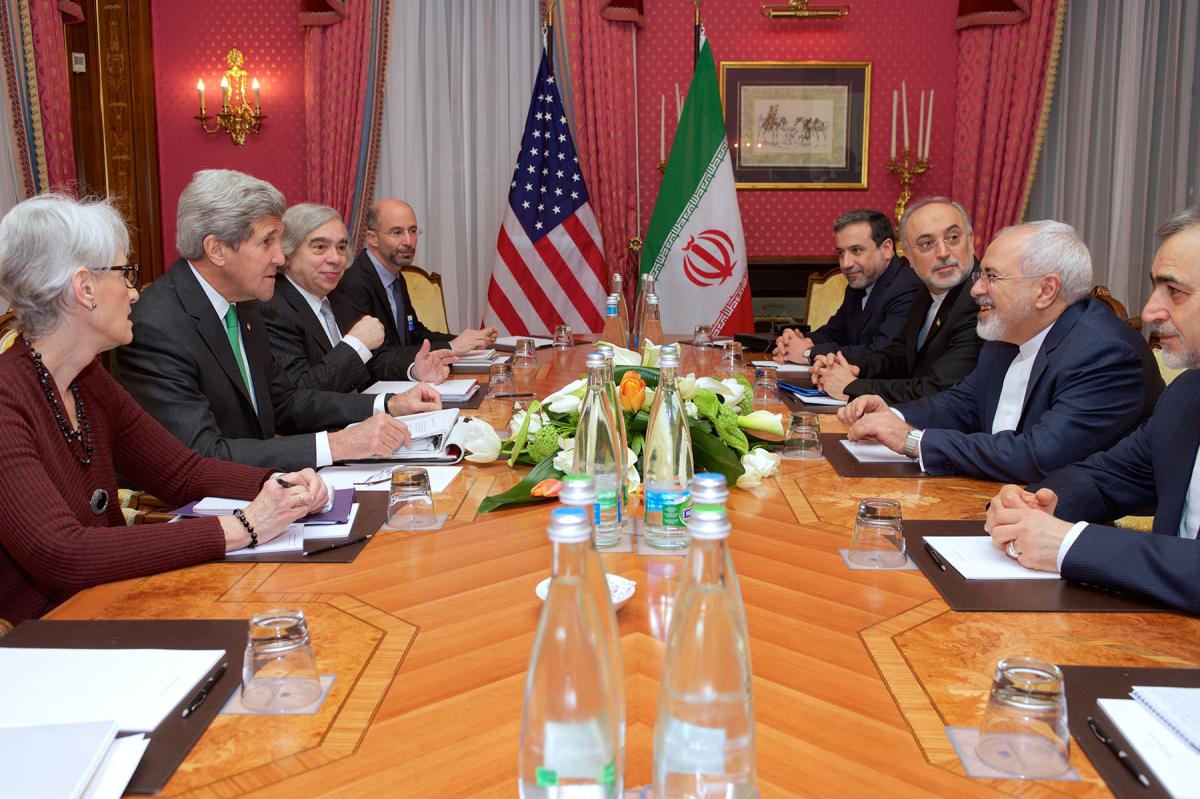
Iran’s staunch rejection of U.S. President Donald Trump’s ’48-hour ultimatum’ highlights the escalating tensions in Iran and US relations. With a direct threat to dismantle vital infrastructure if a deal is not brokered, Trump has intensified fears of a potential military confrontation that could exacerbate Middle East instability. As tensions in the strategically significant Hormuz Strait continue to rise, Iran remains resolute in its position against perceived aggression. This standoff not only affects the Iranian nuclear deal negotiations but also raises serious questions about the future of diplomatic relations between the two nations. With the stakes higher than ever, Iran’s response to Trump’s ultimatum will be critical in shaping the geopolitical landscape of the region.
The ongoing diplomatic crisis between Iran and the United States has provoked a vigorous discourse surrounding President Trump’s recent threats. This latest episode underscores a broader conflict that has been simmering in the Middle East, characterized by fears of military escalation and economic sanctions. As both nations navigate the complexities of international negotiations, the implications of these threats could have far-reaching consequences for regional stability and the delicate balance established by the Iran nuclear deal. The various mechanisms of potential retaliation and resistance are now being scrutinized, especially as tensions in key waterways like the Hormuz Strait remain a focal point of global attention. In this intricate scenario, the diplomatic engagements—or lack thereof—between Tehran and Washington could define the future of their tumultuous relationship.
Iran’s Defiance in Response to Trump’s Ultimatum
In a dramatic turn of events, Iran has categorically rejected U.S. President Donald Trump’s ultimatum to reach an agreement within 48 hours. This ultimatum, which threatened severe repercussions, was aimed at pressuring Iran to negotiate terms favorable to U.S. interests. However, Iranian officials dismissed the threat, asserting their sovereignty and resilience against what they perceive as coercive tactics. The response underscores the escalating tensions between Iran and the United States, a relationship characterized by hostility since the withdrawal of the U.S. from the Iran nuclear deal.
Iran’s retort not only emphasizes its steadfastness but also reflects a broader context of Middle East instability. As the region grapples with numerous conflicts and shifting alliances, Iran’s stance serves as a reminder of its pivotal role in maintaining a balance of power in the Hormuz Strait, a critical maritime chokepoint for global oil supplies. By rejecting Trump’s ultimatum outright, Iran is signaling that it will not yield to external pressures that threaten its national interests or its people.
The Impact of Hormuz Strait Tensions on Iran-US Relations
The Hormuz Strait has long been a flashpoint in Iran-US relations, particularly amid heightened military rhetoric and strategic maneuvers. Control over this narrow corridor is vital for global oil shipments, with approximately 20% of the world’s petroleum passing through it. The tensions in this region have significant implications for international security and the stability of oil markets. Iran’s navigational rights in this strait have been fiercely protected, and any perceived threats from the U.S. create an atmosphere of mistrust and confrontation.
Moreover, the situation in the Hormuz Strait directly ties into the larger narrative of the Iran nuclear deal and its fallout. Trump’s approach to Iran has been marked by aggressive sanctions and diplomatic isolation, actions that have only intensified Tehran’s resolve to maintain its influence in the region. The U.S. ultimatum can be seen as a strategy to undermine Iranian capabilities, yet it often backfires, leading Iran to take firmer stances against interference and assert its commitment to its nuclear program.
The Nuclear Deal’s Influence on Iran’s Current Stance
The Iran nuclear deal, formally known as the Joint Comprehensive Plan of Action (JCPOA), was a pivotal agreement aimed at curbing Iran’s nuclear ambitions in exchange for the lifting of economic sanctions. Since the U.S. withdrawal from the deal in 2018, Iran has faced increasing isolation and economic hardship, which has prompted a series of retaliatory measures. As the current geopolitical climate shifts, the status of the JCPOA remains a crucial factor in Iran’s responses to U.S. demands and threats, including Trump’s recent ultimatum.
With the essence of the nuclear deal under threat, Iran’s posture becomes more defiant. The regime emphasizes that any negotiations must respect its rights and sovereignty while reaffirming its commitment to its nuclear program amidst ongoing sanctions. The rhetoric surrounding Trump’s ultimatum reflects a deepened distrust that complicates diplomatic efforts and leads to further instability in the region.
Repercussions of Trump’s Ultimatum on Middle East Stability
Trump’s ultimatum has far-reaching consequences for the stability of the Middle East, a region already fraught with conflicts and humanitarian crises. By issuing a deadline perceived as aggressive, it risks escalating military confrontations not only between Iran and the U.S. but also with regional allies and adversaries. The dynamics in the Middle East are precarious, and any miscalculation could lead to broader conflicts, affecting not just Iran but neighboring countries like Iraq and Saudi Arabia, all of which have vested interests in the stability of the region.
Furthermore, the rhetoric surrounding such ultimatums stirs up nationalism and anti-American sentiment within Iran and potentially across the region. The resulting tensions not only hamper diplomatic negotiations but also threaten any prospects for peace or reconciliation. As each side fortifies its stance, the likelihood of dialogue diminishes, leaving the Middle East to grapple with the specter of war, exacerbated by Trump’s pressure tactics and Iran’s firm resolve.
Global Reactions to Ongoing Tensions Between Iran and the US
The ongoing tensions between Iran and the United States, particularly in light of Trump’s ultimatum, have not gone unnoticed on the global stage. Various nations have expressed concern over the escalating rhetoric and the potential for conflict, advocating for diplomatic resolutions rather than military engagements. Countries that rely heavily on oil shipments through the Hormuz Strait are particularly anxious about the implications for regional security and their economies.
In contrast, some nations may view Trump’s ultimatum as a strategic move to realign geopolitical power in the Middle East. Allies in the region, such as Israel and Gulf states, may interpret Iran’s defiance as a threat to their security, leading to increased military coordination among them. This global interplay adds another layer of complexity to an already volatile situation, highlighting the need for a balanced approach focusing on diplomacy rather than ultimatums.
Iran’s Strategic Positioning in International Politics
Iran’s response to Trump’s ultimatum not only illustrates its national resolve but also showcases its strategic positioning in the realm of international politics. The country has adeptly navigated through various diplomatic challenges, leveraging its geographical and political strengths to maintain its influence. In the face of isolation, Iran has sought alliances with other nations opposed to U.S. hegemony, reinforcing its position as a pivotal player in Middle Eastern geopolitics.
The strategic importance of Iran is multifaceted, impacting global energy supplies and regional security frameworks. By allowing itself to be viewed as a defiant actor in response to external pressure, Iran is simultaneously shaping its international narrative. The rejection of Trump’s ultimatum can be interpreted as an assertion of autonomy in a world increasingly dominated by big-power politics, making Iran a focal point in discussions surrounding U.S. foreign policy and Middle Eastern stability.
The Role of Sanctions in Iran’s Foreign Policy Strategy
Sanctions have played a crucial role in shaping Iran’s foreign policy strategy, particularly following the U.S. abandonment of the nuclear deal. As economic pressures mount, Iran has sought to counteract these sanctions through resilient economic policies and fostering closer ties with other nations, including the European powers and Russia. The strategic use of sanctions as a tool of U.S. foreign policy has only reinforced Iran’s determination to pursue its interests despite external attempts to isolate it.
Iran’s abandonment of the concessions made under the nuclear deal and its hostile response to threats from Washington signify a pivot towards a more confrontational stance. This shift has significant ramifications for its negotiations with other countries and its role in the international community, compelling a reconsideration of how sanctions might influence their behavior in pursuing security and economic stability.
Trump’s Foreign Policy Legacy and Its Long-Term Effects on Iran
Trump’s foreign policy, defined by a confrontational approach toward Iran, has had lasting ramifications on the geopolitical landscape of the Middle East. The president’s withdrawal from the nuclear deal and the imposition of stringent sanctions highlighted a stark departure from diplomatic engagement, with Iran now viewing U.S. actions through a lens of deep suspicion and antagonism. Trump’s legacy will likely be characterized by increased tensions and a more adversarial relationship, further complicating potential avenues for peace.
As the dust settles on Trump’s presidency, the implications of his foreign policy decisions on Iran will continue to resonate, influencing both domestic and international dialogues around nuclear proliferation, regional conflicts, and diplomatic relations. Future administrations will face the challenge of navigating this precarious landscape, with Iran poised to resist further punitive measures while seeking to build alliances that counterbalance U.S. influence in the region.
Looking Ahead: Prospects for Diplomacy in Iran-US Relations
As tensions simmer in the wake of Trump’s ultimatum, the prospect for sustained dialogue between Iran and the United States appears increasingly dim. Both nations seem entrenched in their respective narratives, with Iran firmly committed to its regional strategy and the U.S. remaining adamant about altering Tehran’s behavior. Nonetheless, the reality of global discourse often necessitates diplomatic engagement, as factors such as economic dependencies and security concerns compel both sides to reconsider their strategies moving forward.
The future of Iran-US relations hinges on mutual recognition of each other’s strategic positions and concerns. It remains critical for both nations to explore avenues for constructive dialogue that could lead to de-escalation of tensions, particularly regarding security issues in the Hormuz Strait and nuclear negotiations. As the Middle East continues to face a whirlwind of instability, the need for diplomacy becomes urgent, with regional and global stakeholders advocating for peaceful resolutions to avert further conflict.
Frequently Asked Questions
What was Iran’s response to Trump’s ultimatum regarding their nuclear deal?
Iran firmly rejected President Trump’s ’48-hour ultimatum,’ asserting that threats to destroy critical infrastructure will not influence the ongoing talks related to the Iran nuclear deal. The Iranian leadership emphasized their commitment to maintaining stability in the Middle East, despite rising tensions in the Hormuz Strait. This response illustrates not only Iran’s resilience in US relations but also their refusal to submit to ultimatums that jeopardize national sovereignty.
| Key Point | Details |
|---|---|
| Iran’s Rejection of Ultimatum | Iran rejected Trump’s 48-hour ultimatum threatening destruction of its infrastructure. |
| Trump’s Claims | Trump stated that talks are ongoing and going well, despite media misrepresentations. |
| Iran’s Response to Hormuz Concern | Iran mocked the ultimatum and implied a readiness to continue conflict if necessary. |
Summary
Iran’s response to Trump’s ultimatum reflects a significant stance against external pressures, asserting its sovereignty and resilience. By firmly rejecting the demands set forth in Trump’s 48-hour deadline, Iran emphasizes its determination to maintain its infrastructure and national interest in the face of intimidation. The ongoing discussions mentioned by Trump, described as positive, juxtaposed with Iran’s disdain for the ultimatum, highlights the complexities of diplomatic negotiations in a tense global landscape. This situation showcases not only the strategic maneuverings of both nations but also raises concerns about the future of regional stability amidst such confrontations.



























