In light of the recent West Asia crisis, PM Modi’s remarks on fuel and gold purchases have resonated with numerous citizens who have embraced his call to action. During his latest episode of Mann Ki Baat, he praised the public for curbing their fuel consumption and adhering to his suggestions regarding gold purchasing trends. This collective effort not only aids the economy but also demonstrates the power of unity among the Indian populace during challenging times. By appealing to the citizens, Modi emphasized the importance of consciously reducing fuel use amidst rising prices and unstable markets. As both fuel and gold prices remain volatile, these measures reflect a significant shift in consumer behavior that could help stabilize the economy and promote sustainable living.
As the nation grapples with the ongoing geopolitical struggles in West Asia, Prime Minister Narendra Modi has initiated a crucial campaign advocating for reduced fuel expenditures and limited gold acquisitions. Through his continuous outreach via programs like Mann Ki Baat, he has effectively rallied citizens to engage in responsible consumption that aligns with national interests. The recent gold purchasing trends illustrate a shift towards recycling existing jewelry, echoing the Prime Minister’s appeal for sustainable practices. Modi’s proactive measures not only include reducing fuel consumption but also encouraging the public to re-evaluate their spending habits during this tumultuous period. This collective response aims to foster resilience and solidarity across the country in the face of external challenges.
PM Modi’s Appeal for Responsible Gold Purchases
In a recent episode of Mann Ki Baat, PM Modi raised significant concerns over gold purchasing trends in light of the ongoing geopolitical crises affecting West Asia. He urged citizens to consider the broader implications of their spending, particularly in times of uncertainty where economic stability is paramount. Modi’s appeal wasn’t merely a suggestion; it was a call for collective responsibility, aimed at fostering a sense of unity and purpose among citizens. By asking people to reconsider their gold purchases, he highlighted how individual actions contribute to the nation’s resilience during challenging times.
The Prime Minister also pointed out the remarkable public response to his appeal. Many families have opted to forego new gold acquisitions, especially for weddings, and instead choose to innovate by recycling existing jewelry. This trend reflects a profound shift in consumer behavior, highlighting a growing awareness of the delicate economic climate and the importance of prudent financial decisions. Modi acknowledged that countless citizens shared their stories on social media, reinforcing the idea that the sacrifice of halting gold pursuits at such a crucial time is not only a personal choice but a patriotic one.
Reducing Fuel Consumption in Response to West Asia Crisis
Amid the growing tensions in West Asia, PM Modi’s proactive stance on reducing fuel consumption has resonated with many citizens. He proposed various strategies, including carpooling and minimizing unnecessary travel, which have since gained traction. The Prime Minister’s call for action underscores the importance of energy conservation as both a means to navigate economic challenges and as a way to contribute to environmental sustainability. Citizens responding positively to this call indicates a significant shift towards conscious consumption, showcasing a united front in the face of adversity.
As reports indicate a tangible reduction in fuel consumption across the nation, it becomes evident that Modi’s appeals have inspired a culture of shared responsibility. Families are adopting new commuting habits, such as carpooling, thereby not only cutting down on fuel expenses but also fostering community connections. This grassroots movement echoes Modi’s vision, proving that collective efforts can lead to substantial changes in fuel usage that ultimately benefit the country’s economy. By actively participating in these initiatives, citizens are playing a critical role in alleviating the pressures stemming from the crisis.
Impacts of Consumer Behavior on the Economy
The recent trends in consumer behavior, particularly regarding fuel and gold purchases, are significant indicators of the public’s response to PM Modi’s leadership during trying times. With the backdrop of a fluctuating global economy and geopolitical tensions, Modi’s focus on responsible spending behaviors has brought to light the intricate connection between individual choices and national economic health. By reducing discretionary spending on gold and following guidelines for fuel conservation, citizens are not only adhering to patriotic sentiments but also participating in a wider narrative of economic recovery.
Economists and market analysts closely monitor these patterns, noting how shifts in consumer sentiment can impact market stability. The tendency to recycle gold instead of purchasing new pieces suggests a trend towards sustainability and frugality, which could have longer-term implications for the gold market. The Prime Minister’s encouragement for more conscious consumption plays a crucial role in not just averting an economic crisis but setting a precedent for future consumer habits, steering the nation towards resilience and sustainability.
Social Media’s Role in Public Participation
In today’s digital age, social media has become a powerful tool for citizen engagement, especially in the context of PM Modi’s appeals. The Prime Minister noted that many individuals have taken to these platforms to share personal stories of how they are following his calls to action, such as reducing gold purchases and adopting carpooling. This phenomenon illustrates how social media can amplify collective efforts and foster community solidarity during critical times, effectively creating a dialogue between government leaders and the populace.
Moreover, the interaction on social media not only reflects public sentiment but also serves as a feedback mechanism for government policies. As citizens share their experiences, they contribute to an evolving narrative that encourages participation and accountability. The responsive nature of social media during crises allows for quick dissemination of information and fosters a sense of shared purpose. By leveraging these platforms, PM Modi has succeeded in galvanizing support for his initiatives, demonstrating that engaged citizenship can play a crucial role in navigating economic and social challenges.
Adapting to Economic Challenges: A Nationwide Effort
PM Modi’s initiatives call for a united response from citizens as the nation grapples with significant economic challenges amid international crises. His appeals to reduce gold purchases and fuel use reflect a strategic response aimed at mitigating the effects of the West Asia conflict on India’s economy. Many families have heeded these calls, demonstrating an admirable readiness to adapt and compromise for the greater good of the nation. This collective effort showcases the strength of a community rallying together in the face of adversity.
As more citizens follow Modi’s recommendations, the potential for a more stable economic future appears brighter. The need for adaptability in spending habits not only aids in sustaining economic growth but also cultivates a culture of resilience. The commitment to recycling gold for family celebrations and choosing carpooling over individual travel signals a pivotal shift in consumer attitudes. By embracing these changes, citizens are not just responding to a call from their leader; they are creating a proactive movement that could inspire similar strategies in the future.
The Role of Media in Highlighting Public Response
Media outlets have played a crucial role in showcasing the collective response of citizens to PM Modi’s appeals regarding fuel and gold purchases. Coverage of Mann Ki Baat has heightened awareness of the implications of individual actions during times of crisis. By reporting on stories of families opting for recycled gold over new purchases or those sharing their carpooling experiences, media representation helps galvanize further public participation and encourages others to partake in the mission of economic conservation.
This media spotlight serves not only to inform but also to inspire dialogue among citizens, prompting them to reflect on their consumer behavior. As reports circulate about reduced fuel consumption and the cultural shift in how families perceive gold ownership, the narrative evolves into one of collective responsibility. Ultimately, leveraging the media’s influence allows for broader engagement with PM Modi’s initiatives, effectively transforming individual actions into a collective pledge for the nation’s welfare.
Economic Implications of Temporary Lifestyle Changes
The temporary lifestyle changes encouraged by PM Modi in response to the West Asia crisis harbor significant economic implications. As citizens limit gold purchases and reduce fuel consumption, immediate benefits for the economy include the potential stabilization of gold prices and diminished demand for fuel, which may lower prices and promote sustainable practices. This shift is pivotal as it shows the impact of coordinated consumer behavior on market trends, allowing the country to navigate through economic turbulence with greater efficacy.
Furthermore, these adaptations are not merely short-term responses but could foster longer-lasting changes in consumer behavior. The trend of recycling gold and choosing public transportation reflects greater mindfulness about economic circumstances and environmental considerations. As Modi’s appeals resonate, the emphasis on responsible consumption becomes deeply ingrained in society, potentially transforming India’s economic landscape for the better, and demonstrating that citizen cooperation is integral to overcoming adversity.
Community Initiatives Sparked by PM Modi’s Appeals
In the wake of PM Modi’s appeals, grassroots initiatives have emerged across communities, highlighting the power of collective action in times of crisis. Local organizations and civic groups have begun organizing carpooling systems and community recycling programs for gold, encouraging citizens to come together and share resources. This collaboration not only exemplifies Modi’s vision of unified action but also fosters a sense of belonging and mutual support among individuals in the community.
These community-driven initiatives remind citizens that their choices significantly impact collective well-being. They also serve as a practical response to the Prime Minister’s call for collaboration during the turbulent times caused by the West Asia crisis. As families bond over shared transportation and sustainable practices, they contribute to a more resilient society, proving that individual sacrifices, when multiplied, can lead to substantial changes and a stronger economy.
The Importance of Sustainability in Economic Policymaking
PM Modi’s emphasis on reducing gold purchases and fuel consumption ties directly into the broader conversation about sustainability in economic policymaking. Encouraging a shift towards more sustainable practices not only helps in times of crisis but is also crucial for long-term economic health. As citizens adopt environmentally friendly choices, there is potential for a cultural shift that values sustainability over traditional consumption, which can lead to a more robust economic framework.
Integrating sustainability into economic policies creates an opportunity for the nation to innovate and adapt to changing global dynamics. By promoting recycling and reducing unnecessary expenditures, India can position itself as a leader in responsible consumerism. PM Modi’s proactive measures reflect an understanding that economic strength can coexist with ecological mindfulness, providing a pathway toward a balanced approach for future resilience.
Frequently Asked Questions
How has PM Modi’s appeal affected fuel consumption reduction and gold purchases during the West Asia crisis?
PM Modi’s appeal for reducing fuel consumption and cutting gold purchases has significantly resonated with citizens during the ongoing West Asia crisis. In his Mann Ki Baat address, Modi praised the public for actively cooperating with his requests, leading to a noticeable decrease in fuel use and a trend of families recycling old jewelry instead of buying new gold, even for weddings. This proactive response illustrates the community’s commitment to supporting the nation’s economic stability amid current global tensions.
| Key Points | Details |
|---|---|
| Public Response to PM Modi | Citizens actively reduced fuel use and cut gold purchases in response to Modi’s appeals. |
| Measures Encouraged by PM Modi | Reducing fuel consumption, carpooling, avoiding non-essential foreign travel, and limiting gold purchases. |
| Carpooling Increase | Many have adopted carpooling instead of individual travel, showing community cooperation. |
| Gold Purchases During Weddings | Families are opting to recycle old gold for weddings instead of purchasing new items. |
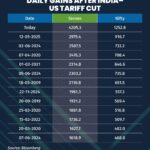
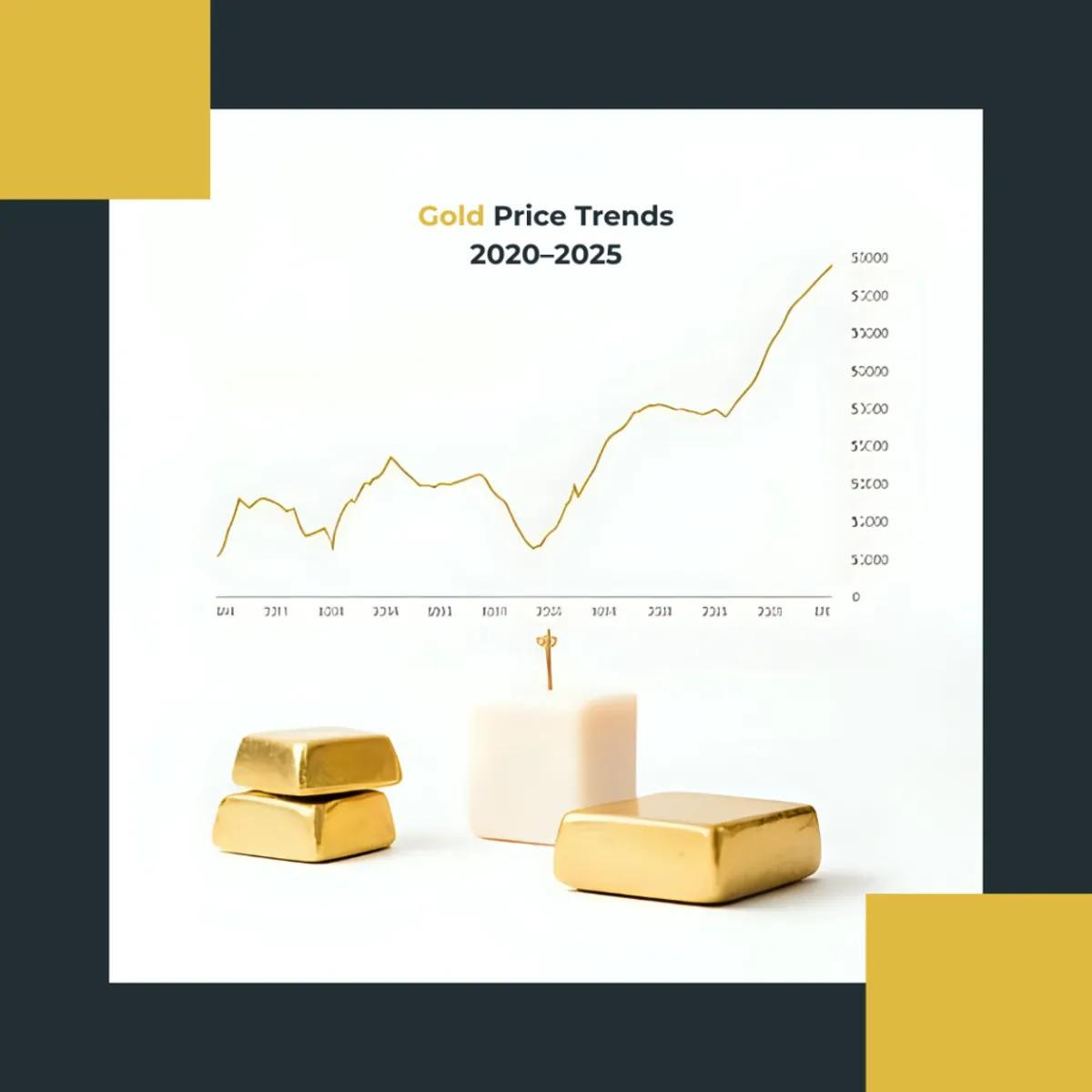
| Market Analysis | Gold prices remain volatile due to global economic factors, with recent trends suggesting uncertainty. |
Summary
PM Modi fuel and gold purchases have seen significant changes as the Prime Minister commended citizens for their proactive measures in response to the ongoing crisis in West Asia. The public’s willingness to embrace the call for reduced fuel consumption and limited gold purchases showcases a spirit of unity and resilience. As families adapt to the situation by carpooling and recycling gold, they contribute to a larger national effort to navigate economic uncertainties. This collective response not only reflects the government’s influence but also highlights the strength of community cooperation during challenging times.