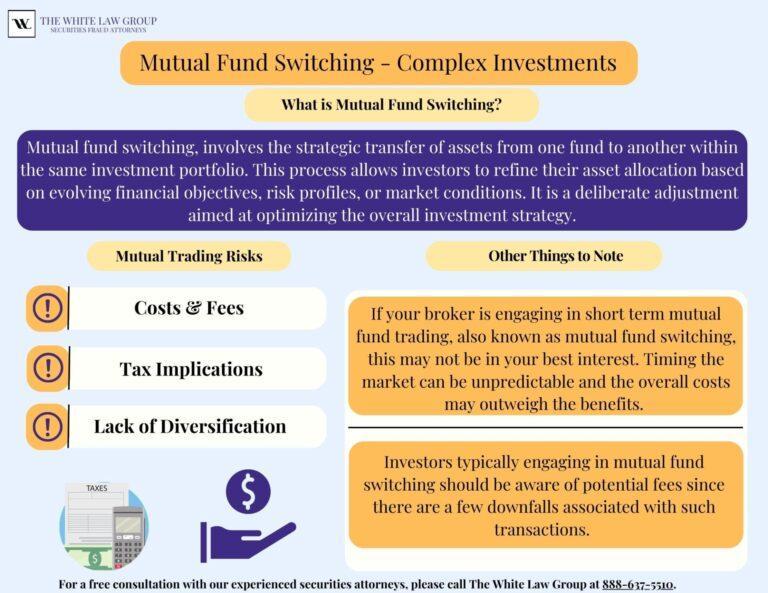
Mutual fund performance is an essential consideration for investors seeking to maximize returns from their portfolios. As investors navigate the complex world of investing in mutual funds, understanding how performance fluctuates over time can be pivotal to achieving long-term financial goals. Frequent mutual fund switching based on short-term returns can undermine effective portfolio management and may lead to unexpected losses. Experts generally recommend a minimum investment horizon, preferably two years, before evaluating the success of SIP mutual funds or similar investments. Adopting a disciplined approach to monitor fund performance while resisting the temptation of knee-jerk reactions can ultimately bolster long-term investment strategies and enhance wealth creation.
When discussing the effectiveness of investment vehicles, the term ‘mutual fund output’ often surfaces among savvy investors. The pursuit of optimal returns through these pooled investment schemes requires a keen analysis of various factors tied to their performance and market conditions. Frequently altering one’s selection—commonly referred to as fund switching—can undermine the foundational strategy for effective portfolio management. Investors should consider the implications of timing and their overall investment strategies when reflecting on their long-term objectives. Emphasizing patience and informed decision-making, particularly regarding SIPs, will yield stronger results and support robust financial growth.
Understanding Mutual Fund Performance Metrics
When evaluating mutual fund performance, it is crucial for investors to familiarize themselves with several key metrics that can provide insights into how funds are expected to perform over time. Key performance indicators such as the Sharpe Ratio, alpha, beta, and expense ratios all play a vital role in understanding fund efficiency and risk. The Sharpe Ratio, for instance, measures the fund’s return relative to its risk, helping investors determine whether the returns are sufficiently compensating for the level of risk taken. Understanding these metrics will empower investors to make informed decisions about whether to stay invested or switch to alternative funds.
Additionally, mutual fund performance should be compared against appropriate benchmarks and peer funds to gain a clearer perspective on its relative efficiency. For instance, an investor should not only consider recent returns but also how consistent those returns are over a significant period. It is essential to use benchmarks tailored to the fund’s category, whether it’s equity, debt, or hybrid, to accurately assess performance. Regularly reviewing these metrics and comparisons—alongside the inherent risks—can help investors navigate their portfolios more effectively.
The Risks of Frequent Mutual Fund Switching
Frequent switching of mutual funds based solely on short-term performance can lead to adverse consequences for investors. This practice, often driven by an emotional response to market fluctuations, can generate higher transaction costs and erode returns in the long run. Investors may find themselves unintentionally increasing their tax liabilities as well, particularly if they realize gains every time they switch funds. It is crucial to remember that investment in mutual funds should ideally be viewed as a long-term commitment, where staying invested through market ups and downs can provide better chances for wealth accumulation.
Moreover, the act of constantly shifting investments can disrupt a well-structured portfolio management strategy. It complicates the potential for long-term investment strategies that typically yield substantial returns over extended periods. Investors might lose sight of their financial goals and risk profile, which should define their investment decisions. Therefore, adopting a disciplined approach, allowing sufficient time for a mutual fund to perform, and resisting the temptation to switch could ultimately lead to more favorable financial outcomes.
Building a Robust Mutual Fund Portfolio
Creating an effective mutual fund portfolio begins with thorough research and clarity about investment objectives. Investors should assess their individual risk tolerance, return expectations, and time horizon before diving into the mutual fund landscape. Selecting funds that align closely with personal financial goals is essential; this could involve mixing equity, debt, or balanced funds to achieve a well-rounded approach to risk and reward. Utilizing Systematic Investment Plans (SIPs) can be an excellent method to gradually build this portfolio, allowing for consistent investments over time without the need for market timing.
An investor’s portfolio should be regularly reviewed, maintaining alignment with their long-term goals and changing market conditions. While it’s critical to monitor performance, experts recommend against making knee-jerk reactions to short-term changes. Instead, understanding how different types of funds contribute to the overall strategy is vital. Periodic rebalancing might be necessary to ensure that the portfolio reflects the investor’s evolving financial situation and market outlook. A well-constructed mutual fund portfolio can set the foundation for steady wealth accumulation.
Evaluating the Impact of Lock-in Periods
Lock-in periods, especially associated with certain mutual fund schemes such as retirement funds, can significantly impact an investor’s strategy. Understanding the implications of being unable to access funds for a specified duration is essential for making informed decisions. While such lock-ins can promote disciplined long-term saving and investment behavior, they may also limit an investor’s flexibility to react to market changes or personal financial needs. Thus, before committing to a fund with a long lock-in, investors should assess their liquidity needs and investment maturity.
Additionally, for investors who seek flexibility in their investment choices, alternatives such as funds offering no lock-in could be a more suitable option. For instance, switching to a flexicap mutual fund allows for exposure to various market caps without the stringent withdrawal restrictions of lock-in funds. These alternatives cater to investors who prioritize having the autonomy to manage their portfolios actively and adapt to changing market conditions. Evaluating varying fund structures concerning lock-in periods can aid in maintaining a balanced approach to investment.
The Role of Systematic Investment Plans (SIPs)
Systematic Investment Plans (SIPs) have become a favored method for many investors looking to create wealth through mutual funds. By investing a fixed amount regularly, SIPs help minimize the impact of market volatility and enhance discipline in investment practices. Investors are encouraged to implement SIPs to harness the power of dollar-cost averaging, allowing them to buy more units when prices are low and fewer units when prices are high. This tactic can mitigate the risks associated with market timing while fostering an environment conducive to long-term investment strategies.
Moreover, SIPs provide an excellent way to ease new investors into the mutual fund space without overwhelming them with complex market entry points. Regular investments contribute to portfolio diversification and can promote habit-forming practices around savings and investments. As investors witness the power of compounding through their SIPs over time, they may become more inclined to stay invested for the long haul, thereby amplifying their wealth creation potential. With the right strategy, incorporating SIPs into an investment plan can yield substantial benefits.
Long-Term Investment Strategies for Mutual Funds
Successful long-term investment strategies require careful planning and patience, especially when it involves mutual funds. Historically, equity mutual funds have offered better returns than traditional saving avenues over extended periods; however, this comes with inherent risks. Investors should emphasize the importance of maintaining a long-term view, allowing funds the necessary time to weather market fluctuations and realize their growth potential. Targeting a time horizon of at least five to ten years can significantly improve the likelihood of achieving desired financial outcomes.
Implementing a diversified approach across various asset classes—such as equity, debt, and gold—can also enhance resilience against market volatility. Moreover, periodic portfolio reviews facilitate adjustments in response to changing investment goals or market conditions, enabling investors to remain on track toward their financial objectives. Emphasizing these long-term strategies and understanding that mutual funds require time to reflect true performance could lead to a more sustainable wealth creation journey.
The Benefits of Diversifying Your Mutual Fund Investments
Diversification is a cornerstone of effective portfolio management, especially in the realm of mutual funds. By investing in a variety of funds across different sectors, asset classes, and geographical regions, investors can mitigate risks associated with market volatility. A diversified portfolio often exhibits less fluctuation, reducing the overall impact of underperforming sectors. For instance, combining equity funds with debt funds can provide balance, helping to counteract equity downturns when they occur.
Moreover, diversification allows investors to tap into the growth prospects of various markets while spreading risk across their portfolios. This strategy can lead to improved long-term performance, as it positions the portfolio to benefit from various economic cycles. Understanding the advantages of diversification enables investors to craft a comprehensive investment strategy that aligns with their overall financial goals and risk tolerance, ultimately paving the way for enhanced performance of their mutual fund investments.
The Importance of Research Before Investing in Mutual Funds
Before diving into mutual fund investments, conducting thorough research is paramount to achieving optimal financial results. Understanding different funds’ investment strategies, risk profiles, and historical performances can equip investors with the knowledge needed to make informed decisions. Additionally, delving into the fund manager’s reputation and the management style can provide crucial insights into the potential success of the funds being considered. By prioritizing research, investors can select funds that align with their individual financial objectives and risk appetite.
Moreover, developing a solid knowledge base about market trends, economic indicators, and the broader financial landscape can significantly enhance an investor’s capacity to make sound investment choices. Staying informed helps in recognizing when to pivot strategies or reinforce positions based on market conditions. Ultimately, consistent research and education create advantages that empower mutual fund investors to navigate the complexities of the market and achieve long-term success.
Managing Expectations and Emotional Responses in Mutual Fund Investing
Investing in mutual funds can evoke a range of emotions, particularly during periods of market volatility. Managing expectations and remaining emotionally detached from short-term performance fluctuations is essential for long-term investment success. Investors often react impulsively to news and trends that generate fear or excitement, which can lead them to make uninformed decisions about their portfolios. Understanding the nature of the markets and the importance of sticking to a well-researched investment strategy can help mitigate adverse emotional responses.
Additionally, it’s vital for investors to comprehend that mutual fund performance can fluctuate, and maintaining composure during these changes is paramount. Setting realistic goals and benchmarks can help manage expectations effectively, allowing investors to remain focused on their long-term financial objectives rather than reacting to short-term market movements. By cultivating a disciplined mindset, investors can create a more stable investment journey that prioritizes financial sustainability and growth.
Frequently Asked Questions
What factors should I consider when evaluating mutual fund performance before switching?
When assessing mutual fund performance before thinking about switching, it’s important to consider several factors: the fund’s historical returns over a minimum of two years, the consistency of performance in relation to its benchmark and peer group, the fund manager’s experience, and the alignment of the fund’s investment strategy with your long-term goals. Frequent changes based on short-term performance can disrupt your long-term investment strategy.
How often should I review my mutual fund portfolio for optimal performance?
It is advisable to review your mutual fund portfolio at least annually, but allow a minimum of two years before making any decisions based on performance. This timeframe allows you to assess the mutual fund’s genuine performance and alignment with your investment objectives, rather than reacting to short-term market fluctuations.
Is mutual fund switching a good strategy for improving portfolio performance?
Mutual fund switching can sometimes be beneficial if a fund consistently underperforms its benchmark or changes its investment strategy. However, frequent switching based on short-term performance can lead to higher costs and missed long-term growth opportunities. It’s crucial to conduct thorough research and ensure that any potential new funds align with your long-term investment strategy.
What is the impact of SIP mutual funds on long-term investment performance?
SIP (Systematic Investment Plan) mutual funds allow investors to invest a fixed amount regularly, thereby averaging the purchase cost and reducing market risk. Over time, SIPs can contribute significantly to long-term investment performance by leveraging the power of compounding. It is generally recommended to maintain SIPs for at least five years to fully realize their benefits.
When is the right time to switch from a retirement mutual fund to a flexicap fund?
The right time to switch from a retirement mutual fund to a flexicap fund often depends on your investment strategy and personal circumstances. If you require more flexibility in managing withdrawals or are not aligned with the lock-in requirements of the retirement fund, then it may be wise to consider switching. Always evaluate the long-term performance of the funds and ensure that this aligns with your financial goals.
How do I determine if my mutual fund investment strategy is effective?
To evaluate the effectiveness of your mutual fund investment strategy, consider factors such as the fund’s performance against benchmarks over various time frames, alignment with your risk tolerance and investment timeline, and how well it responds to market movements. A well-performing mutual fund that consistently meets your investment goals over time indicates that your strategy is effective.
Should I change my investment strategy if my mutual fund performance is low?
If your mutual fund performance is low, it does not automatically signify the need to change your investment strategy. First, analyze the reasons behind the performance dip—market conditions, fund management decisions, or economic factors. If these issues are temporary, it may be beneficial to stay invested and wait for the market to stabilize rather than making impulsive changes.
| Key Point | Details |
|---|---|
| Avoid Frequent Changes | Experts advise against frequent portfolio changes based on short-term performance. |
| Minimum Investment Period | Investors should ideally wait two years before assessing performance of their mutual funds. |
| Research Before Investing | Thorough research on fund manager, strategy, and performance history is essential before investing. |
| Lock-In Period Consideration | Investors must evaluate whether a lock-in period in retirement funds aligns with their investment objectives. |
| Portfolio Review Frequency | Reviewing the portfolio too frequently, based on recent returns, can disrupt long-term goals. |
| Flexibility Over Lock-In | For flexible investors, opting for flexicap funds without lock-in could be more appropriate. |
Summary
Mutual fund performance is a critical aspect of investment strategy, where careful consideration is advised before making portfolio changes. Experts emphasize the importance of patience and the necessity of a minimum investment timeframe of two years for meaningful assessment. Investors are encouraged to conduct thorough research before committing to funds and to avoid the temptation of reacting to short-term market fluctuations that can lead to unnecessary adjustments in their mutual funds. Ultimately, flexibility in investment products could provide better alignment with individual financial goals, enhancing the potential for long-term wealth creation.