

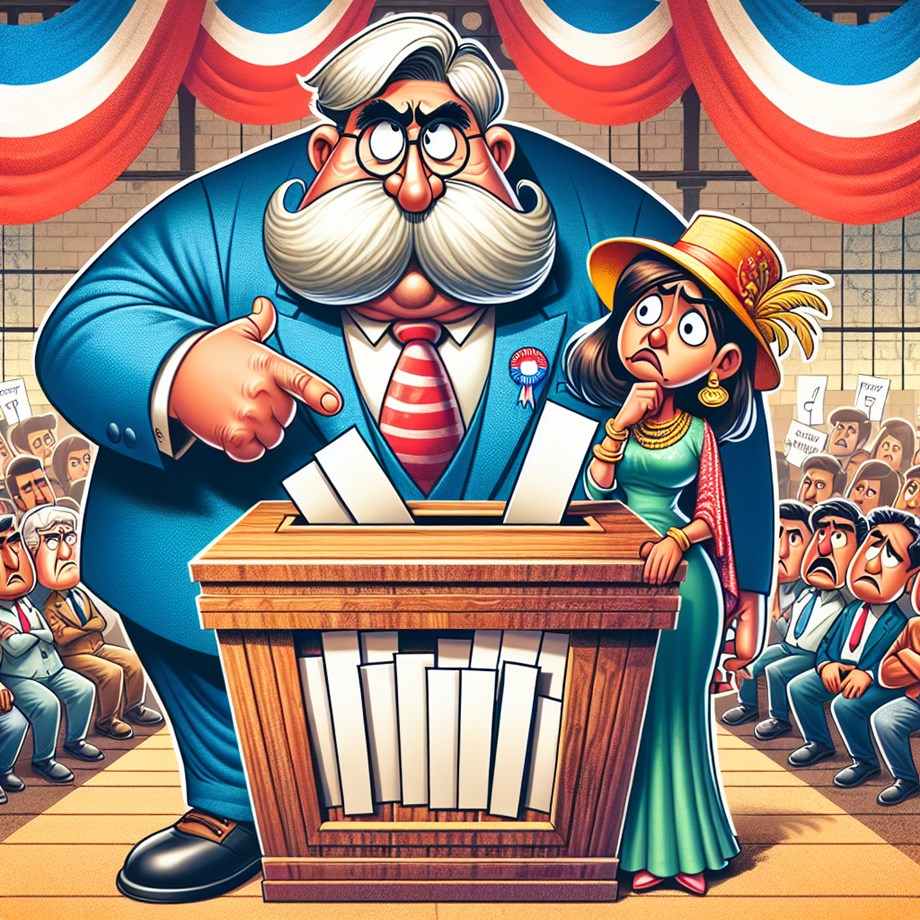
The TTAADC elections are poised to become a pivotal moment in Tripura’s political landscape as the Bharatiya Janata Party (BJP) strategizes for a complete takeover of the 28 seats. Chief Minister Manik Saha has made it clear that this time, the BJP seeks not only to retain power but to dominate the council, challenging the influence of the TIPRA Motha Party, its current ally. With the 2023 Tripura elections nearing, Saha’s ambitions reflect the party’s robust election campaign aimed at connecting with the local populace. As discussions heat up around the BJP’s TTAADC strategy, the focus remains on how national parties can contribute to the region’s development compared to their regional counterparts. This formidable political contest is set against a backdrop of the BJP’s efforts to establish a stronghold in an area traditionally controlled by local parties, making the upcoming TTAADC elections a significant focal point for all stakeholders involved.
With the upcoming council elections in the Tripura Tribal Areas Autonomous District Council (TTAADC) around the corner, the spotlight is on the strategies being employed by various political entities. The BJP’s ambitious goal to sweep all 28 seats demonstrates its commitment to altering the dynamic within the tribal council, particularly as it faces off against the TIPRA Motha Party, an ally that may complicate its aspirations. In this electoral landscape, where national parties are pitted against regional entities, the narrative around development and governance is taking center stage. The BJP is attempting to position itself as the decisive voice of progress, suggesting that only national entities can provide the needed advancements in the region. As political players prepare for a crucial contest, the implications of these elections may reshape the tribal governance in Tripura.
TTAADC Elections: A Strategic Focus for BJP
In the lead-up to the TTAADC elections, the BJP has set its sights firmly on securing a clean sweep of all 28 seats. Chief Minister Manik Saha’s declaration resonates with the party’s broader strategy, which emphasizes the distinction between national parties and regional players in delivering developmental progress. The BJP believes that only by dominating the council can it ensure that the interests of all tribal communities in Tripura are effectively addressed, leading to an improved socio-economic landscape for the region.
This strategy is particularly significant in the context of the ongoing governance by the TIPRA Motha Party, which holds sway over the TTAADC. By challenging the current administration’s effectiveness, the BJP aims to reposition itself as the leading force capable of bridging the developmental gap in tribal areas. Hence, the upcoming elections symbolize not just a contest for seats but a critical juncture that will shape the future political dynamics of Tripura.
BJP’s Election Campaign: Strengthening Booth-Level Tactics
As part of its campaign for the TTAADC elections, the BJP is concentrating on grassroots efforts, particularly through its booth-level strategy. This approach involves systematically assessing the party’s organization at the local level, ensuring that workers are mobilized effectively and party narratives are communicated directly to voters. With growing support among various Janajati communities, the BJP’s emphasis on localized campaigning aims to counteract the influence of the TIPRA Motha Party, which has historically claimed allegiance from these groups.
Moreover, the BJP’s election campaign extensively utilizes targeted outreach programs to reinforce its message among tribal voters. By highlighting their development initiatives and contrasting them with perceived regional shortcomings, the BJP seeks to solidify its support base in preparation for the TTAADC elections. The alignment of national party strategies with local sentiments is crucial, especially as the BJP seeks to navigate the complex political landscape of the region.
TIPRA Motha Party: The BJP’s Competitive Challenge
In the backdrop of TTAADC elections, the TIPRA Motha Party faces a formidable challenge from the BJP, particularly due to the latter’s clear ambition to dominate the electoral narrative. The BJP’s depiction of regional governance as ineffective highlights a strategic pivot meant to sway tribal voters towards a national party representation. The dynamics between these two parties reflect not only a competition for electoral victory but also deeper ideological battles over the representation of tribal interests in the governance of Tripura.
The BJP’s campaign rhetoric criticizes the TIPRA Motha’s approach while positing itself as a viable alternative that can deliver real developmental results. By characterizing regional leadership as stagnant, the BJP intends to attract disillusioned voters who may feel neglected by their current representatives. In this context, the TTAADC elections become a critical battleground where the vision of inclusive governance spearheaded by national parties will be intensely scrutinized.
Tripura Elections 2023: The Broader Political Context
The upcoming Tripura elections, particularly the TTAADC polls, are pivotal in reshaping the political narrative of the state. As Chief Minister Manik Saha leads the BJP’s ambitious campaign for total victory, the election dynamics reflect broader electoral trends and voter sentiments towards both national and regional parties. The BJP seeks to capitalize on its past performances and promises of development while engaging with the electorate that is increasingly demanding accountability and progress.
Overall, the political environment in Tripura as the elections loom suggests a complex interplay of alliances, voter expectations, and party strategies. The role of the BJP in this context is not just as a challenger but as a potential architect of change, as it rallies its organizational strength to influence outcomes decisively in the TTAADC elections.
BJP TTAADC Strategy: A Comprehensive Path to Victory
The BJP’s approach to the TTAADC elections is meticulously crafted, aimed at addressing the unique needs and aspirations of tribal communities. Through a strong emphasis on development and outreach, the BJP is not only competing for seats but also trying to win hearts and minds by focusing on pressing local issues. This strategy includes highlighting the benefits of being governed by a major national party versus regional entities that may lack the capacity for broader developmental initiatives.
Furthermore, the strategic alliance with TIPRA Motha is also under scrutiny, with discussions swirling around whether the existing collaboration will persist through the council elections. As BJP lays out its vision for development, the party clearly delineates its path, showcasing that victories in the TTAADC could redefine not only local governance but also the future trajectory of political alliances within Tripura.
A New Chapter for Tribal Development in Tripura
The TTAADC elections represent more than just a contest for political power; they symbolize an opportunity for genuine tribal development. As the BJP positions itself as the party capable of delivering on these promises, the atmosphere in Tripura is charged with possibilities of change. By committing to a narrative that focuses on uplifting tribal communities, the BJP aims to resonate with voters seeking substantive progress in their socio-economic conditions.
This commitment to tribal development further emphasizes the importance of effective governance that aligns with tribal aspirations and needs. The forthcoming elections will likely serve as a litmus test for the effectiveness of the BJP’s policies. Tribal voters in Tripura have an opportunity to shape their future through these elections, thus making the stakes incredibly high for all parties involved.
Alliance Dynamics Ahead of TTAADC Elections
As the TTAADC elections approach, the dynamics between the BJP and its current ally, TIPRA Motha, are increasingly under the spotlight. The BJP’s strategic positioning as a challenger to its own ally reflects the complex nature of coalition politics in Tripura’s governance. Chief Minister Saha’s assertion that the existing alliance does not guarantee joint participation in the council elections suggests a fragmentation that could redefine political alignments.
This intra-alliance competition could significantly affect voter perception and choice in the TTAADC. Voters may reassess their loyalties based on the perceived viability and effectiveness of the candidates put forth. As the political landscape evolves, the need for unity or division within alliances will undoubtedly play a crucial role in determining the election’s outcome.
BJP’s Outreach to Janajati Communities in Tripura
The BJP’s outreach strategy in the upcoming TTAADC elections is particularly focused on engaging with Janajati communities, aiming to build strong support among these tribal populations. Recognizing the diverse cultural and social structures within these communities, the BJP tailors its messaging to resonate with their unique needs and aspirations, emphasizing a commitment to development. This localized approach positions the BJP as a champion for tribal rights and development.
Engagement with these communities not only enhances the BJP’s electoral prospects but also fosters a stronger sense of inclusion within Tripura’s political framework. As political narratives around tribal governance evolve, the BJP’s ability to connect authentically with Janajati voters will be crucial in securing their support in the TTAADC elections, ultimately influencing the broader political equilibrium within the state.
Implications of the Election Outcome for Tripura’s Future
The results of the TTAADC elections hold significant implications for the future of Tripura’s political landscape. Should the BJP achieve its objective of securing all seats, it would mark a definitive shift in governance, with the potential to implement far-reaching policies aimed at tribal development and welfare. The party’s win could also redefine inter-party relationships, particularly with TIPRA Motha, influencing how parties strategize in future elections within the state.
Conversely, if the BJP fails to secure a majority, it could lead to a re-evaluation of its strategies and alliances, particularly given its ambitious goals. The outcomes will likely set the tone for upcoming elections and determine whether national parties can sustain influence in a region dominated by historically local institutions. Thus, the stakes are high, not only for the parties involved but for the future trajectory of governance in Tripura.
Frequently Asked Questions
What is the BJP’s strategy for the upcoming TTAADC elections in 2023?
The BJP aims for a clean sweep in the upcoming TTAADC elections by targeting all 28 seats, emphasizing its capability for delivering development compared to regional parties. Chief Minister Manik Saha stated that the party is consolidating its support at the booth level and engaging with tribal voters across various communities to strengthen its position against the TIPRA Motha Party, its current ally.
| Key Point | Details |
|---|---|
| Target | Winning all 28 elective seats of the TTAADC |
| Alliance Status | Existing alliance with TIPRA Motha does not guarantee joint contest in council elections; no decision made regarding this. |
| Groundwork | Focusing on strengthening the party at the booth level to consolidate support. |
| Outreach | Claiming growing support across all 19 Janajati communities and various sub-tribes in Tripura. |
| Political Stance | Positioning BJP as a better alternative to regional parties, criticizing their governance. |
| Criticism of Opposition | Accusing the opposition of distorting facts to mislead tribal voters. |
Summary
The TTAADC elections are set to be a significant turning point in Tripura’s political scene. With the BJP aiming for a clean sweep in all 28 seats, Chief Minister Manik Saha highlights a key narrative: the belief that only national parties like the BJP can drive development, contrasting sharply with the regional parties that currently govern. As the polling date approaches, the BJP’s focus on strengthening its base and outreach to various communities reflects its strategy to consolidate its power and challenge existing alliances. This complex interplay of national ambition versus regional governance will undeniably shape the forthcoming TTAADC elections.



























