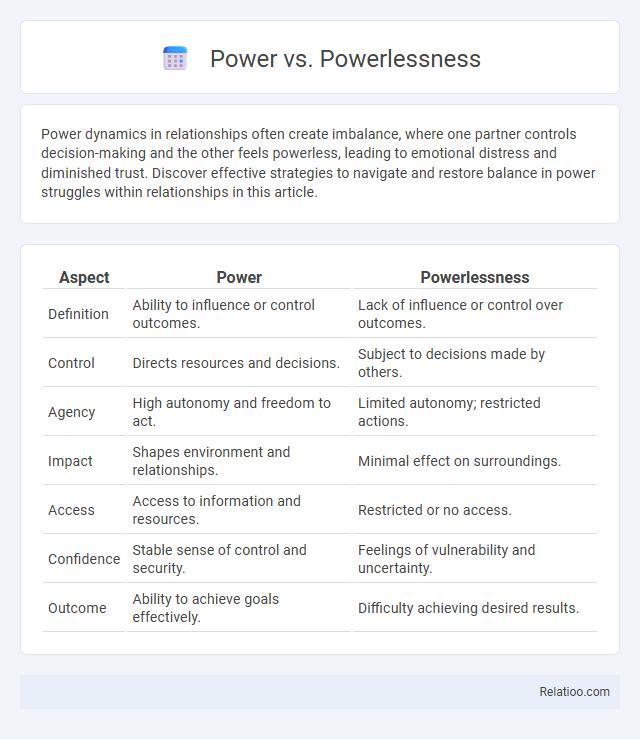
Alice Walker’s powerful quote, “The most common way people give up their power is by thinking they don’t have any,” serves as a profound reminder of the hidden ways we often relinquish our agency. This analysis of Alice Walker quote encourages us to delve into the meaning of Alice Walker’s quote, exploring the contrasts between genuine empowerment and the widespread perception of powerlessness. By examining how to reclaim power through affirmative action, we can understand the impact of Alice Walker’s activism on our individual and collective perceptions of strength. This exploration reveals critical insights into understanding powerlessness vs power, inviting readers to reconsider the significance of their voices. In essence, Walker’s words illuminate a pathway to recognition, urging us to acknowledge that we possess more influence than we might initially believe.
Exploring the insights of renowned author and activist Alice Walker unveils significant themes related to self-empowerment and social change. The essence of her quote highlights a common psychological trap where individuals mistakenly perceive themselves as lacking influence. In our analysis of Walker’s thoughts, we dissect the concept of personal agency and how it connects to the broader context of societal movements. The juxtaposition of feeling disempowered versus recognizing one’s own capabilities lays the foundation for meaningful discussions on how individuals can make a difference. By reflecting on Walker’s activism, we can gain a deeper understanding of the mechanisms through which people can cultivate resilience and reclaim their inherent power.
Understanding Alice Walker’s Quote: A Deep Dive
Alice Walker’s assertion that ‘The most common way people give up their power is by thinking they don’t have any’ serves as a powerful commentary on the psychology of self-perception. At its core, this quote emphasizes the difference between actual power and perceived powerlessness. Many individuals dwell in a mindset that their influence is trivial or non-existent. This belief leads to inaction and a passive acceptance of circumstances that could otherwise be challenged. When we accept this defeatist narrative, we fail to recognize our capacity to instigate change, both in our lives and in broader societal contexts.
Walker’s insightful words urge us to reflect on our own limitations. How often do we surrender our aspirations before even attempting them, convinced they are unattainable? By failing to acknowledge our potential for impact, we become complicit in our own disempowerment. Understanding the meaning of Walker’s quote invites us to redefine our narrative from one of powerlessness to one of agency. The moment we believe in the existence of our power, however small, is the moment we can begin to alter our paths and influence the world positively.
Reclaiming Power: Lessons from Alice Walker
The journey of reclaiming power, as highlighted by Alice Walker, starts with a fundamental shift in mindset. One of the most crippling things we can do is accept defeat without a fight, which often comes from internalized beliefs about our lack of agency. To effectively reclaim our power, we must actively challenge the thought processes that tell us our contributions are insignificant. This involves recognizing that every small action holds the potential for larger consequences. The act of speaking up, voicing dissent, or simply taking a stand, no matter how humble, can be transformational.
Moreover, actions to reclaim power should be deliberate and conscious. An essential step is to identify the mutable aspects of our lives that we can control. Even when situations seem overwhelming, there is usually at least one element we can influence. This might mean choosing to educate ourselves, engaging in community activism, or striving for personal development. Alice Walker’s powerful insights teach us that reclaiming what is rightfully ours—our voice, our choices, and our impact—begins with the recognition of our intrinsic worth and ability to shape our realities.
Alice Walker’s Activism and Its Impact on Empowerment
Alice Walker’s activism extends beyond her literary contributions, as she has long been a voice for those who are marginalized. Her work underscores the importance of acknowledging one’s power, especially in social justice contexts. Walker’s activism demonstrates how understanding one’s power can initiate profound societal changes. By encouraging people to stand up for themselves, she has instilled a sense of purpose in countless individuals, reminding them that they have the strength to effect change.
The impact of Alice Walker’s activism is felt not just through her words but also in the countless movements she has inspired. Her call to action resonates with various demographics, bridging gaps within communities and inviting collective empowerment. Through her efforts, Walker has shown that the first step towards reclamation of agency often lies in recognizing the power embedded within each individual. This work is essential, especially in an era where many still feel disempowered, thus reinforcing the timeless relevance of her message.
Empowering Conversations: Learning from Alice Walker
Engaging in conversations inspired by Alice Walker’s quotes can significantly contribute to both personal and collective empowerment. Walker’s words encourage discussions around the themes of power, agency, and resistance, paving the way for more profound understandings of these concepts. These conversations often act as catalysts for individuals to confront their beliefs about agency and to recognize how cultural narratives have shaped perceptions of powerlessness.
Moreover, by discussing the implications of Walker’s perspective on power, people can explore effective strategies for reclaiming their voices in the face of adversity. It invites a communal exploration of what it means to assert one’s presence, reject silence, and radiate strength in everyday scenarios. Engaging with Walker’s philosophy fuels the critical thinking necessary for challenging systemic norms, inspiring a reevaluation of how power operates on personal and societal levels.
Recognizing Power: The First Step towards Change
In the journey towards empowerment, recognizing one’s own power is the foundational step. Alice Walker’s quote serves as a poignant reminder that the first limits to our potential often originate within our thoughts. By acknowledging this internal struggle, individuals can strive to dismantle the beliefs that confine them. This recognition is not just a passive realization but an active stance that paves the way for personal development and social change. Walker suggests that understanding the psychology of powerlessness is essential for anyone seeking to reclaim their influence and agency.
Furthermore, embracing our power necessitates an ongoing effort to challenge self-limiting beliefs. By affirming that change is possible and that our actions can ripple through communities, we create a mindset conducive to growth and collaboration. Walker’s insights invite us to take ownership of our narrative — reminding us that while we may not control every aspect of our lives, we absolutely decide how we respond. Inherent power lies in the choices we make, and recognizing this truth can initiate a transformative journey that inspires both personal and collective change.
Practical Strategies to Reclaim Your Power
Implementing practical strategies in daily life to reclaim power is key to internalizing Alice Walker’s message. One effective approach is to confront negative self-talk by replacing disabling beliefs with empowering affirmations. Creating affirmations that reinforce one’s ability to influence situations can gradually reshape the perceptions that deter growth. Moreover, simply starting with small choices — like asserting preferences or setting boundaries — can build confidence and reinforce the understanding that our choices matter.
Another vital strategy is taking action in the surrounding community. Whether through joining advocacy groups, participating in local governance, or engaging in creative expressions of activism, these actions affirm individual agency. The significance of community engagement cannot be understated, as it fosters connections and solidarity, reinforcing the sentiment that collective efforts yield substantial results. Dedicating oneself to this path exemplifies the realization of one’s power, as highlighted in Walker’s work.
The Cycle of Agency and Powerlessness
The cycle of agency and powerlessness that Alice Walker describes is frequently perpetuated by societal norms and internalized beliefs. When individuals convince themselves that their actions are inconsequential, they unwittingly contribute to this cycle. It’s important to understand how this pattern operates; by recognizing the triggers that lead to feelings of helplessness, one can begin to disrupt the cycle. Walker’s insight can act as a springboard for dialogue on how societal narratives fuel the perception of powerlessness, leading to mutual understanding and collective empowerment.
Contributing to the conversation around this cycle can empower individuals to support one another in reshaping narratives. Whether through mentorship, community discussions, or collaborative projects, fostering these supportive environments helps illuminate pathways to empowerment. In this way, Walker’s quote serves not only as a reflection on individual experience but also as a rallying cry for collective action against the internal and external forces that perpetuate powerlessness.
Alice Walker’s Perspective on Power and Social Change
Alice Walker’s perspective on power serves as a blueprint for social change. By advocating for personal agency, she reminds us that lasting change often begins within ourselves. Walker’s assertion about power potency emphasizes that individual recognition of one’s strength can inspire broader movements and social justice initiatives. This insight carries tremendous relevance today, as communities navigate complex socio-political landscapes, often feeling overwhelmed by systemic issues.
Walker’s activism encourages individuals to harness their power in the pursuit of justice and equity. Empowerment is not just about awareness; it culminates in actions reflecting those beliefs. Mobilizing individual strengths creates the potential for community transformation, manifesting Walker’s ideal of collective empowerment. As individuals recognize their potential to effect change, they participate in a vital reimagining of societal structures, invoking new dialogues that challenge the status quo.
Encouraging Self-Agency Through Alice Walker’s Quotes
Encouraging self-agency through Alice Walker’s quotes involves embodying her teachings in everyday life. Quotes like, “No person is your friend who demands your silence, or denies your right to grow,” call for assertiveness and active engagement. Such statements inspire individuals to challenge environments that stifle their voice and support their personal evolution. By internalizing these lessons, individuals can cultivate a sense of agency that transcends personal situations, encouraging broader social change.
Moreover, sharing Walker’s quotes within community spaces can foster dialogues that promote empowerment. Engaging with these affirmations and allowing them to resonate with others amplifies the collective consciousness around power dynamics. Encouraging discourse around these principles can create a ripple effect that paves the way for a more informed and active society. Ultimately, promoting self-agency through Walker’s insights embodies her belief that every individual possesses the ability to shape their own destiny.
Frequently Asked Questions
What is the meaning of Alice Walker’s quote about power?
Alice Walker’s quote, “The most common way people give up their power is by thinking they don’t have any,” emphasizes the importance of self-belief in recognizing one’s own agency. It suggests that powerlessness is often a self-imposed belief rather than an inherent truth. By acknowledging that we possess more influence over our circumstances than we may think, we can begin to reclaim our power and effect change in our lives and communities.
| Aspect | Detail |
|---|---|
| Alice Walker’s Quote | “The most common way people give up their power is by thinking they don’t have any.” |
| Key Insight | People often relinquish their power gradually by believing they don’t have any, leading to a self-fulfilling prophecy of powerlessness. |
| Alice Walker’s Background | Born in 1944, she is known for her Pulitzer Prize-winning novel, *The Color Purple*, and her activism for civil rights and gender equality. |
| Impact of the Quote | Walker emphasizes that our belief systems can trap us, making us feel powerless when in reality, we possess significant influence over our lives and surroundings. |
| Application in Daily Life | Recognizing one’s own power can start with small actions: questioning limiting beliefs, finding aspects to control, using one’s voice, and acting intentionally. |
| Other Notable Quotes | Walker encourages personal growth, activism, and the importance of self-expression through her various quotes on empowerment and resilience. |
Summary
Alice Walker quote analysis reveals a profound understanding of power dynamics and self-perception. Her assertion that many abandon their power by believing they lack it underscores a reality that resonates with many individuals. Often, people feel powerless before even attempting to assert their influence in various aspects of life. Walker’s insight serves as both a wake-up call and an invitation to recognize the intrinsic power that exists within everyone. Understanding the importance of engaging with one’s own potential is crucial for personal growth and societal change. By dismantling the barriers created by limiting beliefs, individuals are empowered to take action, speak up, and change their circumstances—reinforcing the idea that within the perception of powerlessness lies a pathway to reclaiming agency.