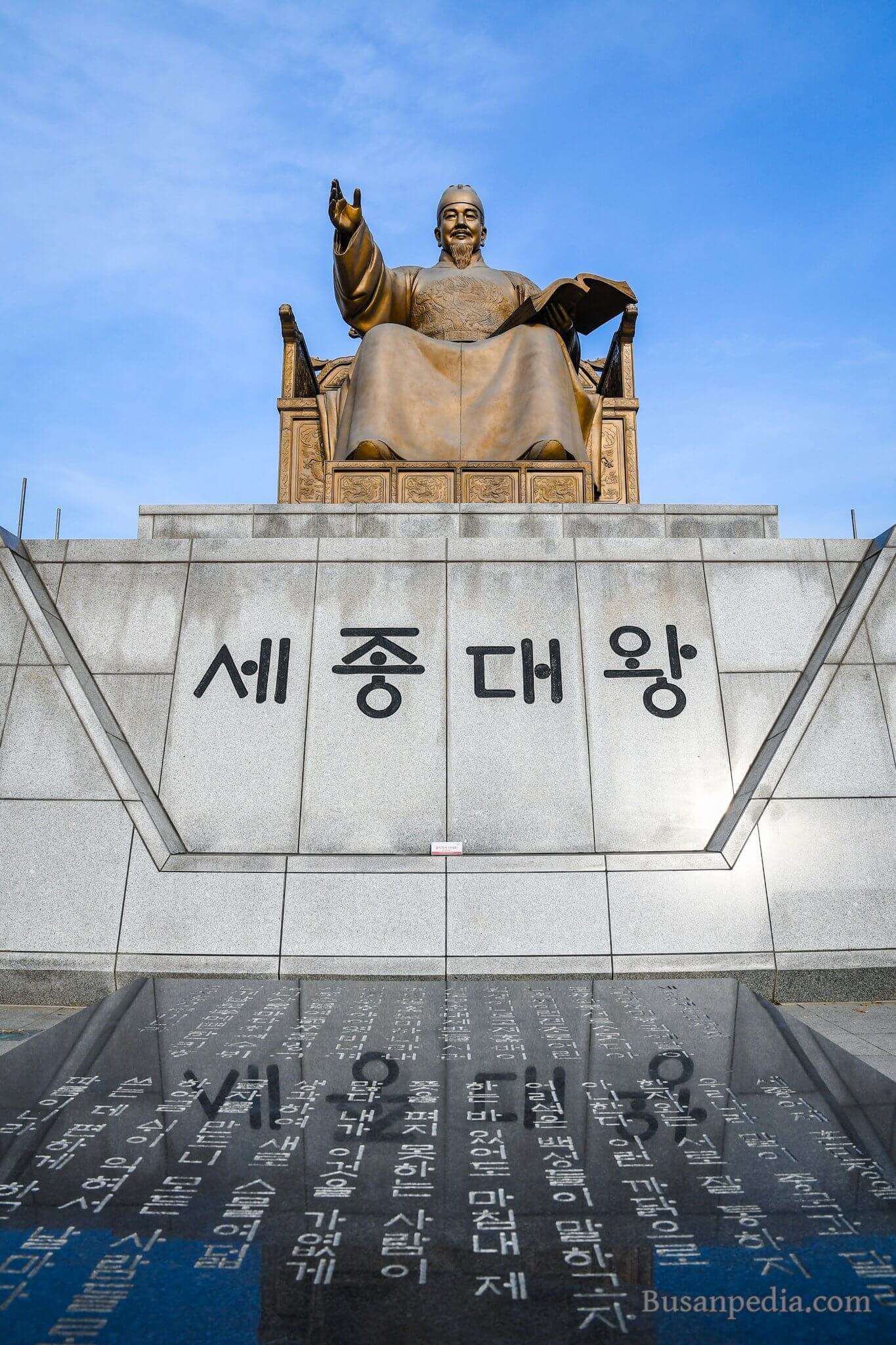
Korea’s Hangul is a remarkable writing system that stands out for its unique design tailored to the Korean language, making it the only alphabet in the world where consonants resemble the shape of the mouth producing each sound. Crafted by King Sejong the Great in the 15th century, this innovative Hangul alphabet was created with the intent to enhance literacy among Koreans, enabling them to easily learn and use a writing system that had long been dominated by complex Chinese characters. The linguistic significance of Hangul cannot be overstated; it not only simplifies the learning process but also embodies the scientific principles behind the formation of sounds. By bridging the gap between spoken and written Korean, Hangul has become the backbone of modern Korean culture and communication. Today, it is celebrated as a symbol of national identity and linguistic pride across the Korean Peninsula, contributing to the soaring literacy rates that exceed 99% in both South and North Korea.
The Hangul writing system, also known for its phonetic approach, has deep roots in Korean heritage and was conceived with the foresight of King Sejong. This innovative alphabet system revolutionized the way Koreans communicate, marking a departure from the previously dominant Hanja characters that many struggled to master. The letters of Hangul are systematically arranged to reflect the articulatory processes involved in producing sounds, merging linguistic function with aesthetic design. This powerful linguistic tool not only enhances accessibility to the Korean language but also fosters cultural expression and identity. As a testament to its enduring significance, Hangul continues to thrive, influencing modern education and communication methods in Korea.
The Innovative Design of Korea’s Hangul Alphabet
Korea’s Hangul is a remarkable achievement in writing system design, distinguishing itself as the only alphabet in the world where the shape of each consonant visually mimics the position of the mouth when pronouncing it. This feature reflects an insightful fusion of phonetics and linguistics that sets Hangul apart from other scripts. Created under the guidance of King Sejong the Great in the 15th century, Hangul was intended as a more democratized form of literacy, accessible to all Koreans regardless of social standing or education level. The implications of such a design highlight the relationship between language and spoken communication, making it a truly unique script in the realm of global alphabets.
The meticulous crafting of Hangul’s consonants is notable for their representational accuracy. For instance, the consonant ㄱ illustrates the back of the throat where the sound is produced, while ㄴ captures the action of the tongue against the gums. This intentional design not only facilitates phonetic understanding but also symbolizes Sejong’s dedication to creating a linguistic tool that accurately reflects the spoken Korean language. With insights from phonetics integrated into its architecture, Hangul also serves as a case study in how a writing system can be adapted to suit the intricacies of a language, aiding in its preservation and teaching.
Linguistic Significance of Hangul’s Vowel System
Beyond consonants, the vowel system in Korea’s Hangul also carries substantial linguistic significance rooted in philosophical concepts. King Sejong incorporated traditional beliefs into the formulation of the vowels, which stand for Heaven, Earth, and Humanity respectively. This philosophical alignment illustrates a deeper understanding of the harmonic relationship between natural elements and linguistic forms. The structure of the vowels follows a systematic approach, offering enhanced cognitive ease as learners engage with the writing system. The vibrational and symbolic nature of these vowels provides an additional layer of meaning, enriching the overall experience of learning to read and write in Korean.
This innovative vowel design not only supports the phonetic structure but also plays a crucial role in representing the core values of Korean culture. As learners become familiar with Hangul, they are not merely acquiring a writing system but also connecting with the philosophical narratives that shaped Korea’s historical identities. The integration of Confucian values into the vowels emphasizes the importance of education and moral integrity, continuing a legacy that influences contemporary perceptions of the Korean language and culture. Hangul thus transcends mere communication; it encapsulates a worldview that extends from its creation to the present day.
The Enduring Legacy of Hangul and Its Instructional Manual
The legacy of Korea’s Hangul is intricately woven into its instructional manual, *Hunminjeongeum*, which served as a foundation for educators and learners alike during its inception. This document not only explained the phonetic rationale behind each character but also detailed the intended accessibility of the writing system for the general populace. As one of the rare documents that survives from its era, *Hunminjeongeum* provides invaluable insights into the vision King Sejong had for a unified form of literacy that could empower the Korean people. This historical narrative fosters a greater appreciation for Hangul as a product of thoughtful linguistic engineering.
Throughout the years, *Hunminjeongeum* has continued to serve as a crucial resource for linguists and historians investigating the evolution of written Korean. As a testament to its relevance, modern education policies have sought to incorporate teachings rooted in both Hangul and its foundational principles. Such educational reforms underscore the ongoing significance of Hangul in shaping national identity while enhancing literacy rates across generations. This commitment to preserving King Sejong’s legacy illustrates how a well-designed language system can evolve within a cultural context, maintaining its relevance while adapting to the needs of contemporary society.
Overcoming Resistance to Hangul: A Historical Perspective
Despite its pioneering design, Korea’s Hangul faced significant challenges upon its release, primarily due to resistance from the Confucian elite who favored the prestigious Hanja writing system. At that time, the use of Hanja was synonymous with education and social status, making the transition to Hangul a contested cultural shift. This dichotomy highlighted the social dynamics surrounding literacy and language, as societal class determined access to educational resources. The shift from Hanja to Hangul reflected not only a change in writing system but also an evolving perspective on learning and accessibility, challenging traditional norms around knowledge.
Over the years, especially during the late 19th and 20th centuries, the educational reforms fueled a newfound appreciation for Hangul. Nationalist movements emphasized the importance of a unified written language that could promote greater societal participation and cohesion. This change in perception ultimately led to a societal embrace of Hangul as a fundamental tool for communication, literacy, and education, contributing to impressive literacy rates in both South and North Korea today. Hangul’s transformation from a resisted script to a symbol of national identity epitomizes the ongoing journey of language against the backdrop of sociopolitical change.
The Role of Hangul in Modern Korean Identity
Today, Korea’s Hangul stands as a vibrant symbol of modern Korean identity, transcending its historical roots to become a potent emblem of national pride. As the dominant writing system in both South and North Korea, Hangul has been pivotal in fostering a unique national consciousness. It plays an essential part in various cultural expressions, from literature to art, underlining its significance in articulating contemporary Korean experiences. The aesthetic qualities of Hangul, such as its fluidity and adaptability, further contribute to its role in the digital age, where it seamlessly integrates with technological advancements.
Moreover, the promotion of Hangul through global initiatives has enhanced the Korean language’s presence worldwide, underscoring its linguistic importance beyond the borders of the Korean Peninsula. Language learning programs and cultural exchanges have sparked interest in Hangul across diverse global communities, showcasing its functional elegance. The continued evolution of Hangul reflects its resilience and adaptability, ensuring that it remains a dynamic component of both linguistic and cultural dialogue in a rapidly changing world.
King Sejong: The Visionary Behind Hangul
King Sejong the Great, the fourth king of the Joseon Dynasty, played a monumental role in the creation of Korea’s Hangul. His vision extended beyond mere communication; he aimed to empower his people through literacy and education. Seeing the challenges posed by Hanja scripts, which few could master, Sejong sought to democratize access to knowledge by developing an alphabet that could be learned easily by all. His dedication to fostering an educated society underscores the forward-thinking values that have become synonymous with Hangul.
The influence of King Sejong’s principles can still be felt today, as calls for proper education and literacy have become an ingrained aspect of Korean culture. His legacy as a linguist and ruler is commemorated annually through various cultural celebrations, such as Sejong Day, where the significance of contractual mastery of Korean is highlighted. The impact of his life work serves as a lasting reminder of how visionary leadership can create profound change through language and education.
Hangul’s Impact on Global Linguistic Studies
Korea’s Hangul has garnered international attention not only as a successful writing system but also as a pivotal case study in applied linguistics. Researchers and linguists around the world analyze Hangul’s unique features, including its systematic structure and phonetic basis, to understand the complexities of language development. The alphabet’s scientific design has made it a focal point in discussions surrounding the interplay between writing systems and spoken languages, inviting comparisons with other alphabets, such as Latin and Cyrillic.
This academic interest has bolstered Hangul’s status among global linguistic communities, leading to its inclusion in curricula and research worldwide. The exploration of Hangul’s characteristics illuminates the broader concepts of language and cognition, prompting inquiries into language learning methodologies and literacy acquisition. As scholars hail Hangul for its simplicity and efficiency, it remains a paramount example of how a well-structured writing system can advance the study of languages on a global scale.
Educational Reforms and Hangul’s Resurgence
The resurgence of Hangul in the context of educational reforms illustrates a dramatic shift in approach toward literacy in Korea. With the growing recognition of the importance of native language education, the focus turned to Hangul as a foundational aspect of the curriculum. This emphasis streamlined language acquisition and paved the way for a more inclusive educational environment that welcomed learners from diverse backgrounds. The advent of modern teaching aids and resources also enhances the effectiveness of Hangul instruction, ensuring greater accessibility to learning materials.
Moreover, the educational reforms promoted literacy campaigns that further solidified Hangul’s role in Korea’s national identity. These initiatives not only encouraged proper use of the script but also fostered pride in the language itself. The impact of these educational shifts is evident in the high literacy rates currently enjoyed in both North and South Korea, showcasing the enduring relevance of Hangul as both a practical writing system and a cultural cornerstone.
Hangul and Its Artistic Expressions
The aesthetic qualities of Korea’s Hangul also manifest in various forms of artistic expression, merging language with creativity. In contemporary arts, Hangul has transcended its functional role as a written script to become a source of inspiration for designers and artists alike. Its elegant curves and distinctive shapes integrate smoothly into graphic designs, street art, and digital media, showcasing the adaptability of Hangul within the modern visual landscape. The infusion of Hangul into visual arts not only celebrates Korean culture but also invites collaboration across cultural boundaries.
Additionally, poetry and literature in Hangul serve as a canvas for artistic exploration, elevating the language’s expressive potential. Composers and poets utilize the unique phonetic qualities of Hangul to evoke emotions and weave intricate narratives that resonate with their audiences. This artistic dimension highlights the rich cultural heritage embedded within Hangul, reinforcing its status as a living language that thrives through both written and spoken forms, thus affirming its indispensable role in Korea’s cultural identity.
Frequently Asked Questions
What is Korea’s Hangul alphabet and how was it created?
Korea’s Hangul alphabet is a unique writing system developed by King Sejong the Great in the 15th century, specifically created to represent the articulatory characteristics of the Korean language. Officially published in 1446, Hangul features 14 basic consonants and 10 vowels, whose shapes mimic the mouth’s movements during pronunciation. This innovative design aimed to provide an accessible alternative to Hanja, allowing all Koreans to learn reading and writing efficiently.
| Key Points |
|---|
| Korea’s Hangul is the only alphabet designed to mimic the shape of the mouth for each consonant. |
| Created by King Sejong the Great in 1443 and published in 1446. |
| Hangul was developed as a simpler alternative to Hanja, understanding the linguistic differences between Chinese and Korean. |
| Each consonant corresponds to the physical mechanics of speech, allowing for easier pronunciation and learning. |
| Vowels are based on philosophical concepts representing Heaven, Earth, and Humanity. |
| The instructional manual *Hunminjeongeum* explains the rationale behind Hangul’s design and is a historical artifact. |
| Initially resisted by the Confucian elite, Hangul has become essential for literacy in Korea today, with rates exceeding 99%. |
| Hangul’s design reflects effective language principles, maintaining relevance and inclusiveness over 580 years. |
Summary
한국의 한글은 언어의 효과적인 설계의 증거이며, 580년 이상 지속적으로 사용되고 있는 그 독창성과 과학적 접근 방식으로 인해 많은 사람들이 쉽게 배울 수 있는 통신 도구로 자리잡았습니다. 한글의 자음들은 발음을 위한 입 모양을 재현하여 각 소리를 정확하게 전달하는 기능을 가지고 있으며, 이는 한국어의 언어적 현실을 잘 반영하고 있습니다. 한국의 한글은 이제 한국과 북한에서 일상적인 생활의 중요한 부분을 차지하고 있으며, 극도의 문자 해독률을 자랑하는 이유 중 하나입니다.