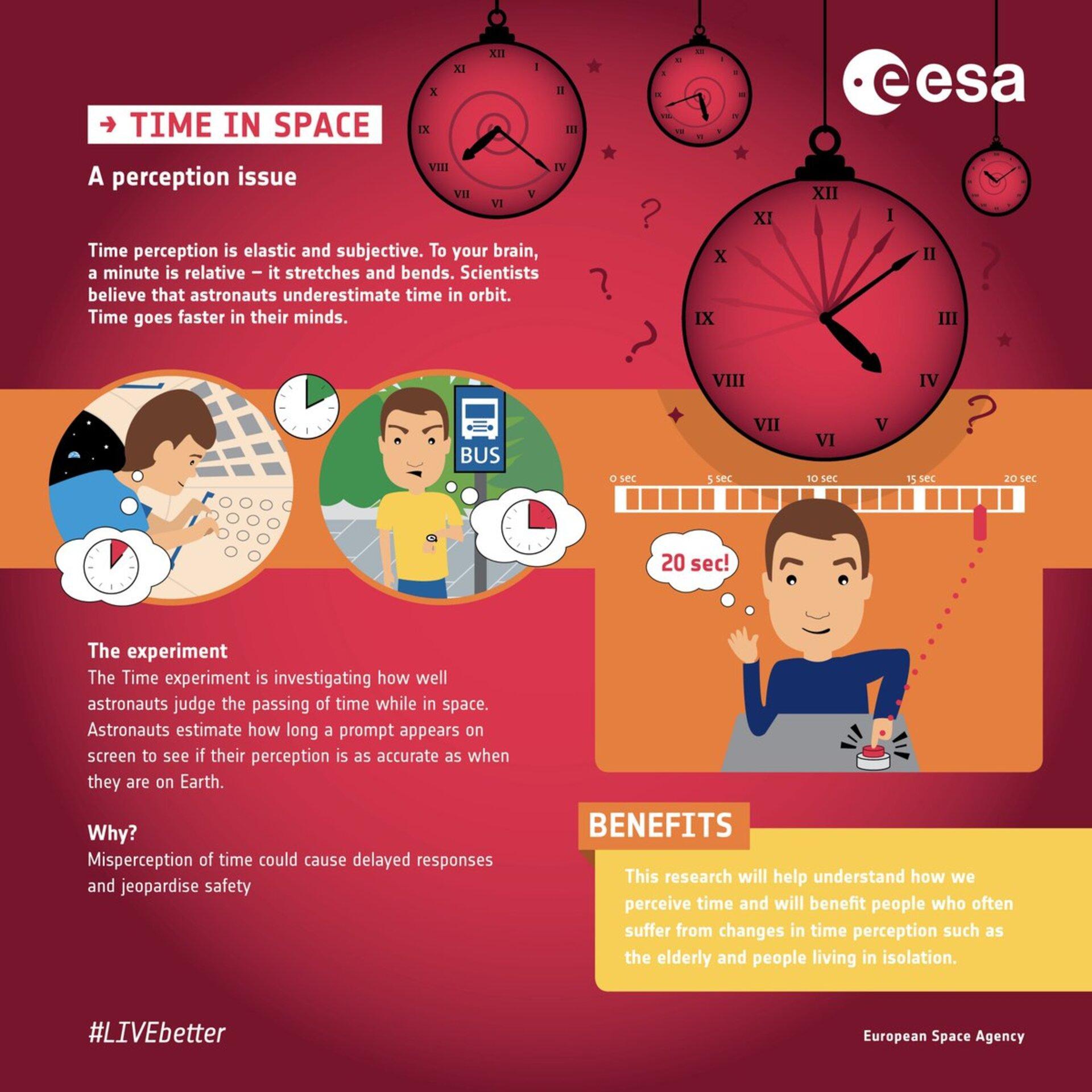
Beatriz Flamini, a remarkable Spanish endurance athlete, embarked on an extraordinary journey that took her 230 feet underground for an unprecedented 500 days in a cave, an unusual experiment aimed at understanding the effects of isolation. This time perception experiment not only tested her physical limits but also delved deep into the psychological effects of solitude, shedding light on how the mind adapts in extreme endurance challenges. Cut off from the outside world without sunlight, clocks, or human interaction, Flamini believed she had experienced just 160 days of isolation. However, emerging from the depths of the cave revealed the profound distortion of time perception, highlighting the fascinating intersection of isolation and human psychology. In an age where the effects of isolation are increasingly relevant, Flamini’s journey serves as a captivating case study for researchers exploring the boundaries of human endurance and mental resilience.
Spanish mountaineer Beatriz Flamini undertook a unique challenge by spending 500 consecutive days within a subterranean cave, marking a significant scientific endeavor to explore the ramifications of extreme solitude. This endeavor, akin to various time-related experiments in psychological research, aimed to uncover the cognitive and emotional transformations that occur when individuals are stripped of their usual social interactions and environmental cues. Flamini’s experience, devoid of sunlight and everyday reference points, grants researchers invaluable insights into how isolation impacts time perception and emotional well-being. As the investigation continues, her extraordinary story highlights the complexities of human adaptation in prolonged environments devoid of social stimuli, inviting broader discussions about the psychological impacts of solitary confinement and extreme endurance.
Beatriz Flamini: Pioneering the Study of Isolation and Its Effects
Beatriz Flamini’s remarkable journey into the depths of a cave for 500 days stands as a testament to human resilience and the power of isolation. As an endurance athlete, Flamini took on this challenge not merely for personal achievement but to contribute to scientific understanding. The Timecave Project, designed to study the effects of prolonged solitude, provided a unique setting for researchers to observe psychological changes in a constrained environment. Prior experiments on isolation often focused on shorter durations, which left many questions unanswered about long-term effects on mental health and cognitive function.
During her secluded time underground, Flamini’s experiences offered a window into the effects of isolation on human psychology, including shifts in time perception, emotional stability, and memory. Researchers had hypothesized about the possible psychological effects of solitude, yet Flamini’s project provided unprecedented empirical data. Her experience shed light on how humans cope in the absence of social interactions and external stimuli, effectively paving the way for future studies on extreme endurance challenges and their implications for environments like space missions.
The Psychological Effects of Solitude: Insights from Flamini’s Cave Experiment
The psychological effects of isolation can be profound and multifaceted, as highlighted by Beatriz Flamini’s lengthy cave experiment. Residing in complete seclusion meant her brain had to adjust to a stark absence of social interaction and external cues commonly associated with daily life. Flamini reported experiencing moments of disorientation and auditory hallucinations, reflecting how the human mind struggles in ongoing silence, a finding that resonates with psychological research on solitude. This experiment revealed that while loneliness can be challenging, it’s not always the main hurdle; rather, it can be the overwhelming quiet and lack of stimulation that drives the mind to create its own perceptions to cope.
Moreover, Flamini’s evolving relationship with solitude showcased the adaptability of the human mind. Rather than succumbing to despair, she learned to find peace and even enjoyment in her trench of isolation. By maintaining routines that included exercise, reading, and video journaling, she managed to create a semblance of normalcy in her secluded life. This adaptability speaks volumes about human resilience, suggesting that isolation does not inherently lead to negative psychological consequences; instead, it can foster creativity and introspection, particularly in the context of extreme endurance challenges like her own.
Understanding Time in Isolation: The Perception Experiment of Beatriz Flamini
One of the most startling discoveries from Beatriz Flamini’s experiment was her altered perception of time. After spending 500 days in the cave, she believed she had only experienced about 160 days of isolation. This significant distortion of time perception raises intriguing questions about how humans measure and understand time when stripped of daily routines and environmental cues. Without daylight or regular social interactions to anchor her understanding of the passage of time, Flamini’s experience underscores how reliant we are on external markers for timekeeping.
Flamini’s situation presents an inspiring case for further exploration into time perception under unique conditions. The project parallels psychological studies suggesting that time can feel subjective, especially in extreme scenarios like isolation. The implications are vast: findings from her journey can be instrumental for individuals working in isolated environments—such as astronauts on long space missions—helping them manage their own experiences of time and reduce potential disorientation.
Extreme Endurance Challenges: What Beatriz Flamini’s Experience Teaches Us
Beatriz Flamini’s 500 days in a cave represents a remarkable instance of an extreme endurance challenge that transcends physical limits and delves into the realms of psychology and human adaptability. Such challenges often serve as focal points for understanding human capabilities and the mind’s resilience in facing adversities. Her experience illuminates how the human spirit can endure harsh conditions and isolation, offering valuable lessons for athletes, researchers, and adventurers alike exploring their own physical and mental boundaries.
Moreover, Flamini’s journey helps inform various fields, including psychology, environmental science, and even themes of exploration in extreme sports. With every endurance challenge, there are insights to be gained about the human capacity to adapt to unfavorable conditions. Understanding her time in the cave fosters a broader conversation on how extreme scenarios can catalyze personal growth, adaptation, and the exploration of the limits of human experience beyond mere survival.
The Impact of Complete Disconnection: Learning from an Isolated Existence
Living without contact from the outside world, Beatriz Flamini’s experience in the cave serves as a profound case study in human isolation. With no access to mobile devices, television, or even newspapers, Flamini not only faced physical seclusion but also a complete detachment from the constant flow of information that defines modern existence. This level of disconnection allows for introspection and deep personal analysis but simultaneously raises concerns about the psychological consequences of being cut off from society.
Researchers are keen to analyze the nuances of Flamini’s venture, particularly the ways in which individuals cope without typical societal frameworks. The lessons learned from her isolation can play a pivotal role in understanding social connectedness in contemporary society. As technology advances, identifying strategies to balance connection and disconnection, while maintaining mental and emotional well-being, becomes increasingly important, especially for those in demanding or isolated roles.
The Journey Back to Reality: Beatriz Flamini’s Return from Isolation
Emerging from the cave after 500 days, Beatriz Flamini faced the reality of reintegration into a world that had evolved in her absence. Returning to a society that had experienced significant global events, including political upheavals and advancements in technology, she represented a living case study of the stark contrasts between isolation and connectivity. Flamini’s journey home underscores the challenges individuals face when returning from prolonged solitary states, particularly regarding adjustment to rapid changes in society.
The emotional and psychological transition from a solitary existence back to regular life can be daunting. Flamini’s sentiments of disappointment about leaving her underground refuge highlight the complexities of emotional attachment to isolation. Her experience invites further exploration into how people adapt after significant periods of solitude and the broader implications for resilience and recovery in various contexts, supporting a deeper understanding of human behavior when faced with drastic societal shifts.
Exploring the Effects of Isolation on Human Memory with Beatriz Flamini
Beatriz Flamini’s time in isolation offers an intriguing lens through which to explore the effects of solitude on memory. The absence of stimuli that typically structure our day-to-day lives can lead to fascinating changes in memory processes. For Flamini, the lack of social interactions, environmental shifts, and timeframes contributed to an altered memory landscape, as she often struggled to recall the exact duration of her time underground. This highlights the potential for isolation to reshape how memories are formed and retained, making it a critical focus area for psychological research.
Researchers studying memory dynamics have much to learn from Flamini’s unique experience. Similar isolation scenarios, such as deep-sea missions or space travel, could exhibit comparable effects on memory retention and cognitive processing. By analyzing Flamini’s experience and the resulting memory adaptations, scientists may develop strategies to help individuals facing isolation maintain cognitive function and better manage memory-related tasks, enhancing their preparedness for extreme conditions.
The Social Disconnect: Beatriz Flamini’s Study on Loneliness and Awareness
The phenomenon of loneliness in extreme isolation, as experienced by Beatriz Flamini, can provoke deep insights into human awareness and social connections. Despite the common assumption that isolation leads to overwhelming loneliness, Flamini expressed that the absence of people wasn’t her greatest obstacle. Instead, she navigated her feelings toward solitude and gradually learned to appreciate the silence, revealing an essential component of human adaptability in uncomfortable situations. This nuanced understanding of loneliness prompts consideration of how individuals cope when stripped of their social frameworks.
Flamini’s journey also points to the need for awareness of individual emotional states during long periods of solitude. The lessons gleaned from her lived experience can inform how adaptive mechanisms function and how individuals can leverage their coping strategies in similar circumstances. This understanding holds potential implications for those engaged in jobs that require extensive isolation, such as scientists on remote research expeditions or astronauts on prolonged missions, aiding them in managing emotional wellness.
The Future of Isolation Studies: Key Takeaways from Beatriz Flamini’s Experience
The insights gained from Beatriz Flamini’s 500-day cave experiment represent a paradigm shift in how we study isolation and its numerous effects on the human psyche. This comprehensive investigation provides researchers with a firsthand account of prolonged solitude, stimulating further inquiries into the importance of social interaction, environmental stimuli, and cognitive functioning. Such studies are paramount as society grapples with increasing instances of loneliness and disconnection, necessitating a deeper understanding of the implications of isolation in modern life.
Flamini’s case not only contributes to academia but also invites broader discussions about how we structure our lives amidst our increasingly digital interfaces. As scientists continue to study the mechanisms of adaptation in isolation, Flamini’s findings will likely inform protocols for future expeditions and guide innovations in mental health strategies, suggesting that she has opened the door to a new realm of understanding regarding psychological resilience and the intricate dynamics of human interaction with solitude.
Frequently Asked Questions
What were the psychological effects of solitude experienced by Beatriz Flamini during her 500 days in a cave?
Beatriz Flamini’s 500 days in a cave provided unique insights into the psychological effects of solitude. While many expected loneliness to be the most challenging aspect, Flamini reported experiencing occasional disorientation and auditory hallucinations due to the overwhelming silence. Surprisingly, she found interactions with insects to be more frustrating than her isolation. Overall, she adapted to her surroundings, experiencing periods of peace and contentment, highlighting the human mind’s ability to adjust to extreme endurance challenges.
| Key Points | Details |
|---|---|
| Beatriz Flamini’s Experiment | Flamini spent 500 days in a 230-foot-deep cave as part of the Timecave Project. |
| Isolation Effects | The experiment aimed to study the impacts of prolonged isolation on the brain, body, and time perception. |
| Living Conditions | Flamini lived with no sunlight, clocks, or direct human contact, using a self-structured daily routine. |
| Perception of Time | She believed she had been there for only 160-170 days, illustrating how isolation distorted her sense of time. |
| Psychological Effects | Although she experienced occasional disorientation, Flamini found the experience peaceful and adapted to solitude. |
| Reintegration Challenges | Emerging from the cave meant catching up on missed global events, highlighting the contrast between her isolation and the outside world. |
| Future Implications | Flamini’s experience provides insights into human resilience and adaptation, relevant for isolated missions in space or undersea. |
Summary
Beatriz Flamini’s remarkable journey into isolation sheds light on human adaptability in extreme conditions. After spending 500 days within a 230-foot cave, Flamini’s experience goes beyond mere survival; it offers profound insights into the psychological effects of prolonged solitude. The Timecave Project, which sought to explore how isolation affects human perception of time and social interaction, revealed that Flamini perceived only 160 days had passed during her subterranean existence. Her resilient spirit and unique adaptations during this experience highlight not only the limits of human endurance but also the fascinating intricacies of our perception when stripped of our usual environmental cues. Ultimately, Flamini’s extraordinary story is not just about isolation, but a deeper understanding of how we perceive time, make sense of our experiences, and find peace amidst the silence.