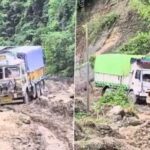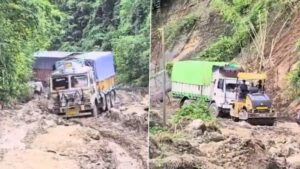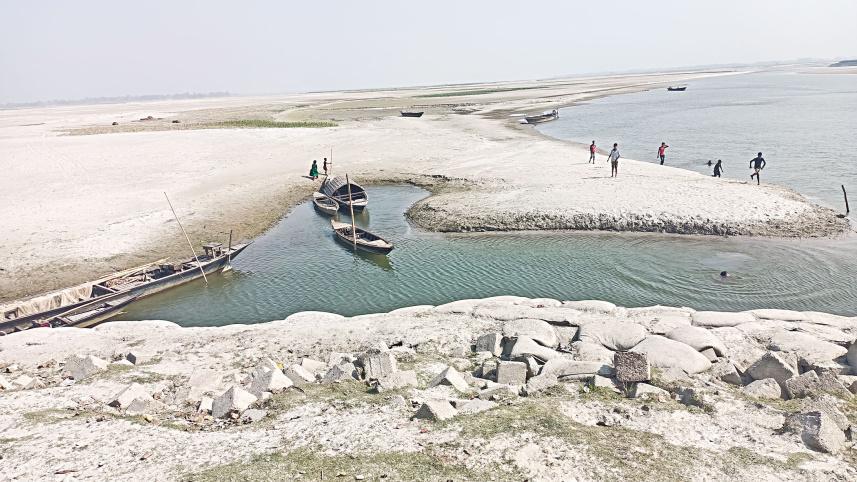
Teesta River sediment management is becoming a crucial focus for the governments of Sikkim and West Bengal as they confront the growing challenges posed by sediment accumulation. Following the devastating 2023 Glacial Lake Outburst Flood (GLOF), which not only elevated the riverbed but also severely impacted National Highway 10, the need for effective sediment management strategies has become pressing. In a recent meeting, Chief Ministers Prem Singh Tamang and Suvendu Adhikari emphasized the importance of scientific dredging of the Teesta River to mitigate these issues and restore vital connectivity to Sikkim. This collaborative effort marks a significant step in West Bengal and Sikkim cooperation, aimed at safeguarding infrastructure and enhancing regional resilience against natural disasters. By prioritizing such initiatives, both states are paving the way for a more sustainable approach to river management and disaster preparedness.
Managing sediment in the Teesta River is critical for regional stability and connectivity in the face of environmental challenges. The recent flooding events, particularly the glacial lake outburst that caused significant rise in river sediment levels, have highlighted the urgent need for a scientific approach to river maintenance. The consensus between Sikkim and West Bengal’s leadership reflects a growing commitment to joint efforts aimed at addressing the sedimentation crisis effectively. Enhanced river dredging techniques are essential to prevent further damage to infrastructure, particularly the important National Highway 10. This partnership not only underscores the value of cooperative governance but also seeks to ensure the long-term sustainability of the Teesta River basin.
Effective Sediment Management for the Teesta River
The collaborative effort between Sikkim and West Bengal to implement scientific sediment management for the Teesta River marks a significant milestone in environmental and infrastructural governance. This strategy focuses on the urgent need for dredging, which aims to alleviate the rising riverbed caused by sediment accumulation. The aftermath of the 2023 Glacial Lake Outburst Flood (GLOF) has exacerbated the sediment crisis, impacting not just the river’s health but also vital roadways like National Highway 10. By prioritizing this initiative, both states aim to restore the river’s natural flow and functionality, ensuring that such natural disasters do not cause recurrent disruptions to connectivity and the daily lives of residents and travelers alike.
Moreover, sediment management is not only about addressing immediate environmental concerns but also enhancing the socio-economic landscape of the region. Implementing a robust sediment management strategy will create safer transportation routes and promote trade and tourism between Sikkim and its neighboring states. The cooperative ventures between the two states enhance their ability to address challenges collectively, as they share the responsibility of preserving the ecological integrity of the Teesta River while ensuring that infrastructure like National Highway 10 remains operational and resilient against future climatic events.
Impact of the 2023 Glacial Lake Outburst Flood on Connectivity
The 2023 Glacial Lake Outburst Flood (GLOF) had dire consequences for the infrastructural integrity and connectivity between Sikkim and West Bengal. As the river levels rose alarmingly due to sediment buildup, crucial routes such as National Highway 10 sustained significant damage, impacting not just locals but also visitors who rely on this highway for travel. The disruption caused by the GLOF emphasized the need for urgent intervention, leading to the initiative for a cooperative dredging plan designed to mitigate further risks associated with rising riverbeds. This incident serves as a crucial reminder of how intertwined natural events and human infrastructure truly are.
In light of these events, the collaborative measures announced by the two Chief Ministers represent hope for restoring normalcy. The discussions surrounding the dredging of the Teesta River aim to address not only the physical damage incurred but also the longer-term resilience of National Highway 10 against future environmental calamities. Implementing a comprehensive sediment management approach could minimize the likelihood of similar disruptions and allow smoother passage for transportation, healthcare services, and economic activities in Sikkim and West Bengal.
Boosting Inter-State Cooperation between Sikkim and West Bengal
The recent meeting between the Chief Ministers of Sikkim and West Bengal served as a pivotal moment for inter-state relations and cooperation. By agreeing to undertake joint actions such as scientific sediment management for the Teesta River, both leaders are laying the groundwork for a more collaborative approach toward common challenges. This level of cooperation is essential, particularly in responding to the aftermath of natural disasters like the GLOF, which have repercussions extending beyond environmental damage to socio-economic instability. The groundwork being laid could usher in a new era of collaborative governance between the two regions.
Besides the dredging initiative, other aspects discussed during the meeting—such as increasing the countersignature permit quota for Sikkim-registered taxis—highlight the broader vision of nurturing inter-state transport and public service expansion. These measures could significantly benefit local economies and improve overall connectivity between Sikkim and West Bengal. The decisions made reflect a commitment to enhancing public services and fostering a spirit of mutual support, which is vital for the resilience and growth of both states in the face of future environmental challenges.
The Role of Dredging in Environmental Resilience
Dredging plays a crucial role in managing river ecosystems, particularly in a scenario fraught with the challenges of sediment build-up and altered riverbeds. For the Teesta River, implementing effective dredging techniques as part of sediment management is designed to restore the river’s natural dynamics and reduce the risks associated with flooding events. Given the extensive damage wrought by the 2023 Glacial Lake Outburst Flood, dredging is not merely a remedial measure; it emerges as a proactive strategy to safeguard infrastructure, enhance water quality, and promote biodiversity within the ecosystem.
The scientific approach towards dredging, as agreed upon by Sikkim and West Bengal, involves careful planning and execution to ensure that the ecological balance is maintained. This perspective is critical as indiscriminate dredging can lead to further ecological degradation. By using targeted sediment management methods, the aim is to enhance not only the stability of the Teesta River but also to bolster the overall health of the surrounding ecosystem, thus contributing to a sustainable approach to regional development while mitigating the impacts of climate change.
Addressing National Highway 10 Damage through Strategic Planning
National Highway 10 stands as a lifeline between Sikkim and the rest of India, enabling transportation of goods, services, and travel for individuals. However, the damage inflicted by the 2023 Glacial Lake Outburst Flood highlighted its vulnerability to natural disasters. The decision to focus on sediment management through dredging procedures is a critical response aimed at preserving this vital route. By effectively managing sediment build-up in the Teesta River, the highway’s structural integrity can be reinforced, thus ensuring that it remains operational even in the face of adverse weather events.
Strategic planning surrounding National Highway 10 must incorporate thorough risk assessments and proactive mitigation strategies to handle the recurring threats posed by climate-related disturbances. Through the collaboration between Sikkim and West Bengal, there is potential not only for immediate repairs and restoration post-GLOF but also for developing a resilient infrastructure framework that anticipates and responds to environmental challenges. Ensuring that National Highway 10 can withstand potential future disturbances will require continuous monitoring and adaptive management practices that prioritize both safety and accessibility for all users.
Collaborative Efforts for a Sustainable Future
The cooperative agreement between the governments of Sikkim and West Bengal to manage the Teesta River through sediment management highlights a forward-thinking approach in addressing environmental challenges. Collaboration between states often leads to more innovative and comprehensive strategies, enabling a pooling of resources and expertise to tackle issues that are too complex for a single jurisdiction. As the region faces unprecedented climatic changes, fostering such partnerships will not only improve environmental management outcomes but also enhance community resilience and adaptive capacity.
Sustainable development can only occur when regions work in harmony to create solution-oriented frameworks that prioritize ecological integrity while supporting economic growth. The focus on maintaining the Teesta River, along with infrastructural improvements like National Highway 10, showcases an integrated approach to regional development that considers both current needs and future sustainability. These actions emphasize the importance of not viewing environmental and developmental issues in isolation but rather as interconnected challenges that require collective efforts and shared responsibilities across political boundaries.
Long-Term Benefits of Joint Sediment Management Practices
The long-term benefits of engaging in joint sediment management practices for the Teesta River are multifaceted. One primary advantage is the enhanced environmental health of the riverine ecosystem, supported by strategic dredging to reduce sediment build-up and flooding risks. Such measures directly improve water quality and promote biodiversity, fostering a more resilient natural habitat that can withstand climatic changes. The decision to implement these practices collectively underscores the recognition of shared environmental responsibilities and the importance of joint stewardship of natural resources.
Additionally, sediment management practices are likely to foster economic benefits through improved infrastructure, as a stable Teesta River can support agricultural activities and boost tourism. With the mitigation of risks associated with sediment accumulation, local businesses and communities stand to gain from increased stability in transportation routes, facilitating trade and enhancing connectivity. The commitment to a sustainable future through joint action reflects a broader recognition of the need for collaborative frameworks in addressing environmental challenges, ultimately reinforcing the socio-economic vitality of Sikkim and West Bengal.
Exploring Future Strategies for Teesta River Management
Looking ahead, the exploration of future strategies for managing the Teesta River will necessitate a robust framework that incorporates scientific research, community engagement, and innovative technologies. With climate change posing unpredictable risks, establishing a flexible management system will be essential for adapting to future challenges. This can include the development of early warning systems for potential flooding, enhancing sediment monitoring, and investing in green infrastructure to stabilize riverbanks. By utilizing advanced tools and data, Sikkim and West Bengal can better understand the ecological dynamics at play and respond more effectively to emerging threats.
Furthermore, fostering community involvement in sediment management initiatives is crucial for ensuring the long-term success of these strategies. Public education and awareness campaigns can empower residents to understand their role in protecting local waterways, such as the Teesta River. By integrating local knowledge and practices into formal management frameworks, both governments can create a more inclusive approach that benefits everyone. This forward-looking vision for river management emphasizes sustainability, resilience, and community engagement as paramount to navigating the complexities of environmental governance.
Strengthening Public Services through Regional Partnerships
The discussions between the Chief Ministers of Sikkim and West Bengal extend beyond environmental concerns to include vital public services, emphasizing the interconnected nature of governance. Strengthening inter-state partnerships is crucial for enhancing public services, particularly in health and transportation, which directly impact the quality of life for residents. Initiatives like the proposed Suswastha Bhawan Sikkim at the SNT Complex in Siliguri demonstrate a commitment to improving health access for Sikkim’s residents, showcasing how regional cooperation can yield tangible benefits for communities and ensure better service delivery.
Additionally, by increasing the co-signature permit quota for Sikkim-registered taxis, the two states are taking practical steps to simplify transport logistics and relieve burdens on local drivers. As economic activities thrive through enhanced connectivity, public services will inevitably improve, leading to a stronger integration of Sikkim’s socio-economic fabric with West Bengal. The recognition of mutual dependencies reinforces the notion that regional cooperation is a vital strategy not only for managing environmental issues like the Teesta River sediment but also for uplifting public service standards and facilitating seamless interactions between neighboring states.
Frequently Asked Questions
What is being done for Teesta River sediment management following the 2023 Glacial Lake Outburst Flood?
In response to the 2023 Glacial Lake Outburst Flood (GLOF), the governments of Sikkim and West Bengal have agreed to implement scientific sediment management through dredging of the Teesta River. This initiative aims to address the rising riverbed caused by sediment accumulation, which has adversely affected infrastructure such as National Highway 10 and disrupted connectivity to Sikkim.
| Key Point | Details |
|---|---|
| Joint Sediment Management | Sikkim and West Bengal governments have agreed to combine efforts in scientific sediment management through dredging due to rising riverbed issues. |
| Impact of 2023 GLOF | The 2023 Glacial Lake Outburst Flood caused significant damage to National Highway 10, affecting connectivity to Sikkim. |
| Meeting Details | Prem Singh Tamang and Suvendu Adhikari discussed sediment management and other proposals during a formal meeting in Kolkata. |
| Outcome of Meeting | Both Chief Ministers agreed on the necessity of managing sediment accumulation to protect infrastructure. |
| Health Facility Proposal | The proposal for Suswastha Bhawan Sikkim to assist patients from Sikkim was approved. |
| Permit Quota Increase | The quotas for Sikkim-registered taxis in West Bengal were raised from 3,000 to 6,000. |
| Expressions of Gratitude | Tamang thanked Adhikari for the productive discussions and swift decisions, highlighting their importance for inter-state cooperation. |
Summary
Teesta River sediment management is a crucial initiative aimed at addressing the ongoing challenges presented by sediment accumulation in the river, exacerbated by the recent 2023 Glacial Lake Outburst Flood. This collaborative effort between the governments of Sikkim and West Bengal is essential to restore the river’s ecological balance and maintain the connectivity vital for Sikkim’s socio-economic development. By agreeing to undertake scientific dredging, both states aim to mitigate the adverse effects caused by the rising riverbed along National Highway 10. Furthermore, this partnership paves the way for additional inter-state cooperation on critical issues like health and transportation, marking a significant leap towards enhanced public welfare.