

UNESCO World Heritage Sites India showcases a remarkable array of architectural masterpieces and natural wonders that epitomize the country’s rich cultural heritage. With 44 designated sites, including icons like the Taj Mahal and the majestic Hampi Monuments, these locations reflect the diverse history and artistic achievements of the Indian subcontinent. Among these treasures, the Ajanta and Ellora Caves stand out, revealing awe-inspiring ancient rock-cut masterpieces that illustrate India’s artistic evolution. From the intricate carvings of the Khajuraho Group of Monuments to the stunning landscapes of natural heritage sites, each site offers a unique glimpse into India’s past. Exploring these UNESCO World Heritage Sites not only enriches one’s understanding of Indian history but also provides an unforgettable journey through time and culture.
When we think of India’s exceptional historical landmarks, it’s impossible to overlook the array of UNESCO-designated sites that tell the story of the country’s vibrant heritage. These heritage locations, such as the enchanting Taj Mahal, the ancient rock formations of Ajanta and Ellora, and the sprawling remnants at Hampi, collectively represent the symphonic blend of Indian culture and history. Each site not only serves as a testament to India’s architectural ingenuity but also highlights the cultivation of traditional practices over centuries. As cultural icons, these sites attract millions of visitors and offer a profound insight into the ancestral legacies that have shaped modern India. By exploring these prominent landmarks, travelers embark on an insightful journey through India’s dynamic past.
Exploring UNESCO World Heritage Sites in India
India, a country rich in history and cultural heritage, is home to 44 designated UNESCO World Heritage Sites, with an impressive array of architectural wonders, stunning landscapes, and spiritual significance. Among these, the culturally significant sites stand out, revealing the exquisite craftsmanship and deep-rooted traditions of various Indian civilizations. From the majestic Taj Mahal in Agra to the intricate sculptures of the Ajanta Caves, these sites offer a glimpse into India’s past, beautifully woven into its present.
Each UNESCO World Heritage Site in India tells a unique story that resonates with the essence of Indian cultural heritage. Whether it’s the celestial artistry found in the Ellora Caves or the playful forms in the Khajuraho Group of Monuments, visitors can experience the divergent narratives that these locations evoke. This spectacular blend of history, art, and spirituality not only draws scholars and travelers alike but also fosters a sense of pride in India’s global cultural impact.
The Architectural Wonders of the Taj Mahal
Regarded as a universal symbol of love, the Taj Mahal continues to enchant millions of visitors each year. This stunning mausoleum, constructed from shimmering white marble, showcases intricate carvings and exquisite inlay work that exemplifies the pinnacle of Mughal architecture. Recognized as a UNESCO World Heritage Site for its artistry and historical significance, the Taj Mahal remains a testament to the enduring appeal of India’s cultural craftsmanship.
Beyond its captivating beauty, the Taj Mahal is steeped in cultural and historical narratives, highlighting the grandeur of the Mughal empire. The seamless integration of Persian, Islamic, and Indian architectural styles creates an architectural harmony that is unmatched. As one of the most-visited attractions in India, the Taj Mahal draws admirers from all corners of the globe, offering not just a visual feast but an emotional journey that reflects India’s rich heritage.
Marveling at the Ellora and Ajanta Caves
The Ellora Caves, a remarkable testament to ancient rock-cut architecture, are a collection of 34 monasteries and temples built between the 5th and 10th centuries. This UNESCO World Heritage Site exemplifies the confluence of Buddhist, Hindu, and Jain traditions, depicted through magnificent sculptures and intricate carvings. Visitors are left in awe as they explore the grand Kailasa Temple, a monolithic structure carved from a single rock, reflecting the incredible craftsmanship and religious devotion of its era.
Similarly, the Ajanta Caves, another UNESCO-listed site, boast exquisite frescoes and exquisite sculptures that transport visitors into the world of Buddhist artistry. Dating back to the 2nd century BCE, these caves provide a glimpse into the spiritual and artistic evolution of India during ancient times. The breathtaking beauty of the murals, depicting various Jataka tales, offers travelers a captivating insight into India’s illustrious cultural legacy.
Group of Monuments at Hampi: An Open-Air Museum
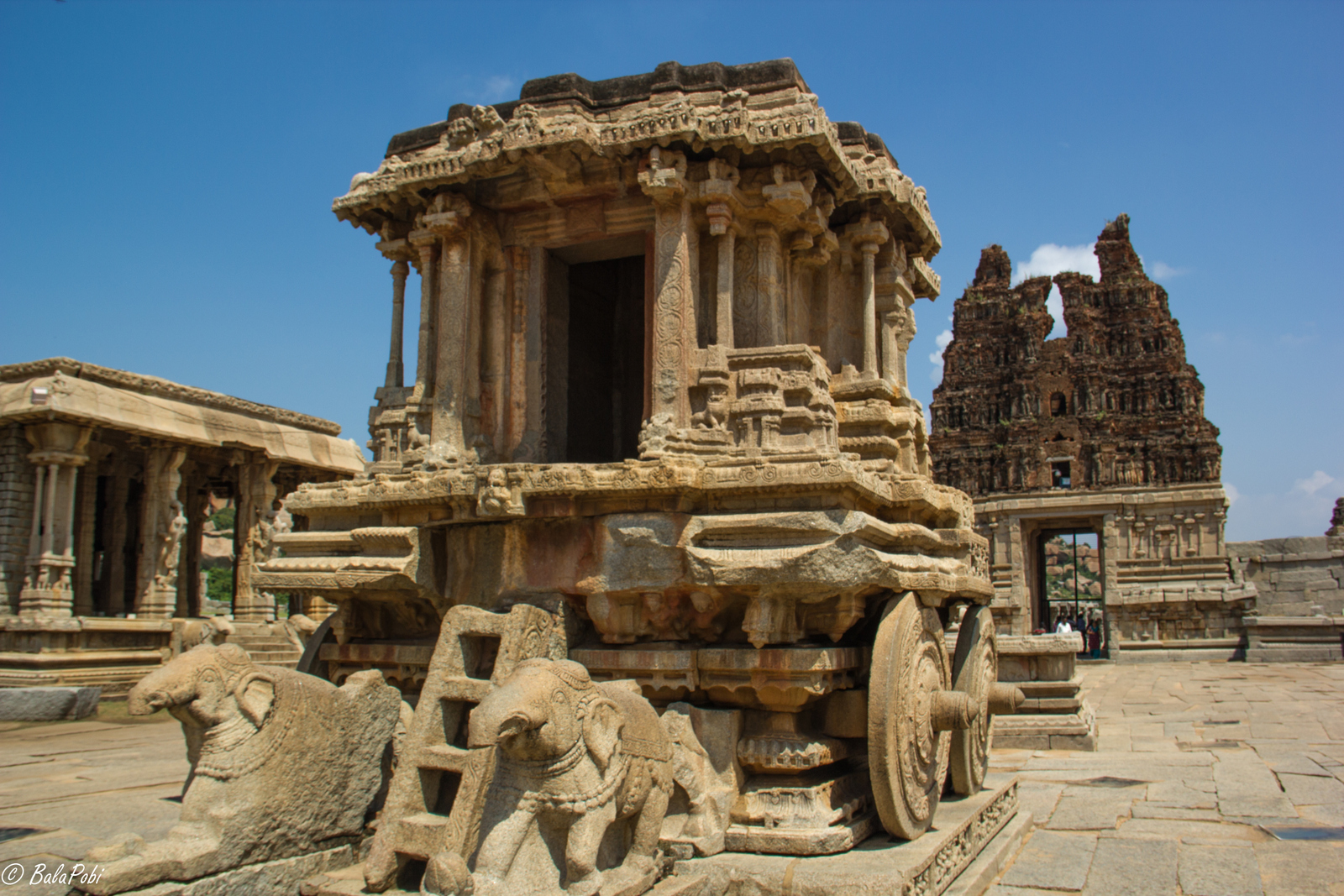
The Group of Monuments at Hampi is a sprawling site, where the remnants of the Vijayanagara Empire echo through time. Recognized by UNESCO for its rich historical and architectural significance, Hampi serves as an open-air museum that tells tales of a glorious past through its imposing temples, palaces, and marketplaces. As visitors navigate through the ruins, they are greeted by breathtaking landscapes adorned with boulders and lush greenery, creating a surreal experience.
What makes Hampi particularly remarkable is the mesmerizing Sandstone temples that showcase intricate carvings and detailed stone work. These architectural masterpieces, such as the Virupaksha Temple and the Vithala Temple, are not just structures; they represent a confluence of art and spirituality that has stood the test of time. Hampi’s cultural richness and historical narratives make it a must-visit for travelers looking to delve into India’s heritage.
Khajuraho Group of Monuments: A Celebration of Love and Art
The Khajuraho Group of Monuments, a UNESCO World Heritage Site, is renowned for its stunning temples adorned with intricate erotic sculptures and exquisite carvings that depict various aspects of life, love, and art. Built during the Chandela dynasty, these temples serve as a celebration of the fusion of spirituality and sensuality, inviting travelers to explore the depths of human emotions captured in stone. The sheer artistry involved in each carving is a testament to India’s rich cultural tapestry.
Visitors to Khajuraho are captivated by the vibrant expressions and intricate details that define each sculpture, providing insights into societal norms and values of the era. Beyond their architectural brilliance, these monuments reflect the rich diversity of Indian cultural heritage, making the site an essential destination for those interested in understanding the historical context of India’s artistic legacy.
Frequently Asked Questions
What are the most famous UNESCO World Heritage Sites in India?
India is home to 44 designated UNESCO World Heritage Sites, with notable ones including the Taj Mahal, Ajanta Caves, and Hampi Monuments. The Taj Mahal, recognized in 1983, symbolizes eternal love and showcases stunning Mughal architecture. The Ajanta Caves feature ancient rock-cut temples adorned with exquisite frescoes, while the Hampi Monuments offer a glimpse into a historic capital with impressive ruins set against a unique bouldered landscape.
| Site Name | Location | Year Designated | Description | Architectural Style | Significance | ||||||||||||||||||||||||||||||
|---|---|---|---|---|---|---|---|---|---|---|---|---|---|---|---|---|---|---|---|---|---|---|---|---|---|---|---|---|---|---|---|---|---|---|---|
| Taj Mahal | Agra, Uttar Pradesh | 1983 | A symbol of eternal love, built by Shah Jahan for Mumtaz Mahal. | Persian, Islamic, Indian | One of the most-visited attractions in India. | Ellora Caves | Aurangabad, Maharashtra | 1986 | Known for its rock-cut temples and intricate sculptures. | Indian rock-cut architecture | A masterpiece of religious tolerance and artistic brilliance. | Ajanta Caves | Aurangabad, Maharashtra | 1983 | Famous for ancient Buddhist rock-cut caves and frescoes. | Buddhist art and architecture | A UNESCO World Heritage Site with exquisite murals and sculptures. | Sun Temple | Konark, Odisha | 1984 | Dedicated to the Sun God, it is an architectural marvel. | Kalinga architecture | Recognized for its unique chariot-shaped structure. | Group of Monuments at Hampi | Hampi, Karnataka | 1986 | Known for its ruins surrounded by boulder-strewn landscapes. | Vijayanagara architecture | Presents an extraordinary travel experience combining history and nature. | Khajuraho Group of Monuments | Madhya Pradesh | 1986 | Famous for its erotic sculptures and stunning temples. | Nagara style architecture | A testament to the artistic expression of ancient Indian society. |
Summary
UNESCO World Heritage Sites India showcases the rich architectural brilliance and cultural beauty of the country through its 44 designated sites as of March 2026. This includes a remarkable array of 36 cultural sites, 7 natural sites, and 1 mixed site, highlighting India’s longstanding historical significance. Notably, the Taj Mahal epitomizes eternal love and architectural aesthetics while attracting millions of tourists. Similarly, the Ellora and Ajanta Caves delve into ancient art, and the Sun Temple at Konark exemplifies the mastery of Kalinga architecture. Hampi’s group of monuments and the Khajuraho temples provide insight into India’s artistic legacy, making these sites not just tourist attractions, but cherished treasures of India’s heritage.



























