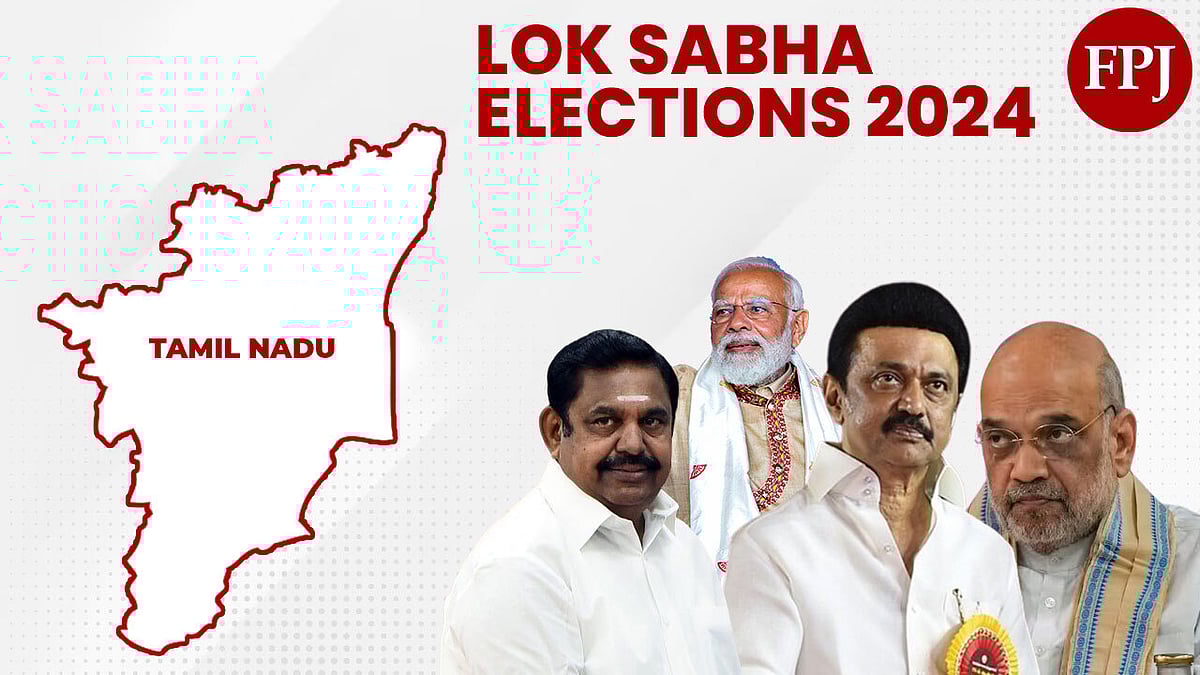
In a recent statement, Chidambaram criticizes the Centre’s controversial decision to convene Parliament during the pivotal Tamil Nadu elections. He argues that this move could undermine the democratic process, especially as candidates will be focused on their constituencies between April 16-18. Chidambaram’s concerns center around the potential introduction of important constitutional amendment bills during this crucial time, raising questions about how the 67 Lok Sabha MPs, who are also election candidates, can effectively participate in both their legislative duties and campaign efforts. This situation has sparked political controversy, particularly concerning the implications for voter representation amidst the backdrop of the AIADMK-BJP alliance. As the elections draw nearer, the tension between governance and electoral engagement continues to be a hot topic of discussion among politicians and citizens alike.
The political climate in Tamil Nadu is heating up as the 2026 elections approach, with prominent figures like Chidambaram voicing their criticisms against the Central government. The decision to hold parliamentary sessions during this election period raises significant concerns about the fairness and transparency of the electoral process. As members of the opposition feel sidelined, key discussions regarding constitutional modifications could take place without their full participation, potentially jeopardizing the integrity of democratic representation. Amidst this backdrop, the prevailing alliance between the AIADMK and the BJP fuels further division and debate in a state known for its vibrant political landscape. With elections looming, each move made by the Center is under scrutiny, highlighting the dynamic interplay of local and national interests.
Chidambaram Criticizes Center’s Timing of Parliamentary Sessions
P. Chidambaram, a prominent voice in Tamil Nadu politics, recently condemned the Central Government’s decision to convene Parliament during the crucial period leading up to the Tamil Nadu elections. He labeled this move as ‘mischievous,’ arguing that it serves to undermine the democratic processes that should be respected during election season. Under normal circumstances, Members of Parliament are expected to focus on their constituencies to ensure they are adequately representing their voters. However, by scheduling discussions and votes on significant constitutional amendments at this time, the government appears to be intentionally placing obstacles in the path of the 67 Lok Sabha MPs who are engaged in their electoral duties over the election dates of April 16-18. This decision raises serious questions about the government’s sincerity towards democratic engagement and its commitment to fair electoral practices.
Chidambaram’s criticisms highlight a broader political controversy surrounding the administration’s tactics, particularly in relation to the AIADMK-BJP alliance, which has faced its share of scrutiny in Tamil Nadu. The timing of these parliamentary sessions is seen not just as a logistical challenge, but as a strategic maneuver designed to exclude certain political voices from participating in key legislative decisions that could have a lasting impact on the state’s governance. With many key issues at stake—ranging from economic policies to social welfare programs—this situation may very well influence the sentiment of voters in the upcoming elections, further complicating the already heated political landscape in Tamil Nadu.
The Strategic Implications of Parliament’s Schedule During Elections
The Central Government’s decision to convene Parliament amidst the election timing can be viewed as a strategic play aimed at shaping legislative outcomes that align with its political ambitions. With pivotal constitutional amendments on the table, the possibility of sidelining key representatives from crucial discussions presents a significant concern. The AIADMK-BJP alliance, grappling with electoral instability, might be influenced by such timings, as they become vulnerable to decisions that could be enacted without the input of vital local leaders. This raises ethical concerns regarding the transparency and integrity of the governmental functions surrounding election season.
Moreover, the implications of such actions are far-reaching. If major legislative decisions are pushed through while key figures are distracted by their electoral campaigns, this could lead to significant public backlash against the ruling party. Chidambaram’s insights indicate that a coordinated effort is required from opposition parties to ensure that the voices affected by these parliamentary proceedings are adequately represented. As Tamil Nadu elections approach, these issues will likely intensify, serving as a litmus test for the AIADMK-BJP alliance and the Central Government’s hold over regional politics.
Election Integrity and Legislative Procedures
The integrity of elections is pivotal in a democratic society, and the legislative procedures in play during such times must be respected and protected. When a government schedules parliamentary sessions during an election campaign, it raises alarms over their commitment to maintaining transparency and fair representation. Chidambaram’s observations reflect a significant concern among several opposition members regarding the timeline of these parliamentary responsibilities, which could distract MPs who are duty-bound to their constituencies. This situation underscores the importance of holding elected officials accountable and ensuring they uphold the democratic process, abiding by the norms that prioritize voter engagement over legislative maneuverings.
As elections draw near, the spotlight will remain on how the Central Government manages its parliamentary agenda amidst conflicting political duties. Political analysts are keenly observing whether Chidambaram’s criticisms will resonate with the electorate, sparking a wave of debate over election integrity and the role of elected representatives. The balance between legislative obligations and electoral responsibilities is delicate, and how it is handled could significantly influence the outcome of the Tamil Nadu elections. Stakeholders must join together to emphasize the need for a fair political environment that prioritizes the voices of voters while maintaining the democratic fabric of the nation.
Frequently Asked Questions
Why did Chidambaram criticize the Center’s decision to convene Parliament during the Tamil Nadu elections?
Chidambaram criticized the Center’s decision to convene Parliament during the Tamil Nadu elections, highlighting that it is disruptive for MPs engaged in their constituencies. He questioned the timing, suggesting that the introduction of significant constitutional amendments could deliberately exclude 67 Lok Sabha MPs from participating in crucial votes, thereby raising concerns about the fairness of the AIADMK-BJP alliance’s strategy during this political controversy.
| Key Points | Details |
|---|---|
| Chidambaram’s Criticism | Criticizes the Centre for convening Parliament during the election season. |
| Timing of the Parliament Session | Sessions are scheduled from April 16-18, which coincides with the Tamil Nadu elections. |
| Constitutional Amendments Concerns | Worries that important bills might be discussed when MPs are occupied with elections. |
| Exclusion of MPs | Suspicion raised that the intention behind the timing is to exclude those MPs from voting. |
Summary
Chidambaram criticizes Center for its controversial decision to convene Parliament during the crucial election season in Tamil Nadu. His remarks highlight significant concerns over the political timing, suggesting that it could undermine the democratic process by limiting the participation of elected representatives. The Parliament sessions slated for April 16-18 not only clash with the election dates but also raise red flags about potential constitutional amendments being pushed without full parliamentary engagement. This accusation of deliberate exclusion points to a broader issue of ethical governance and the need for fair election practices, further igniting political debates in the region.