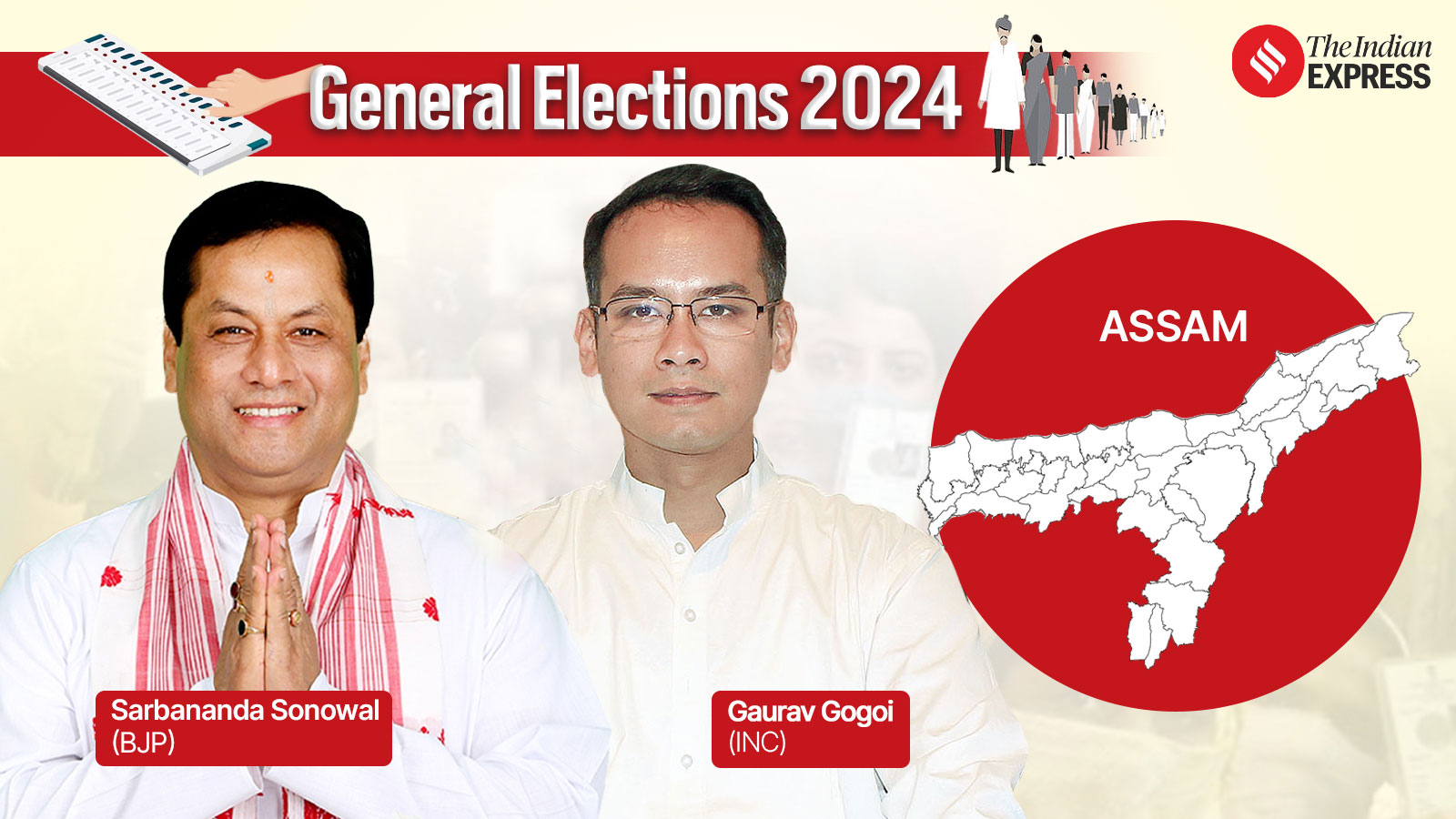
The Assam elections are generating significant buzz as the state prepares for the critical political showdown in 2026. With key figures like Rahul Gandhi actively campaigning, the spotlight is on the Congress party Assam as they challenge the controversial leadership of Chief Minister Himanta Biswa Sarma. Gandhi’s recent rally highlighted allegations of corruption against Sarma, stirring up the Assam political debate ahead of the elections. His fiery critique not only questions the integrity of the current government but also emphasizes a commitment to accountability if the Congress returns to power. As the election season unfolds, the dynamics between the parties promise to shape the future of Assam’s governance and socio-political landscape.
As the political climate heats up in Assam, the upcoming electoral battle is poised to be both fierce and pivotal. The discussions surrounding the Assam elections 2026 reflect broader themes of justice, transparency, and community unity. With notable figures entering the fray, the atmosphere is charged with rallies and debates, particularly as the Congress party gathers momentum against the ruling party’s incumbents. The spotlight on controversies, including those involving Himanta Biswa Sarma, enhances public scrutiny of leadership and policy decisions. This electoral contest will not only define party politics but also resonate deeply with the citizens of Assam as they seek responsive representation.
Rahul Gandhi Raises Concerns Over Assam Elections 2026
As the Assam elections of 2026 approach, Rahul Gandhi’s recent statements in public rallies have sparked significant controversy surrounding the current administration. During a rally in Biswanath, he criticized Chief Minister Himanta Biswa Sarma, labeling him as the most corrupt leader in India. Gandhi’s accusations hold weight, especially in light of ongoing debates regarding his governance, which has been characterized by allegations of corruption and divisive community politics. This bold position highlights the Congress party’s strategy as they aim to regain resilience in a state where BJP has had a stronghold.
Gandhi emphasized the importance of returning governance to the people, promising that if Congress takes power, accountability and legal actions against corruption would become paramount. This commitment signals a potential shift in Assam’s political landscape, as citizens begin to consider more than just party loyalty when weighing their voting options. With the stakes high, the Congress party appears set on a campaign focused on justice, unity, and the restoration of dignity within Assamese leadership.
The Himanta Biswa Sarma Controversy: Implications for Assam’s Political Future
The controversy surrounding Himanta Biswa Sarma is a focal point of the ongoing political debate as Assam heads into the 2026 elections. Accusations of corruption coupled with claims that Sarma’s administration promotes division among various communities serve as rallying points for opposition parties, particularly the Congress party. Gandhi’s assertion that the current leadership fuels negativity rather than promoting unity poses a challenge to the BJP’s narrative of progress that they have attempted to establish in Assam. As citizens grapple with these claims, the political landscape remains deeply polarized.
Moreover, this conflict reflects broader trends within Assam politics. The allegations against Sarma underscore potential vulnerabilities in the BJP’s strategy as they face off against the Congress’s maneuvers to capitalize on economic grievances and issues affecting local communities, such as land acquisition. With Gandhi’s promises of increased accountability, particularly around issues like daily wages for tea workers and the granting of Scheduled Tribe status to certain communities, the Congress party is attempting to not only critique Sarma’s governance but also present a coherent alternative for the electorate.
Economic Policies and Community Impact Ahead of Assam Elections
Rahul Gandhi’s critique of the economic policies under Chief Minister Himanta Biswa Sarma draws a stark line between the Congress party’s vision and that of the current administration. He accused the BJP of prioritizing corporate interests, resulting in significant adverse effects on local residents, particularly those involved in Assam’s tea industry. By highlighting the issue of land acquisition from householders and its transfer to businesses, Gandhi seeks to connect with voters who feel threatened by such practices. This aspect of his campaign is critical as it addresses local economic concerns that resonate deeply with many voters.
Furthermore, the Congress manifesto outlines proposals that aim to rectify these longstanding grievances, pledging to secure fair wages and foster community autonomy through local governance. Such promises resonate within Assam’s diverse socio-economic landscape, appealing to various community segments that have historically been sidelined in favor of large corporate entities. As the Congress party emphasizes these points during the campaign, it significantly increases the stakes in the approaching elections, presenting the electorate with a clear choice between continuing the current trajectory or embracing a new paradigm that aligns more closely with Assamese traditions and values.
Cultural Unity vs. Political Division in Assam: A Critical Debate
Cultural unity has always been a hallmark of Assam’s identity, and during the upcoming elections, this narrative has become pivotal. Rahul Gandhi invoked historical figures and cultural icons to emphasize the necessity of solidarity among communities in Assam. His statements suggest a strong commitment to maintaining the state’s rich cultural fabric against the backdrop of political divisions seen under the present BJP governance. The Congress party aims to frame this cultural legacy as a critical counter-narrative to what they perceive as Sarma’s divisive tactics.
As the political debate intensifies, the approach Gandhi takes in rallying support centers around the notion that a united Assam is vital for its future prosperity. His mention of artists and notable thinkers from Assam attempts to rally voters around a shared identity that transcends political affiliations. This appeal to cultural unity as a theme in the campaign may evoke strong emotional support, particularly among younger voters who view community and collaboration as essential for addressing the challenges the state faces, including economic disparities and social unrest.
The Role of the Congress Party in Shaping Assam’s Future
The Congress party’s strategy in Assam reflects aspirations for a significant political comeback as the elections of 2026 approach. With Rahul Gandhi at the forefront, the party has focused on accountability, ongoing social issues, and economic fairness. The BJP’s tenure, characterized by allegations of corruption and favoritism towards business elites, presents an opportunity for the Congress to re-establish itself as a viable alternative for Assamese voters. By harnessing local grievances and resonating with the electorate’s demand for justice and equity, the Congress is navigating a complicated landscape.
In promoting essential policies, such as enhanced wages for tea garden workers and advocating for Scheduled Tribe status for communities, the Congress party demonstrates a commitment to inclusiveness and fairness. This approach not only addresses pressing economic issues but also reflects an attempt to regain trust among voters who may feel neglected by the current ruling party. As the elections draw closer, the Congress’s ability to communicate these ambitions effectively could significantly reshape Assam’s political dynamics.
Anticipation for Assam Elections: The Public’s Sentiment
Public sentiment in Assam as the elections approach is marked by a juxtaposition of hope and skepticism. Many voters express a desire for change, fueled by ongoing discussions surrounding corruption and governance. The intensity of Rahul Gandhi’s rallies and his calls for accountability resonate with constituents who have been adversely impacted by the current administration’s policies. Voters are increasingly aware of the implications of leadership choices on their daily lives, from economic opportunities to communal harmony.
As the dynamic political environment unfolds, citizens are engaged in discussions, often reflecting on the impact of Sarma’s government in their communities. Many are contemplating the future of Assam, weighing the promises of both the Congress party and the BJP. This growing interest in political accountability and governance is evident, indicating that the upcoming elections could be a pivotal moment in shaping the direction of Assam’s political future.
The Importance of Accountability in Assam’s Governance
Accountability serves as a cornerstone of effective governance, and Rahul Gandhi’s campaign for the Assam elections of 2026 underscores this principle. He repeatedly emphasized that under Congress’s stewardship, there would be a stringent approach to addressing corruption and creating an environment where leaders are answerable to the electorate. This approach aims to reassure voters that their concerns will be prioritized, contrasting the current narrative which many perceive to be rife with impunity.
By advocating for strict legal measures against wrongdoings, Gandhi is striving to establish a government framework where the public can hold their elected officials to account. This commitment is not just a campaign strategy; it’s a response to an electorate yearning for transparency and ethical reasoning in governance. As sentiments around these issues gain traction, they have the potential to galvanize support for the Congress party amidst an evolving political climate.
Community Empowerment and Political Representation in Assam
Gandhi’s focus on community empowerment signals a transformative approach to political representation in Assam. By advocating for the implementation of Article 244(A), he aims to provide a greater voice to local communities in making decisions that affect their lives. This emphasis on devolving power back to the communities contrasts sharply with the BJP’s more centralized approach, which has, in various instances, led to feelings of disenfranchisement among the populace. Such pledges can reshape the relationship between citizens and their leaders moving forward.
Moreover, for many voters, the notion of having agency in governance resonates deeply, promising a shift from top-down policies to inclusive practices where local communities dictate their priorities. This empowerment model presents an attractive alternative to citizens who have historically been sidelined, thus enabling them to reclaim their voice in governance. The Congress party’s commitment to this principle may forge stronger connections with communities across Assam as they head into the crucial election period.
Frequently Asked Questions
What are the key issues highlighted by Rahul Gandhi in the Assam elections 2026?
During the Assam elections 2026, Rahul Gandhi has raised significant concerns about corruption under Chief Minister Himanta Biswa Sarma. He criticized Sarma as ‘the most corrupt chief minister in the country’ and highlighted the need for accountability if the Congress party assumes power. Gandhi emphasized the importance of communal harmony and the detrimental effects of divisive politics, while also discussing the economic disparities affecting Assam’s locals, particularly in relation to land acquisition and corporate interests.
| Key Point | Details |
|---|---|
| Rahul Gandhi’s Critique of Himanta Biswa Sarma | Claims Sarma leads the most corrupt government in the country and fosters division among communities. |
| Accountability Promised | Gandhi threatens strict legal measures against Sarma’s alleged wrongdoing if Congress wins. |
| Emphasis on Unity | References to Assamese cultural icons to symbolize communal harmony and togetherness. |
| Economic Criticism | Alleges government policies favor big corporations at the expense of local interests. |
| Support for Tea Garden Workers | Promises daily wages of Rs 450 and Scheduled Tribe status for six communities in the Congress manifesto. |
| Local Autonomy | Pledges to grant greater local decision-making power through Article 244(A) for Karbi Anglong. |
Summary
The Assam elections are heating up as Rahul Gandhi intensifies his campaign, aiming to hold the current Chief Minister Himanta Biswa Sarma accountable for alleged corruption. During a public rally, Gandhi criticized Sarma’s leadership for promoting division rather than unity among the people of Assam. He stressed the importance of communal harmony, invoking the legacy of Assam’s cultural figures who symbolize togetherness. Additionally, Gandhi’s promises to empower local communities and improve the livelihoods of tea garden workers reflect the Congress party’s agenda to create a more inclusive and equitable Assam. As the political landscape grows increasingly competitive, the outcome of the Assam elections could reshape the state’s governance and community relations.