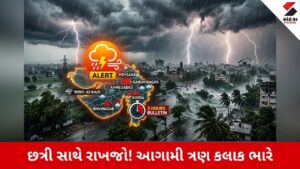
Delhi weather patterns play a critical role in shaping the city’s air quality, often exacerbating the challenges posed by pollution in Delhi. During the winter months, cooler temperatures and stagnant air create a perfect storm for high concentrations of particulate matter, which in turn leads to alarming Delhi AQI levels. Unfortunately, the prolonged exposure to such adverse weather conditions can have severe impacts on the health of residents, as the quality of the air they breathe deteriorates. The interplay between weather and pollution highlights the urgent need for effective measures to combat these fluctuations. Understanding these dynamics is essential for improving Delhi’s air quality and ensuring a healthier future for its inhabitants.
The atmospheric conditions in Delhi significantly influence the city’s environmental landscape, particularly in terms of pollution levels and air quality. Seasonal changes often lead to a rise in hazardous particulate matter, which contributes to deteriorating air quality indices that affect public health. As the capital experiences fluctuating weather patterns, the effects on pollution levels become increasingly apparent, demanding attention and action. This fascinating yet concerning relationship between climate and air pollution underscores the necessity for innovative solutions. By exploring alternative weather phenomena and their correlation with air quality, we can begin to grasp the complexity of Delhi’s environmental challenges.
Understanding Delhi’s Weather Patterns and Their Impact on Air Quality
Delhi weather patterns are crucial in shaping the city’s air quality. During the winter months, prevalent weather conditions such as low temperatures and stagnant air exacerbate pollution levels. This stagnation enables particulate matter, a major component of pollution in Delhi, to accumulate in the atmosphere. Local meteorological phenomena like reduced sunlight and high humidity further intensify the concentration of these pollutants, leading to poor visibility and adverse health effects for residents.
Furthermore, the monsoon season in Delhi presents a dual challenge. While rains generally help in reducing particulate matter by washing away pollutants, they also create a breeding ground for various other air quality issues. For instance, the humidity following rain can enhance the formation of ground-level ozone, while the disturbance caused by heavy rainfall can stir up dust and other particles, temporarily increasing Delhi’s AQI readings. Thus, the interaction between weather and pollution in Delhi underscores the importance of understanding these dynamics to devise effective pollution control measures.
Air Quality Issues in Delhi: The Role of Particulate Matter
Particulate matter (PM) is the primary pollutant of concern in Delhi, often measured by the AQI to inform residents about air quality. These tiny particles, which include dust, soot, and other pollutants, can penetrate the lungs and enter the bloodstream, posing significant health risks. The density of particulate matter in Delhi frequently exceeds safe levels, prompting health advisories and public awareness campaigns about the hazards associated with long-term exposure. Moreover, the sources of this pollution are multifaceted, including vehicle emissions, industrial discharges, and construction dust.
Pollution in Delhi is further compounded by seasonal variations in weather, which impact how particulate matter is dispersed throughout the atmosphere. For example, temperature inversions often trap pollutants close to the ground in winter months, leading to alarmingly high AQI readings. This phenomenon highlights the critical need for residents to stay informed about air quality trends and to take necessary precautions during periods of heightened pollution. Improved air quality management strategies must consider these seasonal weather patterns to effectively mitigate health risks associated with polluted air.
The Interaction Between Delhi Weather and Pollution Trends
Analyzing the interaction between Delhi’s weather and pollution trends reveals significant insights into the challenges faced by urban planners and public health officials. Weather conditions, such as wind speed and direction, can either disperse or concentrate air pollutants like particulate matter. During periods of calm weather, pollutants are often trapped near the ground, causing severe spikes in the AQI. Conversely, windy days can effectively dilute these hazardous particles and enhance air quality. Thus, understanding these patterns is essential for timely warnings and effective health advisories.
Moreover, climate change poses additional threats to Delhi’s already precarious air quality situation. Changes in precipitation and temperature patterns can alter the frequency and severity of weather events that influence pollution levels. As higher temperatures increase the formation of harmful ozone in conjunction with particulate matter, the city must adapt its air quality regulations. Staying attuned to the monthly and seasonal climate forecasts can therefore help residents better prepare for anticipated changes in air quality, ultimately fostering a healthier environment.
Seasonal Trends in Air Pollution: A Deep Dive into Delhi’s Climate
Delhi experiences a range of seasonal trends in air pollution that are directly influenced by its climatic conditions. During the summer months, temperatures soar, and the weather typically becomes dry, resulting in an increase in dust storms that significantly elevate particulate matter levels. This seasonal spike often becomes a health hazard, particularly for individuals with pre-existing respiratory conditions. Additionally, the heat can worsen ground-level ozone, further deteriorating air quality and pushing the AQI to unhealthy levels during peak hours.
In stark contrast, the winter months bring cooler temperatures and increased humidity, which can lead to thick layers of smog enveloping the city. This inversion trap, coupled with local emissions from heating and vehicular traffic, often results in alarming spikes in pollution levels. Public health advisories urging citizens to limit outdoor activities become commonplace during this time. By monitoring these seasonal trends, residents can better navigate the challenges posed by the varying air quality in Delhi and take proactive steps to protect their health.
PM2.5 and PM10: Key Contributors to Delhi’s Pollution Crisis
PM2.5 and PM10 are two critical categories of particulate matter that are particularly concerning for Delhi’s air quality. PM2.5 particles are less than 2.5 micrometers in diameter and can penetrate the lungs and even enter the bloodstream, causing severe health effects, including heart and lung diseases. In Delhi, traffic emissions and industrial activity largely contribute to the high levels of PM2.5, especially during winter when weather conditions favor the accumulation of these tiny, harmful particles.
Similarly, PM10, which includes larger particulate matter, is also a significant pollution concern in Delhi. Although somewhat less harmful than PM2.5, PM10 can still irritate the respiratory system and exacerbate health issues. The proximity of construction sites and dust from unpaved roads contribute to elevated PM10 levels, primarily in the dry months. Understanding the dynamics and sources of these particulate matter types is essential for developing effective air quality management strategies that advocate for cleaner emissions and urban planning.
Mitigating Pollution in Delhi: Weather Adaptation Strategies
To effectively mitigate pollution in Delhi, adaptation strategies must take into account the weather patterns that exacerbate air quality issues. Emphasizing green spaces and urban forestry can provide natural filtration systems that help diminish particulate matter levels. Moreover, implementing stricter regulations on vehicle emissions and promoting public transport usage can significantly reduce the incidence of harmful pollutants during high-risk weather conditions.
Another effective measure could be the installation of air purification systems in schools, hospitals, and high-traffic public areas. These systems can operate independently from weather influences, providing a safe refuge for residents, especially during peak pollution times. Enhanced public awareness campaigns that educate citizens about the correlation between Delhi weather patterns and air quality can empower them to take proactive measures for their health and safety, particularly on days when the AQI is forecasted to rise.
Public Health Implications of Poor Air Quality in Delhi
The public health implications of poor air quality in Delhi are profound, particularly for vulnerable populations such as children, the elderly, and individuals with pre-existing health conditions. The inhalation of high levels of pollutants, including particulate matter, results in a myriad of health problems ranging from respiratory infections to chronic diseases. Furthermore, the cyclical nature of pollution exacerbated by seasonal weather changes creates challenges for health organizations trying to manage the crisis effectively.
In addition to respiratory issues, the mental health consequences should not be overlooked. Studies have shown a correlation between high pollution levels and increased rates of anxiety and depression. This links the environmental conditions of Delhi directly to overall quality of life, emphasizing the urgent need for comprehensive policies that address air quality in conjunction with public health initiatives. Efforts must be made to create sustainable environments that prioritize citizen health, especially against the backdrop of consistently high pollution levels.
Future Predictions: The Intersection of Climate Change and Delhi’s Air Quality
As climate change trends continue to evolve, future predictions indicate a potentially exacerbating intersection with Delhi’s air quality. Increased instances of extreme weather events, such as prolonged heatwaves and unpredictable monsoons, can alter existing pollution patterns and overall air quality dynamics. Prolonged dry spells can lead to more dust in the air, while erratic rain could complicate both pollution dispersion and formation.
Additionally, as global temperatures rise, the growing incidence of severe weather conditions may correlate with intensifying air pollution problems. The need for adaptive strategies becomes all the more critical in light of these predictions. Policymakers must not only address current air quality issues but also anticipate future trends to develop robust responses that safeguard public health and promote cleaner air. Research efforts should focus on the interplay between climate change and urban pollution, ensuring that future generations inherit a healthier environment in Delhi.
Frequently Asked Questions
How do Delhi weather patterns affect air quality and pollution levels?
Delhi weather patterns, including temperature variations and wind speed, significantly influence the concentration of particulate matter in the air. During the winter months, temperature inversions often occur, trapping pollutants close to the ground and leading to spikes in the Delhi AQI (Air Quality Index). Furthermore, stagnant air conditions can exacerbate pollution in Delhi, resulting in poor air quality. Understanding these weather impacts is crucial for residents to stay informed and take necessary precautions during high pollution periods.
| Aspect | Details |
|---|---|
| Location | Delhi |
| Weather Factors | Weather patterns, seasonal changes, and air quality issues contribute to pollution levels. |
| Impact | Increased concentration of particulate matter significantly affects air quality and health. |
Summary
Delhi weather patterns play a crucial role in the city’s air quality, particularly concerning the concentration of particulate matter. Seasonal changes, coupled with local conditions, can lead to severe pollution levels that pose risks to health and well-being. As the weather fluctuates, it can exacerbate existing air quality issues, making it essential for residents to stay informed and take necessary precautions during poor air quality days. Understanding these patterns is vital for effective environmental management in the capital.