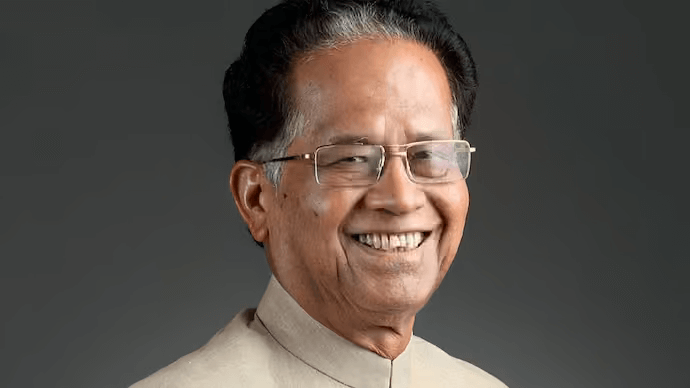
Congress’s return to power in Assam marked a significant turning point in the state’s political landscape. In 2001, Tarun Gogoi, a seasoned leader, unseated the dominant Asom Gana Parishad (AGP) amid rising discontent over corruption and insurgency issues. His time as Chief Minister extended to 15 impactful years, during which he endeavored to stabilize Assam politics and address the needs of its citizens. As the political tides shift once again, Gogoi’s son, Gaurav Gogoi, is set to challenge the ruling BJP in the upcoming 2026 Assam polls, continuing the family legacy in Assam elections history. The decline of the AGP, once a formidable force in Assam, underscores the fluctuating dynamics of regional politics and the changing voter sentiments in this vibrant state.
The political resurgence of the Congress party in the state of Assam has captured the attention of many observers, especially given the legacy of leaders like Tarun Gogoi. Following years of AGP’s dominance, the 2001 elections revealed a profound shift in voter attitudes that led to Congress regaining control after years of turmoil. With contemporary figures like Gaurav Gogoi taking the helm in upcoming electoral battles, including the highly anticipated 2026 elections, the narrative is now focused on the evolving fabric of Assam’s political scene. The AGP’s decline serves as a stark reminder of how rapidly political fortunes can change in this region, influenced by the pressing concerns over governance, cultural identity, and development.
The Political Landscape of Assam in 2001
In 2001, Assam’s political landscape was marred by instability and corruption, primarily due to the declining influence of the Asom Gana Parishad (AGP) that had previously dominated the state’s governance. The tail end of the AGP era was characterized by significant internal strife, corruption scandals, and an inability to address the pervasive issues such as the ULFA insurgency. This climate of dissatisfaction among voters created an opportunity for the Indian National Congress, led by Tarun Gogoi, to make a significant comeback, marking a historical shift in Assam politics.
Tarun Gogoi’s Congress party capitalized on the AGP’s vulnerabilities, positioning itself as a stable alternative for the voters. With an emphasis on development and peace, Gogoi’s campaign resonated well amidst the cries for effective governance and security from the violent unrest that had plagued the state. Thus, the 2001 elections became a pivotal moment, allowing Congress to reclaim power and set the stage for Gogoi’s long tenure as chief minister.
AGP’s Decline: Factors Behind Its Fall
The decline of the Asom Gana Parishad (AGP) can be attributed to multiple factors, notably its failure to combat the rampant corruption that plagued its governance. The letters-of-credit scam was one such instance that severely tarnished the party’s image, shaking the confidence of its constituents. Moreover, the AGP’s repeated failures to effectively manage the ULFA insurgency and resolve ethnic tensions contributed to a growing disenchantment among the electorate, paving the way for Tarun Gogoi and the Congress party.
As disenfranchisement set in, the once strong appeal of the AGP diminished significantly. Coupled with internal divisions and allegations of graft, the party struggled to maintain its support base. By the time Assam approached the 2001 elections, AGP’s foundation was shaky at best. The party, which once symbolized regional pride and identity through the Assam Movement, was now viewed as ineffective, leading to an overwhelming loss to the Congress party.
Gaurav Gogoi’s Challenge in the 2026 Elections
As Assam braces for the 2026 elections, Gaurav Gogoi, son of the former Chief Minister Tarun Gogoi, stands as a beacon of hope for the Congress party. With his family legacy in Assam politics, Gaurav is working diligently to reclaim the areas lost during the BJP’s decade-long governance. His understanding of local issues, combined with a fresh perspective on leadership, aims to revive the party’s fortunes amidst an ever-challenging political landscape dominated by the BJP.
However, the challenge remains daunting. Gaurav must navigate not only party dynamics but also the wider Assam political ecosystem, heavily influenced by the ruling BJP’s strategies and policies. His approach is anticipated to integrate appealing local governance models while addressing the pressing socio-economic issues facing the people of Assam, marking a significant attempt to reinstate Congress’s prominence in Assam politics.
Historical Context of Assam Elections
Understanding the history of Assam elections is crucial to grasping the current political dynamics. The elections in Assam have traditionally oscillated between regional and national parties, with the AGP and Congress alternating control based on shifting public sentiments. The historical roots of these elections trace back to the Assam Movement, which led to the formation of regional identity politics focusing on Assamese rights and citizenship concerns. Consequently, examining past election cycles reveals the impact of external influences, such as identity politics and ethnic tensions on voter behavior.
In particular, the manipulation of these issues has often resulted in significant electoral shifts, as seen during the AGP’s initial rise to power post-1985 and the later resurgence of Congress in 2001 under Tarun Gogoi. Moreover, examining these historical contexts provides insight into how Gaurav Gogoi’s campaign in the upcoming 2026 polls may attempt to reconnect with the electorate’s sentiments, drawing lessons from past electoral outcomes to craft a competitive strategy.
The Role of Corruption in Assam Politics
Corruption has been a recurring theme in Assam politics, contributing to the rise and fall of various political parties, particularly the AGP. The party’s heyday was marred by scandals that involved financial misconduct and mismanagement of public resources, leading to a significant loss of faith in its leadership. Such corruption acts ultimately became instrumental in the Congress party’s resurgence in 2001, as they positioned themselves as the party of integrity amidst public dissatisfaction with the AGP.
In contemporary politics, Gaurav Gogoi must address the shadow of corruption that haunts Assam’s political legacy. By advocating for transparency and accountability within governance, he aims to rebuild trust among voters disillusioned by previous administrations. In essence, tackling corruption could serve as a rallying cry for the Congress party, enabling it to reconnect with the electorate effectively.
Cultural Identity in Assam’s Political Discourse
Cultural identity has played a pivotal role in shaping the political discourse in Assam. The AGP, which rose from the passionate Assam Movement, represented a struggle for preserving Assamese language, culture, and identity amidst demographic changes. This focus on cultural pride won loyalty from the electorate initially, but as the party’s governance faltered, the sentiment started to wane. Under Tarun Gogoi, Congress attempted to unify the various cultural identities within Assam, promoting inclusivity over exclusivity.
Looking ahead to the 2026 elections, Gaurav Gogoi may leverage this concept of cultural identity to foster a broad-based appeal to Assamese voters. By acknowledging the diverse ethnic tapestry of Assam while advocating for a cohesive vision that respects and celebrates these identities, he aims to resonate with voters who feel neglected by the ruling party. This cultural emphasis will likely be a cornerstone of his campaign strategy.
The Impact of Insurgency on Assam’s Governance
The historical impact of insurgency in Assam cannot be understated. The rise of groups like ULFA created an environment of fear and instability, significantly affecting governance and public service delivery. The AGP, which began as a champion of regional rights, struggled to counter this violence, leading to public disillusionment. The ensuing chaos after the AGP lost control prompted a shift towards the Congress party in 2001, as voters called for stability and security.
As the state approaches the 2026 elections, the challenge of insurgency still looms large. Gaurav Gogoi is likely to face questions regarding the Congress party’s approach to ensuring peace and security in Assam. His strategy must emphasize conflict resolution, community engagement, and safety measures to resonate with voters weary of instability. Addressing these concerns head-on would not only validate his campaign narratives but could also play a crucial role in shaping the political future of Assam.
Anticipated Changes in Voting Patterns for 2026
As the 2026 elections draw closer, analysts are keenly observing expected changes in voting patterns across Assam. The previous elections have shown a pattern where voter sentiments can shift rapidly due to various socio-economic factors, including corruption, mismanagement, and cultural identity issues. Given the challenging political climate fostered by the BJP’s tenure, traditional voting blocs may realign, especially among youth voters seeking a fresh political narrative represented by Gaurav Gogoi.
The emergence of newer political parties and changing demographics, particularly among younger voters, are crucial elements that could drive these shifts. If Gaurav Gogoi effectively communicates a vision aligned with the aspirations of young Assamese, especially on issues like employment and cultural preservation, the Congress may witness a resurgence. Tracking these emerging voting trends will provide valuable insights into the effectiveness of campaign strategies leading to the 2026 elections.
Frequently Asked Questions
How did the Congress Party manage to return to power in Assam in 2001?
In 2001, the Congress Party returned to power in Assam by capitalizing on the weakened state of the Asom Gana Parishad (AGP). Under Tarun Gogoi’s leadership, Congress won 71 out of 126 seats, largely due to AGP’s internal challenges such as corruption allegations and a deteriorating public image.
What role did Tarun Gogoi play in Congress’s return to power in Assam?
Tarun Gogoi was instrumental in Congress’s return to power in Assam by appealing to the electorate’s desire for stability after years of AGP’s rule marked by unrest. His leadership allowed Congress to establish a strong governance record that lasted for 15 years.
What does Gaurav Gogoi’s candidacy mean for Congress in the 2026 Assam polls?
Gaurav Gogoi, Tarun Gogoi’s son, is seen as a significant figure for Congress in the 2026 Assam polls as he brings a fresh perspective and intends to challenge the BJP’s dominance in a state where his father had a monumental impact.
What challenges did AGP face leading up to Congress’s return to power in Assam?
AGP faced significant challenges leading up to Congress’s return to power in Assam, including corruption scandals, internal division, and public dissatisfaction related to its handling of the ULFA insurgency, which ultimately contributed to their electoral defeat in 2001.
How has Assam’s political landscape changed since Congress’s return to power?
Since Congress’s return to power in 2001, Assam’s political landscape has seen a series of shifts, including the emergence of the BJP and the decline of AGP. The state has experienced political volatility, with Congress’s stronghold being challenged, particularly in recent elections.
What historical significance does the Congress return to power in Assam hold?
The Congress return to power in Assam in 2001 is historically significant as it marked the end of AGP’s dominance, reflecting the electorate’s shift towards Congress amidst rising concerns over governance and instability in the political environment.
What strategies might Gaurav Gogoi employ in the upcoming 2026 Assam elections?
In the upcoming 2026 Assam elections, Gaurav Gogoi may focus on leveraging his father’s legacy while addressing contemporary issues such as economic development and social justice to appeal to a broader electorate that seeks change after a decade of BJP rule.
What impact did the Assam Movement have on AGP’s rise and Congress’s return to power?
The Assam Movement led to the formation of AGP, which initially gained support by addressing concerns over illegal migration and cultural identity. However, persistent governance issues and dissatisfaction with AGP paved the way for Congress’s successful return to power in 2001.
| Key Points |
|---|
| Tarun Gogoi’s tenure from 2001 to 2016 marked Congress’s return after AGP’s rule. |
| AGP’s rise stemmed from the Assam Movement advocating for Assamese identity protection. |
| Gaurav Gogoi, Tarun’s son, is contesting the 2026 elections against the BJP. |
| In 2001, Congress won 71 seats compared to AGP’s 20, leading to a major shift in power. |
Summary
The Congress return to power in Assam in 2001 was a significant political shift, paving the way for Tarun Gogoi’s leadership for 15 years. The end of AGP’s dominance highlighted widespread voter discontent fueled by corruption and insurgency issues, allowing Congress to secure a decisive victory with 71 seats. As Assam approaches the 2026 elections, the political legacy of the Gogoi family continues with Gaurav Gogoi emerging as a prominent candidate against the ruling BJP.