

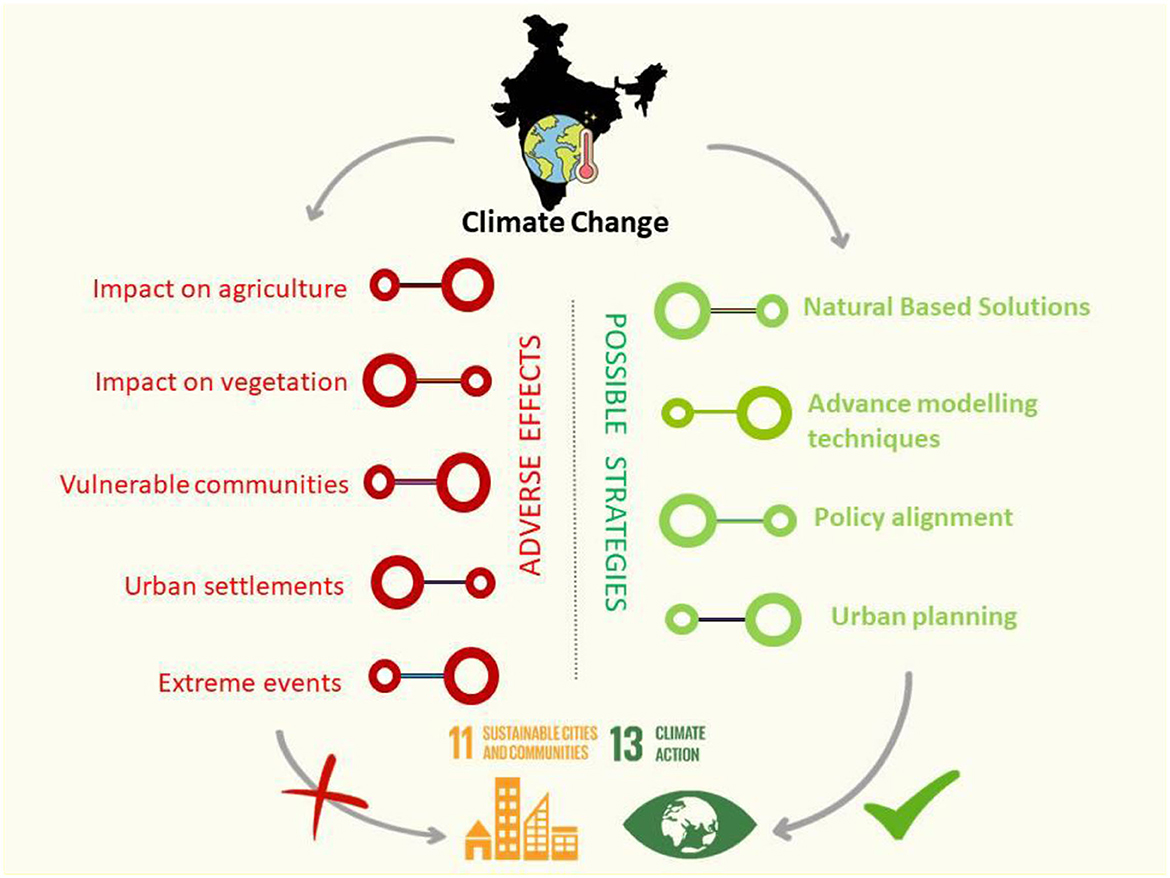
The recent decision by India to withdraw its offer to host the UN climate summit (COP33) in 2028 has sparked significant climate summit news and debate within environmental circles. This unexpected move raises questions about India’s climate change policy and its commitment to global climate action. As the world grapples with an escalating climate crisis, India’s participation in international discussions is more crucial than ever. The withdrawal could impact future negotiations, highlighting the delicate balance nations face between domestic commitments and global responsibilities. Observers are now keenly analyzing how this decision will affect India’s standing in the ongoing dialogue around climate change solutions.
In an unforeseen turn of events, the Indian government has opted out of hosting the upcoming UN climate conference scheduled for 2028, a pivotal moment for global climate discussions. This significant withdrawal from COP33 has ignited conversations surrounding the country’s environmental strategies and long-term vision for climate action. As nations convene to address pressing ecological challenges, this development will inevitably shape the landscape of international environmental diplomacy. Stakeholders are closely monitoring the implications this will have on India’s role in future climate negotiations and its commitment to sustainable development. The evolving narrative around India’s climate engagement is essential for understanding the broader context of international climate policies.
Impact of India’s Withdrawal from COP33 Hosting
India’s recent decision to withdraw its offer to host the UN climate summit (COP33) in 2028 marks a significant shift in its climate diplomacy strategy. The country’s leadership communicated that after a thorough review of its commitments for that year, it deemed it untenable to host such a large-scale international event. This withdrawal not only affects India’s role on the global climate stage but also raises questions about its ongoing commitment to climate action amid rising environmental challenges. As nations prepare for future negotiations, India’s absence from hosting could lead to a lack of focus on the pressing issues it has historically championed, such as sustainable development and renewable energy initiatives.
The implications of India’s decision stretch beyond its borders, potentially affecting the dynamics of future global climate action discussions. As the UN climate conference 2028 approaches, the need for developing countries, including India, to share their perspectives on climate change policy becomes even more vital. The withdrawal may provoke concerns among global stakeholders about India’s climate commitments and its willingness to engage in the necessary negotiations to combat climate change. Without India’s prominent presence at COP33, the discussions could lack key insights from one of the world’s largest emerging economies, which has significant vulnerabilities to climate impacts.
The Future of Global Climate Action Without India as Host
The withdrawal of India from hosting COP33 has sparked discussions around the future of global climate action and cooperation. Given India’s prominent role in the climate change narrative, its absence could create a ripple effect, influencing agreements and frameworks aimed at reducing carbon emissions and fostering sustainable practices globally. As countries gear up for the UN climate conference in 2028, stakeholders may need to reassess their approaches and adjust their strategies to fill the leadership void left by India. It raises an important question: how can the international community maintain momentum on global climate initiatives without one of its key players taking an active hosting role?
Moreover, India’s decision raises further inquiries into the comprehensive strategy behind its climate change policy moving forward. As the dialogue shifts towards the next climate summit, there is an implicit need for India to reaffirm its commitment to the global climate agenda. The international community will be closely monitoring how India manages its climate policies in the lead-up to COP33, especially in light of recent developments surrounding climate summit news. All eyes will be on whether India steps up its participation in other capacities or maintains its focus on national interests, potentially distancing itself from collaborative international efforts that are pivotal in addressing climate change.
Review of India’s Climate Change Policy
Over the years, India has crafted a complex climate change policy that seeks to balance economic growth with environmental sustainability. This policy framework is underscored by India’s commitments under the Paris Agreement and its pledge to increase renewable energy capacity significantly by 2030. However, the recent withdrawal from hosting COP33 indicates a potential re-evaluation of these strategies in light of new challenges, such as economic constraints and domestic priorities. As India reassesses its role in the climate change arena, there is a potential for its policies to shift towards more localized climate action efforts rather than global leadership.
Despite these challenges, it is critical for India to engage meaningfully in the broader climate dialogue and continue supporting initiatives that promote collective action on climate change. The country’s significant population and rapid industrialization put it in a unique position to influence global climate policy positively. By diligently revisiting its climate change policy and ensuring it aligns with sustainable practices and commitments, India can still be a pivotal player in shaping the discourse leading up to the UN climate conference 2028. Ultimately, it will be essential for India to showcase its efforts and ambitions on the global platform to retain its credibility in climate negotiations.
The Role of International Summit in Climate Challenges
International climate summits like the UN climate conference play a crucial role in addressing the multifaceted challenges posed by global warming. These forums facilitate dialogue among nations, fostering a collaborative atmosphere for sharing best practices and technologies aimed at mitigating climate impacts. India’s withdrawal from hosting COP33 raises significant questions about how such summits will continue to address urgent issues like carbon emissions reduction and climate resilience without its leadership and unique insights. The importance of these platforms in advancing global climate action cannot be overstated, and as controversies arise, nations must remain committed to the collaborative spirit that facilitates progress.
Concurrently, as the world grapples with unprecedented climate events—ranging from severe droughts to devastating floods—the urgency to convene and strategize becomes increasingly critical. The landscape of climate diplomacy is ever-evolving, and countries must navigate their commitments with an understanding of their domestic capabilities. India’s absence from hosting should serve as a prompt for other nations to step up and lead initiatives that keep discussions alive and relevant. This commitment to proactive engagement will be vital in ensuring ongoing progress towards meeting the global climate goals established in previous agreements.
Anticipating Climate Negotiations Ahead
As global warming continues to manifest through various environmental crises, the anticipation of future climate negotiations, particularly for UN climate conference 2028, grows. With India stepping back from hosting, it becomes pivotal to explore how nations will adapt their negotiation strategies in light of shifting dynamics. The real challenge will lie in maintaining the momentum established in previous conferences while ensuring that the voices of crucial stakeholders, including developing nations, are preserved and amplified. This requires an innovative approach to climate diplomacy that transcends national interests and focuses on collective action.
Looking ahead, the necessity for robust frameworks that account for differentiated responsibilities must be highlighted. Countries are urged to galvanize their commitments towards a low-carbon future, even if major players like India are no longer in hosting positions. The upcoming negotiations should emphasize inclusivity, particularly for those most affected by climate change, to ensure that solutions are equitable and just. As the road to COP33 unfolds, fostering collaboration among nations will be essential, and leveraging technology alongside sustainable practices will be crucial in redefining the global climate action narrative.
Challenges of Hosting Global Climate Conflicts
Hosting a global climate summit is no small feat—an endeavor that requires significant resources, infrastructure, and diplomatic finesse. India’s withdrawal from hosting COP33 is a reflection of the multitude of challenges that can arise, particularly for developing nations. The logistical concerns, financial implications, and political ramifications of organizing such a large event often become overwhelming. With rising pressures from both domestic priorities and international expectations, India’s decision echoes the sentiments of many nations grappling with the balance between hosting responsibilities and situational capabilities.
Furthermore, the pressure to deliver impactful results during such summits can lead to tensions among participating nations. The task of negotiating climate agreements can be complicated by diverse national interests, particularly when it comes to issues like financial aid, technology transfer, and equitable emission reductions. As India steps back, these complexities might necessitate a re-evaluation of how hosts for future summits are selected. The international community must ensure that hosting responsibilities do not outstrip the readiness of a nation to facilitate meaningful dialogue if impactful climate action is to be achieved.
The Importance of Leadership in Global Climate Summits
Leadership is a cornerstone of successful climate negotiations. The withdrawal of India as a potential host for COP33 draws attention to the critical role that leadership plays in shaping the success of global climate action. Without robust leadership at these summits, the chances for reaching consensus on vital issues diminishes. India’s history of advocating for equitable climate solutions and its position as a leading voice among developing countries underscore the importance of having nations that fully understand the implications of climate change policy represent their interests during such gatherings. Its past hosting and organizing experiences have provided the necessary platform for dialogue and action.
Going forward, it will be necessary for other countries to rise to the occasion and embrace the mantle of leadership that India has, albeit temporarily, vacated. Global climate issues require comprehensive engagement and clarity of purpose from all parties involved—an understanding that transcends individual nation-states and harnesses collective action toward a shared goal. As nations prepare for the upcoming negotiations, the potential shifts in leadership dynamics could either bolster or hinder the momentum made in the past, emphasizing the importance of maintaining strong and proactive engagement on climate issues.
The Future of India’s Climate Diplomacy
Reflecting on India’s recent withdrawal from hosting COP33 provides insights into the future of its climate diplomacy. The country’s leadership has historically positioned itself as a champion of climate justice, advocating for the rights of developing nations and promoting sustainable development. However, the decision to step back suggests a pivot that may be aligned with domestic challenges and priorities. It raises questions regarding how India will position its climate diplomacy moving forward, especially during international negotiations and climate summits where its influence has been traditionally robust.
In navigating this landscape, India has an opportunity to recalibrate its strategies to align them with both national objectives and international expectations. By focusing on strengthening its domestic climate policies, India can fortify its credibility on the global stage. Furthermore, engaging in multilateral partnerships and leveraging technology in climate initiatives could play a vital role in reinvigorating its commitment to global climate action. Thus, the future of India’s climate diplomacy will hinge on finding a sustainable balance that addresses pressing environmental needs while responding effectively to its own economic and developmental aspirations.
Frequently Asked Questions
What led to India’s withdrawal from hosting the UN climate summit (COP33) in 2028?
India’s decision to withdraw its offer to host the UN climate summit (COP33) in 2028 stems from a comprehensive review of its commitments for that year. The country has indicated that it is unable to fulfill the requirements necessary to host such a significant event, which is crucial for advancing global climate action and addressing climate change policies.
| Key Points | Details |
|---|---|
| Withdrawal of Offer | India has officially withdrawn its offer to host COP33 in 2028. |
| Reason for Withdrawal | The decision was made after a review of India’s commitments for the year 2028, suggesting challenges in fulfilling the obligations that come with hosting the summit. |
| Author’s Background | Vishwa Mohan is a Senior Editor at The Times of India, specializing in environmental issues and climate change reporting, among other topics. |
Summary
The India UN climate summit has faced a significant change as India has decided to withdraw its offer to host the COP33 in 2028. This crucial decision stems from a thorough review of the nation’s commitments for that year, indicating that India feels unable to manage the responsibilities of organizing such a high-profile event at this time. The withdrawal highlights the complexities of climate diplomacy, particularly as nations navigate their domestic obligations while addressing global climate change issues. Vishwa Mohan, an experienced journalist with a focus on environmental matters, emphasizes the importance of understanding these dynamics as they evolve in the lead-up to future international climate negotiations.



























