

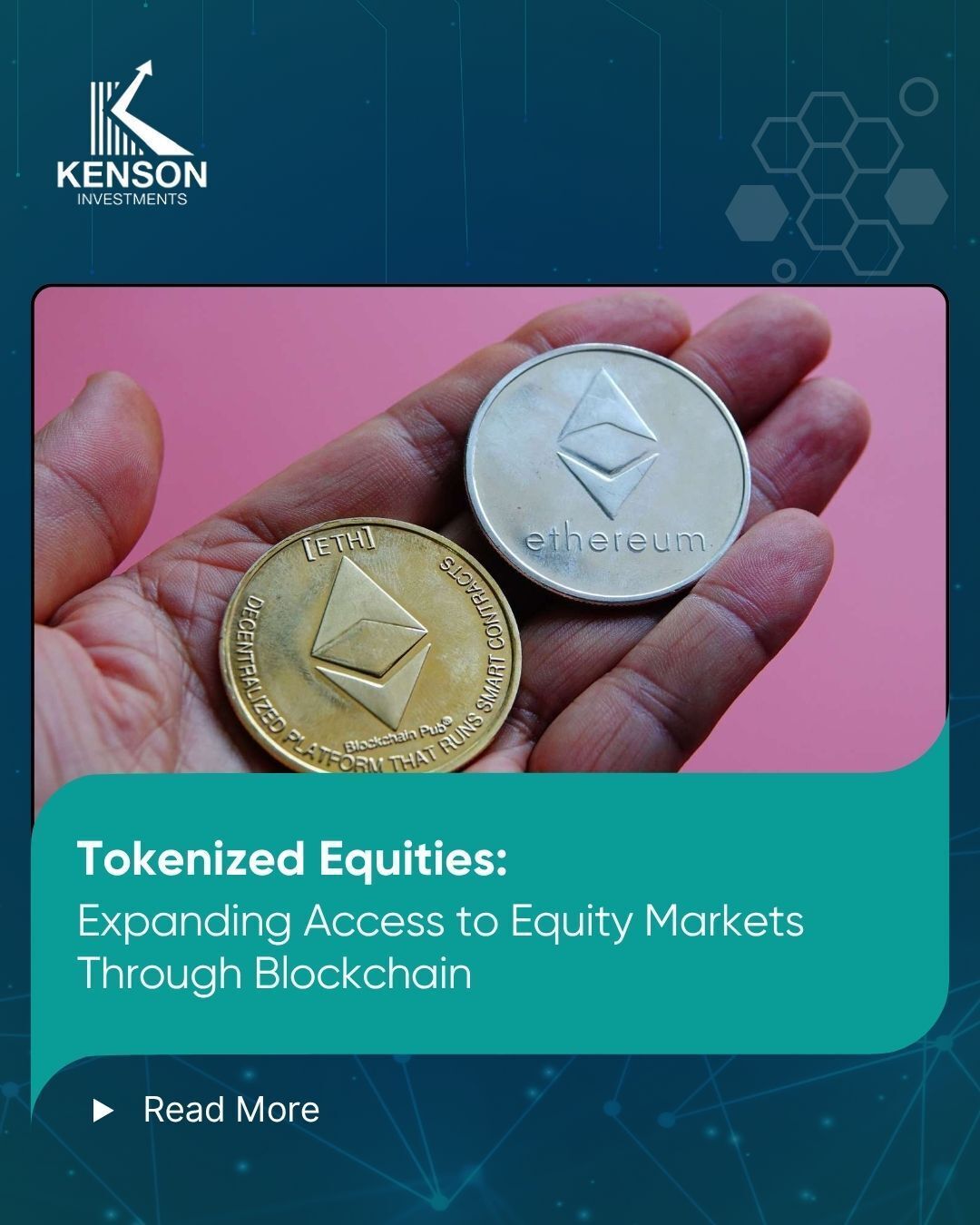
Tokenized equities are emerging as a revolutionary force within the financial markets, driven by innovations such as the upcoming NYSE alternative trading platform. This new platform will harness SEC tokenization regulations to allow for seamless trading of major equities and ETFs, transforming how investors interact with assets. In this innovative environment, retail trading participation is expected to surge, particularly with the system operating 24/7 and offering instant settlements. As the landscape evolves, market players will benefit from reduced liquidity fragmentation while ensuring fungibility between tokenized and traditional shares. In essence, tokenized equities represent a pivotal shift toward more accessible and efficient equity trading.
Digital shares, or tokenized assets, are quickly reshaping the traditional equity landscape, enhanced by the recent advancements in trading platforms like the NYSE’s alternative venue. These digital representations of stocks signal a promising shift supported by regulatory movements from the SEC, inviting a broader spectrum of investors. This evolution facilitates round-the-clock trading opportunities and immediate settlement processes, making it particularly attractive to retail traders. As the integration of these technologies unfolds, the goal is to create a harmonized and inclusive environment, ensuring that all investors, regardless of their background, can participate effectively in modern equity markets. Overall, the transition to tokenized finance is not merely technical; it’s a significant leap toward democratizing investment and trading.
Understanding Tokenized Equities and Their Significance
Tokenized equities represent a significant evolution in the trading landscape, integrating blockchain technology with traditional equities. Unlike conventional shares, tokenized equities are digitized representations that allow for easier trading, fractional ownership, and enhanced liquidity. As the NYSE embarks on establishing a tokenized equity Alternative Trading System (ATS), it’s essential to grasp how this innovation aligns with the overarching goals of increasing market efficiency and broadening access to retail investors.
The SEC’s no-action relief further empowers the tokenization process by allowing the Depository Trust & Clearing Corporation (DTCC) to facilitate the tokenization of major equities and exchange-traded funds (ETFs). This groundbreaking move not only transforms how stocks are traded but also underscores a shift towards a more inclusive financial ecosystem where retail participation can thrive. Through tokenization, the NYSE aims to create a market environment that is both versatile and accommodating.
Innovations in Equity Trading: 24/7 Trading Systems
Equity trading has traditionally been constrained by set trading hours, but the introduction of a 24/7 trading system by the NYSE is a game changer. This model not only caters to the evolving needs of equity traders but also reflects a broader trend towards continuous market engagement. With the ability to trade around the clock, investors can respond to market changes in real-time, fostering a more dynamic trading environment. This innovation also eliminates the historical downtime that made it challenging for retail traders to participate meaningfully.
Moreover, the 24/7 trading system promises instant settlement from day one, a novel feature that mitigates various market risks associated with lengthy clearing processes. By leveraging existing matching-engine technology, exchanges can maintain price consistency and enhance transaction speed. Even though this model still raises questions about the long-term stability of such arrangements, the potential for increased trading activity and involvement from retail participants is tremendous.
Retail Trading Participation: Key to Success in Tokenized Markets
As the NYSE prepares to launch its tokenized equity ATS, retail trading participation is expected to play a critical role in its initial success. With the ability to engage in trading around the clock, retail investors have a unique opportunity to enter the market at times that suit their schedules, enhancing overall market liquidity. This shift also aligns with current trends showing that retail traders already make up approximately 20% of total U.S. equity volume—a figure that could significantly increase with the rise of tokenized trading.
The incorporation of Request-for-Quote (RFQ) mechanisms is designed to attract retail traders, who will seek to interact with institutional responses as liquidity providers. By adopting a taker-maker fee schedule similar to Payment For Order Flow (PFOF), the NYSE aims to create an appealing marketplace for retail investors, encouraging them to participate actively from the outset. As retail engagement rises, institutional traders may also be compelled to adapt their strategies to accommodate evolving market dynamics.
The Role of the SEC in Tokenization of Equities
The Securities and Exchange Commission (SEC) plays a pivotal role in the tokenization of equities, providing the regulatory framework that allows platforms like the NYSE to innovate while safeguarding investors’ interests. The SEC’s no-action relief to the DTCC for tokenizing major equities and ETFs marks a significant regulatory milestone that reflects a growing acceptance of digital assets within established financial markets. This regulatory support serves to legitimize tokenization, paving the way for wider adoption across different asset classes.
However, it’s important to understand the challenges that accompany this regulatory shift. Compliance with SEC guidelines is essential to ensure market integrity and protect investors from potential risks associated with digital securities. The ongoing dialogue between regulatory bodies and market participants will shape the future landscape of tokenized equities and the broader trading systems that rely on them, making it crucial for stakeholders to remain engaged and informed.
Fungibility in Tokenized Equities: Preserving Market Integrity
Fungibility is a critical concept in the tokenized equities arena, especially as the NYSE aims to maintain consistent trading behavior between traditional shares and their tokenized counterparts. By ensuring that tokenized and non-tokenized shares remain interchangeable, the NYSE effectively prevents liquidity fragmentation—a risk that could arise if multiple versions of the same security were to coexist within the market. This approach helps to promote a more cohesive trading environment while fostering trust among investors.
As market structures evolve towards tokenization, the preservation of fungibility will be vital for maintaining a stable and efficient marketplace. A tokenized ecosystem that is splintered into numerous variants can lead to confusion among investors and exacerbate issues related to liquidity. By retaining fungibility, the NYSE not only safeguards market integrity but also enhances overall investor confidence, paving the way for a more robust trading environment.
Prospective Challenges in Tokenized Equity Trading
While the NYSE’s foray into tokenized equity trading presents numerous opportunities, it is essential to acknowledge the potential challenges that may arise. One of the primary concerns is the risk associated with liquidity, particularly in the initial phases of operation. The market expects that early trading activity will predominantly come from retail participants, which may result in limited liquidity until broader institutional involvement is realized. Understanding how to effectively manage and stimulate this liquidity will be critical for the success of the tokenized ATS.
Additionally, as more exchanges begin to explore the concept of tokenization, regulatory compliance will become increasingly complex. The NYSE will need to navigate a myriad of regulatory hurdles not only at a national level but also internationally, as the tokenization of equities becomes more prevalent. Establishing a framework that allows for both innovation and compliance will require collaboration between market participants, regulators, and technology providers.
Institutional Participation in Tokenized Markets
Institutional participation is a significant aspect of the success of any trading platform, and the NYSE’s tokenized equities ATS is no exception. While initial trading activity may lean heavily towards retail participation, the involvement of institutional investors is crucial to achieving a balanced and sustainable trading environment. As liquidity begins to stabilize and data from early trades is analyzed, institutional traders will likely adjust their strategies, recognizing the value of engaging with a tokenized market.
Moreover, the ability to offer alternative forms of financing for instant settlement trades may attract institutional engagement as well. By fostering an arena where institutions can connect with retail investors through RFQs and other mechanisms, the NYSE can create a collaborative trading ecosystem that maximizes opportunities for all participants. Ultimately, the move towards tokenization not only facilitates a new trading paradigm but also encourages a closer relationship between retail and institutional traders.
The Future of Trading: Embracing Tokenized Equities
As the landscape of equity trading continues to evolve, the concept of tokenized equities heralds a new era of financial interaction. With the NYSE’s upcoming ATS reflecting these changes, the industry stands on the brink of a transformation driven by technology and regulatory innovation. Tokenization simplifies trading processes, enhances access for various market participants, and fosters a more inclusive trading environment, thereby reshaping conventional equity trading.
Furthermore, as the market for tokenized equities expands, we can anticipate further innovations that revolve around enhancing liquidity, improving settlement processes, and broadening investor access. The gradual acceptance of tokenized equities across different financial markets signifies a shift in how traditional notions of trading may be perceived, indicating a potential rise in digital asset popularity and the evolution of investment strategies. With the groundwork being laid by entities like the NYSE, the future of equity trading appears bright.
Technological Integration in Tokenized Trading Platforms
Technological advancements are fundamental to the shift towards tokenized trading platforms. The NYSE’s integration of on-chain reporting and existing matching engine technology embodies a significant leap forward in how transactions are processed within the financial markets. By adopting blockchain technology, they ensure transparency, enhance security, and streamline operations, setting a precedent for how high-tech solutions can be effectively incorporated into legacy financial systems.
This technological integration offers several advantages, such as instantaneous confirmations of trade settlements, which directly align with the demands of modern investors who expect efficiency. Additionally, it opens up avenues for further innovations in market operations, allowing for greater customization of services and tailored trading experiences. As more stakeholders recognize the benefits accompanying advanced technology, we may witness a rapid acceleration in widespread adoption of tokenized trading frameworks across various exchanges.
Frequently Asked Questions
What are tokenized equities and how do they relate to NYSE’s alternative trading platform?
Tokenized equities are digital representations of traditional shares on a blockchain, enabling fractional ownership and enhanced trading options. The NYSE’s alternative trading platform (ATS) aims to facilitate tokenized equity trading by leveraging SEC regulations, allowing for seamless integration between traditional and tokenized shares.
How does SEC tokenization impact equity trading innovations at the NYSE?
SEC tokenization allows for the official digitization of major equities and ETFs, spurring innovations in equity trading at the NYSE. This framework promotes a more efficient 24/7 trading system where transactions can settle instantly, improving liquidity and market participation.
What features will the NYSE tokenized equities ATS offer for retail trading participation?
The NYSE tokenized equities ATS will prioritize retail trading participation by introducing features like request-for-quote (RFQ) functionality, allowing retail traders to engage actively in a new market structure that operates 24/7 with instant settlement.
Will there be fragmentation in liquidity between tokenized and traditional equities on the NYSE platform?
The NYSE intends to preserve fungibility between tokenized and traditional shares to minimize liquidity fragmentation. This strategy ensures that investors can trade seamlessly without the risks of having multiple token versions of the same security.
How does the NYSE’s 24/7 trading system differ from traditional equity trading hours?
The NYSE’s 24/7 trading system enables continuous trading beyond traditional market hours, including weekends and holidays. This contrasts with traditional equity markets, which typically have fixed trading hours, thus providing investors with greater flexibility and opportunities.
What role will retail traders play in the early adoption of NYSE’s tokenized equities?
Retail traders are expected to dominate early participation in NYSE’s tokenized equities ATS. Their involvement will help build initial liquidity and provide valuable data and insights as the platform evolves, potentially driving future institutional engagement.
What implications does the NYSE’s tokenized equities initiative have for the future of equity trading?
The NYSE’s tokenized equities initiative could revolutionize equity trading by providing a real-time, efficient trading environment that enhances liquidity, supports broader market participation, and integrates traditional and tokenized shares seamlessly.
How does the trading venue ensure compliance while allowing tokenized equity trading?
The NYSE’s tokenized equities ATS operates in compliance with the National Best Bid and Offer (NBBO) framework during market hours, ensuring that trades adhere to regulatory standards while utilizing advanced technology for execution and reporting.
What benefits do instant settlements offer to retail trading participants in the NYSE’s platform?
Instant settlements offer significant benefits to retail trading participants by reducing clearinghouse margin requirements and enabling quicker access to funds, thereby enhancing overall trading efficiency and convenience.
What is the future outlook for institutional participation in NYSE’s tokenized equities market?
As retail trading increasingly engages with NYSE’s tokenized equities platform, institutional participation is likely to rise in response to growing liquidity and data insights, making this market structure more attractive and competitive overall.
| Key Point | Details |
|---|---|
| Tokenized Equity ATS Launch | NYC launches a tokenized equity ATS as early as Q2 2026, enabled by SEC relief for DTCC to tokenize major equities and ETFs. |
| 24/7 Trading & Instant Settlement | The platform supports 24/7 trading and instant settlement from day one, using NYSE’s existing matching engine and on-chain reporting. |
| Fungibility Preservation | Preserves fungibility between tokenized and traditional shares to prevent liquidity fragmentation. |
| Market Operation | Operates parallel to existing markets, compliant with NBBO but not protected during trading hours. |
| Initial Trading Dynamics | Retail participants are expected to dominate early trading with limited liquidity supported by RFQs. |
| Strategic Early Adoption | Early participation is crucial for building data, expertise, and optionality ahead of broader adoption. |
Summary
Tokenized Equities represent a transformative shift in trading, with NYSE’s launch of a tokenized equity ATS expected to revolutionize the trading landscape. With features such as 24/7 trading, instant settlement, and preservation of fungibility with traditional shares, this platform aims to integrate tokenized equities into mainstream finance. Notably, retail traders are anticipated to lead initial engagement, paving the way for institutional participation as the market develops.



























