

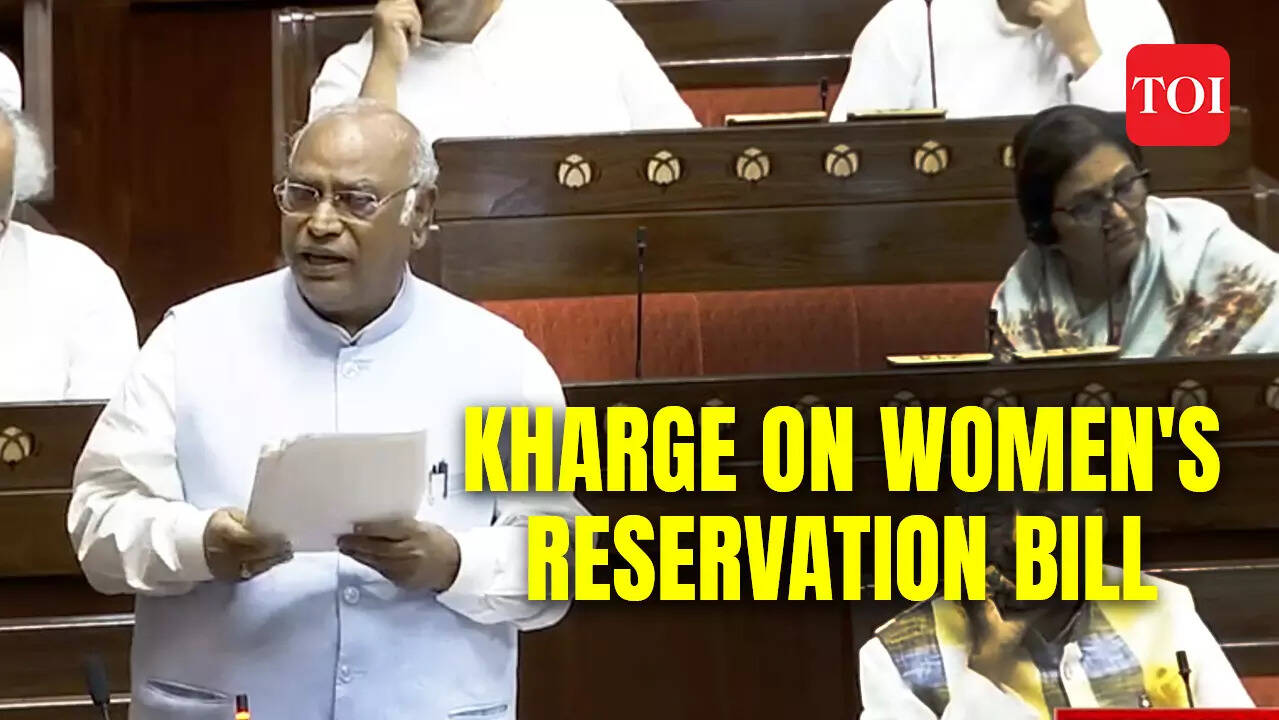
In a recent CWC meet, Mallikarjun Kharge voiced strong concerns regarding the Modi government’s proposed amendments to the women’s reservation law, emphasizing that their women’s quota initiative could potentially breach the Model Code of Conduct. He highlighted the implications this move might have on the upcoming elections, stating it could lead to “grave consequences” for the democratic process. The discussion surrounding women’s representation in politics is crucial, and Kharge’s assertions bring to light the potential for opposition unity in addressing these critical issues. As the situation unfolds, the focus remains on how these changes will affect the balance of power within parliamentary seats. With women’s rights and empowerment at the forefront, this debate will undoubtedly shape the future of legislative inclusion and political fairness in India.
The topic at hand pertains to the recent discussions led by prominent opposition leader Mallikarjun Kharge concerning proposed legislative changes that could influence women’s representation in governance. As the Narendra Modi-led administration strives to modify existing laws to boost women’s participation in parliamentary seats, concerns arise regarding adherence to the Model Code of Conduct. Kharge has signaled the possibility of united opposition efforts to challenge these initiatives, focusing on the implications such legislative adjustments may have on the electoral landscape. The debates surrounding women’s quotas are not merely issues of representation; they are vital components that shape the democratic fabric of the nation. As these discussions gain momentum, the call for a balanced approach to women’s enfranchisement becomes increasingly important for ensuring a representative political landscape.
Mallikarjun Kharge’s Stand on Women’s Reservation
Mallikarjun Kharge, during the recent Congress Working Committee (CWC) meeting, raised critical concerns regarding the Modi government’s proposed amendments to the women’s reservation law. He highlighted that these changes, aimed at increasing parliamentary seats for women, could potentially violate the Model Code of Conduct, which is designed to ensure fair elections. Such a situation, as Kharge warned, could lead to serious legal and political ramifications, compounding the already polarized political atmosphere.
The significance of women’s representation in politics cannot be overstated, and Kharge’s stance reflects a deeper commitment to ensuring that gender parity is achieved without compromising the integrity of electoral processes. His assertion that the opposition parties will stand together against any moves that contravene electoral norms signifies a unified front that could have substantial implications for the upcoming elections and how the women’s quota is implemented.
The Implications of Women’s Quota on Electoral Politics
The discourse surrounding women’s reservation is crucial in understanding the evolving dynamics of Indian electoral politics. With the Modi government’s proposal stirring debates, the need for a balanced approach to women’s representation becomes evident. The concept of a women’s quota aims to empower women, ensuring that their voices are heard in legislative assemblies. However, if this initiative is executed unilaterally and without adherence to established electoral guidelines, it undermines the very democratic principles it seeks to promote.
Moreover, Kharge’s warning about grave consequences emphasizes the potential backlash from the electorate, particularly among women voters who may perceive these actions as superficial political maneuvering. The call for cohesive opposition unity against such controversial government proposals reinforces the notion that a collaborative effort is essential to safeguard democratic practices, ensuring that initiatives like women’s reservation are both effective and ethically sound.
Challenges Ahead for the Opposition Post CWC Meeting
Following the CWC meeting, the challenges facing the opposition become even more pronounced as they prepare to counter the ruling government’s assertions regarding women’s reservation. With the Model Code of Conduct in place, the opposition needs to strategically navigate their criticism while maintaining a focus on advocating for women’s rights and representation. This balancing act is crucial as they strive to present a unified narrative while also addressing various party interests.
Kharge’s remarks not only point out the potential violations by the Modi government but also serve as a rallying cry for opposition unity. Building a cohesive front among diverse political entities can pose its own challenges; however, it is essential for presenting a viable alternative to the electorate. The implications of this unity will be significant as they prepare for the electoral battle ahead, especially in garnering support from women voters who are increasingly becoming a pivotal voting bloc.
Modi Government’s Approach to Women’s Representation
The Modi government’s stance on women’s reservation has been met with mixed reactions across the political spectrum. While the initiative aims to enhance women’s political participation, critics argue that any proposed changes during an election period, particularly without substantial dialogue with opposition parties, could violate the Model Code of Conduct. This perception of rushed or politically motivated legislation raises questions about the genuine commitment to women’s empowerment.
Moreover, this approach could lead to the perception that the government is attempting to leverage women’s issues for electoral gain, rather than making sincere efforts to improve gender representation in governance. As the political landscape evolves, it becomes imperative for the Modi government to communicate its vision clearly and ensure that any initiatives relating to women’s quota are not only well-planned but also legally sound and ethically justified.
Strategies for Ensuring Effective Women’s Quota Implementation
To ensure the effective implementation of the women’s quota, it is imperative to adopt multi-faceted strategies that encompass both legal frameworks and grassroots advocacy. This involves creating robust policies that not only meet numerical targets but also pave the way for genuine empowerment of women in politics. Effective implementation requires collaboration among political parties, civil society organizations, and women’s groups to ensure that processes are transparent, fair, and inclusive.
Furthermore, educational campaigns aimed at informing voters, especially women, about their rights and the significance of their participation in politics are essential. By raising awareness and encouraging women to engage with the political process actively, the initiative can promote a more representative political landscape. The involvement of the opposition in these discussions is crucial as it helps mitigate concerns regarding the legality and ethical implications of the proposed changes, reinforcing a commitment to democratic values.
The Role of Media in Advocating for Women’s Rights
The media plays a pivotal role in shaping public discourse around women’s rights and reservation policies. By adequately covering issues related to the women’s quota and highlighting the varying viewpoints—including those from opposition leaders like Mallikarjun Kharge—media outlets can inform and engage the electorate. This not only enhances public understanding but also fosters a culture of accountability among policymakers.
Investigative journalism and critical analysis can help uncover the implications of governmental changes to women’s reservation laws, sparking necessary dialogues among stakeholders. Furthermore, the media’s ability to showcase success stories of women in politics can inspire others and promote broader participation in the political arena, highlighting how effective representation leads to transformative societal change.
Women Voters: A Powerful Political Force
Women voters represent a significant and powerful demographic in elections, capable of swaying outcomes when mobilized effectively. With increasing awareness and advocacy surrounding women’s rights, the potential of this voting bloc is undeniable. Initiatives aimed at enhancing women’s representation not only empower individual women but also encourage collective action that can shape policy and governance in favor of broader societal needs.
Recognizing the importance of addressing women’s issues, political parties must strive to build platforms that resonate with women voters. This includes advocate policies that consider the socio-economic challenges they face and ensure that the women’s reservation initiative is communicated transparently and authentically. By doing so, parties can foster trust and tap into the growing engagement of women in the political process.
The Importance of Opposition Unity in Legislative Affairs
Opposition unity is crucial in legislative affairs, particularly regarding significant changes like the women’s reservation bill. When various parties come together to form a consolidated front, they can effectively challenge government proposals that may undermine democratic processes or exploit political divisions. In the context of Kharge’s warnings about the women’s quota, a unified opposition can illuminate the potential ramifications of such actions and advocate for a more equitable approach to women’s representation.
The strength of a united opposition lies not only in its vocal dissent but also in its ability to propose constructive alternatives and engage the public on these issues. This collaborative model can prove instrumental in reshaping narratives around women’s rights, ensuring that any legislative changes are rooted in genuine commitment rather than political expediency. With elections looming, the opposition must harness this unity to reinvigorate discussions around women’s empowerment in politics.
Future Directions for Women’s Empowerment in Politics
Looking ahead, the future of women’s empowerment in politics hinges on a variety of factors, including legislative reforms, societal attitudes, and political will. Strong advocacy for the women’s reservation policy must focus not just on quantity but also on the quality of representation. Engaging women leaders at all levels and empowering them through training and mentorship programs can enhance their capabilities and increase effective participation in governance.
Additionally, continuous monitoring and evaluation of the impacts of women’s quota legislation will be crucial in identifying challenges and learning from successes. By implementing inclusive policies that reflect the needs of women in diverse communities, the political landscape can evolve into one that is more representative and equitable. Thus, the collaboration of all stakeholders—government, opposition, and civil society—will be essential in achieving these long-term goals.
Frequently Asked Questions
What did Mallikarjun Kharge say about women’s reservation and the Model Code of Conduct?
Mallikarjun Kharge expressed serious concerns regarding the Modi government’s proposal to amend the women’s reservation law, stating it could breach the Model Code of Conduct, potentially leading to grave consequences for election integrity. He emphasized the importance of opposition unity in response to this move, especially when discussing women’s quota in parliament.
| Key Point | Details |
|---|---|
| Mallikarjun Kharge’s Statement | Kharge expressed concerns over the government’s proposal to amend women’s reservation laws. |
| Violation of Election Code | He argued that the proposed move could violate the Model Code of Conduct during elections. |
| Consequences of the Move | Kharge warned that there could be serious implications if this amendment is implemented. |
| Opposition Unity | He stated that the opposition parties will unite against this proposal. |
| Recent Controversies | Kharge also made headlines for clarifying controversial comments related to Gujarat that the BJP demanded an apology for. |
Summary
Mallikarjun Kharge’s women’s reservation commentary highlighted the critical intersection of legislative amendments and ethical electoral practices. His assertion that the government’s proposed women quota move might violate the Model Code of Conduct raises significant concerns about potential ramifications on the integrity of elections. By asserting that this matter could have “grave consequences,” Kharge emphasizes the need for vigilance and unity among opposition parties to safeguard democratic processes. The call for opposition unity reflects a larger narrative of accountability and resistance against policies perceived to undermine democratic norms. As discussions unfold around women’s representation in governance, it becomes essential to navigate these changes with a commitment to fairness and legality to ensure women’s voices are genuinely amplified in political spaces.



























