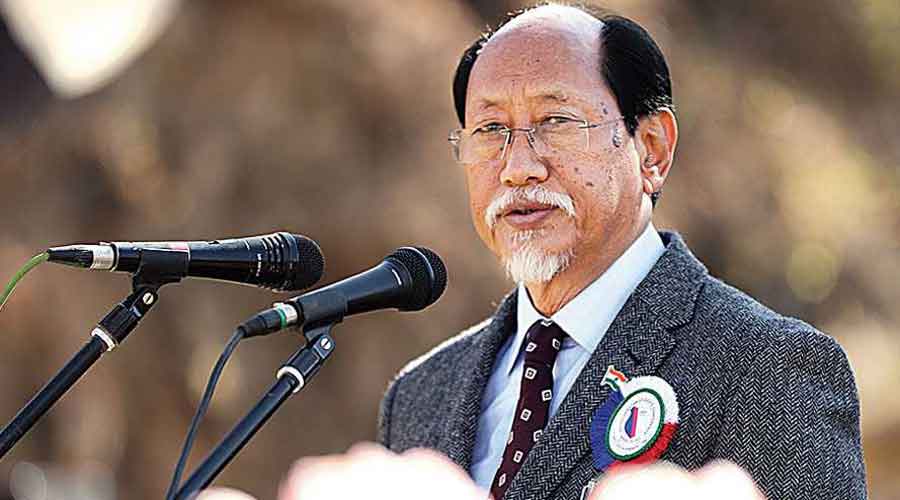
The governance landscape in Nagaland is evolving under the leadership of Chief Minister Neiphiu Rio, who emphasizes a shift towards development-oriented governance. At a recent District Commissioners conference held at the Civil Secretariat, Rio urged local administrators to harmonize their traditional roles with modern governance challenges. With the upcoming Census 2027 Nagaland on the horizon, he highlighted the importance of maintaining law and order while also managing revenue effectively. Moreover, the integration of technology-driven governance is crucial, as it complements initiatives like the Nagaland Skill and Entrepreneurship Development Mission and the Chief Minister’s Micro Finance Initiative aimed at boosting employment opportunities. As Rio noted, the accuracy of the Census is pivotal for informed governance, reinforcing the necessity for meticulous oversight, particularly regarding Indigenous Inhabitant Certificates.
Nagaland’s administrative framework is experiencing significant transformation, led by Chief Minister Neiphiu Rio who calls for a governance model that prioritizes development. During discussions at the Deputy Commissioners (DCs) Conference, he highlighted the need for local officials to adapt to a multifaceted role that increasingly incorporates technological advancements and strategy. Anticipating the Census 2027, Rio underscored the critical nature of accurate data collection to support governance functions. The focus on technology-enhanced management is further illustrated through initiatives designed to foster job creation and improve living standards for residents. As these changes unfold, the emphasis on solidifying law and order and financial scrutiny remains paramount in ensuring effective governance in Nagaland.
Evolving Governance in Nagaland
The governance landscape in Nagaland is evolving, reflecting the dynamic needs of its people and the challenges posed by modernization. Chief Minister Neiphiu Rio emphasized the importance of evolving beyond traditional roles during the recent District Commissioners (DCs) Conference. Administrators are encouraged to embrace a development-oriented governance model that not only addresses existing issues but also anticipates future challenges. This shift requires a commitment to integrating innovative practices that enhance service delivery and accountability, aligning with both local traditions and contemporary governance standards.
As the state prepares for the Census 2027, the need for accurate data collection and analysis is paramount. Census data is a critical foundation that informs policy-making and resource allocation in Nagaland. With the implementation of technology-driven governance initiatives, the state aims to improve accuracy and efficiency in data gathering, which will directly influence development strategies. The Chief Minister’s call for rigorous adherence to census protocols demonstrates a proactive approach to governance, prioritizing effective administration that relies on data-driven insights.
Technology-Driven Governance Initiatives
Technology is at the forefront of Nagaland’s governance reforms, as expressed by Chief Minister Neiphiu Rio during the recent meetings with district administrators. The introduction of technology-driven governance initiatives is set to transform the way administrative services are delivered to the public. The focus is not only on digitization but also on creating an interconnected framework that enhances accessibility and transparency. Practices such as online service delivery and data sharing among departments are essential components of this modern governance approach, fostering an environment of trust and collaboration between government and citizens.
Furthermore, initiatives like the Nagaland Skill and Entrepreneurship Development Mission and the Chief Minister’s Micro Finance Initiative highlight the government’s commitment to leverage technology for economic empowerment. By prioritizing skills development and financial inclusion, the administration aims to create sustainable job opportunities in the state. This forward-thinking approach aligns with Rio’s vision of a balanced governance model that acknowledges traditional responsibilities while embracing necessary innovations for growth and development.
The Role of District Commissioners in Development
District Commissioners play a pivotal role in the governance of Nagaland, serving as liaisons between the state government and the local populace. During the DCs Conference, Chief Minister Neiphiu Rio reinforced the need for these administrators to adapt to their evolving responsibilities, which now encompass broader developmental roles. This involves not only maintaining law and order but also implementing Centrally Sponsored Schemes designed to improve infrastructure and community services. The effectiveness of these schemes depends largely on the proactive engagement of district administrators in local governance.
Moreover, the emphasis on financial management, particularly concerning Indigenous Inhabitant Certificates, underscores the importance of accountability in governance. District Commissioners are tasked with ensuring that financial resources are allocated judiciously and that all administrative processes are transparent and equitable. Thus, their role is crucial not only in executing government policies but also in fostering an environment that supports sustainable economic and social development across Nagaland.
Preparation for Census 2027 in Nagaland
Census 2027 is a significant milestone for Nagaland, providing an essential foundation for future governance and socio-economic planning. Chief Minister Neiphiu Rio’s remarks at the District Commissioners Conference highlight the urgency of preparing for this extensive data collection exercise. It is more than just a count; it serves as a vital tool that informs policies, guides resource distribution, and shapes developmental strategies within the state. The Chief Minister’s insistence on adopting a methodical approach to the census preparation reflects an understanding of its long-term implications for governance.
Accurate data collection and proper management are critical as they will influence various sectors, including healthcare, education, and infrastructure development in Nagaland. District Commissioners are encouraged to ensure that every citizen is accurately represented in the Census, which will influence funding allocations and development priorities in the years to come. A thorough and accurate census process is paramount; thus, Rio’s call for meticulousness and adherence to protocols must resonate with all levels of governance to achieve the desired outcomes.
Chief Minister Rio’s Vision for Nagaland
Chief Minister Neiphiu Rio has articulated a compelling vision for Nagaland’s governance, which aligns traditional practices with modern administrative demands. His emphasis on balancing customary responsibilities with a development-focused strategy suggests a nuanced understanding of the state’s unique cultural context. By advocating for a shift towards technology-driven governance, the Chief Minister is positioning Nagaland to meet the challenges of the 21st century head-on. Under his leadership, there is a clear intent to leverage modern techniques while respecting and preserving the rich traditions that define the state.
Rio’s proactive stance on initiatives like the Nagaland Skill and Entrepreneurship Development Mission and financial inclusivity projects are evidence of his commitment to creating a more prosperous society. By fostering opportunities that align with the aspirations of the youth and local entrepreneurs, he is shaping a governance model that prioritizes the well-being and economic vitality of Nagaland’s communities. This vision is crucial for ensuring that as the state progresses, it does so with inclusivity and sustainability at its core.
Challenges in Governance and Administration
Despite the positive strides in governance, Nagaland faces several challenges that require careful navigation. Chief Minister Neiphiu Rio has articulated concerns regarding financial oversight and the integrity of Indigenous Inhabitant Certificates, indicating a need for more rigorous administrative scrutiny. These issues highlight the difficulties of maintaining transparency and accountability in governance, particularly in regions with complex socio-political dynamics. Addressing these challenges is essential for the successful implementation of development-oriented initiatives.
Furthermore, the upcoming Census 2027 poses its own set of challenges, particularly in ensuring accurate and comprehensive data collection across diverse communities in Nagaland. Effective communication and community engagement strategies will be crucial for overcoming potential barriers to participation. The government must work closely with district administrators to ensure that every citizen is encouraged and able to participate fully in the census, thus guaranteeing that the data collected can be relied upon for future planning and development.
The Importance of Law and Order in Development
Law and order serve as the bedrock of effective governance and sustainable development in Nagaland. Chief Minister Neiphiu Rio highlighted during the DCs Conference that district administrators have a crucial role in maintaining peace and security. A stable environment not only fosters confidence among investors but also supports the local population in engaging fully with government initiatives aimed at improving their livelihoods. Ensuring a strong rule of law is essential for the successful roll-out of development programs to take root and flourish.
Moreover, the interaction between governance and law enforcement must be seamless to ensure that local communities feel secure and supported. This encompasses not just the enforcement of laws but also proactive engagement with community leaders to address grievances and improve social cohesion. By fostering collaboration between government and civil society, Nagaland can create a more resilient framework for governance that supports long-term development goals and enhances community well-being.
Nagaland’s Development-Oriented Governance Approach
Nagaland’s approach to governance is increasingly oriented towards development, with a clear focus on enhancing the quality of life for its citizens. Under the leadership of Chief Minister Neiphiu Rio, there has been a decisive move towards implementing policies that prioritize economic growth through initiatives like the Chief Minister’s Micro Finance Initiative. This program aims to facilitate access to financial resources for small entrepreneurs, thereby stimulating local economies and fostering job creation. Such development-oriented governance is pivotal in ensuring that the benefits of economic progress reach all segments of the population.
Additionally, the prioritization of skill development through programs such as the Nagaland Skill and Entrepreneurship Development Mission reflects a forward-looking governance strategy. By equipping the youth with the necessary skills and resources, the government is not only addressing unemployment but also fostering a culture of entrepreneurship and innovation. This proactive stance in governance positions Nagaland to effectively harness its demographic potential, transforming challenges into opportunities for sustainable growth.
Engaging Communities Through Governance
Community engagement is a cornerstone of effective governance in Nagaland, as articulated by Chief Minister Neiphiu Rio. During the DCs Conference, he emphasized the importance of district administrators connecting with local communities to understand their needs and aspirations better. A governance model that actively involves citizens can lead to more tailored and effective policy-making that resonates with the lived realities of the people. By fostering engagement at the grassroots level, the state can ensure that its initiatives are met with public support and participation.
Emphasizing transparency and community participation will not only strengthen trust in governance but also enhance accountability. Programs that encourage citizen feedback and involvement in decision-making processes can create a more dynamic and responsive governance framework. Nagaland’s path to development hinges on the ability to engage its communities actively, ensuring that all voices are heard, and that growth is inclusive and equitable.
Frequently Asked Questions
What is the role of the Chief Minister of Nagaland in governance?
The Chief Minister of Nagaland, currently Neiphiu Rio, plays a pivotal role in governance by urging district administrators to adopt a development-oriented governance framework. This includes balancing traditional responsibilities with modern demands, maintaining law and order, and optimizing revenue administration.
How is the Census 2027 impacting governance in Nagaland?
The Census 2027 is crucial for governance in Nagaland as it serves as a foundational tool for planning and development. Chief Minister Neiphiu Rio has highlighted the importance of accurate census data to inform governance strategies and ensure effective implementation of various initiatives.
What initiatives promote technology-driven governance in Nagaland?
In Nagaland, the government is advancing technology-driven governance through initiatives like the Nagaland Skill and Entrepreneurship Development Mission and the Chief Minister’s Micro Finance Initiative. These programs aim to improve livelihoods by integrating technology into various government schemes.
What is the significance of the District Commissioners conference in Nagaland’s governance?
The District Commissioners conference is an important event in Nagaland’s governance structure as it brings together local administrators to discuss key issues, including the implementation of development-oriented governance strategies and preparations for the Census 2027.
How is Nagaland ensuring development-oriented governance?
Nagaland is ensuring development-oriented governance by emphasizing the need for district administrators to adapt their roles, focusing on both traditional responsibilities and modern governance aspects, such as the implementation of Centrally Sponsored Schemes and thorough financial management.
What are the challenges faced by the Chief Minister of Nagaland regarding governance?
The Chief Minister of Nagaland, Neiphiu Rio, has raised concerns about financial matters, the need for thorough scrutiny of Indigenous Inhabitant Certificates, and the importance of maintaining accurate data for governance, especially in reference to the upcoming Census 2027.
| Key Points |
|---|
| Nagaland Chief Minister Neiphiu Rio’s call for district administrators to balance traditional and developmental roles. |
| Importance of maintaining law and order and managing revenue administration. |
| Preparation for the upcoming digital Census 2027 as a key governance tool. |
| Adaptation to an expanded role includes implementing Centrally Sponsored Schemes. |
| Advancing technology-driven governance to improve efficiency. |
| Key initiatives include Nagaland Skill and Entrepreneurship Development Mission. |
| Chief Minister’s Micro Finance Initiative aimed at job linkage and livelihood improvement. |
| Concerns raised about financial matters and scrutiny of Indigenous Inhabitant Certificates. |
| Emphasis on strict adherence to accuracy for the Census. |
Summary
Nagaland governance has recently undergone significant emphasis on balancing traditional roles with modern developmental responsibilities. Chief Minister Neiphiu Rio articulated the need for district administrators to adapt to a governance landscape shaped by technology and targeted initiatives. As Nagaland prepares for the digital Census 2027, prioritizing accuracy and efficient revenue management has never been more crucial. The focus on programs like the Nagaland Skill and Entrepreneurship Development Mission and efforts to improve financial scrutiny signify a robust transformation in governance aimed at fostering sustainable livelihoods and enhancing overall administrative effectiveness.