

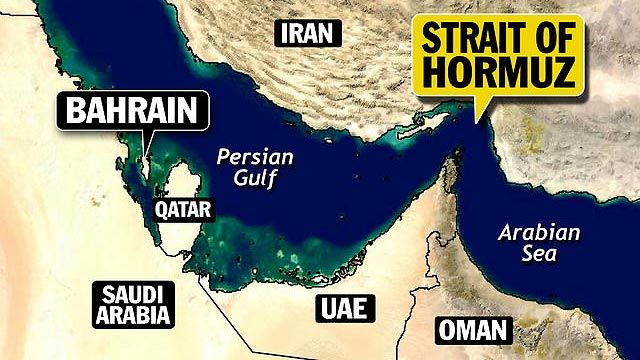
Recent updates on the Hormuz blockade news reveal significant escalations in the Middle East as the US Central Command prepares to enforce a blockade of Iranian ports. This development follows the collapse of diplomatic negotiations and comes amid fears of a wider Hormuz Strait crisis. Experts are warning that this blockade could drastically impact global fuel prices, potentially causing them to spike as the region’s stability is threatened. The Iranian government has vocally opposed this action, warning that such measures will have severe repercussions on international oil supply chains. As tensions rise, the situations in Noida—with ongoing protests—and the unfolding Arvind Kejriwal case add layers of complexity to the international landscape.
In light of the escalating geopolitical tensions, the enforcement of restrictions in the Hormuz Strait marks a critical point in international relations. This impending blockade on Iranian shipping routes is projected to have widespread implications, particularly affecting global oil supply dynamics. Observers are closely monitoring how these developments could trigger a chain reaction, impacting economies reliant on fuel imports. Meanwhile, unrest in Noida signifies domestic protests linked to economic grievances, creating a multifaceted scenario that policymakers must navigate. The intertwining crises serve as a timely reminder of how regional conflicts can reverberate across global markets.
Impending Hormuz Blockade News: Global Oil Market Reactions
The recent announcement by US CENTCOM regarding the imminent blockade of Iranian ports in the Hormuz Strait has sent shockwaves through the global oil market. This blockade, set to begin on Monday, follows a failure in negotiations aimed at resolving escalating tensions between the US and Iran. Analysts predict that this maneuver could result in volatility in oil prices, as the Strait of Hormuz serves as a crucial passage for nearly 20% of the world’s oil trade. The ramifications of such an action could be monumental, not only disrupting trade but also causing prices to surge as fears of supply shortages mount.
As countries and investors prepare for the fallout from the Hormuz blockade news, many are contemplating the broader impacts that an extended crisis in the region might have. With some experts already warning of a sharp increase in fuel prices, the situation could catalyze inflationary pressures globally, pushing up costs for consumers and industries alike. Additionally, the geopolitical implications could spark further tensions, impacting relationships among nations dependent on oil imports, thus raising alarms across the globe.
In light of the Hormuz blockade news, stakeholders within the oil markets are closely monitoring the situation. Iran’s stern warnings about possible repercussions highlight the delicate balance of power in the region, as Iranian officials emphasize that even minor disruptions could lead to a disproportionate increase in global fuel prices. This sentiment echoes throughout international energy forums, with major producers and consumers strategizing how to mitigate the impact of potential supply chain interruptions.
Furthermore, the threat of higher global fuel prices brings forth discussions about energy policies in various countries. Nations reliant on imported oil are recalibrating their strategic reserves and boosting energy diversification efforts. The implications of the Hormuz crisis extend beyond oil; they include economic stability, international relations, and security concerns. As tensions simmer, the world watches intently, knowing full well that the slightest increase in oil prices could affect everyday life.
Noida Protests Update: Government Response to Unrest
In the wake of escalating protests in Noida demanding wage increases, the Uttar Pradesh government has taken decisive action by establishing a probe panel. The protests, which have turned violent, are reportedly fueled by what officials describe as ‘vested interests’ manipulating the narrative among workers. The government aims to address these concerns by investigating the root causes of the unrest, hoping to restore normalcy in the region and address the grievances of the protesters effectively. Public sentiment has been divided, with some supporting the workers’ demands while others criticize the disruption caused by the protests.
As the situation unfolds, the Noida protests are a significant reminder of the delicate balance between labor rights and economic conditions. Rising wage demands amid inflation highlight the broader socio-economic issues that governments must navigate. Other cities may also witness similar demonstrations if wage support does not keep pace with living costs. Effective communication and transparent investigations into the Noida situation are vital to re-establishing trust between the state government and its citizens.
Moreover, the response from the government in forming a probe panel has drawn mixed reactions, with advocates for labor rights expressing hope for a genuine examination of the issues at stake. However, critics warn that labeling the protests as instruments of ‘vested interests’ could undermine legitimate worker grievances. There are fears that in an effort to quell unrest, the authorities might suppress dissent rather than engage in constructive dialogue with the workers. The unfolding events in Noida could serve as a bellwether for labor movements across India and prompt governments to approach wage policies and labor laws with renewed urgency.
Reports from local law enforcement indicate that the protests have led to significant disruptions in transport and business, reflecting the passion of those involved. As discussions around worker compensations and rights escalate, the spotlight remains on how effectively the Uttar Pradesh government will navigate this crisis and whether it will yield a peaceful resolution that could serve as a model for similar conflicts in other regions.
Impact of Hormuz Strait Crisis on Global Fuel Economy
The ongoing Hormuz Strait crisis is poised to have far-reaching implications for the global fuel economy. As tensions between the US and Iran escalate with the announcement regarding the blockade of Iranian ports, market analysts are bracing for disruptions that will likely ripple across oil prices. Iran’s warnings about the economic fallout remind the world of the sensitivity of oil markets to geopolitical conflicts. With the Strait of Hormuz being a vital passageway for oil shipments, any interruptions can lead to immediate price spikes, affecting everything from transportation costs to consumer prices.
Experts are concerned that the potential blockade could exacerbate existing inflationary pressures that many economies are grappling with. The significant uptick in fuel prices could mean higher operating costs for businesses, leading them to pass those expenses onto consumers. Moreover, countries heavily dependent on oil imports may need to re-evaluate their energy strategies to account for potential shortages or increased costs. International energy organizations are closely monitoring the developments in the Hormuz Strait, as the economic landscape could shift dramatically depending on how the situation evolves.
Furthermore, the impact of the Hormuz Strait crisis extends beyond immediate economic concerns. It raises critical discussions about energy security and diversification. Nations affected by fluctuations in fuel prices are now contemplating strategies to bolster their energy independence to mitigate risks associated with geopolitical uncertainties. Countries with access to alternative energy sources are likely to invest more heavily in renewables as a buffer against such crises. The unfolding situation serves as a pivotal reminder of the global interconnections within energy markets and the often-unforeseen consequences of localized conflicts.
As the world keeps a watchful eye on the Hormuz crisis, the potential for increased oil prices could lead to a cascading effect across various sectors, igniting debates about energy policies and the importance of stability in the Middle East. Policymakers worldwide are advised to remain proactive and consider innovative solutions that ensure sustainable energy practices, thereby aiming to secure their economies against future disruptions caused by geopolitical tensions.
Kejriwal’s Case: Judicial Unrest amidst Political Drama
In a significant political development, Chief Minister Arvind Kejriwal has sought the recusal of a judge overseeing his excise case, arguing potential bias that jeopardizes the fairness of the trial. This move underscores the complexities surrounding judicial independence in politically sensitive cases. Kejriwal, who is facing serious allegations related to the Delhi excise policy, argues that a transparent legal process is paramount for restoring public trust in governance and justice. His request emphasizes the critical principle of impartiality that should govern judicial proceedings, especially in cases involving high-profile figures.
The implications of Kejriwal’s case extend beyond the courtroom and reflect broader tensions within Indian politics. As the Delhi government faces challenges on multiple fronts, including the recent Noida protests linked to wage disparities, the call for a fair trial could resonate with citizens who are beginning to question the motives behind legal actions against political leaders. This scenario highlights the intersection of law, politics, and public perception, contributing to an atmosphere of unrest that may affect future political dynamics.
As the situation evolves, the case serves as a crucial point of analysis for legal experts and political analysts alike. The outcome may set precedents regarding allegations of bias within the judiciary that could influence future cases involving other political figures. Additionally, public responses to Kejriwal’s actions will likely shape the narrative surrounding his leadership as the Delhi government navigates the discontent stemming from recent protests and economic grievances.
Ultimately, the unfolding events around Kejriwal’s legal battle highlight the need for robust frameworks ensuring judicial accountability and separation from political influences. The spotlight remains not only on the outcomes of this specific case but also on the broader implications for governance and public trust in the legal system.
Frequently Asked Questions
What are the implications of the Hormuz blockade news for global fuel prices?
The recent Hormuz blockade news indicates that US CENTCOM is set to initiate a blockade on Iranian ports, which could lead to significant disruptions in oil supply. Iran has issued warnings that such blockades may result in a sharp increase in global fuel prices, revealing the delicate balance of energy markets. Experts suggest that even minor disturbances in the Hormuz Strait, a vital gateway for oil shipments, can trigger disproportionate effects on fuel costs worldwide.
| Headline | Details |
|---|---|
| US CENTCOM Hormuz Blockade | A blockade targeting Iranian ports will begin on Monday, following unsuccessful negotiations. |
| Noida Protests | The Uttar Pradesh government has formed a probe panel to investigate violent protests in Noida over wage demands. |
| Iran’s Warning | Iran cautions that the blockade could significantly increase global fuel prices. |
| Kejriwal’s Legal Moves | Arvind Kejriwal is seeking a judge’s recusal in his excise case due to perceived bias. |
| Asha Bhosle’s Cremation | The singer was cremated with state honors, highlighting her lasting impact on music. |
Summary
Hormuz blockade news has become a critical topic as US warships are set to initiate a blockade on Iranian ports starting Monday. This move follows failed negotiations and is anticipated to provoke significant economic consequences, particularly with Iran warning that such action could lead to a drastic surge in global fuel prices. The geopolitical dynamics surrounding the Hormuz Strait are increasingly tense, reflecting the complex interplay between military strategy and international trade, with potential ramifications affecting not just the involved nations, but the global economy at large.



























