The recent Ithaca archaeological discovery has captivated historians and enthusiasts alike, sparking renewed interest in the legendary narratives of ancient Greece. Unearthed from the Greek island long associated with Odysseus, this remarkable excavation reveals what may be an ancient sanctuary dedicated to the famed hero of Homer’s Odyssey. With an inscribed artifact linking the site to Odysseus and a plethora of ritual offerings, this find opens a compelling dialogue between myth and reality in the modern context. Such an archaeological breakthrough not only enhances our understanding of ancient Greece discoveries but also enhances appreciation for the complex cultural legacy left behind by remarkable figures like Odysseus. As the upcoming adaptation of The Odyssey by Christopher Nolan garners excitement, this discovery’s significance is set to resonate with both scholars and the general public.
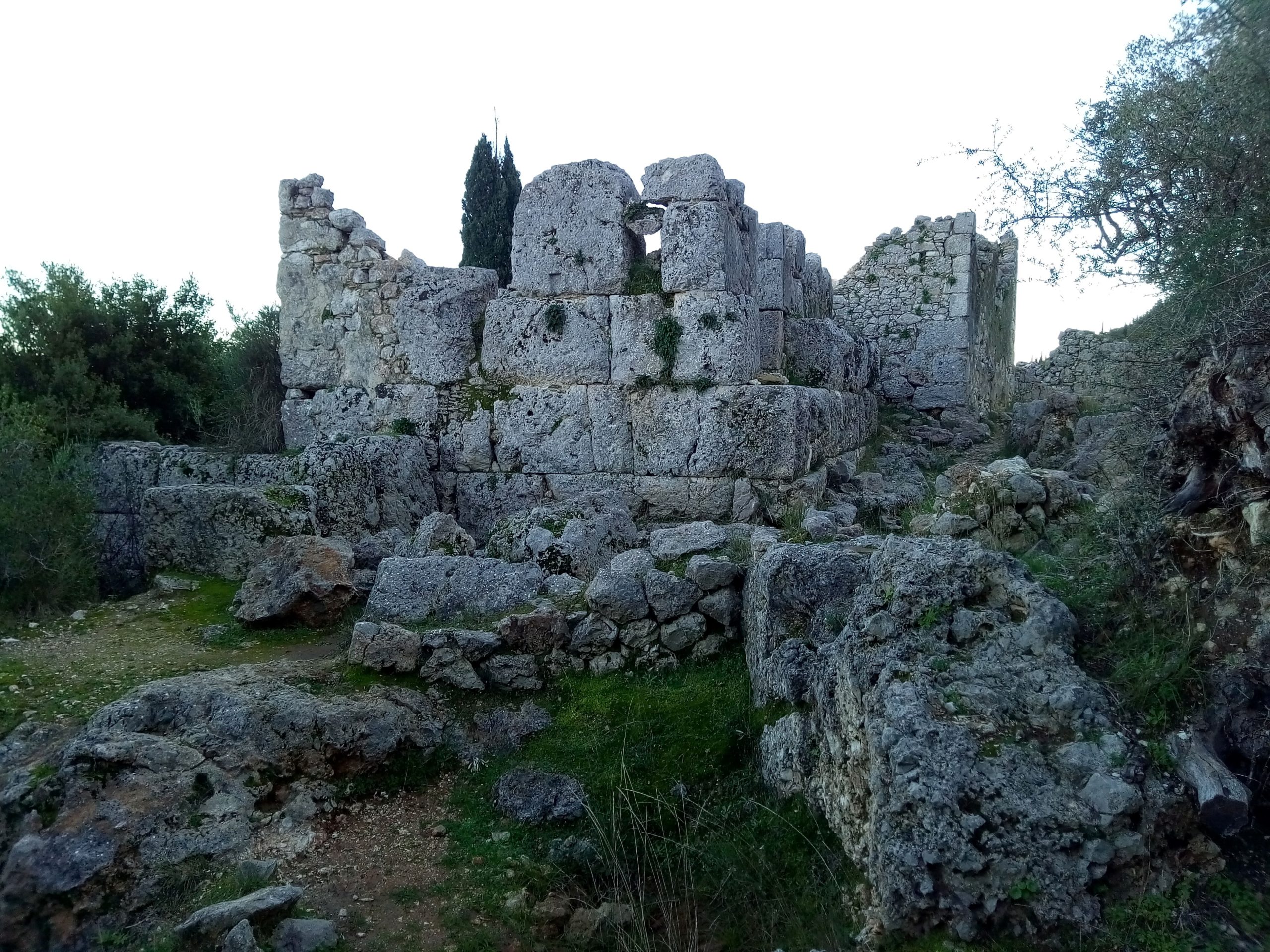
This extraordinary find on Ithaca is reshaping perceptions of ancient Greek heritage and its intertwining legends. The excavation site, often referred to as the ‘School of Homer,’ highlights the significance of the historical backdrop in which stories of heroic adventures were born. Researchers believe they have uncovered elements of what could be an ancient homage to a central figure in Greek mythology, prompting discussions on the intersection of history and legend. As the world anticipates new interpretations of these timeless tales, the links drawn from this site underline the importance of archaeological efforts in uncovering the truths beneath centuries of storytelling. This intriguing exploration ultimately sheds light on the vibrant tapestry of Greece’s past, where the divine and the mortal continually converge.
Ithaca Archaeological Discovery: Unveiling the Sanctuary of Odysseus
The recent archaeological discovery on the island of Ithaca has rekindled interest in the tales of Odysseus and his legendary adventures. Excavations at what is referred to as the ‘School of Homer’ have unveiled a site believed to be a sanctuary dedicated to the infamous king. Artifacts recovered from the site, including an inscribed tile fragment with Odysseus’s name, provide critical insight into the rituals and worship practices centered around this iconic figure from ancient Greece. This discovery offers a tangible connection to ‘Homer’s Odyssey,’ bridging the gap between myth and reality, and prompting new discussions about the historical validity of these epic narratives.
The sanctuary is not just significant for its connection to myth; it reveals how the ancient Greeks revered their heroes. The presence of ritual offerings and ceramics indicates that Odysseus was not merely a fictional character but a focal point of cultural and spiritual expression. Such findings contribute to a broader understanding of ancient Greek civilization and the importance of mythological figures in their societal structure. As excitement grows over these ancient Greece discoveries, the implications of this archaeological breakthrough continue to resonate, shaping our modern interpretations of ancient literature.
The echoes of Homer’s tales resonate through the centuries, and this sanctuary discovery provides a rare glimpse into the possible realities that may have inspired these epic narratives. Scholars are now faced with the task of interpreting how mythology and history might intertwine in the context of Odysseus’s legacy. This convergence of archaeological evidence with literary texts invites deeper analysis of the poetic depictions of Odysseus in ‘The Odyssey.’ Could it be that the cunning strategies attributed to him were based on real events and individuals from the world of ancient Greece? As researchers delve deeper into this site, each artifact and inscription serves as a potential piece in the puzzle of understanding ancient belief systems and the veneration of cultural heroes.
Frequently Asked Questions
What is the significance of the Ithaca archaeological discovery related to Odysseus’s sanctuary?
The Ithaca archaeological discovery, particularly at the site known as the ‘School of Homer,’ reveals a sanctuary potentially dedicated to Odysseus, the illustrious hero from Homer’s Odyssey. This archaeological breakthrough sheds light on ancient Greece discoveries related to organized worship, suggesting that the myth of Odysseus may be rooted in reality. Artifacts such as an inscribed roof tile with Odysseus’s name and various ritual offerings have been uncovered, reinforcing connections between myth and historical memory.
| Key Points | Details |
|---|---|
| Discovery on Ithaca | Excavations at the ‘School of Homer’ site. |
| Link to Odysseus | Archaeological findings suggest a sanctuary dedicated to Odysseus. |
| Inscribed Artifact | An artifact bearing a version of Odysseus’s name was found. |
| Significance of the Find | Considered one of the most significant archaeological breakthroughs in recent years. |
| Cultural Context | Findings include ritual offerings and ceramics indicating organized worship. |
| Media Interest | Interest in The Odyssey is surging, with a new film adaptation coming in 2026. |
Summary
The Ithaca archaeological discovery is capturing the imagination of historians and enthusiasts alike as it offers a tangible connection to the legendary figure of Odysseus. This remarkable find, unearthed at the ‘School of Homer’, symbolizes a blending of historical reality and myth, sparking revived discussions about the origins of ancient tales. Among the artifacts is a stamped tile that bears part of Odysseus’s name, along with other ritualistic items suggesting worship practices. As the world eagerly anticipates further revelations and adaptations of The Odyssey in contemporary media, this archaeological site stands as a testament to the powerful legacy of storytelling that transcends millennia.