

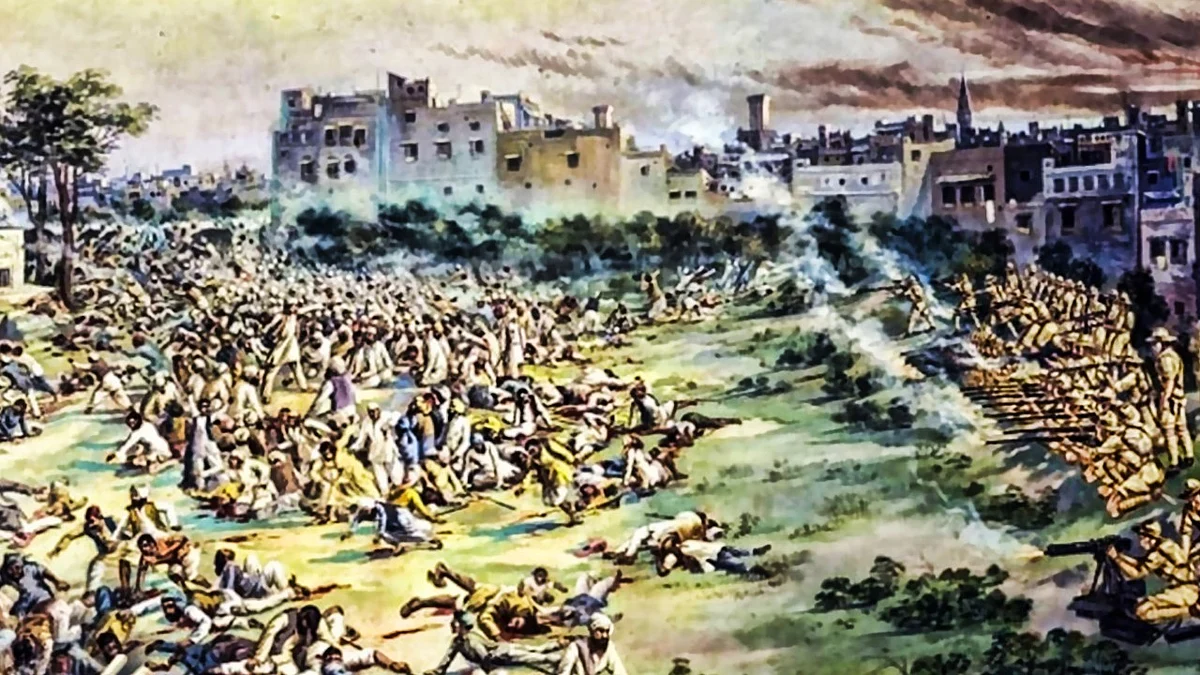
The Jallianwala Bagh massacre, a tragic event in 1919, remains a pivotal moment in India’s history, marking a turning point in the nation’s struggle for freedom. On April 13, thousands gathered at this public garden in Amritsar to protest against repressive colonial policies, unaware that the day would turn into one of horrific violence. British troops, under General Dyer’s orders, opened fire on the crowd, leading to a significant loss of life and igniting a collective outrage across the country. This Amritsar tragedy not only highlighted the brutality of British rule but also galvanized India’s fight for justice, bringing forth demands for independence like never before. Commemorating the Jallianwala Bagh anniversary serves as a reminder of the sacrifices made in pursuit of freedom, echoing through generations as a scar that has yet to fully heal.
The Amritsar massacre of 1919 stands as a haunting chapter in the narrative of colonial oppression in India. During a peaceful assembly, innocent civilians found themselves caught in a crossfire, ultimately transforming the once-innocent gathering at Jallianwala Bagh into a scene of devastating violence. This event not only showcased the extent of colonial brutality but also played a critical role in awakening the spirit of resistance among Indians. The massacre’s echo resonates with the ongoing quest for acknowledgment and reconciliation, illustrating how historical injustices continue to shape modern societal landscapes. As the legacy of this dark day is reflected upon, it remains imperative to understand its impact on the collective memory and the ongoing dialogues surrounding justice and human rights.
Understanding the Jallianwala Bagh Massacre
The Jallianwala Bagh massacre, occurring on April 13, 1919, is etched in the annals of Indian history as a brutal display of colonial power. During this tragic event, British troops, under the command of General Dyer, opened fire on a large gathering of Indians in Amritsar who were protesting against repressive laws. The sheer horror and violence unleashed that day marked a turning point in India’s struggle for independence, igniting a wave of anger and calls for justice that echoed across the nation. The massacre serves as a grim reminder of the political oppression faced by Indians under British rule, and its repercussions are still felt in contemporary society as discussions about legacy and accountability continue to unfold.
The aftermath of the Jallianwala Bagh massacre not only highlighted the severity of colonial repression but also reshaped the public consciousness. Families were left shattered in the wake of the tragedy as they mourned the loss of their loved ones. The images of blood-stained ground and the cries of the injured created a narrative that galvanized the masses against the oppressors. In the years that followed, this incident catalyzed movements across India, spurring leaders like Mahatma Gandhi to intensify the call for self-rule. Thus, the Jallianwala Bagh massacre remains a pivotal moment in the history of India’s fight for justice, embodying the struggle against tyranny.
Impact of the Jallianwala Bagh Massacre on India’s Freedom Struggle
The impact of the Jallianwala Bagh massacre extended far beyond its immediate aftermath; it fundamentally altered the course of India’s fight for freedom. In the wake of this atrocity, there was a palpable shift in the Indian population’s attitude toward the British Raj. The shared experience of horror united disparate communities and led to a stronger collective identity among Indians. Nationalist sentiments began to flourish as the event galvanized the public into action against colonial rule, setting the stage for later movements in the 1920s and beyond. The massacre symbolized the brutal realities of colonial oppression and awakened the Indian conscience, rallying people to demand their rights and sovereignty.
Moreover, the Jallianwala Bagh anniversary is commemorated not merely as a historical date but as a testament to the resilience of the human spirit against tyranny. Each year, the events of that fateful day are remembered in solemn remembrance, reminding us of the lives lost and the families affected by such injustice. This enduring legacy prompts discussions surrounding the moral and ethical responsibilities of nations in acknowledging previously untold stories of atrocities committed in their pursuit of power. The narrative persists in contemporary discourse, encouraging a reflection on the importance of justice and reconciliation in shaping a more equitable future.
The Legacy of Jallianwala Bagh in Modern India
The legacy of the Jallianwala Bagh massacre is deeply entrenched in modern India’s socio-political landscape. Its remembrance serves as a powerful reminder of the struggle against oppression and the ongoing pursuit of justice. As India reflects on this dark chapter, it not only honors the victims but also reinforces the idea that the fight for rights continues in various forms today. Educational institutions, museums, and memorials dedicated to the event play a crucial role in ensuring that future generations understand the implications of such violence, promoting a culture of peace and tolerance in a diverse nation.
Moreover, the narrative of the Jallianwala Bagh massacre intersects with contemporary movements for social justice, reflecting a broader struggle against systemic inequalities. The echo of April 13, 1919, resonates in current issues where communities advocate for their rights, reminiscent of the intense struggles faced over a century ago. This perseverance is evident in ongoing dialogues about colonial legacies in Indian society and the global context. As discussions around human rights and historical accountability continue to unfold, the lessons of Jallianwala Bagh remain relevant, pressing us to engage actively in shaping a more just society.
The Human Stories Behind Jallianwala Bagh
The human stories behind the Jallianwala Bagh massacre provide a poignant insight into the personal tragedies that unfolded on that fateful day. Families gathered in hope, their aspirations quickly turned into despair as they faced an unimaginable catastrophe. The confusion and panic of those present are captured in personal testimonies that recount tales of bravery and loss. The bonds of community and resilience often shine through as survivors and descendants share narratives that honor their loved ones, turning individual pain into a collective memory that fuels the spirit of resistance and activism.
Furthermore, these firsthand accounts serve as critical reminders that history is not just about statistics or dates, but about real people whose lives were irrevocably changed. The stories of those who survived the Jallianwala Bagh tragedy continue to inspire generations, reinforcing the notion that while the scars may heal, the lessons must endure. By sharing these human experiences through literature, film, and remembrance events, the legacy of Jallianwala Bagh transcends its historical context, urging society to confront oppression and advocate for justice.
A Nation Remembers: Commemorating Jallianwala Bagh
Every year, as the anniversary of the Jallianwala Bagh massacre approaches, the nation comes together to commemorate those who lost their lives in the Amritsar tragedy. Memorial services, discussions, and educational programs are organized to reflect on the event’s significance in India’s history. It is more than just remembering the date; it is a day for reflection on the values of empathy, justice, and national unity. The respect shown for the fallen exemplifies the spirit of resilience that defines the Indian populace’s efforts in pursuit of a just future.
These commemorative efforts also highlight the importance of confronting historical injustices. By revisiting the Jallianwala Bagh tragedy, India seeks to foster a dialogue about colonial pasts and the continuing struggles for equality and justice today. Activists and historians emphasize the need for continual awareness and activism to ensure that the aspirations for human rights remain at the forefront of public consciousness. As new narratives emerge around social justice and reparations, the memory of Jallianwala Bagh stands as a catalyst for ongoing reflections on healing and growth in contemporary society.
Jallianwala Bagh’s Role in India’s Historical Narrative
The role of the Jallianwala Bagh massacre in shaping India’s historical narrative cannot be overstated. This event is not merely a chapter in history but a foundational experience that informed the collective identity of a nation. It is recounted in textbooks, portrayed in films, and discussed in public forums, where it serves as a reference point for understanding the complexities of colonialism and resistance. The discussions around Jallianwala Bagh help to illuminate the intricate layers of Indian history, allowing citizens to engage with their past critically and thoughtfully.
As historians and scholars continue to analyze and debate the implications of the Jallianwala Bagh incident, its role in inspiring future generations remains uncontested. The narratives stemming from this tragedy fuel contemporary discourse on democracy, governance, and human rights, influencing India’s trajectory as a nation committed to justice and equality. By situating Jallianwala Bagh at the heart of national memory, India ensures that the sacrifices made are remembered and that the struggle for justice and accountability continues to resonate in the hearts of its citizens.
Activism and Justice: The Legacy of Jallianwala Bagh
Activism spurred by the Jallianwala Bagh massacre has left an indelible impact on the fight for justice in India. The atrocity mobilized many individuals and groups into action, highlighting the necessity for collective outrage against tyranny and oppression. This collective response serves as the foundation for numerous civil rights movements that followed, bringing attention to issues of injustice and inequality within society. Activism became a way for communities to channel their pain into purpose, embodying the belief that change can arise from the ashes of tragedy.
The legacy of that fateful day continues to inspire current-day activists who champion various causes from environmental justice to social equality. The spirit of resistance that defined the aftermath of the Jallianwala Bagh massacre is reflected in today’s movements advocating for change. Those who remember the events of April 13, 1919, recognize the necessity to keep fighting against oppression in all its forms. As India navigates contemporary challenges, the lessons drawn from Jallianwala Bagh remain crucial in maintaining the momentum for justice and integrity in the ongoing narrative of the nation.
Lessons from Jallianwala Bagh: A Call for Reflection
The Jallianwala Bagh massacre offers profound lessons that demand reflection, particularly in today’s rapidly changing socio-political climate. Understanding the factors leading to the tragedy urges individuals and societies to confront the systems of oppression that still exist. As the memory of the massacre is honored, it becomes an opportunity to foster discussions around authoritarianism, human rights violations, and the importance of peaceful resistance. These conversations play a critical role in shaping a society that values empathy and justice over violence and repression.
Moreover, the remembrance of the Jallianwala Bagh tragedy calls for an examination of the narratives that countries construct around difficult historical events. Confronting uncomfortable truths is essential for reconciliation and progress; thus, acknowledging past injustices becomes a tool for healing fractures within the society. Ending the cycle of violence requires education, awareness, and a commitment to honoring those who suffered. By learning from the past, individuals are empowered to create a more equitable future, ensuring that the legacy of Jallianwala Bagh continues to inspire generations toward active involvement in the pursuit of justice.
Frequently Asked Questions
What was the significance of the 1919 Jallianwala Bagh massacre in India’s fight for justice?
The 1919 Jallianwala Bagh massacre holds immense significance in India’s fight for justice as it exemplified British colonial brutality against Indian civilians. On April 13, 1919, British troops opened fire on a peaceful gathering in Amritsar, killing hundreds and marking a turning point that galvanized Indian resistance against colonial rule. The massacre not only highlighted the urgent need for reform in India but also inspired future leaders and movements advocating for independence.
| Key Points | Details |
|---|---|
| Date of Incident | April 13, 1919 |
| Location | Jallianwala Bagh, Amritsar |
| Nature of Event | Massacre of innocent civilians by British troops |
| Immediate Consequences | Outrage and awakening of national conscience |
| Significance | Symbol of colonial oppression and struggle for independence |
| Legacy | Continued remembrance and calls for justice |
| Public Perception | A mixture of grief and defiance among Indians |
| Call to Action | Recognition of the tragedy by leaders and historians |
Summary
The Jallianwala Bagh massacre stands as a pivotal moment in Indian history, marking a brutal confrontation between British colonial forces and unarmed civilians. On April 13, 1919, amidst a backdrop of rising tensions and unrest, General Dyer ordered a massacre that inflicted deep wounds on the national psyche. The relentless bullets that echoed through the gardens of Jallianwala Bagh and the cries for justice reverberated not only across the city of Amritsar but also ignited a fierce nationalistic fervor throughout India. Today, as we reflect on the aftermath and legacy of this tragic event, the memories of those innocent lives lost continue to haunt the collective conscience of the nation. The Jallianwala Bagh massacre remains a stark reminder of the violent struggle for freedom and the ongoing quest for recognition and reconciliation, ensuring that the stories of the victims are never forgotten.



























