

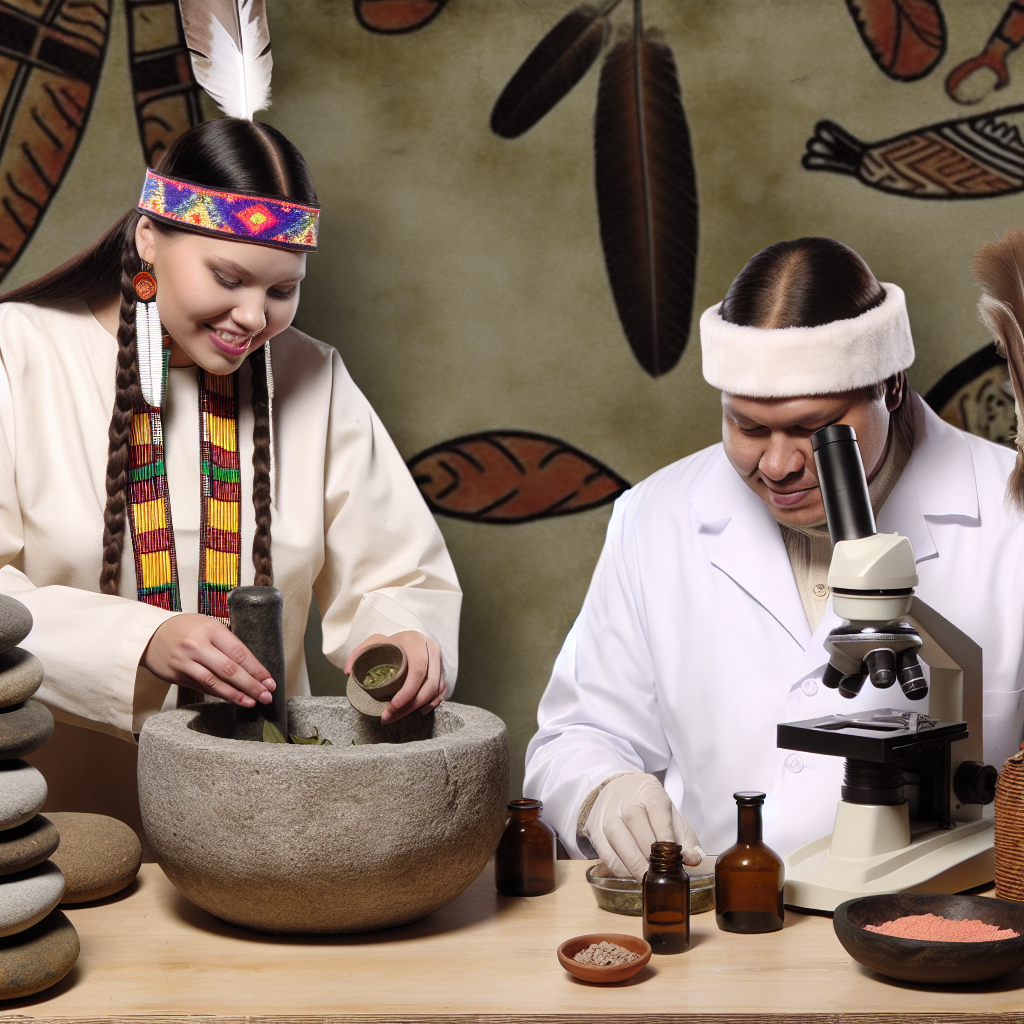
Konyak Naga herbal medicine is a treasure trove of indigenous knowledge, uniquely rooted in the rich traditions of the Konyak Naga community in Nagaland. Recent scientific inquiries have unveiled its significant anti-cancer potential, particularly through the identification of specific bioactive compounds that effectively target VEGFR2, a vital protein associated with tumor angiogenesis. This exploration not only emphasizes the power of traditional medicinal herbs but also sparks a deeper interest in anti-cancer herbal remedies that could offer alternatives to conventional treatments. With limited research previously conducted in indigenous medicine research, the findings from a multi-institute team present a revolutionary step towards understanding how these natural anti-angiogenic agents can combat cancer. As the study highlights the efficacy of this five-plant herbal formulation, it opens the door for further investigations into the mechanisms and applications of Konyak Naga herbal medicine in modern healthcare.
Indigenous healing practices, like those of the Konyak Naga tribe, represent a crucial aspect of traditional medicine that holds immense promise in contemporary health solutions. In a groundbreaking study, researchers have turned their attention to a five-plant preparation recognized for its medicinal uses, suggesting that traditional medicinal herbs can provide viable anti-cancer solutions through advanced scientific methods. This particular herbal formulation has been shown to selectively affect critical targets such as VEGFR2, a protein integral to tumor blood vessel development. The multidisciplinary approach in this investigation not only validates the original therapeutic claims but also encourages further research into the chemistry of these natural resources. By examining indigenous knowledge through the lens of modern science, we unveil a path towards innovative treatments that align with the efficacy and safety standards needed in the fight against cancer.
The Promising Potential of Konyak Naga Herbal Medicine in Cancer Treatment
Konyak Naga herbal medicine, deeply rooted in the traditional practices of the Konyak tribe in Nagaland, has shown remarkable promise in fighting cancer. As explored in recent research, this multi-plant formulation utilizes indigenous knowledge and scientific approaches to uncover its efficacy in targeting key cancer pathways. One of the standout features of this herbal remedy is its ability to precisely inhibit VEGFR2, a crucial receptor that facilitates the growth of blood vessels feeding tumors. This characteristic positions Konyak Naga medicine not only as an effective anti-cancer treatment but also as a vital component of modern anti-cancer herbal remedies.
The research conducted by Nagaland University and its collaborators emphasizes the need to bridge traditional herbal knowledge with contemporary scientific methodologies. By applying advanced techniques like GC-MS analysis and molecular simulations, researchers identified bioactive compounds within the Konyak formulation that exhibit potent anti-cancer properties. This aligns with a growing body of indigenous medicine research that validates traditional medicinal herbs, reinforcing their place in modern therapeutic landscapes as we seek alternative and natural anti-angiogenic agents for cancer treatment.
Understanding the Science Behind Traditional Medicinal Herbs
Traditional medicinal herbs have long been utilized around the globe for their health benefits, yet the scientific validation of their efficacy remains limited. The innovative study on Konyak Naga herbal medicine sheds light on this gap by employing rigorous scientific methods to analyze the herbal formulation. Researchers focus not only on the structural aspects of compounds found within these herbs but also their biological interactions, particularly in relation to cancer treatment. By targeting proteins like VEGFR2, these herbs are positioned as key solutions in the quest for effective anti-cancer therapies.
The integration of indigenous wisdom with scientific research shines a spotlight on the vast potential of traditional herbal remedies. Previous studies have often overlooked the mechanisms by which these natural remedies exert their effects. However, the current work points towards an evolution in understanding, where traditional medicine and herbal healing are viewed through a contemporary lens. It highlights an important trend in natural anti-angiogenic agents research, where ancient remedies are scrutinized using advanced science, ensuring that valuable knowledge is not lost while paving the way for future therapeutic innovations.
Mechanisms of Action for Anti-Cancer Properties
At the heart of the findings regarding Konyak Naga herbal medicine lies an exploration of its mechanisms of action at the molecular level. By showcasing how various compounds in the five-plant formulation effectively screen for and bind to VEGFR2, the study reveals potential pathways through which these herbs can inhibit tumor growth. This level of detail advances our understanding of how traditional herbal remedies can operate with precision, showcasing their relevance in the field of oncology as reliable anti-cancer herbal remedies with scientifically validated action.
Furthermore, these herbal compounds exhibit a favorable safety profile alongside their efficacy, making them attractive candidates for future drug development. The preliminary data indicates low toxicity, a crucial aspect when considering treatments for patients. This reflects an important aspect of indigenous medicine research, underscoring the sustainable and holistic nature of Konyak Naga herbal medicine. By potentially offering natural solutions to cancer treatment, this research not only honors traditional practices but also opens up avenues for further exploration into their application in modern medicine.
Advancements in Herbal Medicine Research and Cancer Therapy
The findings surrounding the anti-cancer capabilities of Konyak Naga herbal medicine signify a landmark advancement in herbal medicine research. As the field acknowledges the role of traditional medicine and begins to incorporate these established practices into modern treatment regimes, the synergy created can lead to more holistic approaches in healing. The study’s focus on molecular simulations and computational analysis positions Konyak Naga herbs at the forefront of innovative cancer therapies, potentially paving the way for novel treatments derived from indigenous knowledge.
Additionally, the emphasis on VEGFR2 targeting within this research aligns with current trends in oncology that prioritize precision medicine. By harnessing compounds that exhibit selective action against specific proteins, herbal formulations can be tailored for effectiveness while minimizing adverse effects. This aspect of research reflects a broader understanding in contemporary medicine that seeks not only to treat diseases but to do so with attention to patient quality of life, highlighting the potential role that Konyak Naga herbal medicine may play in this ongoing journey.
The Role of Indigenous Knowledge in Modern Medicine
Indigenous knowledge has proven invaluable in the world of medicine, providing a treasure trove of information on the properties and uses of local plants. The Konyak Naga herbal medicine serves as a prime example of how ancient practices can be embraced and scientifically validated. This combination of old and new approaches allows for a more comprehensive understanding of healing properties, particularly in cancer treatments where speed and efficacy are crucial. The successful intersection of indigenous medicine with modern scientific methods highlights the essential role these traditional systems have in enriching contemporary healthcare.
As researchers recognize the significance of harnessing traditional knowledge, there emerges an opportunity to explore other untapped indigenous remedies globally. By applying methods such as molecular simulations and biological testing, the potential for new anti-cancer herbal remedies grows. The study of the Konyak Naga formulation not only amplifies the importance of looking back to traditional practices but also encourages a more inclusive approach to future medical developments, promising to broaden the spectrum of available treatments based on herbal medicine.
Innovative Approaches in Herbal Formulation Research
Innovative approaches in the research of herbal formulations are transforming the landscape of natural medicine. The recent study on Konyak Naga herbal medicine demonstrates the power of applying cutting-edge scientific techniques to traditional recipes. This not only validates age-old practices but also enhances our understanding of their components and their synergistic effects. By employing advanced techniques such as GC-MS analysis, the research team could isolate and map the active compounds, setting the stage for exciting developments in the integration of herbal medicine into mainstream healthcare.
The shift towards a more analytical framework in studying herbal formulations not only validates their historical use but also opens doors to creating new therapies that could complement or even replace conventional cancer treatments. As more researchers delve into the complexities of plant bioactives, we may witness a renaissance in natural anti-angiogenic agents, particularly those derived from traditional practices like those of the Konyak Naga community. This trend confirms the vital importance of indigenous knowledge in contributing to new scientific frontiers.
Herbal Medicine and Its Contribution to Sustainable Healthcare
The contribution of herbal medicine to sustainable healthcare practice cannot be understated, especially in the context of chronic diseases like cancer. The Konyak Naga herbal medicine exemplifies how traditional practices can serve as a keystone in developing treatments that align with sustainable principles. As healthcare systems continue to seek holistic approaches to patient care, the inclusion of natural remedies offers a pathway toward minimizing side effects associated with synthetic drugs while potentially enhancing overall health outcomes.
By focusing on natural anti-angiogenic agents derived from indigenous formulas, such as those used by the Konyak tribe, the ongoing research amplifies the dialogue around sustainability in healthcare. This not only benefits individual patients but also contributes to the preservation of cultural practices and biodiversity, ensuring that ancient wisdom has a place in our future. Ultimately, the study of Konyak Naga herbal medicine highlights the critical intersections between tradition and innovation in crafting sustainable solutions in the fight against cancer.
The Future of Cancer Treatment and Indigenous Medicine
The future of cancer treatment lies in the integration of holistic approaches, with indigenous medicine standing at the forefront. Konyak Naga herbal medicine, with its scientifically validated anti-cancer properties, symbolizes a shift towards more inclusive and natural treatment modalities. As we continue to uncover the complexities of plant-based remedies through rigorous research, the narrative surrounding cancer care will evolve, embracing both modern science and traditional knowledge.
Such integration not only offers potential therapeutic benefits but also strengthens the relationship between communities and their cultural heritage. By recognizing the value embedded in indigenous practices, researchers and healthcare providers can promote a future where treatments are diverse, effective, and respectful of cultural histories, ensuring that patients have access to a wide range of safe and effective options in their cancer journeys.
Frequently Asked Questions
What is the significance of Konyak Naga herbal medicine in anti-cancer research?
Konyak Naga herbal medicine has gained attention in anti-cancer research due to its traditional use among the Konyak community and recent scientific studies that validate its efficacy. A multi-institute research team uncovered the potential of a five-plant polyherbal formulation used by the Konyaks, revealing its ability to target VEGFR2, a critical protein involved in tumor growth. By integrating indigenous knowledge with modern scientific methods, this research highlights the promising anti-cancer properties of these traditional medicinal herbs, suggesting they may serve as effective natural anti-angiogenic agents with low toxicity in cancer therapies.
| Key Points | Description |
|---|---|
| Study Background | A study led by Nagaland University, involving various institutions, investigated a traditional Konyak Naga herbal medicine for anti-cancer properties. |
| Research Focus | The focus was on a five-plant polyherbal formulation used by the Konyak Naga community. |
| Key Findings | The formulation’s bioactive compounds effectively target VEGFR2, which is involved in tumor blood vessel growth. |
| Research Significance | The study connects traditional knowledge with modern scientific validation methods, emphasizing the importance of indigenous practices. |
| Published Work | Results published in the Microchemical Journal, recognizing the scientific contribution to herbal medicine. |
| Future Potential | Identified compounds could serve as natural anti-angiogenic agents with lower toxicity and promising safety profiles. |
Summary
Konyak Naga herbal medicine has shown promising anti-cancer properties, as indicated by a recent study that uncovered its potential through the investigation of a traditional five-plant formulation. This research highlights the valuable role of indigenous medical practices, showcasing how traditional knowledge can harmonize with modern scientific methods. By targeting VEGFR2, the key protein involved in tumor development, the identified compounds from this herbal formulation not only exhibit efficacy comparable to current drugs but also suggest lower toxicity levels. With findings published in the Microchemical Journal, this study paves the way for further research and potential drug development, reflecting a significant step toward integrating ancient wisdom with contemporary health solutions.



























