 11
11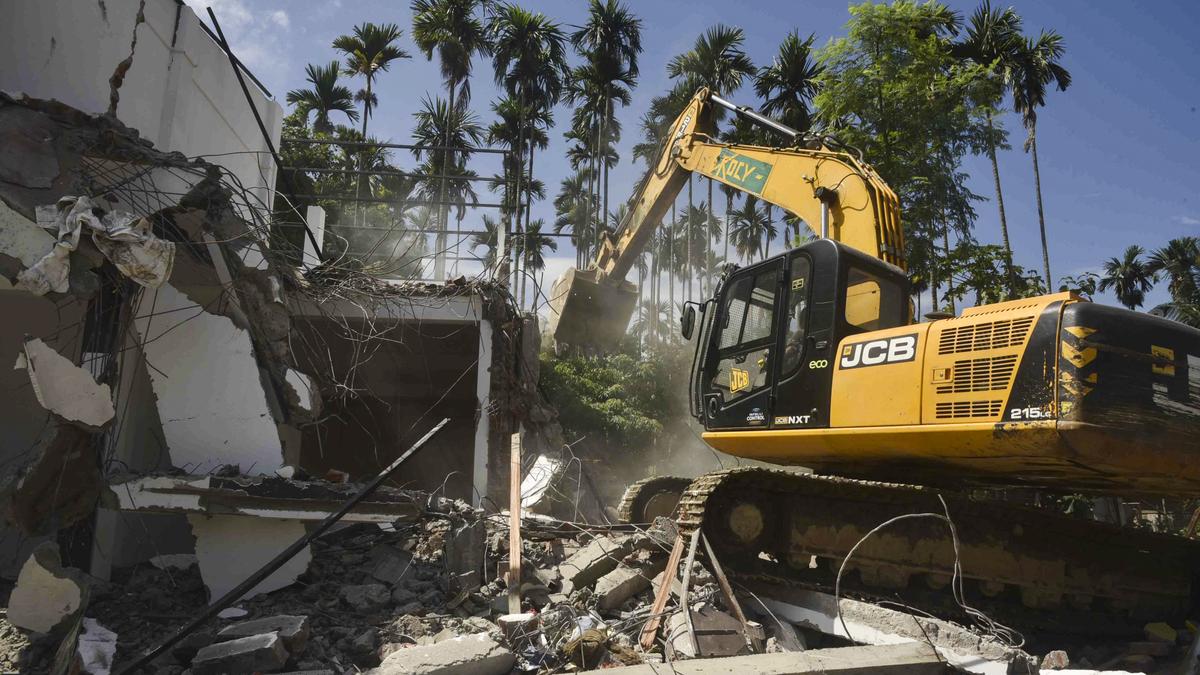
The recent Assam internet suspension has drawn significant attention following violent incidents in the Chirang and Kokrajhar districts, where tensions escalated during an eviction drive along the India-Bhutan border. Authorities implemented a mobile data shutdown amid protests arising from the arrest of Adivasi community members during this operation, which took place in the Runikhata area. The situation spiraled as local residents protested against the perceived injustices of the forest land eviction, a matter that sparked national discourse on land rights and resource management. As reports of clashes between demonstrators and security forces emerged, concerns about misinformation circulating on social media prompted strict measures to ensure public safety. This drastic decision aims to prevent further unrest and maintain order in a region already fraught with socio-political tensions.
In light of the recent turmoil, the suspension of internet services in Assam reflects a broader struggle over land and community rights in the region. Following the violent confrontations in areas like Chirang and Kokrajhar, where eviction drives have ignited protests, the government has taken significant measures to quell unrest. Local residents have been vocal against actions perceived as encroachments on their rights, particularly concerning the controversial forest land eviction strategies. As clashes erupted amid allegations of police brutality and detentions, the deployment of mobile data shutdowns aimed to mitigate the spread of unrest fueled by social media. In this complex socio-political landscape, understanding the roots of these protests offers critical insights into the challenges facing communities along the India-Bhutan border.
In response to escalating tensions resulting from violent clashes during an eviction drive, the Assam government has imposed a suspension on mobile internet services across the Chirang and Kokrajhar districts. This decisive action reflects the authorities’ efforts to curb the potential spread of unrest and misinformation amongst the local population. The grips of tension began to tighten around April 16, as the forest department’s operation in Runikhata led to the detention of numerous individuals, precipitating a wave of protests that spiraled into violent confrontations.
The recent disturbances in these districts not only highlight the fragile situation but also suggest an underlying issue of land rights and community grievances that have been unresolved for years. The suspension of mobile data services aims to prevent the rapid dissemination of rumors and inflammatory content that could incite further violence in light of the Kokrajhar protests. As the government navigates through this turbulent phase, the internet blackout stands as a controversial yet strategic measure to restore order and safety in the affected regions.
The abrupt suspension of mobile internet services has had profound implications for communication among residents in Chirang and Kokrajhar. With limited access to information, many locals find themselves cut off from crucial updates regarding the ongoing situation and the status of detained individuals. This communication barrier can exacerbate fears and anxieties within the community, as families struggle to seek news about relatives or engage in organized responses to the eviction actions taking place.
Moreover, the mobile data shutdown may unintentionally hinder peaceful avenues for protest and dialogue among community members. In a time when the public is rallying for their rights and to voice concerns regarding the eviction of forest land, the inability to coordinate effectively through social media platforms adds a layer of frustration and helplessness to their extensive efforts, as seen in earlier Kokrajhar protests. This highlights the critical need for transparent communication channels between the government and the citizens to foster trust and engagement, especially during crises.
The violence witnessed in Chirang has roots deeply embedded in longstanding issues surrounding land rights and the grievances of the Adivasi community. As the forest department conducted its eviction drive, tensions escalated when 25 members of the community were detained amid allegations of encroaching on reserved forest land. The resulting protests reflected a broader struggle for recognition and rights over ancestral lands, further igniting passions and leading to acts of vandalism and violence.
In the heat of the moment, demonstrators’ frustrations manifested in aggressive actions against government property, including attempts to set a range office ablaze. The actions taken by security forces in response, marked by the use of live ammunition during confrontations, have only served to deepen the wounds within the community and heighten the calls for justice and accountability. The need for the government to address these underlying issues is critical for easing tensions, as repeated violent episodes could lead to wider ramifications across the border regions.
Following the violent clashes in Chirang, the Assam government implemented a series of preventive measures to maintain law and order, primarily through the suspension of mobile internet services. This strategy is designed to mitigate the spreading of misinformation, which could further inflame the already volatile situation. The authorities have taken a cautious approach, employing provisions from the Indian Telegraph Act to manage telecommunications effectively in the region.
Simultaneously, while addressing immediate safety concerns, the government faces the challenge of balancing citizen rights against state responsibilities. Law enforcement agencies are on high alert, particularly with concerns of unrest spilling into Kokrajhar, necessitating a comprehensive strategy that includes both security measures and community engagement. Activists emphasize the importance of addressing the root causes of discontent to foster a more stable environment, particularly given the historical and societal complexities surrounding land rights and community identity.
Social media platforms have emerged as powerful tools for mobilizing grassroots activism, particularly in the context of the current protests against the eviction measures in Chirang. As residents took to platforms like Facebook and WhatsApp to organize and communicate their demands, the rapid dissemination of information proved both a boon and a burden. While these digital avenues facilitate the exchange of ideas and rallying of support, they also pose risks of misinformation which can inflame tensions and lead to chaos.
As the government navigates the triple challenges of social unrest, misinformation, and security, the suspension of internet access highlights the delicate balance between maintaining order and permitting freedom of expression. In this environment, community leaders and activists are pivotal in directing the conversation and ensuring that peaceful protest is prioritized over violent responses. While the government seeks to control the narrative, it is essential for community voices to be strengthened and heard, ensuring that their grievances are addressed appropriately in the broader socio-political landscape.
The current violence surrounding the eviction drive in Chirang cannot be understood without examining the historical context of land ownership and community rights. Many Adivasi community members view the eviction as a continuation of systemic injustices they have faced regarding their ancestral lands. These long-simmering grievances represent a clash between state policies prioritizing development and conservation, and the rights of local communities to their land.
Furthermore, the eviction along the India-Bhutan border raises critical questions about the role of governmental agencies and their engagement with indigenous populations. To foster lasting peace and community trust, it is imperative for the government to acknowledge these historical injustices and work toward inclusive policies. Understanding the socio-economic conditions and past conflicts will pave the way for better solutions and reforms, ultimately promoting harmony in regions frequently marred by strife.
The invocation of the Indian Telegraph Act and Temporary Suspension of Telecom Services Rules highlights the legal dimensions of responding to civil unrest in Assam. While these frameworks are intended to help manage the spread of information during crises, their implementation raises significant questions about civil liberties and access to communication. Citizens in affected regions find themselves navigating a precarious legal landscape where their rights to freedom of expression are temporarily suspended.
As the state employs these legal provisions, there are ongoing debates regarding the implications for governance, accountability, and citizen rights. Ensuring that the application of such laws does not lead to excessive state overreach and erosion of democratic freedoms is critical. Moving forward, it will be essential to assess how these measures align with the frameworks of human rights, as well as the balance necessary to maintain social order without undermining the voice of the populace in Assam.
Looking ahead, the pathway to achieving lasting peace in the regions of Chirang and Kokrajhar hinges on proactive engagement between the government and local communities. Addressing the root causes of discontent, particularly concerning land rights and historical grievances, will be pivotal for reducing tensions and preventing further outbreaks of violence. Initiatives aimed at dialogue, sensitivity training for law enforcement, and community outreach can help bridge divides and foster trust.
Engaging communities in discussions regarding land policy reforms and environmental conservation efforts alongside economic development initiatives offers a more inclusive approach to governance. Long-term solutions must prioritize the voices of indigenous populations, ensuring that they are actively involved in decision-making processes that impact their lives. This foundational shift toward cooperation will be essential in establishing a more harmonious and equitable social fabric in Assam.
The suspension of mobile internet services in Chirang and Kokrajhar regions poses significant socio-economic repercussions. Beyond restricting communication and social networking, the inability to access information hampers local businesses, disrupts trade, and isolates residents from crucial services. Affected communities rely heavily on mobile communication for day-to-day coordination and engagement with broader markets, which is critical in times of crisis.
Additionally, internet deprivation may hinder local businesses from participating in e-commerce opportunities, which have become increasingly vital in today’s market. As residents from various socioeconomic backgrounds cope with the restrictions, it is essential to evaluate alternative solutions that safeguard their livelihoods while ensuring community safety and stability. A comprehensive understanding of how internet access intertwines with economic resilience will be pivotal in developing more sustainable responses to such crises in the future.
The Assam government suspended mobile internet services in the Chirang and Kokrajhar districts to prevent the spread of misinformation and maintain law and order amid escalating violence during protests against forest land evictions. Violent clashes erupted after the forest department detained individuals from the Adivasi community, leading to significant unrest and concerns of widespread chaos. The internet suspension serves as a preventive measure to control the situation and prevent further escalation of the conflict.
| Key Points |
|---|
| The Assam government suspended mobile internet services in Chirang and Kokrajhar districts due to violent clashes during an eviction drive along the India-Bhutan border. |
| Tensions escalated after forest department evicted individuals in Runikhata, leading to the detention of 25 members of the Adivasi community. |
| Protests erupted, with local residents demanding release of those detained, escalating to vandalism and violent confrontations. |
| Incidents of gunfire and clashes between security forces and protesters have been reported, further intensifying the unrest. |
| Authorities fear unrest could spread to Kokrajhar district, leading to preventive measures for maintaining law and order. |
| The government cited risks of misinformation on social media as a reason to implement the internet suspension to prevent escalation. |
| The suspension is based on the Indian Telegraph Act of 1885 and the Telecom Suspension Rules of 2017, with legal consequences for violations. |
The Assam internet suspension has been implemented as a crucial response to maintain peace amid rising tensions following violent clashes rooted in an eviction operation. This decisive move arises from the state’s urgent need to curb the spread of misinformation and potential provocations that could escalate local unrest. As clashes intensified, leading to dangerous confrontations and public outcry, the government recognized the necessity of restricting mobile internet access to protect law and order. This action serves not only to reclaim stability in the affected districts of Chirang and Kokrajhar but also illustrates the significant measures authorities are willing to take to ensure community safety during times of unrest.