 11
11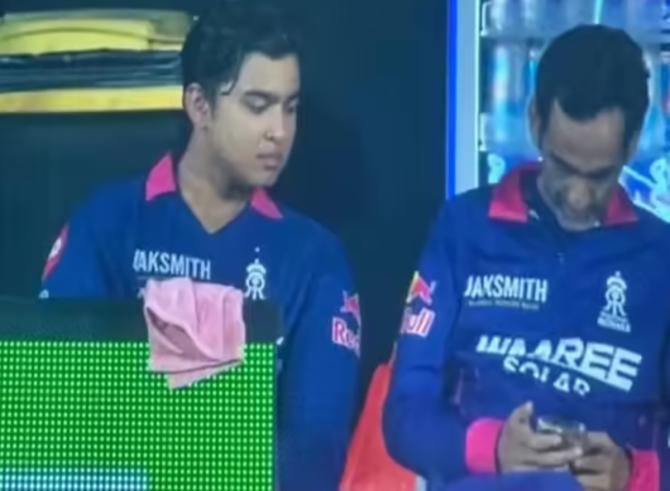
In a decisive move reflecting its commitment to upholding the integrity of the sport, the BCCI fines Rajasthan Royals’ team manager Romi Bhinder with a penalty of Rs 1 lakh. This action underscores the BCCI’s stringent stance on IPL anti-corruption measures and its unwavering adherence to matchday regulations. The fine comes as a crucial reminder for all franchises to adhere to cricket integrity rules designed to maintain fair play and transparency. Bhinder’s violation specifically related to the Players and Match Officials Area (PMOA) protocols, which are fundamental to the smooth operation of IPL matches. The board’s swift response serves as a wake-up call, reinforcing the message that any compromise on these regulations will not be tolerated in the realm of Indian cricket.
The Rajasthan Royals find themselves in the spotlight following a significant penalty imposed by the Board of Control for Cricket in India (BCCI). This hefty fine illustrates the board’s rigorous enforcement of anti-corruption strategies and match regulations during high-stakes IPL games. Coming in light of a recent breach, this situation emphasizes the importance of maintaining strict compliance with cricket’s foundational integrity rules. The case of Romi Bhinder, who faced reprimand for a serious lapse in protocol, highlights the critical need for all teams to strictly follow BCCI guidelines when it comes to player conduct and matchday operations. Such measures not only preserve the sanctity of cricket but also ensure that every aspect of the game is conducted with utmost fairness.
The Board of Control for Cricket in India (BCCI) has taken decisive action against the Rajasthan Royals, slapping a fine of Rs 1 lakh on the team manager, Romi Bhinder. This penalty underscores the BCCI’s unwavering commitment to maintaining the integrity of cricket, particularly within the Indian Premier League (IPL). The fine was imposed due to a breach of the IPL’s Players and Match Officials Area (PMOA) protocols, which are crucial for ensuring that all teams adhere to the highest standards on match day.
Rajasthan Royals, like all other franchises, is expected to maintain strict compliance with the BCCI matchday regulations. These protocols are designed not only to promote fair play but also to prevent corruption in cricket, reinforcing the importance of integrity within the sport. Such sanctions serve as a reminder to all teams and personnel involved in the IPL that adherence to cricket integrity rules is non-negotiable, with penalties imposed on those who fail to comply.
The BCCI’s stringent measures and regulations are rooted in a broader initiative to uphold the integrity of cricket worldwide, particularly highlighted in the IPL. The league has introduced several anti-corruption protocols aimed at eradicating any form of corrupt practices. These measures are not just guidelines but essential rules that must be followed to preserve the reputation of the sport and ensure fair competition among the teams.
In light of the recent penalty placed on Romi Bhinder, it is essential to acknowledge the crucial role played by the Anti-Corruption Unit (ACU) in the evaluation of compliance with these regulations. The ACU’s assessment of responses and adherence to protocols like the PMOA sets a precedent for accountability within the league. Continuous education about anti-corruption measures and the strict enforcement of penalties, like that faced by Rajasthan Royals, are pivotal in cultivating a culture of integrity within the realm of professional cricket.
Romi Bhinder’s recent penalty not only affects him personally but also serves as a critical wake-up call for team management across the IPL. Managers and support staff are vital in setting the standard for behavior and compliance with regulations, and any lapse can lead to serious repercussions for the entire team. The BCCI’s imposition of a fine emphasizes that the responsibility of maintaining integrity falls on every individual associated with a franchise.
Following this incident, teams may need to re-evaluate their training and awareness programs surrounding anti-corruption protocols. Ensuring that all personnel are conversant with BCCI matchday regulations and the potential consequences of violations will be essential in preventing future infractions. The Rajasthan Royals case illustrates that the integrity of cricket is paramount and that team management must prioritize adherence to established cricket integrity rules to safeguard the sport.
Compliance with matchday regulations is critical to protecting the reputation of cricket globally. As one of the premier sports worldwide, the stakes are high, and any failure to adhere to BCCI’s anti-corruption measures can tarnish the trust that fans, sponsors, and stakeholders have in the game. This trust is essential not only for the success of the IPL but for the sport’s longevity as a top entertainment option.
The actions taken against the Rajasthan Royals serve as an important reminder to all teams that compliance with established cricket integrity rules is vital. With the presence of large audiences and significant commercial interests at stake, the BCCI’s tough stance against violations is indispensable in sustaining the sport’s credibility. This incident will likely encourage a more robust commitment to ethical conduct within all teams in the league.
As the IPL continues to grow in prominence, so does the necessity for comprehensive anti-corruption measures. The BCCI’s firm actions, exemplified by the recent fine imposed on the Rajasthan Royals, indicate a strong resolve to foster a clean competitive environment. Going forward, it is imperative for the governing body to innovate and adapt its regulations to address emerging threats to the integrity of the game.
By consistently enforcing strict penalties for breaches, such as the fine against Romi Bhinder, the BCCI reinforces the importance of compliance and sends a clear message to all participants. The future of IPL hinges on the leagues’ ability to uphold high ethical standards, ensuring that the excitement of the tournament does not overshadow the core values of sportsmanship and fair play.
A collaborative approach between teams and the BCCI is essential for enhancing compliance with IPL’s anti-corruption policies. The significance of teamwork extends beyond the field, where collaboration can help foster a culture of integrity and adherence to regulations. Teams must work closely with the BCCI’s Anti-Corruption Unit to ensure that all personnel are adequately trained in the protocols that govern matchday behavior.
Joint workshops and training sessions can equip team managers and staff with the knowledge necessary to prevent violations, thereby minimizing the risk of penalties such as those imposed on Romi Bhinder. By prioritizing communication and understanding between the BCCI and franchises, cricket can move towards a future where integrity and transparency are at the forefront, safeguarding the sport against corruption.
The recent fine imposed on the Rajasthan Royals serves as a critical lesson for all teams involved in the IPL. It highlights not only the importance of following anti-corruption protocols but also the potential repercussions of negligence. As teams deal with the pressures of competition, the reminder that each member plays a role in upholding compliance can serve as a motivator to embed integrity within team culture.
Going forward, franchises must view such incidents as opportunities to strengthen their policies and emphasize accountability. By learning from the Rajasthan Royals’ experience with the BCCI’s penalties, teams can implement proactive measures to enhance awareness around cricket integrity rules. This commitment will ultimately contribute to a more transparent and respected environment in which the IPL can flourish.
Education remains a cornerstone for promoting a culture of integrity within professional sports, particularly in cricket. After incidents like the one involving Romi Bhinder, it becomes clear that ongoing training is essential to ensure all members of a team recognize the importance of compliance with BCCI’s regulations. Establishing regular training sessions focusing on anti-corruption measures can help instill a sense of responsibility and vigilance among players and staff.
Furthermore, a well-informed team can better navigate the complexities surrounding matchday regulations and act as ambassadors for ethical behavior in cricket. The importance of integrating educational initiatives into team culture cannot be overstated, as it prepares individuals to uphold cricket integrity rules and act in accordance with BCCI’s standards. Adopting a proactive educational approach will ultimately contribute to the preservation of cricket’s reputation.
Sanctions, such as the fine imposed on the Rajasthan Royals, can have far-reaching implications for team dynamics and overall performance. The introduction of penalties can lead to increased scrutiny, which may place additional pressure on players and staff. It might result in a need for teams to reallocate focus from performance excellence to compliance, thereby impacting morale and motivation.
However, this challenge can also be transformed into a catalyst for positive change. By acknowledging the consequences of violations, teams can create an environment that prioritizes ethical behavior, thereby enhancing their reputation in the long run. Such an environment can lead to higher performance standards, as players invest in their adherence to cricket integrity rules, recognizing that their actions directly influence the team’s success and public perception.
The BCCI imposed a fine of Rs 1 lakh on Rajasthan Royals team manager Romi Bhinder for violating match-day regulations, particularly the IPL’s Players and Match Officials Area (PMOA) protocols. This action demonstrates the BCCI’s commitment to maintaining cricket integrity rules and enforcing its zero-tolerance approach toward anti-corruption protocols in the IPL.
| Key Point | Details |
|---|---|
| Incident | BCCI fined Rajasthan Royals team manager for violating match-day regulations. |
| Amount | Rs 1 lakh imposed as a penalty. |
| Violation | Breach of IPL’s Players and Match Officials Area (PMOA) protocols. |
| Response | BCCI found the manager’s response to be unsatisfactory. |
| BCCI’s Stance | Demonstrates zero-tolerance towards anti-corruption protocols. |
BCCI fines Rajasthan Royals for violating match-day regulations, emphasizing their strict adherence to anti-corruption protocols within Indian cricket. This incident highlights the board’s unwavering commitment to maintaining integrity in the sport, as the fine of Rs 1 lakh levied against team manager Romi Bhinder serves as a reminder that breaches will be met with firm consequences. The evaluation of Bhinder’s response by the BCCI, deemed unsatisfactory, further illustrates the seriousness of the matter and the board’s determination to uphold its standards without exceptions.