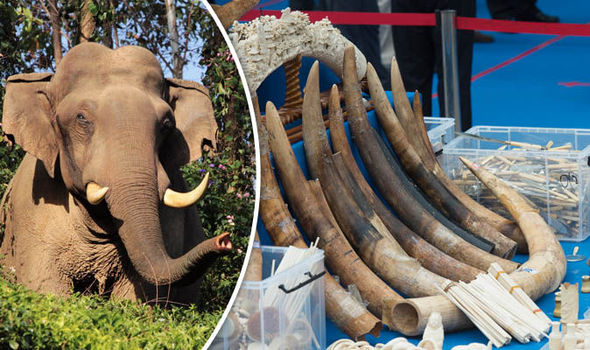
The Lakhipather elephant tusk investigation has unveiled a shocking incident of tusk-harvesting involving a domesticated elephant in Assam. This case has sparked concerns regarding elephant tusk poaching in Assam, leading to an inquiry into the procedural lapses by the authorities in the Lakhipather forest range. Forest officials have summoned the elephant’s owner and caretaker after discovering that the elephant was both unreported and tethered in a secluded area, raising serious wildlife conservation concerns. The horrifying act of removing the tusks from a live elephant has galvanized wildlife activists, who are demanding stringent action against those responsible and highlighting the broader elephant welfare issues that plague the region. As investigators dig deeper, the spotlight is on the practices surrounding domesticated elephant tusks and the systemic failures that allow such incidents to occur.
The investigation surrounding the elephant tusks in Lakhipather has brought to light critical issues associated with wildlife management and illegal poaching in Assam’s lush forest landscapes. This alarming discovery of tusk removal from a domesticated tusker shines a light on the nuances of wildlife conservation concerns and the drastic consequences of such actions. Local authorities are under scrutiny as questions arise about their protocol in dealing with domesticated elephants and the surrounding environmental regulations. The case has not only provoked discussions about the neglect in elephant welfare but also the possible exploitation of loopholes within the laws designed to protect these magnificent animals. As wildlife enthusiasts and conservationists echo calls for reform, the focus now shifts to preventing future occurrences and enhancing the protection of both wild and domesticated elephants.
Lakhipather Elephant Tusk Investigation: Unraveling the Crisis
The recent investigation into the Lakhipather elephant tusk case has sparked widespread concern about elephant welfare issues, particularly regarding domesticated elephants like Mangal Singh, the victim of this unfortunate incident. Wildlife conservationists are alarmed at the alleged poaching activities linked to well-coordinated criminal networks exploiting the vulnerabilities of domesticated tuskers. The investigation focuses on procedural lapses that allowed such incidents to occur, highlighting a need for improved oversight by forest officials to ensure the safety of elephants within the jurisdiction of the Lakhipather Forest Range.
Moreover, this case has raised critical questions about the accountability of both the elephant owners and the caretakers. The lack of immediate reporting to the authorities regarding the tusker’s distress and the alleged involvement of insiders further complicates the investigation. Activists argue that for poaching to happen undetected in a managed area like Lakhipather, there must be collusion at various levels, which calls for thorough scrutiny of the negligence displayed by authorities. Hence, the investigation serves as a wake-up call for stronger wildlife conservation measures to protect pachyderms and their ivory.
The Role of Domesticated Elephants in Assam’s Wildlife Conservation
In Assam, domesticated elephants play a pivotal role in both cultural practices and wildlife conservation. However, the recent tusk-harvesting incident in Lakhipather has raised critical concerns about the legal and ethical treatment of these majestic creatures. Domesticated elephants, often tasked with heavy labor, are prized assets, yet their tusks can become targets for illegal poaching and trafficking. The exploitation of such elephants is a reflection of broader societal issues surrounding wildlife conservation concerns and the ongoing battle against poaching in Assam.
Furthermore, the importance of elephants extends beyond their labor; they are also ecological stewards who contribute to their habitats’ health. With local culture entwined with the use of elephants, stakeholders must work together with authorities to implement protective measures that ensure their welfare. As incidents of elephant tusk poaching like that in Lakhipather surface, it becomes increasingly crucial to take action that not only curbs illegal activities but also promotes the understanding of elephants’ role in maintaining ecological balance and biodiversity.
Understanding Elephant Tusk Poaching in Assam
Elephant tusk poaching has emerged as a severe threat to both wild and domesticated elephant populations in Assam, particularly within the Lakhipather Forest Range. The alarming frequency of these incidents brings to light the complex interplay between poaching networks and the challenges faced by wildlife conservation authorities. In Assam, where the pressure of habitat loss and human-elephant conflict is already significant, the additional threat of poaching magnifies the crisis. Activists raise concerns over the failure to effectively respond to such incidents, underscoring the necessity of enhanced law enforcement mechanisms to combat this issue.
Analyzing the circumstances surrounding the tusk poaching incidents revealed a troubling pattern akin to organized crime. Investigators suggest that the poaching operations often occur in the dark of night, when elephants like Mangal Singh are particularly vulnerable. The combination of domesticated elephants being used as a cover for illicit activities adds another layer of complexity to the issue. Addressing these challenges requires a concerted effort among government agencies, conservationists, and local communities to foster a safe environment for elephants, while also implementing stricter punishments for those caught engaging in poaching.
The Vital Importance of Wildlife Conservation in Assam
Wildlife conservation is crucial for the maintenance of ecological integrity in Assam. The region, home to a diverse array of species, has seen pressures from poaching that threaten not just elephants but the entire ecosystem. Conservation efforts must focus on educating communities about the importance of preserving wildlife, as well as engaging them in sustainable practices that do not compromise the safety of animals like elephants. Recent incidents in Lakhipather demonstrate the urgent need for effective wildlife protection measures and community involvement in conservation efforts.
Moreover, successful wildlife conservation in Assam requires a multi-faceted approach that includes stronger regulation, community education, and active participation from local populations. Empowering communities and providing them with the resources to engage in conservation can reduce instances of wildlife crime. The Lakhipather elephant tusk investigation serves as a potent reminder of the extensive work that remains to protect the elephants, their habitats, and the cultural significance they hold in Assam. With the right support and legislation, these majestic creatures can thrive, ensuring the health of the ecosystem for generations to come.
Proposed Measures to Curb Elephant Tusk Poaching
Efforts to combat elephant tusk poaching must focus on comprehensive strategies that address the root causes driving the illegal trade. Law enforcement agencies in Assam can enhance patrolling efforts in vulnerable areas like the Lakhipather Forest Range and increase penalties for poaching-related crimes. Community involvement is also essential, as locals are often the first line of defense in reporting suspicious activities. Promoting wildlife crime reporting among residents can create a network of vigilance that deters poachers and protects endangered species.
Additionally, raising public awareness regarding the implications of wildlife poaching is vital. Campaigns and educational programs can inform communities about the legal status of elephants and the ecological chains of harm caused by poaching. Implementing eco-tourism initiatives can incentivize conservation, as communities learn to value the living elephant and the biodiversity of their land more than the monetary gain from ivory sales. By integrating these measures, Assam could establish a more robust framework for wildlife conservation that not only protects elephants but also enhances the welfare of local communities.
Community Engagement in Elephant Welfare Initiatives
Community engagement is essential for the successful protection of domesticated elephants in Assam. Initiatives aimed at improving elephant welfare need to incorporate the voices and needs of local communities who live alongside these magnificent creatures. By fostering a sense of stewardship among residents, conservationists can create a more supportive environment for wildlife protection. In light of the recent tusk incident in Lakhipather, efforts should prioritize educating the public about the ecological and cultural importance of elephants, thereby fostering a shared commitment to their welfare.
Programs promoting responsible ownership and caretaking of domesticated elephants can go a long way in reducing instances of negligence leading to poaching. By providing training and resources, community members can learn how to properly care for elephants and recognize the signs of potential threats, both from poachers and other risks. These initiatives not only serve to protect elephants but also enhance the community’s relationship with wildlife, creating collaborative partnerships that can sustain conservation efforts in the long run.
Legal Framework Surrounding Elephant Welfare in India
The legal framework governing wildlife and elephant welfare in India plays a crucial role in protecting these majestic animals from poaching and exploitation. Legislation like the Wildlife Protection Act of 1972 is designed to safeguard vulnerable species, including elephants, by prohibiting activities like poaching and illegal ivory trade. However, the enforcement of these laws is often inconsistent, particularly in rural regions like the Lakhipather Forest Range in Assam. Strengthening the implementation of existing legal structures is imperative if we wish to tackle the entrenched problem of elephant tusk poaching.
Furthermore, legal measures should also incorporate community rights while ensuring that the welfare of elephants is prioritized. It is crucial to develop policies that resonate with local stakeholders, addressing not just conservation concerns but also the socio-economic realities of those living in close proximity to wildlife. By aligning legal frameworks with the needs of the community, we can cultivate a more cooperative approach to wildlife conservation that emphasizes both the protection of elephants and the welfare of local populations.
The Social Impact of Elephant Tusk Poaching on Communities
Elephant tusk poaching not only threatens wildlife but also has profound social implications for communities in Assam. The illegal ivory trade can destabilize local economies, particularly in areas where elephants play a substantial role in cultural practices or livelihoods. Poaching often leads to conflicts between wildlife and human interests, complicating relationships within communities. As poaching incidents like the Lakhipather case continue to emerge, it is essential to address the social impact of these activities and find ways to mitigate their effects on the people who share their land with elephants.
Education and livelihood diversification are key strategies in curbing the social ramifications of elephant tusk poaching. Programs that provide alternative sources of income to communities traditionally reliant on poaching create pathways for sustainable living practices while fostering a culture of conservation. Initiatives aimed at incentivizing conservation through community engagement can transform local perceptions and promote the coexistence of people and wildlife, thus reinforcing the importance of protecting elephants and their environments.
Future Directions for Elephant Conservation in Assam
Looking ahead, the future directions for elephant conservation in Assam must encompass a holistic approach that integrates ecological, economic, and social dimensions. Ensuring the survival of domesticated and wild elephants in landscapes such as the Lakhipather Forest Range necessitates collaborative efforts between government agencies, conservation groups, and local communities. By aligning their goals and strategizing collectively, stakeholders can tackle the persistent issues of poaching and habitat loss, ensuring that elephants are protected in the long term.
Moreover, leveraging technological advancements, such as drone surveillance for monitoring wildlife and reporting illegal activities, can enhance enforcement capabilities. Combining traditional conservation methods with innovative approaches will allow Assam to position itself as a leader in elephant welfare and protection. Ultimately, proactive policies and engaged communities are vital in steering conservation efforts toward a future where elephants and humans can thrive together.
Frequently Asked Questions
What are the key details of the Lakhipather elephant tusk investigation in Assam?
The Lakhipather elephant tusk investigation in Assam focuses on the tusk-harvesting of a domesticated elephant, Mangal Singh, which occurred on April 14. Forest officials are scrutinizing the owner, Hunjoy Duaniya, and caretaker, Latu Moran, for procedural lapses. Allegations include failure to report the elephant’s presence in the Lakhipather forest range and delayed notification to authorities after the incident. Activists are concerned that this may not just involve poaching but could indicate insider involvement in exploiting the elephant’s tusks.
| Key Point | Details |
|---|---|
| Incident Overview | Investigation on tusk-harvesting of domesticated elephant in Lakhipather, Assam. |
| Involved Parties | Owner Hunjoy Duaniya, caretaker Latu Moran, and officials of the Lakhipather Range. |
| Timeline of Events | Incident reported on April 16, treatment started on April 17 after significant delays. |
| Nature of Incident | Elephant’s tusks removed by suspects while alive, indicating insider knowledge. |
| Procedural Lapses | Failure to notify jurisdictional ranger, delays in reporting incident and treatment. |
| Activist Concerns | Calls for accountability and investigations into potential insider facilitation. |
| Pattern of Incidents | Increasing cases of poaching in the area, possibly linked to administrative changes. |
Summary
The Lakhipather elephant tusk investigation has unveiled alarming insights into the illicit tusk-harvesting industry impacting domesticated elephants in Assam. With authorities summoning both the owner and caretaker of the affected elephant, Mangal Singh, serious allegations of procedural neglect and potential collusion have surfaced. Notably, the incident highlights significant delays in reporting and response time, raising questions about regulatory adherence within the Lakhipather Range. Wildlife activists have pointed towards a broader conspiracy, suggesting the involvement of individuals familiar with the elephant. As the investigation continues, concerns mount regarding organized poaching networks exploiting administrative transitions, necessitating urgent action to protect these majestic creatures and uphold conservation efforts.