

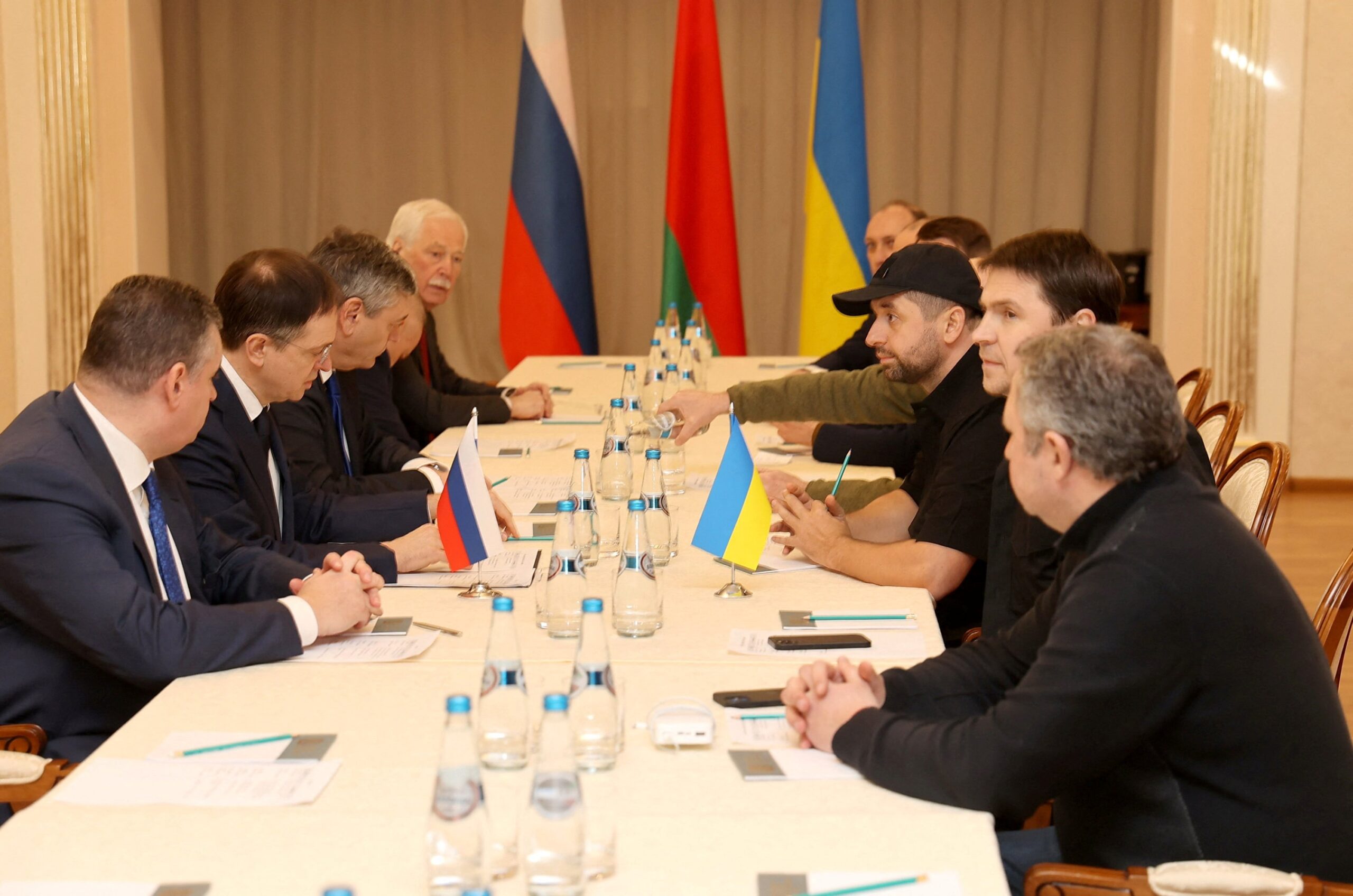
In recent developments, peace talks between Iran and the US have become a focal point in global discussions regarding diplomacy and stability in the Middle East. Despite hopes for constructive dialogue, recent statements from Abdul Majeed Hakeem Ilahi, the special representative of Iran’s Supreme Leader in India, indicate that these negotiations have faltered. According to Ilahi, the collapse stems from Washington’s failure to adhere to a mutually accepted framework for the discussions. This setback has cast a shadow over the potential for improved Iran US relations, leaving many to question the future of diplomatic efforts in the region. As both nations grapple with their respective foreign policies, the implications of these peace negotiations will continue to resonate within the broader Middle East peace process.
The recent diplomatic interactions between Tehran and Washington highlight the complexities within the broader context of international relations. Efforts to establish dialogue have been met with various challenges, particularly around the notion of peace negotiations that aim to stabilize an often volatile environment. As Iran navigates its diplomatic initiatives, the role of US foreign policy emerges as a crucial factor influencing outcomes. The atmosphere of potential cooperation or strife is pivotal not just for bilateral relations, but also for shaping the trajectory of the Middle East peace process overall. Moving forward, understanding the nuances of these interactions will be essential for all stakeholders invested in the pursuit of regional harmony.
The Status of Peace Talks Between Iran and the US
The recent developments regarding the peace talks between Iran and the US signify a critical juncture in international diplomacy. Despite initial optimism surrounding the negotiations, reports indicate that the discussions have reached a standstill. Abdul Majeed Hakeem Ilahi, the special representative of Iran’s Supreme Leader, highlighted that the United States has deviated from the previously agreed-upon framework. This has raised concerns not only in Iran but throughout the Middle East regarding the sustainability of US foreign policy in the region.
The failure of peace negotiations between Iran and the US can have significant implications for Iran-US relations and the broader Middle East peace process. Many observers note that a lack of commitment from the US in adhering to diplomatic efforts jeopardizes long-standing peace initiatives aimed at stabilizing the region. As various stakeholders await a clear explanation regarding these failures, the impact on Iran’s diplomatic efforts could hinder prospects for future cooperation and dialogue that would benefit both nations.
Iran’s Diplomatic Efforts and Challenges Ahead
Iran has made substantial diplomatic efforts to engage with the international community, particularly in light of the recent tension surrounding its relations with the US. These efforts aim to articulate Iran’s position and promote regional dialogue to foster peace. However, the turbulence of the peace talks speaks volumes about the challenges faced by Iranian diplomats, who are striving to navigate through the complexities of international politics while facing US sanctions and a turbulent regional landscape.
The Iranian government asserts that diplomacy is vital for achieving stability and peace in the Middle East. Recent setbacks, especially in negotiations with the US, underline the vulnerabilities within the broader framework of international relations. As Iran’s strategic interests continue to be challenged, its leaders must adapt their approach to diplomacy, perhaps looking towards alternative partnerships or revitalizing discussions with other global powers to stabilize their economic and political standing.
Implications for US Foreign Policy in the Middle East
The collapse of the peace talks between Iran and the US sends significant signals about the effectiveness of US foreign policy in the Middle East. Analysts argue that such diplomatic setbacks may weaken Washington’s position as a credible mediator in regional disputes. As the US continues to redefine its strategy in light of changing geopolitical dynamics, it becomes increasingly crucial to assess how these developments might reshape its relations with Iran and other Middle Eastern countries.
Moreover, the stagnation in negotiations could embolden hardline factions within Iran to pursue more aggressive regional policies, thus creating a cycle of escalation that complicates potential outreach by US diplomats. A recalibration of US foreign policy may be necessary to address these evolving challenges. Doing so could open new avenues for constructive dialogues and a renewed commitment to mediating a peaceful resolution to the long-standing hostilities in the region.
Overcoming Obstacles in Middle East Peace Process
The path to peace in the Middle East remains fraught with numerous obstacles, particularly in light of the recent impasse in peace talks between Iran and the US. To navigate these complex waters, it is essential that all parties involved demonstrate a genuine commitment to dialogue. Building trust and ensuring transparency in negotiations would be vital to breaking the cycle of suspicion and hostility that has characterized the region for years.
In addition, facilitating communication between Iran and other nations within the Middle East could reinvigorate the peace process. Collaborative efforts that involve multiple stakeholders, including regional powers and international mediators, might create a more conducive environment for negotiations. By promoting a collective approach to diplomacy, the ultimate goal of achieving lasting peace in the region could become more attainable.
The Role of International Mediators in Peace Negotiations
International mediators play a crucial role in the negotiations between Iran and the US, leveraging their influence to foster dialogue and understanding. The involvement of neutral parties may help mitigate tensions and create a framework through which both nations can engage constructively. Furthermore, mediators can assist in building a comprehensive understanding of each party’s concerns, thereby paving the way for more effective resolutions to key issues.
However, the effectiveness of these international mediators is contingent upon their ability to maintain neutrality and the trust of both sides. It’s essential that these intermediaries possess the expertise to navigate the intricacies of Iran’s historical grievances and the US’s strategic interests in the Middle East. Only then can they fulfill their critical role in facilitating peace discussions and ensuring that future negotiations yield fruitful outcomes.
Potential Outcomes of Renewed Peace Efforts
Looking ahead, the potential outcomes of renewed peace efforts between Iran and the US could be transformative for the region. Should both sides recommit to negotiations, we could witness a thawing of relations that may lead to reduced tensions and a more stable Middle East. Enhanced diplomatic engagement may also foster economic opportunities for both nations, impacting the livelihoods of millions and contributing positively to regional development.
On the contrary, if these discussions continue to falter, the implications could be dire. Continued diplomatic breakdowns might lead to an escalation of conflicts, further entrenching divisions within the region. Thus, prioritizing these peace talks is paramount not only for Iran and the US but also for global stability and security, emphasizing the need for urgent and concerted diplomatic actions.
Impact of Domestic Politics on Iran-US Relations
Domestic politics in both Iran and the US significantly influence their bilateral relations and the feasibility of peace talks. In Iran, the political landscape is shaped by hardliner versus reformist factions, with each side advocating differing approaches to international engagement. This internal tug-of-war can complicate Iran’s foreign policy, especially in negotiations with the US that require a unified national stance.
Conversely, in the US, shifting political tides and public opinion regarding Iran often dictate the administration’s ability to engage meaningfully in peace talks. New policies or changes in leadership can result in drastic shifts from diplomatic to confrontational stances, highlighting the fragile nature of international relations based on domestic political sentiments. Understanding this interplay is crucial for both nations as they navigate their complex relationship.
The Importance of Building Trust in Diplomatic Relations
Building trust is fundamental in diplomatic relations, particularly in the context of the strained relationship between Iran and the US. Historical grievances and mutual suspicions have often hindered meaningful dialogue, making it essential for both parties to take tangible steps towards enhancing mutual confidence. Open channels of communication and sincere gestures can significantly aid in re-establishing a foundation of trust necessary for successful negotiations.
Furthermore, trust can be cultivated through small, incremental agreements that demonstrate commitment and goodwill from both sides. By engaging in confidence-building measures, such as limited exchanges or cooperation on non-contentious issues, Iran and the US can begin to rebuild a rapport that may eventually lead to more significant discussions on critical issues affecting their relations. The road to peace is long, but a foundation of trust can make it more navigable.
Broader Implications for Global Security and Stability
The implications of the peace talks between Iran and the US extend beyond bilateral relations to potentially affect global security and stability. Should the negotiations fail, escalating tensions in the Middle East could destabilize entire regions, leading to widespread humanitarian crises and conflict spillover. This scenario would not only impact regional actors but also engage global powers interlinked in oil markets and geopolitical strategies.
Conversely, successful diplomacy and resolution of longstanding issues could pave the way for a more harmonious international landscape. The positive repercussions of a peaceful Iran-US relationship could encourage other nations to pursue dialogue instead of conflict. This would reshape the global discourse on cooperation, inviting a new era of diplomatic engagement where international efforts can jointly address pressing global challenges, from terrorism to climate change.
Frequently Asked Questions
What was the recent status of peace talks between Iran and the US?
Recent attempts to foster peace talks between Iran and the US have encountered significant challenges. According to Abdul Majeed Hakeem Ilahi, the special representative of Iran’s Supreme Leader in India, these peace negotiations have collapsed due to Washington deviating from a previously established framework. This situation has raised concerns about the future of Iran-US relations and their impact on the broader Middle East peace process.
| Key Point | Details |
|---|---|
| Abdul Majeed Hakeem Ilahi’s Role | Special representative of Iran’s Supreme Leader in India |
| Recent Developments | Peace talks between Iran and the US faced setbacks |
| Reason for Collapse | Washington reportedly strayed from an agreed-upon framework |
Summary
The peace talks between Iran and the US have become increasingly fragile, as highlighted by Abdul Majeed Hakeem Ilahi, who serves as the special representative of Iran’s Supreme Leader in India. He indicates that recent diplomatic efforts have faltered due to the United States’ deviation from previously set agreements. This breakdown in negotiations underscores the complexities within international relations and the delicate balance required to facilitate constructive dialogue. Moving forward, it is paramount that both nations work diligently to realign their efforts and commitments, in order to foster a more stable and peaceful future.



























