

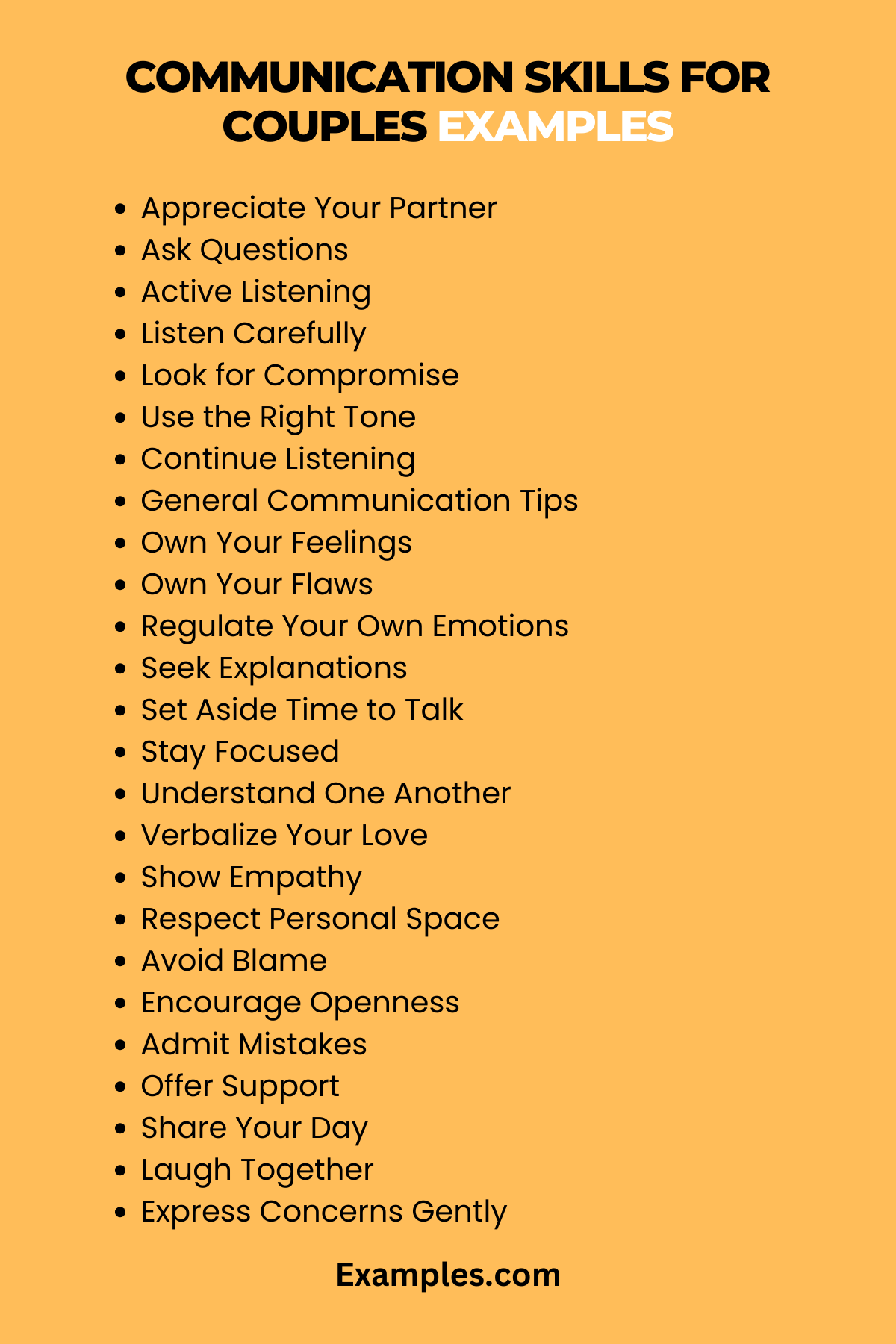
Healthy communication in relationships serves as the cornerstone for building trust and intimacy between partners. Effective communication strategies can transform the dynamics of a relationship, ensuring that both individuals feel heard and valued. Relationship advice emphasizes the importance of expressing feelings openly and respectfully, which helps in navigating conflicts without resorting to harmful words. By developing strong communication skills for couples, partners can avoid common relationship red flags that often arise from misunderstandings and emotional misfires. Ultimately, fostering a culture of transparency and compassion leads to a deeper and more resilient love.
In the realm of romantic partnerships, the ability to convey thoughts and emotions clearly is crucial for nurturing a strong bond. Engaging in constructive dialogue not only enhances understanding but also mitigates potential issues that could disrupt harmony. Couples who practice mindful communication create a safe space for expressing concerns without fear of judgment, making it easier to tackle challenges together. This mutual openness lays the groundwork for a fulfilling relationship, eliminating barriers that might otherwise hinder emotional connection. Remember, effective verbal exchange is vital for sustaining a loving and committed partnership.
Healthy Communication in Relationships: The Foundation of Connection
Effective communication is a critical foundation of healthy relationships. It involves more than just exchanging words; it requires active listening, empathy, and the willingness to understand your partner’s perspective. Couples who practice healthy communication techniques can navigate conflicts without causing irreparable harm to their bond. For instance, using ‘I’ statements instead of ‘you’ accusations during disagreements helps to express feelings without putting the partner on the defensive. This strategy fosters understanding and keeps the dialogue constructive, ensuring both partners feel heard and respected.
Furthermore, healthy communication in relationships helps to identify and address potential relationship red flags before they escalate into larger issues. By openly discussing feelings about finances, family, and personal insecurities, couples can preemptively tackle misunderstandings that could foster resentment. Utilizing relationship advice centered around transparency and kindness allows both partners to feel safe expressing themselves, which ultimately leads to a deeper emotional connection and strengthens trust in the relationship.
Avoiding Relationship Pitfalls: Words That Damage Trust
Words have the power to build or destroy, especially in romantic relationships. For instance, telling your partner that you regret your relationship can irreparably damage trust and self-esteem. Such statements can linger long after they’re spoken, creating feelings of insecurity and doubt that may lead to resentment. Instead, focusing on positive affirmations and constructive criticism can help ensure that disagreements do not devolve into personal attacks but rather serve to enhance understanding.
Another significant pitfall is the mockery of a partner’s financial situation. Financial discussions can be sensitive, but using harsh words or ridicule only serves to tear down the relationship. Instead of engaging in harmful banter, it is essential for couples to work collaboratively to understand each other’s financial backgrounds and current situations. Implementing effective communication strategies around finances can transform potentially volatile discussions into opportunities for growth and support.
Navigating Family Dynamics with Grace
Family connections can bring joy, but they also introduce complex dynamics into romantic relationships. Insulting your partner’s family or friends is never a sound strategy, regardless of personal grievances. Such remarks can lead to major conflicts, as they create an environment where partners feel divided rather than united. It’s essential to respect these relationships, even if your partner has frustrations about them. Choosing to support rather than criticize forms a backbone of stability between partners, allowing for constructive discussions without tearing down one another’s support systems.
Moreover, the way partners speak about family can reveal much about their relationship values. Couples should aim to establish boundaries regarding how much they share and critique each other’s family dynamics. Building healthy relationship tips around mutual respect for each other’s backgrounds not only strengthens the bond but also reinforces a sense of teamwork. By sharing opinions respectfully, couples can nurture their partnership while honoring family ties.
Dealing with Insecurities: The Importance of Sensitivity
In any romantic relationship, it’s vital to be sensitive to your partner’s insecurities. Mocking or teasing a partner about their perceived weaknesses can lead to significant emotional scars that linger long after such comments are made. Constructive dialogue around insecurities, framed in a compassionate manner, cultivates a space where both partners can thrive. For instance, instead of making light of their concerns about appearance, offer support and encouragement, reinforcing their strengths.
Furthermore, recognizing the vulnerability that comes with sharing insecurities is a stepping stone to building a deeper connection. Couples who develop communication skills for couples that focus on empathy and understanding create an environment where both individuals feel safe to discuss vulnerabilities. This sense of security promotes healing and growth, allowing both partners to overcome challenges together rather than exploit them against each other.
The Power of Effective Communication Strategies
Implementing effective communication strategies is crucial for a harmonious relationship. Such strategies involve being clear, honest, and respectful in conversations. For example, rather than making accusations about your partner’s behavior, frame your concerns in a way that fosters discussion. Using phrases like, ‘I feel confused when…’ allows the other person to understand your viewpoint without feeling attacked. By focusing on solutions rather than blame, couples can navigate challenges while maintaining a nurturing environment.
Additionally, developing the ability to recognize communication styles helps partners to adapt to each other’s needs. Some individuals may benefit from a more direct approach, while others may prefer a gentler tone. By learning to identify and flexibly respond to these styles, couples can create a positive atmosphere where effective communication flourishes, ultimately reducing misunderstandings and enhancing emotional intimacy.
Recognizing Red Flags: An Essential Relationship Skill
Being able to recognize relationship red flags is a vital skill set for any couple. These warning signs may manifest as increasing frustration, communication breakdowns, or avoidance tactics in discussions about sensitive subjects. Identifying these red flags early on can help partners address underlying issues before they escalate into serious conflicts. It’s important to approach these conversations as a team, seeking solutions rather than blaming one another.
Moreover, regularly checking in on the relationship dynamics can strengthen the partnership by raising awareness of potential issues. Discussing feelings and perceptions openly helps to clarify misunderstandings that may arise from unspoken concerns. Establishing a practice of maintaining awareness around emotional states and triggers greatly enhances the effectiveness of communication, paving the way for a stronger and more resilient relationship.
Building Trust Through Transparent Communication
Trust is the cornerstone of any lasting relationship, and building it requires transparent communication. When partners openly share their thoughts and feelings, they allow each other to understand their expectations and boundaries better. This clarity not only fosters deeper intimacy but also helps to prevent misunderstandings that could lead to conflicts. Practicing honesty, even when the conversation is uncomfortable, ensures that both partners are on the same page.
Furthermore, cultivating an environment of transparency encourages partners to express their needs and concerns freely. This can include discussing finances, future goals, and personal anxieties, which are often complicated subjects. Emphasizing the importance of these discussions helps create a culture where both individuals feel valued and understood, ultimately leading to a more trusting and fulfilling relationship.
Recognizing the Value of Emotional Intelligence
Emotional intelligence is a crucial component of effective communication within relationships. It allows partners to recognize and respond to their own emotions as well as those of their partner, facilitating healthier dialogues. When both partners cultivate their emotional intelligence, they enhance their ability to connect at a deeper level, understanding not only what is being said but also the emotional context behind those words. This understanding leads to more empathetic responses and reduces the likelihood of miscommunication.
Additionally, developing emotional intelligence equips couples with the tools to manage conflicts constructively. Instead of allowing emotions to escalate into explosive confrontations, emotionally intelligent partners can navigate disagreements calmly and thoughtfully. They learn to appreciate each other’s perspectives and find common ground, thereby transforming potential conflicts into opportunities for growth and intimacy within the relationship.
Creating a Safe Space for Open Dialogue
A safe space for open dialogue is imperative for fostering healthy communication in relationships. When partners can express themselves without fear of judgment, they can discuss their feelings, needs, and concerns more openly. This practice includes actively listening to each other and validating each other’s emotions, which is crucial for building a strong foundation of trust. Ensuring that both partners feel assured that their feelings are honored creates a supportive environment where communication can thrive.
Additionally, establishing ground rules for sharing can reinforce a safe communication environment. This could include avoiding interruptions, respecting each other’s time for speaking, and agreeing not to raise voices during disagreements. By maintaining these boundaries, partners can reinforce a sense of security while discussing challenging topics, making it easier to navigate sensitive conversations and strengthen the relationship over time.
Frequently Asked Questions
What are effective communication strategies for maintaining healthy communication in relationships?
Effective communication strategies for maintaining healthy communication in relationships include active listening, expressing thoughts without blaming, and using ‘I’ statements rather than ‘you’ statements. For example, say, ‘I feel hurt when…’ instead of ‘You always…’. Furthermore, it’s essential to create a safe space where both partners can share feelings openly without fear of ridicule. Avoid derogatory phrases like ‘I regret dating you’ which can irreparably damage the relationship. By focusing on clear, respectful dialogue, couples can strengthen their bond and navigate conflicts more effectively.
| Key Points | Details |
|---|---|
| Don’t say you regret this relationship | Avoid phrases like ‘I regret dating you’ to protect your bond. |
| Do not taunt them about their financial situation | Mocking your partner’s financial background can lead to severe consequences. |
| Do not insult your partner’s family or friends | Never speak ill of your partner’s loved ones; it can damage trust. |
| Do not mock your partner’s weaknesses | Making fun of insecurities can lead to lasting damage in a relationship. |
Summary
Healthy communication in relationships is essential for fostering trust and connection. To maintain a strong partnership, it is crucial to avoid hurtful phrases and comments, especially during conflicts. Words like ‘I regret dating you’ can irreparably harm the relationship. Instead, partners should focus on expressing their feelings with sensitivity and respect. By refraining from taunting each other’s financial situations, family, friends, or insecurities, individuals can build a more supportive and loving environment. Ultimately, practicing healthy communication in relationships not only strengthens the bond but also contributes to a lasting and fulfilling partnership.



























