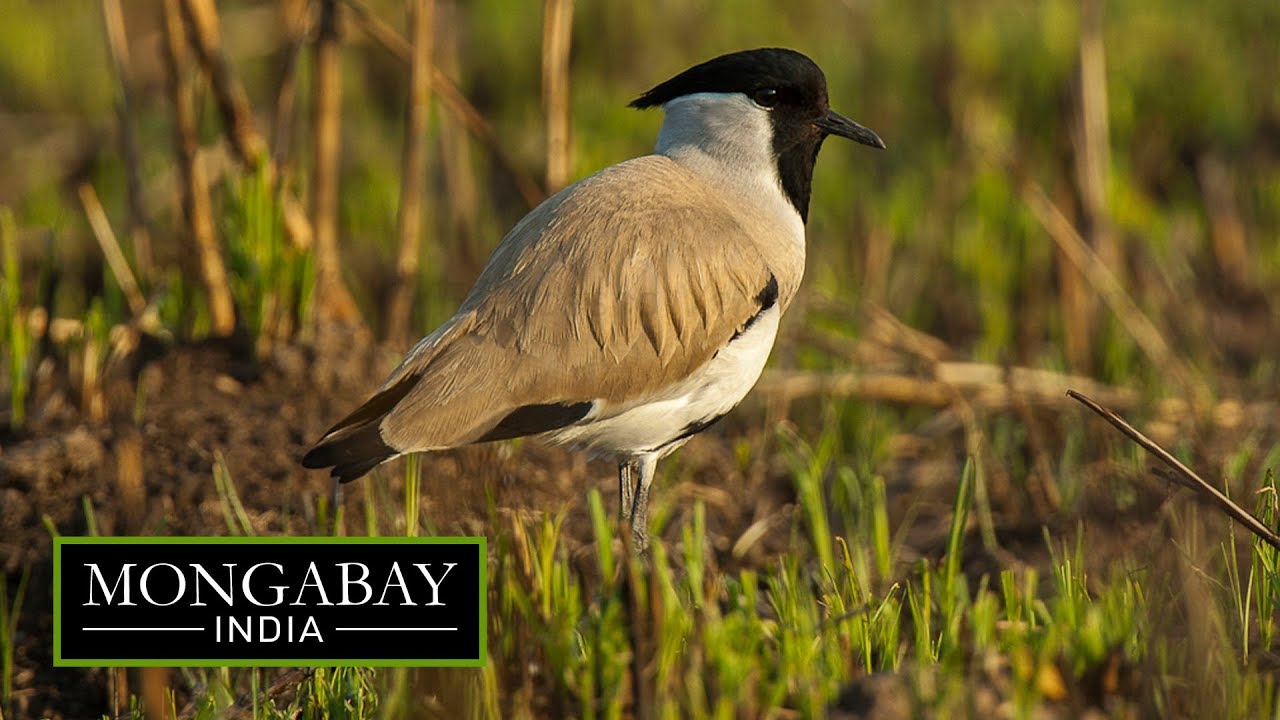
Nestled in the Kakching district of Manipur, the Kharungpat Bird Sanctuary is set to play a vital role in promoting biodiversity conservation and eco-tourism within the region. Spanning nearly 227 hectares, this newly proposed sanctuary represents approximately 6.7 percent of Manipur’s extensive wetland area, making it an essential habitat for both resident and migratory bird populations. A recent bird census highlighted the significant presence of nearly 69 bird species, with a notable 40 percent classified as migratory, underlining the sanctuary’s ecological importance. However, concerns arise as data from 2025 showed a decline in these migratory populations, primarily attributed to habitat degradation and disturbances. In response, the state government aims to enhance wetland protection and conservation efforts, thereby fostering sustainable tourism and ensuring the survival of diverse bird life in this remarkable sanctuary.
The Kharungpat Bird Sanctuary, a crucial ecological site in Manipur, embodies the state’s commitment to wildlife preservation and sustainable tourism development. By designating this area as a protected sanctuary, authorities aim to safeguard the delicate ecosystems that support rich populations of birds, thus bolstering efforts in biodiversity conservation. With a strategic focus on enhancing eco-tourism, this initiative not only aims to attract visitors but also to implement effective measures for wetland protection. The engagement of local communities in conservation practices is essential, ensuring that economic opportunities arise hand in hand with environmental stewardship. Ultimately, the establishment of this sanctuary represents a significant step forward in conserving migratory bird habitats and promoting eco-friendly tourism initiatives in the region.
Conservation Efforts at Kharungpat Bird Sanctuary
The establishment of the Kharungpat Bird Sanctuary marks a significant step towards biodiversity conservation in Manipur. Spanning over 227 hectares, this sanctuary will protect crucial habitats that support various waterbird species. Among these species, both resident and migratory birds rely on this wetland ecosystem for breeding, feeding, and resting. The sanctuary aims to provide a safe haven for these birds, ensuring their populations remain stable despite environmental pressures. With ongoing habitat degradation being a major concern, this initiative seeks to restore the natural environment, allowing the delicate balance of the ecosystem to flourish.
In light of recent surveys showing a decline in migratory bird populations, the Kharungpat Bird Sanctuary has become a focal point for wildlife conservation advocates. Protecting the sanctuary under the Wildlife Protection Act, 1972, offers legal backing to prevent habitat destruction and disturbances, which are often the culprits behind diminishing bird numbers. Furthermore, local organizations and community groups are being empowered to take part in conservation efforts, fostering a collaborative approach that merges local knowledge with scientific research. This shared responsibility encourages communities to appreciate the value of their local biodiversity, emphasizing its role in supporting healthy ecosystems.
Eco-Tourism Potential of Kharungpat
The Kharungpat Bird Sanctuary not only serves as a critical site for wildlife but also presents a unique opportunity for eco-tourism in Manipur. By promoting sustainable tourism practices, the government aims to attract nature enthusiasts, birdwatchers, and researchers to this ecologically rich area. The development of facilities such as viewing platforms and guided tours is designed to enhance visitor experience while minimizing environmental impact. The mindful integration of eco-tourism can provide economic incentives for local communities, creating jobs and income while simultaneously fostering a culture of conservation.
Local residents are encouraged to participate actively in these eco-tourism initiatives through a newly formed Eco-Development Committee. This participatory approach ensures that the benefits of tourism flow back to the community, thus supporting livelihoods while protecting the sanctuary’s delicate ecosystems. As tourists flock to observe migratory birds during peak seasons, awareness and appreciation for the region’s unique biodiversity are likely to increase, creating a ripple effect that promotes conservation efforts far beyond the sanctuary itself. Ultimately, the link between eco-tourism and biodiversity conservation at Kharungpat offers a sustainable model for development that enhances both local culture and environmental health.
Importance of Wetland Protection for Biodiversity
Wetlands play an indispensable role in maintaining biodiversity, providing habitats for countless species, including migratory birds that depend on these ecosystems during their long journeys. The health of the Kharungpat Bird Sanctuary is crucial for the survival of waterbird populations that migrate through this region. The recent surveys indicating a decline in migratory bird numbers are alarming and highlight the need for immediate action to preserve these vital habitats. Through effective conservation strategies, the sanctuary aims to enhance the resilience of wetland ecosystems, ensuring they can continue to support diverse wildlife.
Protection of wetlands like Kharungpat is also aligned with global conservation goals, such as those outlined by the Ramsar Convention. This internationally recognized framework stresses the significance of wetlands that support large populations of waterbirds. By safeguarding Kharungpat, not only does Manipur contribute to global biodiversity conservation efforts, but it also ensures that these critical ecosystems remain functional. Furthermore, preserving these habitats helps mitigate the impacts of climate change, thus reinforcing the interconnectedness of biodiversity and ecosystem health.
Community Engagement in Conservation Efforts
Engaging local communities in conservation efforts is paramount to the success of the Kharungpat Bird Sanctuary. The establishment of an Eco-Development Committee signifies a commitment to involving residents in the decision-making processes regarding the sanctuary’s management. This approach not only fosters a sense of ownership among locals but also ensures that their traditional knowledge and practices are integrated into conservation strategies. It has been shown that when communities are actively involved in wildlife protection, there tends to be a higher level of commitment to sustainable practices that benefit both the environment and local livelihoods.
Moreover, community engagement can help alleviate some of the pressures faced by wetland ecosystems, such as poaching and habitat destruction. By educating local populations about the value of biodiversity and the importance of protecting the Kharungpat Bird Sanctuary, these initiatives nurture a culture of conservation. Through workshops, awareness campaigns, and eco-tourism training, residents can learn about sustainable practices that promote both ecological health and economic viability. This synergy between conservation and community well-being is crucial for the long-term success of the sanctuary and its biodiversity conservation initiatives.
Migratory Bird Populations: A Focus on Conservation
Migratory bird populations are an essential part of global biodiversity and highlight the interconnectedness of ecosystems across the globe. Kharungpat Bird Sanctuary serves as a crucial stopover for many species during their migratory journeys, making its protection vital for the health of these populations. In recent years, alarming data indicating a decline in migratory birds has raised concerns among conservationists, emphasizing the need for immediate intervention to protect these vital habitats. The sanctuary aims to provide a safe breeding ground and essential resources for migratory birds, which can dramatically improve their chances of survival.
Understanding the challenges these birds face, such as habitat loss and disturbances, is key to informing conservation efforts. Protecting Kharungpat represents a proactive approach to safeguarding migratory bird populations, ensuring that vital habitats are preserved while enabling scientists to monitor changes in population dynamics over time. By creating an environment conducive to bird conservation, stakeholders can work collaboratively to develop strategies that are responsive to the needs of these species. This focus on migratory birds not only contributes to the ecological richness of the region but also underscores the importance of sustained conservation efforts in the face of climate change and environmental degradation.
Impact of Habitat Degradation on Bird Populations
Habitat degradation stands as one of the primary threats to bird populations worldwide, and the Kharungpat Bird Sanctuary is no exception. Recent surveys have illustrated how disturbances, loss of roosting spaces, and the overall decline in wetland health directly contribute to diminishing numbers of migratory birds. This situation calls for comprehensive conservation strategies aimed at restoring and enhancing the sanctuary’s ecological integrity. Addressing the factors leading to habitat degradation is crucial for reversing the trends observed in bird populations and ensuring the long-term success of the sanctuary as a vital ecosystem.
Efforts to combat habitat degradation must include scientific research and community involvement. By integrating local knowledge with scientific approaches, stakeholders can identify specific environmental pressures and develop targeted interventions. These interventions may involve habitat restoration projects, creating protected areas within the sanctuary, and monitoring ecological changes to assess the effectiveness of conservation measures. Continued collaboration between government bodies, local organizations, and researchers is essential to safeguard Kharungpat and mitigate the impact of habitat degradation on vital bird populations.
Sustainable Practices for Eco-Tourism
Implementing sustainable practices in eco-tourism is imperative for the Kharungpat Bird Sanctuary to thrive. As the initiative attracts more visitors, it is crucial to ensure that tourism does not compromise the sanctuary’s delicate ecosystems. Practices such as controlled access, educational programs, and promoting responsible birdwatching can greatly contribute to the sanctuary’s conservation goals. By prioritizing sustainability, the tourism sector can support biodiversity conservation, benefiting both nature and the local economy.
Moreover, sustainable tourism practices are designed to minimize the environmental footprint of visitors, encouraging respect for local wildlife and habitats. New initiatives could include guided tours that educate participants on the importance of wetland conservation and the species that inhabit Kharungpat. Local communities will also play a significant role in this endeavor, offering authentic experiences that highlight the interplay between culture, conservation, and the natural environment. This synergy promotes a holistic approach to tourism that supports ecological health while creating economic opportunities for the community.
The Role of Government in Biodiversity Conservation
The establishment of the Kharungpat Bird Sanctuary underscores the critical role of government in biodiversity conservation. By designating the area as a protected sanctuary, officials are taking proactive steps to combat the challenges that threaten local ecosystems. This governmental commitment is essential for implementing effective conservation policies and ensuring the long-term sustainability of this vital habitat. Collaboration between various governmental departments and local bodies also enhances the effectiveness of conservation efforts, allowing for a multifaceted approach to managing natural resources.
Government initiatives focused on biodiversity conservation often encompass funding for research, public awareness campaigns, and community engagement programs. By investing in these areas, the authorities can cultivate a culture of conservation that resonates with citizens and inspires collective action. The establishment of the Kharungpat Bird Sanctuary is not just a protective measure; it also represents a broader vision for the integration of conservation and eco-tourism in Manipur. Through policy implementation and stakeholder engagement, the government can drive meaningful change that benefits both people and wildlife.
Promoting Awareness About Wetlands and Birds
Raising awareness about the importance of wetlands and their avian inhabitants is crucial for the success of conservation efforts at Kharungpat Bird Sanctuary. Educational programs targeting local communities and visitors can highlight the ecological significance of wetlands, illustrating how these areas support diverse life forms including migratory birds. By fostering a deeper understanding of the interconnectedness between water resources and wildlife, stakeholders can cultivate a community-centric approach to conservation.
In addition to local outreach, broader campaigns can leverage media platforms to reach a larger audience, thus amplifying the message of conservation. Engaging narratives about the migratory birds that depend on Kharungpat can inspire both locals and visitors to appreciate the sanctuary’s natural beauty and ecological value. Through enhanced public awareness, it is possible to create a strong advocate base that supports conservation policies and practices, ultimately contributing to the protection of vital ecosystems.
Frequently Asked Questions
What is the significance of Kharungpat Bird Sanctuary for biodiversity conservation in Manipur?
Kharungpat Bird Sanctuary, covering 227 hectares in the Kakching district of Manipur, plays a crucial role in biodiversity conservation by providing a habitat for numerous waterbird species, both resident and migratory. As part of the state’s efforts to enhance eco-tourism and protect wetland areas, the sanctuary aims to aid in the preservation of migratory bird populations and maintain ecological balance, responding to concerns over decreasing habitats due to degradation and disturbances.
| Key Point | Details |
|---|---|
| Location | Kharungpat, Kakching district, Manipur |
| Area | 227 hectares, about 6.7% of total wetland area |
| Ecological Significance | Habitat for various resident and migratory waterbird species |
| Recent Findings | 2023 census showed 69 species; decline in migratory species observed by 2025 |
| Conservation Measures | Area to be protected under Wildlife Protection Act, 1972 |
| Community Involvement | Eco-Development Committee will be established for eco-tourism and livelihood support |
| Biodiversity Importance | Aligned with Ramsar Convention criteria for wetland conservation |
Summary
Kharungpat Bird Sanctuary is poised to become a vital component of biodiversity conservation in Manipur. This initiative not only aims to protect rich habitats for a variety of waterbirds but also emphasizes the importance of community involvement in conservation efforts. With eco-tourism at its core, the sanctuary seeks to balance ecological preservation with economic opportunities for local populations, ensuring that the ecological significance of Kharungpat is recognized and sustained. The proactive steps taken by the Manipur government reflect a commitment to safeguarding wetland ecosystems and enhancing their potential for sustainable development.