

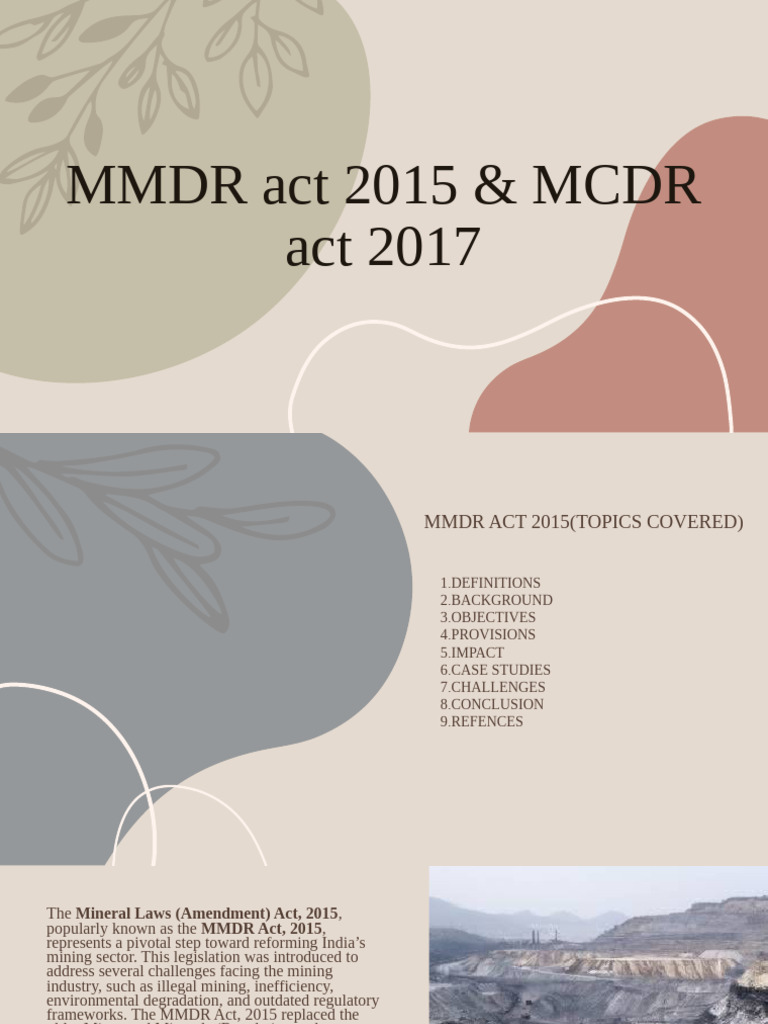
Meghalaya coal mining has become a focal point of debate in the region, reflecting the complex interplay between traditional land rights and modern regulatory frameworks. As the Jaiñtia National Council (JNC) continues to advocate for exemptions from the Mines and Minerals (Development and Regulation) Act (MMDR), coal mining issues have taken center stage in discussions about the state’s economic future. The current mining policy, inadequately addressing the needs of local communities, has prompted coal miners and their families to voice their concerns about the sustainability of their livelihoods. With over thousands gathering at rallies to express their support for community-based mining practices, the demand for a mining policy that aligns with Meghalaya’s unique socio-economic landscape is more urgent than ever. Ultimately, the alignment of Meghalaya’s coal mining practices with its cultural and traditional values could determine the path forward for this crucial industry.
The extraction of coal in Meghalaya highlights the challenges of balancing environmental concerns with the economic needs of local communities. The pressing demand for a mining policy that recognizes the traditional landholding systems of Meghalaya has led organizations like the JNC to call for significant changes to current regulations. These discussions have sparked an essential dialogue about the implications of the MMDR Act, particularly regarding its exemptions and how they relate to community interests. With a focus on localized, community-driven mining initiatives, stakeholders are pushing for solutions that resonate not just with the legislative frameworks but also with the cultural heritage of the region. As the conversation surrounding Meghalaya’s mining landscape evolves, the urgency for adaptable policies that embrace the unique attributes of local communities becomes increasingly clear.
The Importance of Meghalaya Coal Mining in Local Economy
Meghalaya coal mining plays a crucial role in sustaining the local economy, particularly in regions like Jaintia Hills where many families rely on this industry for their livelihood. Despite the challenges posed by regulations under the Mines and Minerals (Development and Regulation) Act (MMDR), community-based mining practices continue to represent the region’s socio-economic backbone. The traditional coal mining operations, predominantly practiced by local miners, help preserve the community’s way of life while also contributing significantly to the state’s revenue.
The coal mined in Meghalaya is not merely an economic asset; it is deeply rooted in the culture and history of the communities involved. The extraction process is often conducted on ancestral lands, suggesting that any mining policy must respect and accommodate these traditional practices. Encouraging community-led initiatives while navigating the legal frameworks established by the MMDR Act is essential for ensuring that the livelihoods of thousands of families are safeguarded.
Challenges Faced by the Jaiñtia National Council Regarding Mining Laws
The Jaiñtia National Council (JNC) is at the forefront of advocating for amendments to the current mining laws that inadequately address the unique needs of Meghalaya’s coal miners. Their assertion that the MMDR Act should be exempted reflects an understanding of the incompatibility between national regulations and the state’s preferential mining practices rooted in local customs. This advocacy seeks to highlight the specific coal mining issues faced by local communities, who find themselves marginalized by the existing laws that favor large-scale mining operations.
During discussions with state politicians, the JNC outlined how paragraph 12A(b) of the Sixth Schedule could provide a pathway for legislative adaptation. This clause empowers the President to exempt particular laws from enforcement in Scheduled Areas, which includes significant portions of Meghalaya. With the JNC emphasizing these legal avenues, they show a commitment to not only address coal mining challenges but also to ensure the preservation of community rights and interests in the face of broader regulatory requirements.
The Role of Community-based Mining in Meghalaya
Community-based mining in Meghalaya symbolizes a harmonious blend of tradition and economic necessity. This practice is particularly important in maintaining local ownership and control over natural resources, thus ensuring that the benefits of coal extraction are retained within the community. The JNC has been vocal in advocating for policies that not only support but elevate these small-scale mining practices. By doing so, they aim to provide an avenue for economic independence while ensuring that the cultural practices surrounding coal mining are honored.
Moreover, community inspections and management of coal mines can lead to more sustainable mining practices that prioritize the environment and local welfare over profit-driven motives. With proper legislative support and recognition of their rights, local miners can operate within a framework that respects both their socio-economic needs and the ecological dynamics of Meghalaya’s hilly landscape.
Needed Reforms in Meghalaya’s Mining Policy
In light of the ongoing discussions surrounding Meghalaya’s mining policies, the need for reform is becoming increasingly clear. The MMDR Act has been criticized for imposing regulations that do not align with the state’s customary landholding systems. Many local miners feel that the provisions, while well-intentioned, do not sufficiently account for the realities of small-scale mining operations that dominate the region. The JNC’s push for adjustments reflects a growing call for policies that are responsive to local customs and economic activities.
The urgency of reform is emphasized by the recent public rallies and meetings convened by local coal miners who demand that their voices be heard in policy-making. The call for an inclusive approach to developing Meghalaya’s mining policy aims to ensure that mining practices are not only regulated but also suitable for the local context. It is essential that law-makers engage directly with communities impacted by these regulations to foster a mining environment that respects traditional practices while adhering to necessary legal standards.
The Impacts of Supreme Court Rulings on Local Mining Practices
The Supreme Court’s ruling in favor of regulated coal mining under the MMDR norms in 2019 was a landmark moment for Meghalaya. However, the reality on the ground is that these judgments did little to ease tensions for many small-scale miners who struggle under the weight of regulatory requirements that clash with local customs. The JNC’s critique of the ruling underscores the complexity of navigating legal systems that don’t wholly respect the traditional land tenure system in Meghalaya.
As the JNC continues to navigate these changes, they are advocating for a mining framework that allows for local needs and traditions to shape the future of coal mining. This requires a recognition from the Central Government that one-size-fits-all policies often fail to account for local needs, particularly in regions like Meghalaya with unique cultural and environmental challenges. The dialogue between local stakeholders and the government must prioritize creating a system that supports both legal compliance and community welfare.
Advocacy for Exemption from MMDR Act
The advocacy for an exemption from the MMDR Act stems from the pressing need to align governmental policies with the traditional practices of coal mining in Meghalaya. The JNC has consistently argued that the restrictions imposed by national regulations hinder the ability of local communities to engage in a form of mining that respects their cultural heritage and economic needs. By seeking such exemptions, the council aims to protect these ancestral rights and enable communities to continue their legitimate mining practices without excessive regulatory burdens.
Furthermore, this exemption could empower local miners by allowing them to operate under their customs and traditions, fostering an environment where community-based initiatives thrive. To further advocate for these changes, the JNC plans to engage with national lawmakers, emphasizing that local governance should play a critical role in shaping mining laws that are effective and respectful of Meghalaya’s unique social fabric.
Local Community Interests in Coal Mining Regulations
As discussions around coal mining regulations continue, the interests of local communities remain at the heart of the discourse. The JNC serves as a voice for the miners, ensuring that their needs and concerns are represented in any legislative changes. This commitment to community interests is crucial in formulating a mining policy that not only addresses economic concerns but also honors the cultural significance of coal mining in Meghalaya.
Communities are increasingly vocal in demanding policies that reflect their realities and facilitate sustainable mining practices. The ongoing dialogue among local miners, regulatory bodies, and political representatives is indicative of a growing recognition that legislative frameworks must be responsive to local contexts. By prioritizing community needs, stakeholders can create a more equitable mining landscape that benefits both the economy and the rich social tapestry of Meghalaya.
Navigating Sustainable Mining Practices
Sustainable mining practices in Meghalaya are critical for ensuring that the benefits of coal mining do not come at the expense of the environment or community well-being. The JNC has highlighted the importance of developing a mining policy that incorporates ecological considerations alongside economic benefits. Emphasizing sustainability can help foster mechanisms that not only support mining activities but also preserve Meghalaya’s rich biodiversity and hilly ecosystems.
Community engagement in developing these sustainable practices is essential. By involving local miners in decision-making processes, policies can be tailored to enhance both economic viability and environmental stewardship. This collaborative approach has the potential to solidify the relationship between coal mining and community preservation, ensuring that efforts to manage natural resources reflect local needs and promote long-term stability.
The Future of Coal Mining in Meghalaya
The future of coal mining in Meghalaya hinges on the ability to reconcile local traditions with regulatory frameworks imposed by the central government. The JNC’s advocacy for exemptions from the MMDR Act represents a proactive step toward shaping a mining policy that respects the cultural, economic, and environmental nuances of the state. Initiatives that allow for community-based mining operations are essential for ensuring that local voices remain integral to shaping their economic future.
As the discussions surrounding mining regulations progress, it is vital for stakeholders to collaborate and develop a comprehensive plan that balances regulatory compliance with the rights and needs of local communities. Emphasizing the importance of coal as a resource for many families in Jaintia Hills will help promote a balanced outlook on the future of coal mining in Meghalaya. Ensuring that the policy landscape evolves in a way that acknowledges both modern regulations and traditional practices will ultimately pave the way for sustainable development in the region.
Frequently Asked Questions
What are the main coal mining issues concerning Meghalaya’s traditional landholding system?
Meghalaya coal mining faces significant challenges due to its traditional landholding system, which is incompatible with the regulations outlined in the Mines and Minerals (Development and Regulation) Act (MMDR). The Jaiñtia National Council (JNC) has advocated for an exemption from certain MMDR provisions, arguing that these regulations do not take into account the community-based mining practices and small-scale operations that are integral to Meghalaya’s socio-economic landscape. This misalignment has led to difficulties for many local miners who rely on coal mining as a vital source of livelihood.
| Key Point | Details |
|---|---|
| Demand for Exemption from MMDR Act | The JNC wants Meghalaya to be exempted from specific provisions of the Mines and Minerals (Development and Regulation) Act, citing incompatibility with local practices. |
| Meeting with BJP Leader | JNC leaders met with Wankit Pohshna of the BJP to discuss coal mining issues based on a memorandum submitted earlier in the year. |
| Supreme Court Ruling | In 2019, the Supreme Court allowed regulated coal mining under the MMDR, but JNC claims it doesn’t align with Meghalaya’s land tenure system. |
| Public Rally | A rally by coal miners in Khliehriat highlighted the need for a mining policy that reflects local socio-economic conditions. |
| Legal Protections | JNC argues that the Sixth Schedule of the Constitution supports their call for exemptions from federal mining laws in Scheduled Areas. |
| Future Discussions | JNC hopes for inclusion in future negotiations with the Central Government regarding mining policies. |
Summary
Meghalaya coal mining is a critical issue intertwined with the state’s traditional landholding practices and local socio-economic structures. The Jaiñtia National Council (JNC), advocating for the rights of miners, has urged for specific exemptions from the Mines and Minerals (Development and Regulation) Act. This demand underscores the conflict between statutory regulations and the customary practices that define mining in the region, highlighting how current laws disproportionately affect small-scale and ancestral miners. Despite the Supreme Court’s rulings permitting regulated mining under this act, local leaders emphasize that these regulations fail to accommodate the unique characteristics of Meghalaya’s hilly terrain and community-based mining systems. The recent dialogues with the BJP and public rallies showcase the community’s resilience and determination in seeking a mining policy that genuinely reflects their needs, laying the groundwork for significant changes in the future mining landscape of Meghalaya.



























