

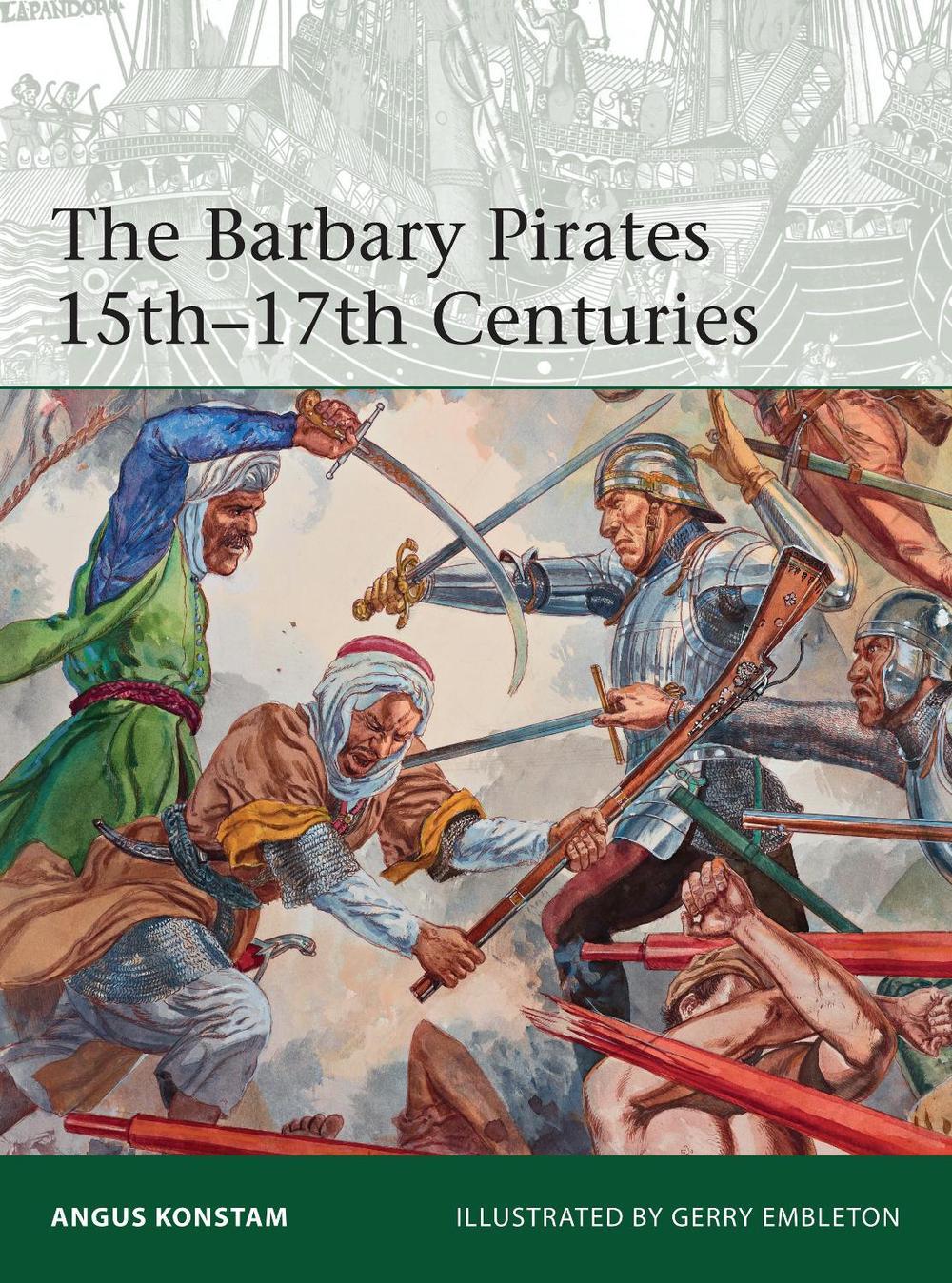
Barbary pirates, notorious figures in naval history, thrived along the North African coast from the 16th to the 19th century, where they transformed maritime warfare. This group of corsairs was distinguished not just by their boldness, but also by their well-organized attacks that impacted European trade routes significantly. Remarkably, a significant discovery was made in 2005 when marine explorers stumbled upon a shipwrecked pirate ship nearly 3,000 feet underwater, shedding light on their naval power. The uncovered wreck, linked to the infamous Barbary corsairs, opens a new chapter in underwater archaeology, revealing secrets of its era alongside the storied HMS Sussex. As we delve into the intricacies of pirate shipwrecks, including this extraordinary find, we enhance our understanding of Mediterranean shipwrecks and their lasting influence on maritime history.
The maritime adventures of the Barbary corsairs represent an essential chapter in the tale of piracy that extended across the Mediterranean Sea. Operating from the coasts of North Africa, these seafaring marauders were not mere thieves but highly strategic forces that posed threats to coastal communities throughout Europe. Their shipwrecks, such as the recent discovery within a deep-sea expedition, reveal much about their shipbuilding and combat technology. Underwater archaeology plays a vital role in piecing together the complexities of their operations, including the factors that led to their fall from power. This exploration ultimately enriches our understanding of naval history and the intricate web of influences that shaped maritime trade.
Barbary Pirates and Their Impact on Mediterranean Trade
The Barbary pirates, also known as Barbary corsairs, significantly impacted Mediterranean trade during the 16th to 19th centuries. Operating primarily from North African ports like Algiers, Tunis, and Tripoli, these pirates disrupted maritime commerce and instilled fear among European nations. Their daring raids extended far beyond the coastlines, targeting merchant vessels and even coastal towns, which led to a notable decline in European maritime activities. The profits from these attacks were often used to bolster the local economies, fund further piracy, and in some cases, were used to purchase more advanced weaponry to enhance their operational capabilities.
What set the Barbary pirates apart from traditional rogue pirates was their formalized structure and collusion with local governments. Unlike the anarchic behavior typically associated with piracy, Barbary corsairs operated under the protection of their sovereign states, often receiving letters of marque that legitimized their actions. This state-sanctioned piracy allowed them to conduct organized, large-scale attacks that particularly affected trade routes critical to Spain, France, and Italy. The consequences extended beyond immediate economic impacts, as the prolonged threat from these pirates even prompted the formation of diplomatic ties and military coalitions among European powers, showcasing the broader implications of piracy on naval history.
Uncovering the HMS Sussex and the Pirate Shipwreck
In 2005, Odyssey Marine Exploration made a groundbreaking discovery in the Mediterranean Sea, uncovering the wreck of the HMS Sussex, along with evidence of an associated pirate shipwreck buried nearly 3,000 feet underwater. This treasure trove not only unveiled intact artifacts but also provided a unique window into the naval power dynamics of the era. The discovery of the HMS Sussex, a sunken English warship, indicated a significant historical narrative of naval engagement between European powers and pirates, reflecting the tumultuous waters that once claimed merchant and military vessels alike.
The relationship between the HMS Sussex and the newly discovered pirate shipwreck highlights the intricate dance of power in the Mediterranean. Such underwater archaeology enables historians to piece together stories of maritime battles, trade disruptions, and the complex interplay of legality and illegality that defined naval operations during this period. The investigation into the artifacts recovered offers insights into not only pirate life but also the technological and tactical advancements of the time, enriching our understanding of naval history and the way these shipwrecks are poised to rewrite narratives previously accepted.
Understanding Underwater Archaeology and its Significance
Underwater archaeology is crucial for unlocking the secrets of maritime history, especially in the case of pirate shipwrecks. By studying these submerged relics, archaeologists can glean information about the craftsmanship of the ships, the lives of those who sailed them, and the trade networks that existed centuries ago. The techniques employed in underwater investigations help preserve delicate artifacts and provide insights into the socio-economic conditions of the time. Each discovery, such as that of the Barbary pirate shipwreck, adds to the growing body of knowledge concerning maritime activities and the impacts of piracy.
More than just treasure hunting, underwater archaeology contributes to a greater understanding of cultural exchanges and conflicts throughout history. Shipwrecks often reveal a multitude of materials—from weapons to personal items—that reflect the trade routes and interactions between different cultures. The ongoing research into shipwreck sites promises to clarify how piracy, including the actions of Barbary corsairs, influenced broader historical narratives and national identities across Europe. These findings ensure that the voices of the past continue to resonate, shaping our perception of maritime heritage.
The Final Moments of a Pirate Shipwreck
The final moments of any pirate shipwreck are often shrouded in mystery, filled with tales of bravery, betrayal, and sheer desperation. For historians and archaeologists, understanding these moments is crucial; they reveal much about the conditions that led to the ship’s sinking. In the case of the Barbary pirates, many wrecks are believed to be the result of confrontations with naval forces or harsh weather conditions while engaged in predatory activities on the high seas. Analyzing the remains of these ships, researchers can reconstruct the events leading to their demise, shedding light on the excitement and risks inherent in piracy.
Moreover, exploring the remnants of a shipwreck provides valuable lessons about nautical engineering and seamanship of the era. The way a ship was constructed, the placement of cannons, and cargo holds reveal the operational priorities of pirate crews. Each piece unearthed from a wreck site offers a snapshot of the strategic decisions made by these mariners. Understanding how such a vessel met its fate helps narrate the broader story of maritime power struggles in the Mediterranean, illustrating how the actions of pirates like their Barbary counterparts shaped the course of European naval history.
The Role of Mediterranean Shipwrecks in Cultural Heritage
Mediterranean shipwrecks are not just remnants of the past; they are significant vessels of cultural heritage that contribute to our understanding of human endeavor on the seas. Every shipwreck tells a story of those who sailed her, the trade routes they followed, and the many challenges they faced, representing a tangible link to our seafaring past. The discovery of a pirate ship can awaken interest in the narratives of these mariners, allowing us to appreciate the intricacies of life at sea and the socio-political context in which they operated.
Moreover, salvaging and studying shipwrecks offers an opportunity for conservation efforts that aim to protect these underwater artifacts for future generations. The underwater landscapes housing these treasures serve as archaeological sites where knowledge is continuously discovered. Preservation allows communities to connect with their maritime history and enhances tourism opportunities, where people can immerse in learning about shipwrecks and the pirates that once roamed these waters. The global significance of such discoveries lies in their ability to foster appreciation for maritime history, drawing attention to the cultural exchanges that have shaped the region.
Naval Warfare Tactics of Barbary Pirates
The naval warfare tactics employed by Barbary pirates were both innovative and ruthless, reflecting a deep understanding of their operational theater—the Mediterranean. They were known for their speed and agility, using smaller, faster vessels known as tartanes that could outmaneuver larger warships. This mobility allowed them to launch surprise attacks on unsuspecting merchant fleets, making the Mediterranean Sea a perilous environment for traders. Their strategic prowess not only relied on brute force but also on psychological warfare to intimidate and demoralize their targets.
Barbary pirates frequently coordinated attacks with the support of local politicians, leveraging political instability to enhance their operations. This collaboration allowed them to exploit gaps in naval defenses, catching European powers off guard. Their well-crafted ambushes demonstrated a tactical understanding of naval engagements that set them apart from mere brigands. Analyzing these tactics not only helps to understand the effectiveness of pirate operations but also influences modern naval strategy and counter-piracy measures in contemporary waters.
The Evolution of Pirate Culture in the Mediterranean
Pirate culture in the Mediterranean evolved significantly over the centuries, influenced by various sociopolitical factors and maritime practices. Initially viewed as mere outlaws, pirates, especially the Barbary corsairs, became intricately intertwined with the politics and economies of coastal nations. Their actions led to a complex interplay between maritime commerce and organized piracy, which forged a unique pirate culture marked by camaraderie and valor amidst the dangers of seafaring life. Items recovered from shipwrecks often symbolize cultural intersections and provide insight into the identities of these maritime outlaws.
As the centuries progressed, the perception of pirate life shifted dramatically within different contexts. While many viewed pirates as criminals and brigands, others regarded them as folk heroes or rebels challenging the established order. This dichotomy created a rich tapestry of pirate lore that continues to captivate the imagination today. Understanding the evolution of these cultural narratives sheds light on how pirates, especially Barbary corsairs, have been romanticized and vilified in literature and popular culture, influencing modern views on piracy and maritime history.
The Significance of the Barbary Corsairs in Naval History
The Barbary corsairs hold a significant place in the annals of naval history, as their activities prompted major geopolitical shifts in the Mediterranean. Their well-organized operations not only disrupted European maritime trade but also challenged the military capabilities of established navies. This led European powers to invest more in their naval defenses and prompted the establishment of the U.S. Navy as they sought to protect their vessels from corsair attacks. The interactions between these pirates and European nations showcase the complexities of maritime power dynamics and the global implications of piracy.
Moreover, the legacy of the Barbary pirates extends beyond their time, influencing subsequent generations of naval strategy and international law. Engaging in negotiations for piracy treaties and ransom payments, they forced European nations to reconsider their naval tactics and approaches to maritime security. The historical ramifications of their influence can still be traced in modern discussions about piracy and maritime law, as the challenges posed by these corsairs have shaped the ongoing evolution of naval practices and maritime diplomacy. Understanding their role in naval history is essential for grasping the broader implications of maritime conflict and international relations.
Frequently Asked Questions
What role did Barbary pirates play in Mediterranean shipwreck history?
Barbary pirates, known for their organized attacks on coastal settlements, significantly influenced Mediterranean maritime history. Their well-armed vessels, often equipped with cannons and firearms, disrupted trade routes, leading to numerous shipwrecks. The discovery of a Barbary corsair shipwreck during underwater archaeology efforts reveals these pirates’ naval prowess and impact on regional maritime dynamics.
| Aspect | Details |
|---|---|
| Discovery | A shipwrecked pirate ship was found 3,000 feet underwater during a search for HMS Sussex by Odyssey Marine Exploration in 2005. |
| Ship Specifications | The ship measured about 45 feet in length and was armed with four cannons, swivel guns, and rifles for a crew of up to twenty. |
| Difference from Regular Pirates | Barbary pirates were known for their organized attacks, targeting entire regions of coastal settlements in Europe unlike regular pirates who operated more individually. |
| Preservation Conditions | Deep-sea conditions helped in preserving the shipwreck, providing insights into maritime history. |
| Archaeological Significance | The discovery contributes to the understanding of pirate history and naval power in the Mediterranean during that era. |
Summary
The Barbary pirates were a formidable force in maritime history, known for their strategic and highly organized operations that significantly influenced European coastal regions. The recent discovery of a shipwreck belonging to this notorious group sheds light on their naval capabilities and the intricate dynamics of piracy in the Mediterranean during their reign. With a robust artillery for its size, this 45-foot tartane exemplifies the might that these pirates wielded at sea. This shipwreck not only captures the essence of the Barbary pirates’ impact on naval power but also illustrates the importance of underwater archaeology in uncovering the layered narratives of our shared maritime heritage.



























